
Action
Adventure
Animation
Comedy
Crime
Documentary
Drama
Family
Fantasy
History
Horror
Music
Mystery
Romance
Science Fiction
Thriller
War
Western
Found 40 movies, 19 TV shows, and 0 people
Can't find what you're looking for?
Report on the nature of "Black Power," and how it can be effectively used. Interviews with Martin Luther King, SNCC head Stokely Carmichael, Floyd McKissick of CORE, and Charles Evers. Reporter is Sander Vanocur.
The film features 85-year-old Mr. Armstrong, an African American barber in Birmingham, Alabama, as he experiences the manifestation of an unimaginable dream: the election of the first African American president. This colorful and courageous activist of the Civil Rights era casts his vote, celebrates Obama's victory and proudly unfurls the American flag as he is inducted into the Foot Soldiers Hall of Fame. Mr. Armstrong links the magnitude of the present paradigm shift with challenges he faced in the past: from his sons' integration into an all white school to the Bloody Sunday march for voting rights. The documentary raises questions about democracy and patriotism in the face of adversity, and the vigilance and action required to ensure continued forward movement to end racial injustice.
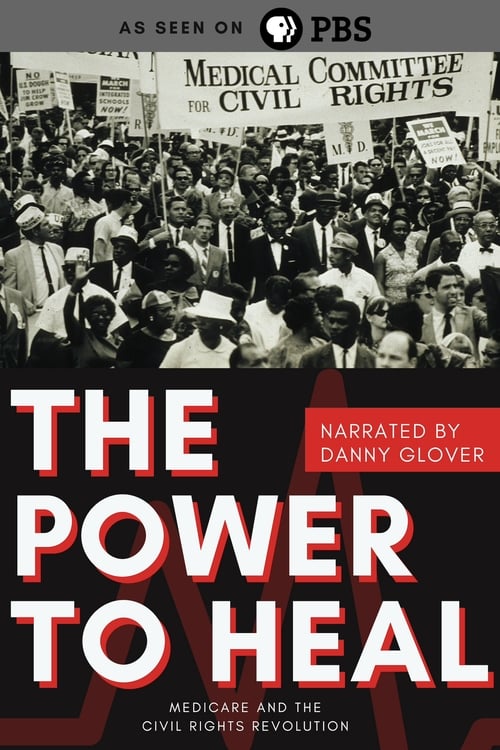
Tells the poignant chapter in the historic struggle to secure equal and adequate access to healthcare for all Americans. Central to the story is the tale of how a new national program, Medicare, was used to mount a dramatic, coordinated effort that desegregated thousands of hospitals across the country in a matter of months.
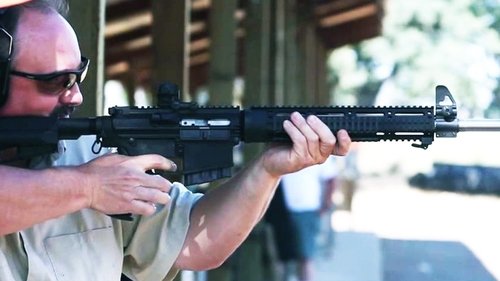
With the original intention of empowering a citizenry's ability to defend themselves against a corrupt or tyrannical government, the concept today may seem farfetched or the makings of a Hollywood blockbuster. However, it has happened throughout U.S. history. And long before gun control was positioned as a "common sense measure" to combat violence, it was used as a means to oppress certain minority groups. Presently, the growing trend in gun control favors the wealthy and privileged, who leverage their connections to ensure their Second Amendment rights and safety, while those of lesser means struggle. Informative and emotionally charged, "Assaulted: Civil Rights Under Fire" is an eye-opening look at the genesis of the Second Amendment to the Constitution, leading the audience to rethink the issues surrounding gun control, and the effect on civil rights and liberty. After all, what you don't know can kill you.
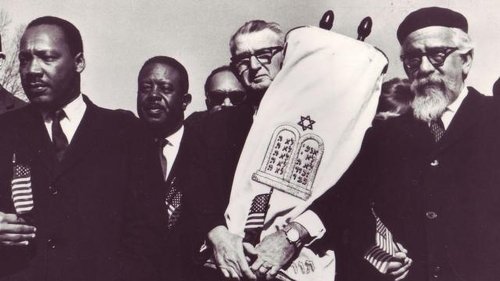
The historical ties between Black and Jewish Americans began long before the Civil Rights era. Shared Legacies explores this significant alliance, sharing eyewitness accounts, interviews with civil rights leaders, including the late U.S. Representative John Lewis, and a treasure trove of archival footage. The film is a tribute to the pursuit of what Dr. King called a "coalition of conscience" and a celebration of partnership, as well as an urgent call to action for today.
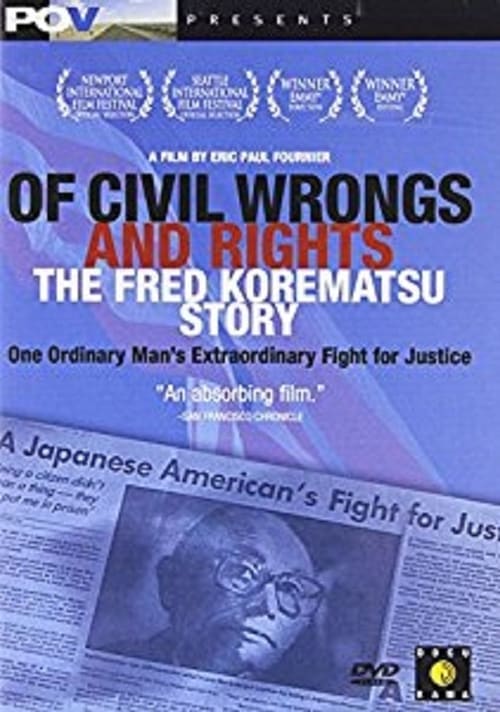
Eric Paul Fournier's Emmy Award-winning film chronicles the remarkable life of Japanese-American Fred Korematsu, who was stripped of his rights and sent to an internment camp in 1942. For the next 39 years, Korematsu -- an ordinary shipyard worker -- fought against Executive Order 9066. Taking his relentless quest for civil rights all the way to the Supreme Court, he was eventually awarded the Presidential Medal of Freedom in 1998.

Witness the amazing, courageous stories of Emmett Till, Medgar Evers, The Birmingham Four, Viola Liuzzo and more. The story of the Civil Rights movement in the United States is usually told through the acts of such charismatic leaders as Martin Luther King Jr., but often the struggle played out in the small acts of peaceful defiance performed by individuals. Hear the stories of those heroic people who helped stir a nation and forge a new path.
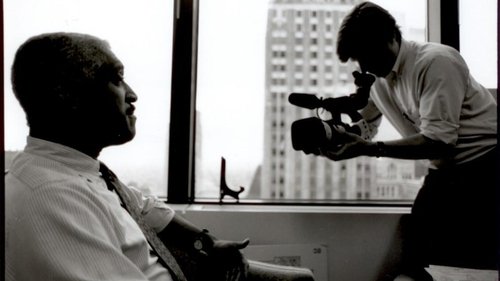
The real life story of the events surrounding the fight for and against public housing and racial integration in Yonkers, New York in the 1980s as portrayed in the HBO miniseries Show Me a Hero.
Through the personal stories of several former black female Civil Rights activists, Reflections Unheard: Black Women in Civil Rights unearths the lesser-known story of black women's political marginalization between the male-dominated Black Power movement, and the predominantly white and middle class Feminist movement during the 1960s and 70s, as well as the resulting mobilization of black and other women of color into a united Feminist movement.
Discover how African Americans fought racism and violence in the early 20th century. Study the system of white supremacy called Jim Crow, and its economic, social, and political oppression. Review significant civil rights activism and legal victories that laid the groundwork for the civil rights movement of the 1950s and 60s.

Civil rights attorney Thurgood Marshall's triumph in the 1954 Brown v. Board of Education Supreme Court decision to desegregate America's public schools completed the final leg of a journey of over 20 years laying the groundwork to end legal segregation. He won more Supreme Court cases than any lawyer in American history, making the work of civil rights pioneers like the Rev. Martin Luther King, Jr. and Rosa Parks possible.
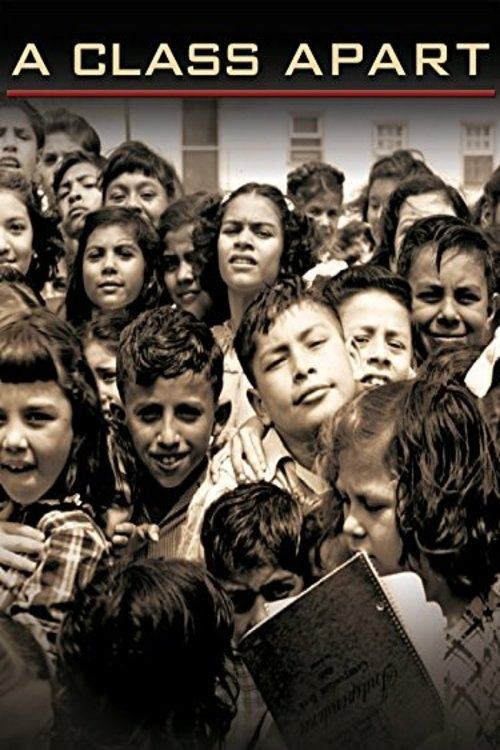
Built around the landmark 1954 legal case Hernandez v. Texas, the film interweaves the stories of its central characters with a broader story of the civil rights movement. It also brings to life the heroic post-World War II struggle of Mexican Americans fighting to dismantle the discrimination targeted against them.
Whitney Young was one of the most celebrated and controversial leaders of the civil rights era. As head of the National Urban League, he fought for the rights of thousands but was often criticized by the very people he was trying to help.
A Documentary film about the life and activism of LGBTQ Scot Kath Duncan The most important Uk Civil rights leader past 100 years but almost forgotten in time until my Highly acclaimed stage play #liberty and my biography of Kath The Last Queen Of Scotland stage play Liberty.
An examination of the heated debate and conflict between W.E.B DuBois and William Monroe Trotter with Booker T. Washington on how to best uplift the race and secure equality for their community, which led to the Niagara Movement, a short-lived movement that laid the cornerstone of the civil rights movement.
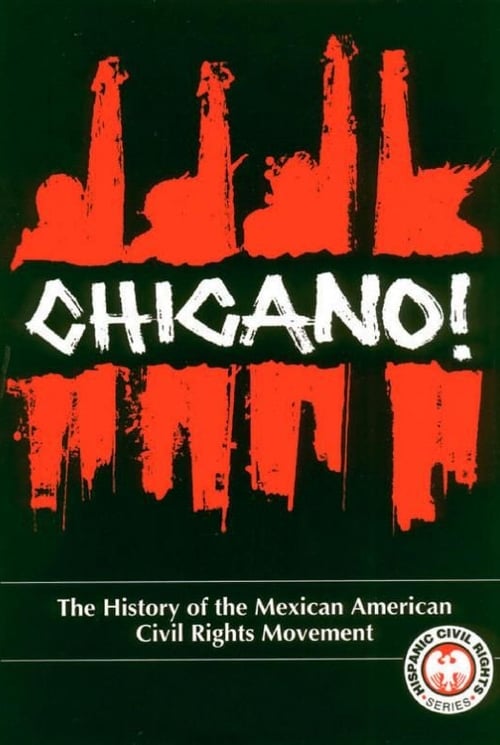
PBS doc series about the Chicano Civil Rights Movement.
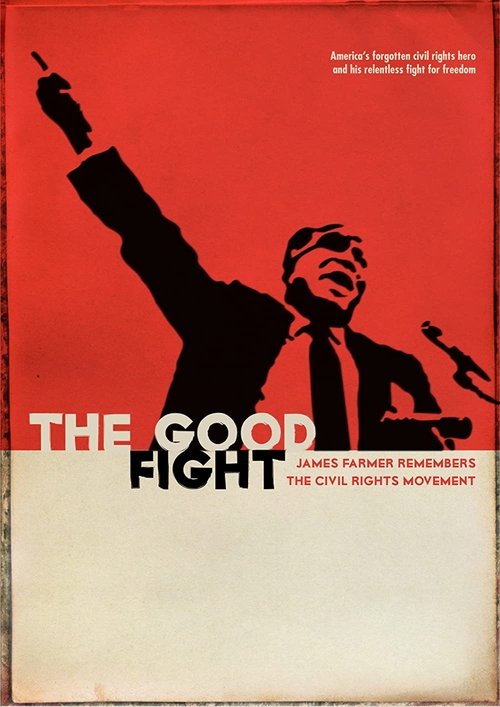
When he rolled into the Jim Crow South on a Greyhound bus - a black man sitting in the whites-only front seat - James Farmer was scared. "Courage is not being unafraid, but doing what needs to be done in spite of fear," said the founder of the Freedom Rides and pioneer of the earliest sit-ins. A relentless leader, a dynamic speaker, and a forceful organizer, Farmer was one of the first civil rights activists to use nonviolent direct action to fight for dignity and justice. Yet at what cost? His own family suffered from his frequent absences, prison stays, and threats made on his life. And, he was continually disappointed in his lack of recognition, especially after witnessing the momentous legacy of Martin Luther King, a man ten years his junior. The Good Fight chronicles Farmer's life, in his own words, from his earliest days as a "Great Debater" at Wiley College to his legacy teaching a new generation of students about the movement that shaped a country. —Laura Neitzel
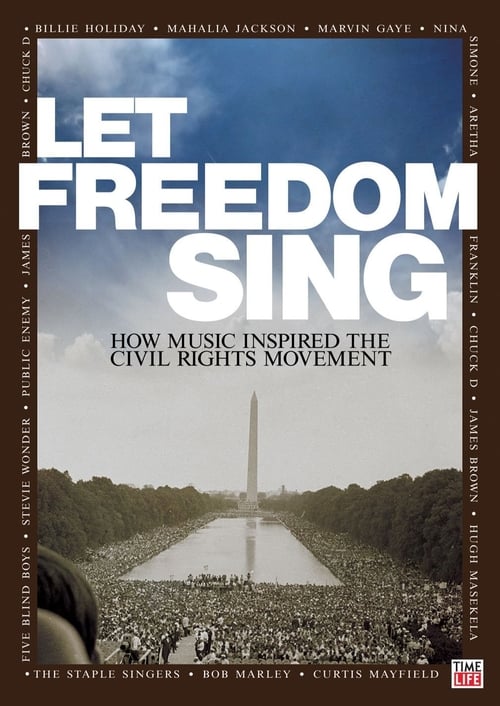
From the Civil Rights era to Watergate, the most striking moments in 20th-century American history were accompanied by music that reflected those turbulent times. Revisit the sounds of Pete Seeger and others in this musical history lesson.
A portrait of social activist and former Georgia legislator Julian Bond
Popular media is often a reflection of the events and issues that are occurring when they are being created, and comic books are no exception.

The first major uprising against police brutality, harassment, and societal oppression was not at Stonewall in 1969, but at Compton's Cafeteria in San Francisco three years earlier. Those who stood up were trans women and gay men. Now, nearly 40 years on, Susan Stryker and Victor Silverman tell the story of this oft-overlooked event in the history of American civil rights.
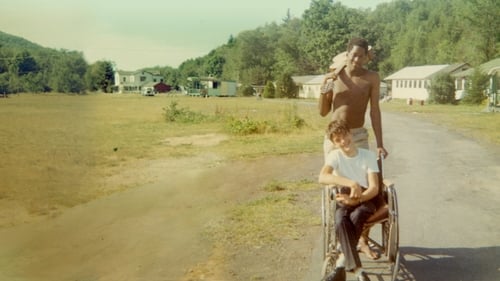
Down the road from Woodstock in the early 1970s, a revolution blossomed in a ramshackle summer camp for disabled teenagers, transforming their young lives and igniting a landmark movement.
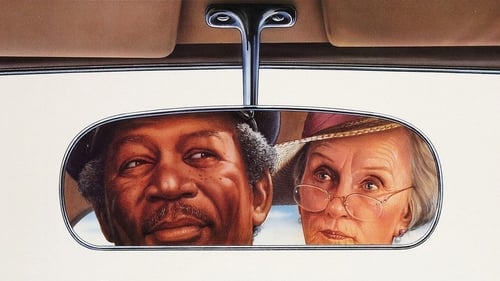
The story of an old Jewish widow named Daisy Werthan and her relationship with her black chauffeur, Hoke. From an initial mere work relationship grew in 25 years a strong friendship between the two very different characters, in a time when those types of relationships were shunned.
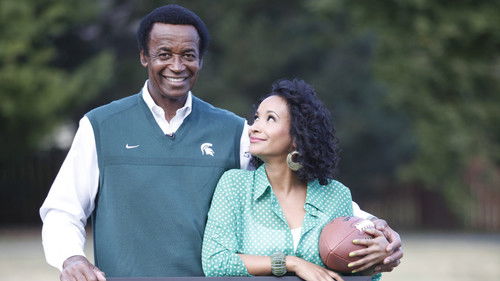
In 1963 at Michigan State University, Head Coach Duffy Daugherty chose 23 black men to play on the college team. From this move came legends Gene Washington, Bubba Smith, George Webster and Clinton Jones. Director Maya Washington, Gene Washington’s daughter, charts the legacy of her father’s career and influence, along with the impact the events of 1963 have shown in the present day.
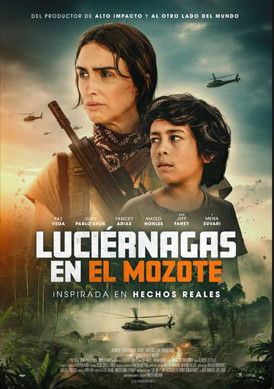
During the 1980s civil war in El Salvador, a rebel group of leftist guerrillas fight to expose its government's death squads via an underground radio network and hope to end their government's reign of terror with the help of an American journalist.
No description available for this movie.
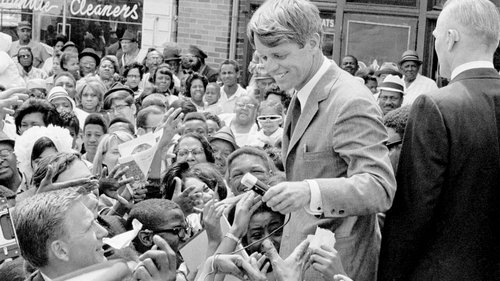
The Tet Offensive during the Vietnam War, the Civil Rights Movement, the May events in France, the assassinations of Martin Luther King and Robert F. Kennedy, the Prague Spring, the Chicago riots, the Mexico Summer Olympics, the presidential election of Richard Nixon, the Apollo 8 space mission, the hippies and the Yippies, Bullitt and the living dead. Once upon a time the year 1968.

Using government documents, archive footage and direct interviews with activists and former FBI/CIA officers, All Power to the People documents the history of race relations and the Civil Rights Movement in the United States during the 1960s and 70s. Covering the history of slavery, civil-rights activists, political assassinations and exploring the methods used to divide and destroy key figures of movements by government forces, the film then contrasts into Reagan-Era events, privacy threats from new technologies and the failure of the “War on Drugs”, forming a comprehensive view of the goals, aspirations and ultimate demise of the Civil Rights Movement…
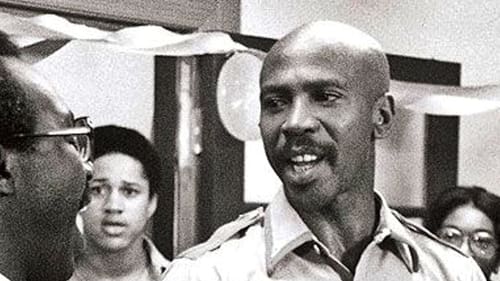
During the 1960s' civil rights movement, a black civil rights worker returns to his small Southern town and runs for sheriff against the incumbent, a popular segregationist.
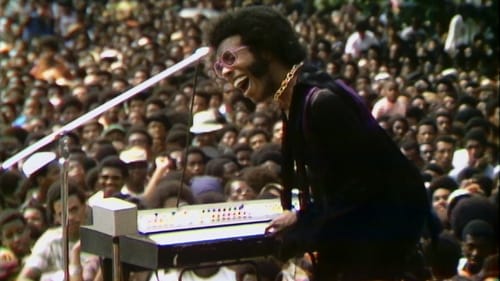
During the same summer as Woodstock, over 300,000 people attended the Harlem Cultural Festival, celebrating African American music and culture, and promoting Black pride and unity. The footage from the festival sat in a basement, unseen for over 50 years, keeping this incredible event in America's history lost — until now.

Over the course of a year, film follows Vancouver Pride Society president Ken Coolen to various international Pride events, including Poland, Hungary, Russia, Sri Lanka and others where there is great opposition to pride parades. In North America, Pride is complicated by commercialization and a sense that the festivals are turning away from their political roots toward tourism, party promotion and entertainment. Christie documents the ways larger, more mainstream Pride events have supported the global Pride movement and how human rights components are being added to more established events. In the New York sequence, leaders organize an alternative Pride parade, the Drag March, set up to protest the corporatization of New York Pride. A parade in São Paulo, the world's largest Pride festival, itself includes a completely empty float, meant to symbolize all those lost to HIV and to anti-gay violence.
In 1867, when the United States purchased the Alaska territory, the promise of the Constitution and the Bill of Rights didn't apply to Alaska Natives. Their struggle to win justice is one of the great, untold chapters of the American civil rights movement, culminating at the violent peak of World War II with the passage of one of the nation's first equal rights laws.

An examination of the Black Power movement in the late 1960s in the UK, surveying both the individuals and the cultural forces that defined the era. At the heart of the documentary is a series of astonishing interviews with past activists, many of whom are speaking for the first time about what it was really like to be involved in the British Black Power movement, bringing to life one of the key cultural revolutions in the history of the nation.
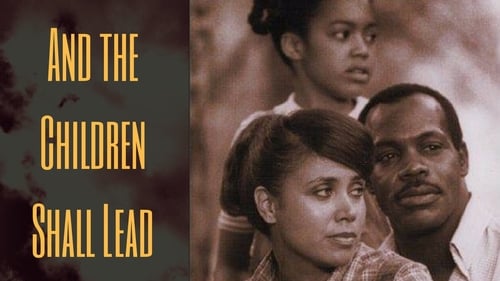
Mississippi in the early '60s is the setting for this story of a 12-year-old African-American girl who, along with her white friends, tries to ease increasing racial tensions.
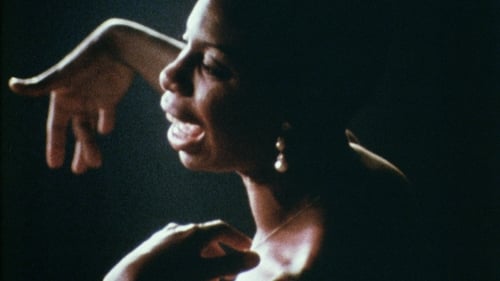
The film chronicles Nina Simone's journey from child piano prodigy to iconic musician and passionate activist, told in her own words.
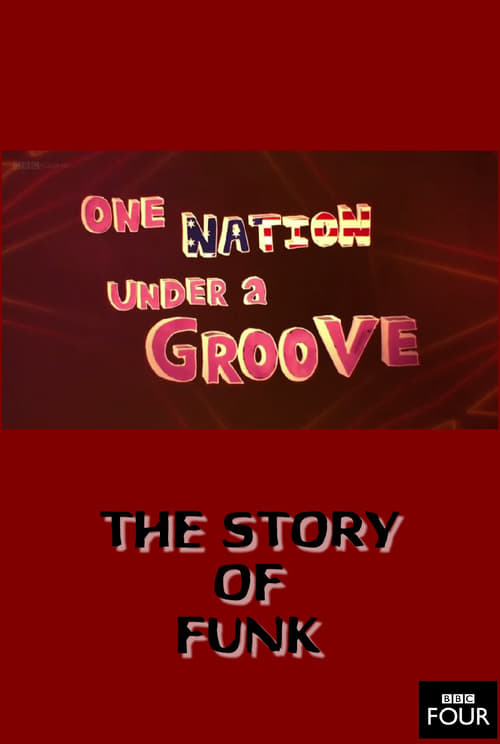
A documentary on funk and P-funk and the bands and artists that made it all happen: James Brown, Sly Stone, George Clinton, Bootsy Collins, Maurice White and his Earth Wind & Fire, Average White Band, Kool & The Gang and lots more. It tells the story of black American music and how it evolved from funk to more main stream to disco to hiphop to contemporary R 'n B and its impact on society. Music and live footage from the bands, interviews with artists and band members of Kool & The Gang, Earth Wind & Fire, George Clinton and lots more.
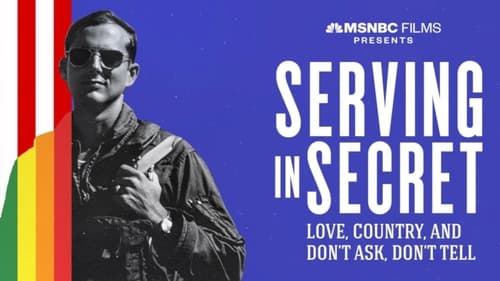
Tracing the U.S. military's long history of discrimination against the gay community and one couple's personal journey for acceptance.
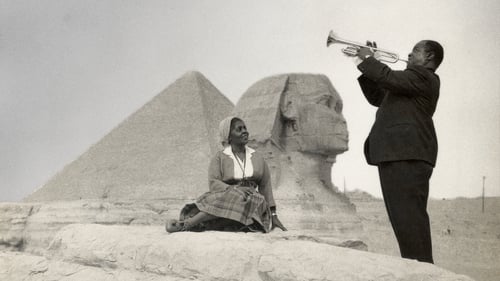
The Cold War and Civil Rights collide in this remarkable story of music, diplomacy and race. Beginning in 1955, when America asked its greatest jazz artists to travel the world as cultural ambassadors, Louis Armstrong, Dizzy Gillespie, Duke Ellington and their mixed-race band members, faced a painful dilemma: how could they represent a country that still practiced Jim Crow segregation?

A little girl leaves home with her pet dog and rabbit to escape abuse and find the ocean in the hopes of feeling closer to her father who has passed away.
No description available for this movie.