
Action
Adventure
Animation
Comedy
Crime
Documentary
Drama
Family
Fantasy
History
Horror
Music
Mystery
Romance
Science Fiction
Thriller
War
Western
Found 12 movies, 0 TV shows, and 0 people
Can't find what you're looking for?

A father and son are working in a coal mine. An explosion occurs, which kills the son.

The Pasha mocks the farmers and workers of his estate, who suffer from his greed and are incited against him by Amin, who lives in the coal-burning district. Later, Amin's father is killed by unknown persons. At the same time, Loza, Amin's fiancée, is looking forward to getting rich; therefore, she surrenders to the Pasha, who refuses to marry her and delays giving her any part of his property. The Pasha fabricates a charge of possessing counterfeit currency against Amin, who flees and discovers that the Pasha is behind his father's murder and the charge attributed to him. He is also surprised by Loza's relationship with the Pasha, so he decides to take revenge.
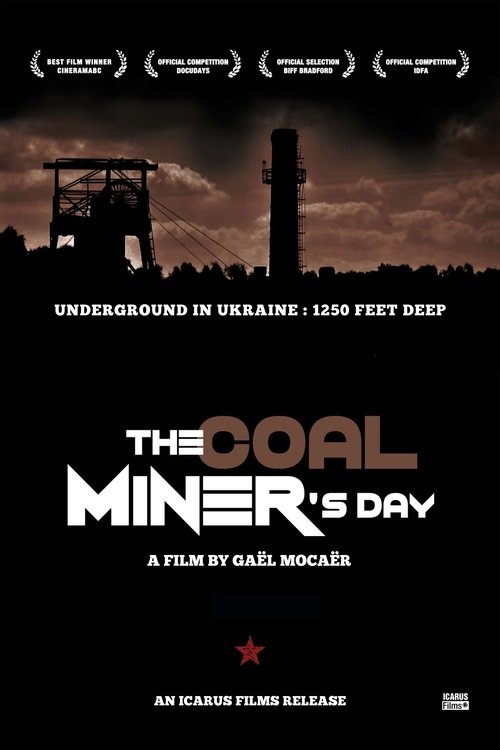
Every day hundreds of men risk life and limb going down into the Buzhanska mine in the Ukraine to mine coal with rusty old tools from the Soviet era.

The story is about a family that lives in a ghost town. 15 years ago, there was a job and a happy life here. After the closure of the mine, there were only old barracks, mountains of recycled land and unnecessary people who had lost the meaning of life. Is it possible to survive in such conditions and not sink even lower, when all moral boundaries are erased? Are these people's hopes for happiness destroyed? And is there a place for a holiday, a dream, or love in a hopeless reality? At the festival "Texture" in Perm, the tape was awarded the main prize.
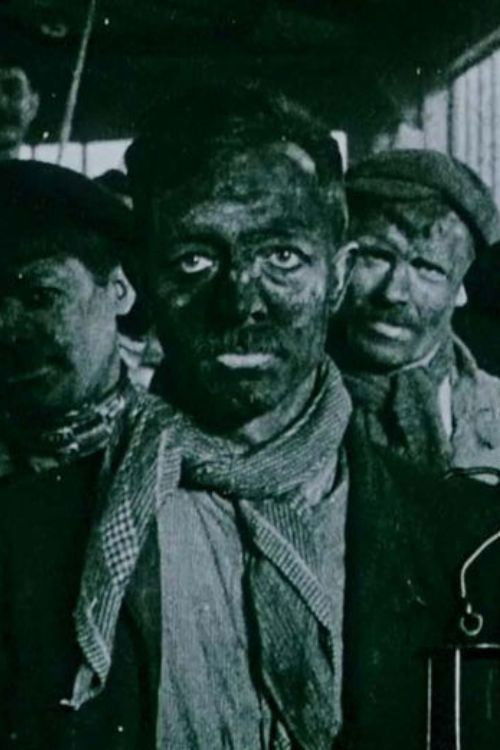
In 1917, Filmfabriek Hollandia was commissioned to make a film about the state mines in Limburg. The film was directed by Jules Stoop, who shot footage of the Heerlen mines ‘Emma’, ‘Wilhelmina’, and ‘Hendrik’. In the first part of the film, Stoop shows the underground mining activity: the descent by lift, the mining and removal of coal, and a horse stable located more than 200 metres underground, where we see a blacksmith at work. The second part contains images of the marshalling railway yards, the briquette works, and the above-ground offices.
Situated in the hills leading down to the coast, Ruifang used to pride itself on its coal mining industry. Every morning, miners from surrounding neighbourhoods gathered here to put on their gears and got into the minecarts, heading underground into pitch darkness. They worked non-stop in challenging conditions of high stress and high temperature, providing Taiwan with an indispensable source of energy. This documentary celebrates the miners’ contribution, but also stirred up controversy due to its inaccurate report of their wages.
Documentary about the Staatsmijnen (state mines) in Limburg, Netherlands.
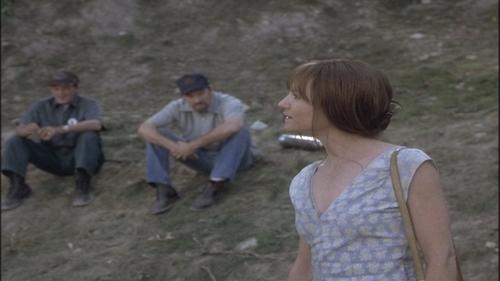
A Kentucky woman whose mine-worker husband is nearly killed in a cave-in, and whose father is slowly dying of black lung disease, joins the picket lines for a long, violent strike.
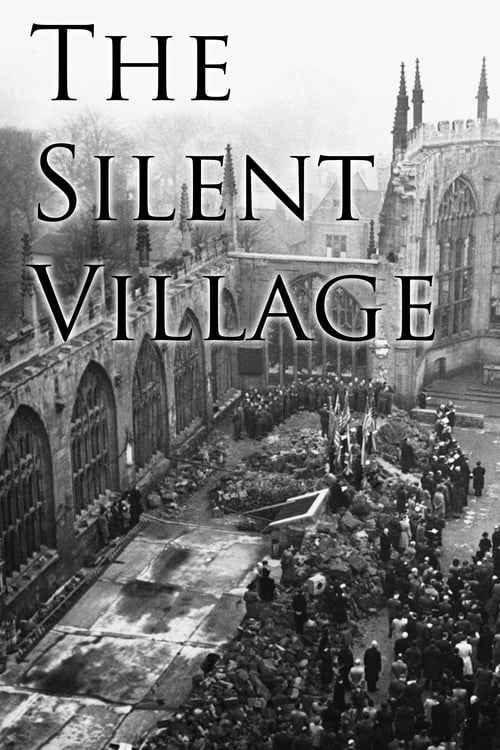
The true story of the massacre of a small Czech village by the Nazis is retold as if it happened in Wales.
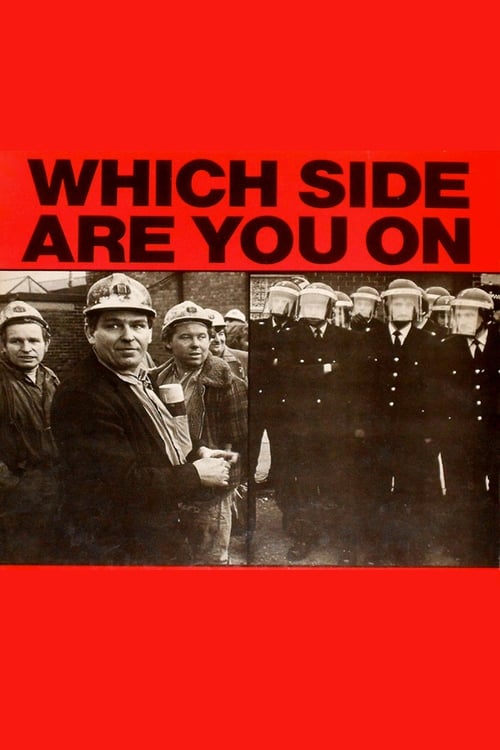
The documentary features the British miners and their family experiences told through songs, poems, pictures and words.
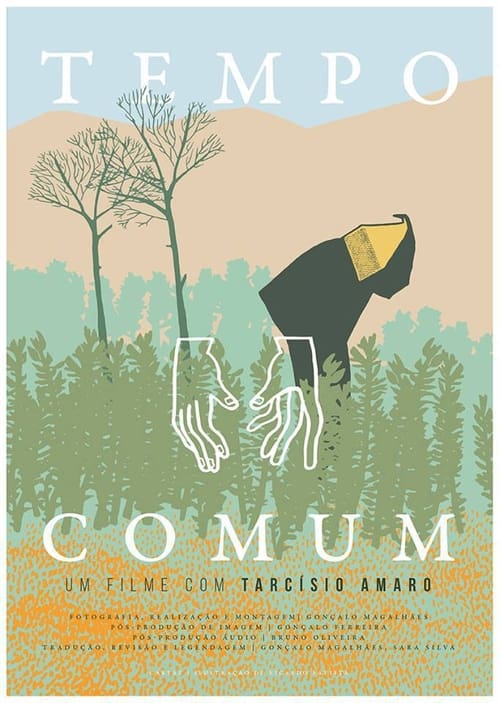
The film follows Tarcísio Amaro, a retired miner living in the vicinity of Serra da Estrela, interweaving thoughts on the past and the present, and looking at the decline of rural life in the deserted Portuguese hinterland.
Nimrod Workman won a National Heritage Award for his original songs, but in the film that shares his name, he often breaks into impromptu performances of traditional ballads, dances, and delivers monologues that are just as superlative. Born in 1895, Workman provided for a family of thirteen by working in the coal mines of West Virginia, and he reminisces about his experience with union organizing in the 1920s and 30s with anecdotes that match many of the experiences of miners of later years, too. To Fit My Own Category is an extended visit at his home as Workman and his family prepare meals, build an addition to the house, dig for yellow root, swap jokes with the neighbors, and enjoy each other’s company.