
Action
Adventure
Animation
Comedy
Crime
Documentary
Drama
Family
Fantasy
History
Horror
Music
Mystery
Romance
Science Fiction
Thriller
War
Western
Found 22 movies, 1 TV show, and 1 person
Can't find what you're looking for?
Slovenian conductor Martina Batič and the Radio France Choir offers an eclectic programme combining Wagner, Debussy, Fauré and Poulenc. The choir is accompanied by eight cellists from the Orchestre Philharmonique de Radio de France.
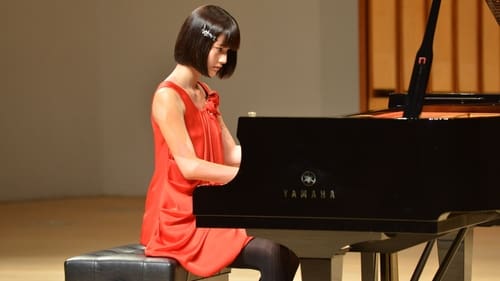
16-year-old Haruka lost the people she loved the most in a fire. Haruka is also physically and emotionally wounded from the fire, but she still dreams of becoming a pianist. She takes part in an upcoming competition. Inauspicious incidents then occur around her. Musical student Yosuke, who teaches piano to Haruka, tries to solve the case.
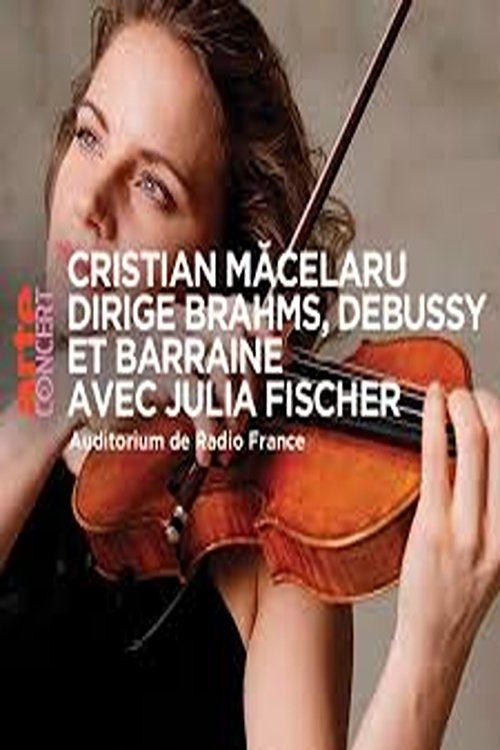
Julia Fischer sublimates Brahms's Violin Concerto alongside the Orchestre National de France, conducted by Cristian Măcelaru. An eclectic programme that also highlights works by Elsa Barraine and Claude Debussy.

Yosuke Misaki used to be a promising prosecutor, but he suddenly quit his job. He begins a new career as a pianist. He knocks on the door of wealthy man Kentaro Katsuki who lives in a peaceful area of Kamakura, Kanagawa Prefecture. Kentaro Katsuki lives with his housekeeper Michiko Tsuzuruki (Midoriko Kimura). Kentaro allows Yosuke Misaki to stay at his home. Near Kentaro Katsuki's home, lives the Sanada family. At their home, Haruka aspires to become a pianist. One day, a fatal fire breaks out at the Sanada's house. Later, Yosuke helps Haruka to play the piano again.
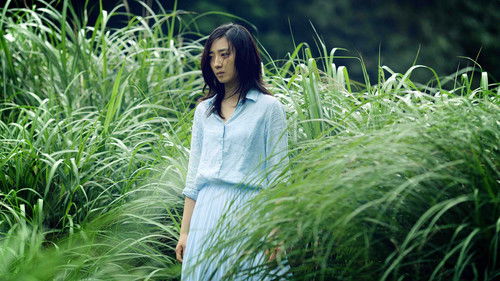
Deep in the barren mountains, a mother and a daughter live an isolated quiet life. The Daughter looks lean and fragile. She seems unreactive toward her surroundings, confining herself in her own wretched world. The Mother is like a guardian angel who always protects her and takes care of everything. Before living in seclusion, The Daughter was a pianist who lost her husband and son. The Mother decided to take her away and hid her in the mountains where no one could ever find them, believing it is the only possible way for her daughter to survive, Nevertheless, they have to face nothing but themselves ever since, as well as to confront the endless forest…
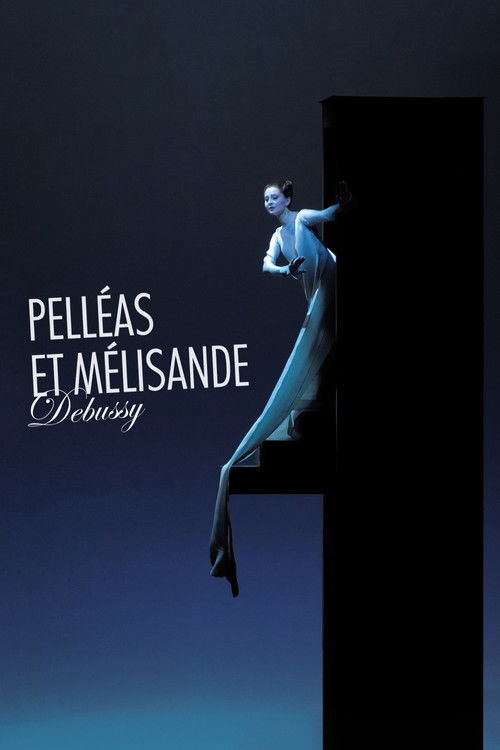
Debussy's masterpiece, for the first time conducted by the Paris Opera's music director Philippe Jordan, in the fairy staging by Robert Wilson. When Prince Golaud, grandson of King of Allemonde, meets the beautiful Mélisande, he knows nothing about her. Though, he marries her. A few months later, Golaud announces his wedding to his brother Pelléas, who seems to be falling in love with the woman.
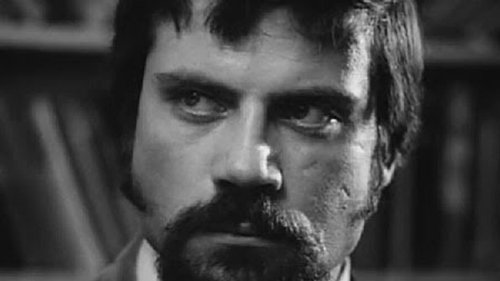
An actor is playing Claude Debussy in a film about the composer's life, and finds himself identifying with his subject very closely.
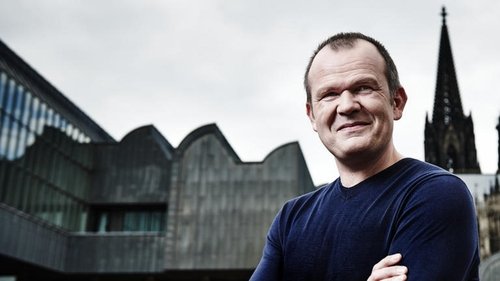
The evocative music of Claude Debussy has been described as the foundation of modern music. But how did the composer come to develop his unique style? On this video, maestro Francois-Xavier Roth and the London Symphony Orchestra present the UK premiere of a previously lost work by the young Debussy, alongside some of his earliest inspirations. Debussy's newly discovered Premiére Suite gives a rare insight into the mind of a young composer on the cusp of innovation. It's a work filled with Romantic and Eastern influences and glimpses of the unexpected harmonies that came to define Debussy's work. Paired alongside the composer's role models - from Wagner's powerful intertwining motifs, the abundant Spanish influences in Lalo's rarely-heard Cello Concerto performed here by Edgar Moreau, and Massenet's majestic Le Cid - Francois-Xavier Roth gives a fresh perspective on the much-loved composer.

The historic Toscanini television concerts with the NBC Symphony Orchestra. Broadcast #8 was of a concert on March 15, 1952, at Carnegie Hall, featuring Sibelius's En Saga, two of Debussy's Nocturnes, and Franck's Redemption. (Concerts #8 and #9 were released on "Vol. 5" in the DVD series.)
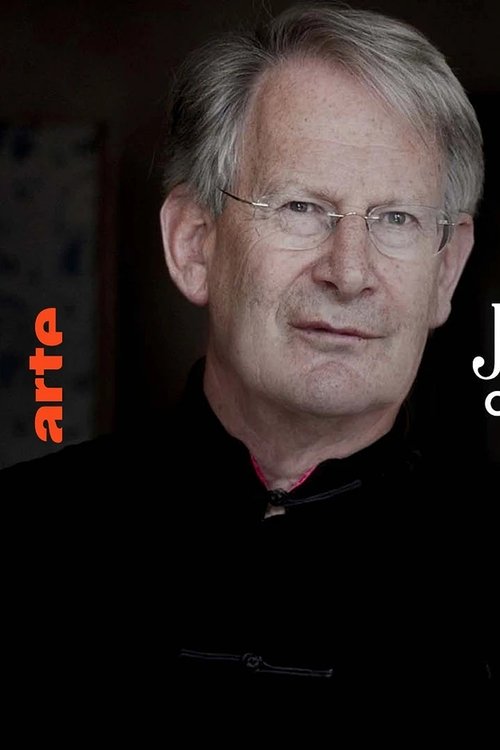
The Orchestre Philharmonique de Radio France performs a programme of French and Russian works with celebrated British conductor John Eliot Gardiner and acclaimed German violinist Isabelle Faust. Programme: Emmanuel Chabrier - Suite pastorale Igor Stravinsky – Violin Concerto in D Emmanuel Chabrier - España Claude Debussy – Images

No description available for this movie.
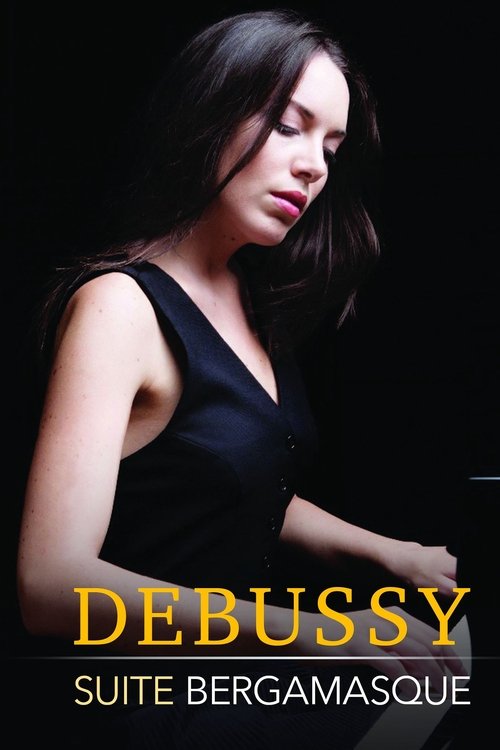
Gloria Campaner performs Claude Debussy's Suite Bergamasque.
No description available for this movie.
This DVD pays tribute to a representative of the famous conductor personalities of the last century: Eugene Ormandy (1899-1985), who was both energetic and graceful on the podium, was known for his infallible ear and prodigious memory. He became famous for his relationship with the Philadelphia Orchestra, which he served as Musical Director from 1936 until 1980. Under his direction, the orchestra developed its legendary warm, textured, romantic “Philadelphia” or “Ormandy” Sound. Claude Debussy (1862–1918) and Gustav Holst (1874–1934) belonged to a generation of composers that influenced the musical output of the early champions of modernism.

Menahem Pressler, Paavo Jarvi, Orchestre de Paris plays Mozart and Debussy (2014)
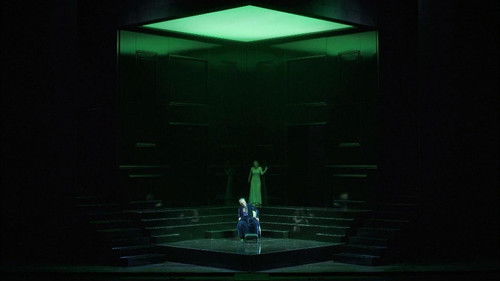
Drama lyrique in five acts, after the play by Maruice Maeterlink
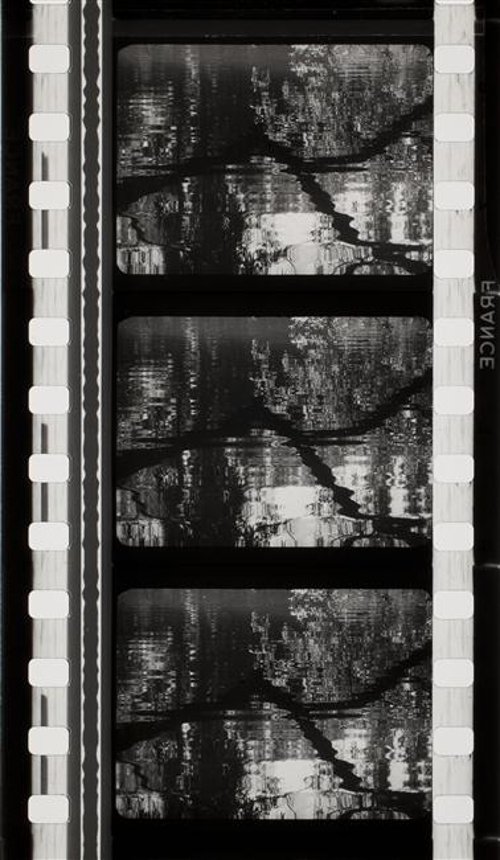
This film illustrates Debussy's works "En bateau", "Arabesques", "Reflets dans l'eau" and "Arabesques en sol". As a visual counterpoint to the music it shows playful reflections, transparencies, and iridescence of water.

Works include Debussy’s multifaceted La Mer, and his lascivious, dream-like Prélude à l’après-midi d’un faune, and Ravel’s Suite No. 2 from Daphnis et Chloé, a work which combines shimmering transience with uncompromising energy from 1985.
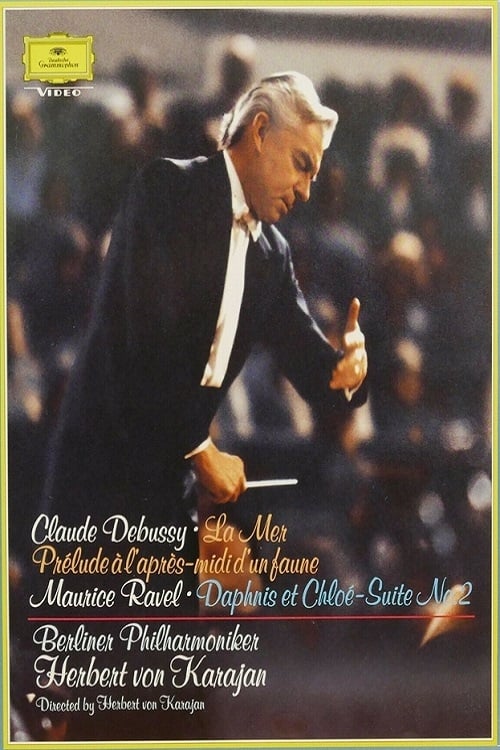
Herbert von Karajan was a master of the fine blending of acoustic colours. This quality is shown to its best advantage in this programme of masterpieces of French Impressionism. Works include Debussy’s multifaceted La Mer, and his lascivious, dream-like Prélude à l’après-midi d’un faune, and Ravel’s Suite No. 2 from Daphnis et Chloé, a work which combines shimmering transience with uncompromising energy.
No description available for this movie.
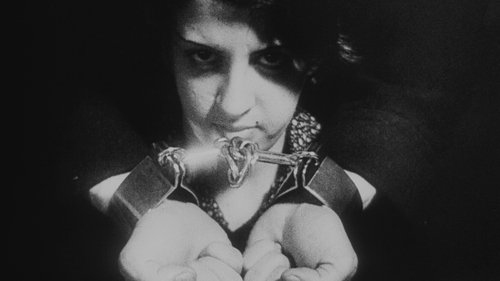
Adrift in the vast expanse of the ocean, a solitary boat carries three castaways—a man and two women. Stranded and devoid of any glimmer of rescue, they find solace in recounting the tales of their lives to one another. As they delve into their personal narratives, reminiscing about the circumstances that led them to this desolate predicament, they navigate through the depths of three distinct destinies. Bound by the confines of their shared space, every aspect of their existence becomes a boundary, underscoring their plight.

The film is a parody of Disney's Fantasia, though possibly more of a challenge to Fantasia than parody status would imply. In the context of this film, "Allegro non Troppo" means Not So Fast!, an interjection meaning "slow down" or "think before you act" and refers to the film's pessimistic view of Western progress (as opposed to the optimism of Disney's original).