
Action
Adventure
Animation
Comedy
Crime
Documentary
Drama
Family
Fantasy
History
Horror
Music
Mystery
Romance
Science Fiction
Thriller
War
Western
Found 40 movies, 23 TV shows, and 0 people
Can't find what you're looking for?

Even with all the brutality in the Brazilian dictatorial period, many artists presented themselves as a resistance, using their talent and creativity as a way to trick the censorship.
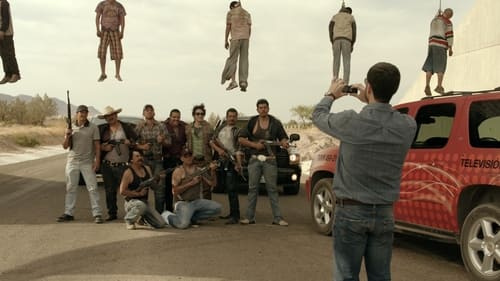
TV MX, the most powerful Mexican Television Corporation, discloses a scandalous story involving Governor Carmelo Vargas in serious crimes and illicit business. Governor Vargas worried about his political future, decides to clean his image and negotiates a billionaire secret agreement with the owners of the TV Corporation. Carlos Rojo, an ambitious young news producer, and Ricardo Diaz, TV network star reporter, are responsible for making a dirty campaign to change the image the public has of the corrupt Governor and make him, at any cost, a political star and a great presidential candidate. Mexican Television believes that democracy is a farce and has already placed one President... Will they do it again?
Television production of the play "Dictatorship" by Ukrainian playwright Ivan Mykytenko, who was repressive in the 1930s. The theme of the film was the tragic fate of the people deceived by the government - a peasant who was robbed to the last grain and his strength was destroyed.
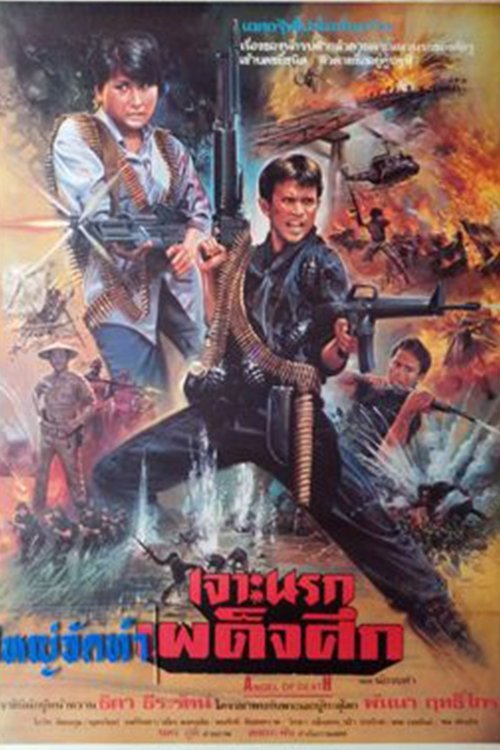
A mercenary unit led by Commander Suraphon (Panna Rittikrai) has to go out into battle again. Shortly after being discharged, Mayom (Tida Thirarat) and her older brother Making come to help the military. and all sacrificing their lives for the nation.
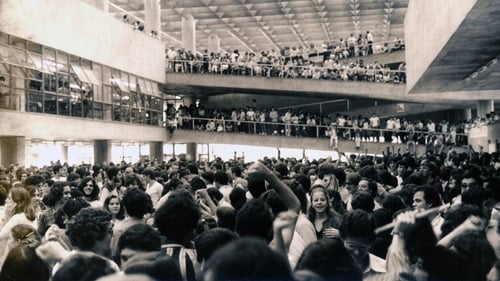
In the 1970s, they were championing the fight against Brazil’s military dictatorship. Forty years later, what’s left of Libelu? What does adult life have in store for you after the revolutionary youth?
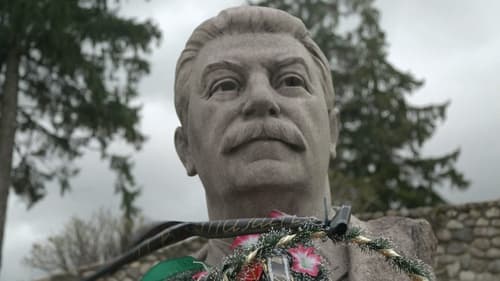
It’s the last dictatorship of Europe, caught in a Soviet time-warp, where the secret police is still called the KGB and the president rules by fear. Disappearances, political assassinations, waves of repression and mass arrests are all regular occurances. But while half of Belarus moves closer to Russia, the other half is trying to resist…

In Portugal, during the night of April 24-25, 1974, a peaceful uprising put an end to the last government of the Estado Novo, the authoritarian regime established in 1933 by dictator António de Oliveira Salazar (1889-1970), paving the way for full democracy: a chronicle of the Carnation Revolution.
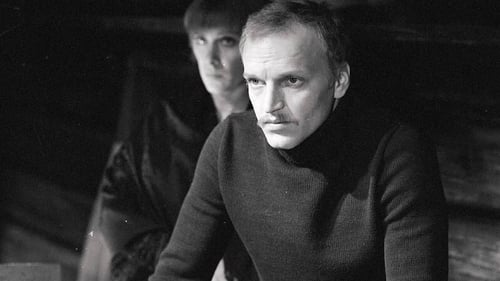
In 1921, the Cheka became aware that gold and jewelry were stolen from the treasury of Gokhran, and that a special organization was involved in transporting the stolen to Estonia. Scout Maksim Isayev is sent to this country. He establishes that the cipher of the Soviet embassy Olenetskaya works for the German resident Nolmar, with whom employees of Gokhran Kozlovskaya and an appraiser Yakov Shelekhes are associated. As a result of the provocation, Isayev was arrested. In the prison cell, he finds himself together with the famous Russian writer Nikandrov, who could not find himself in post-revolutionary Russia and went abroad. Released soon by the efforts of his comrades, Isayev continues the struggle for the fate of Nikandrov — for his return to his homeland.
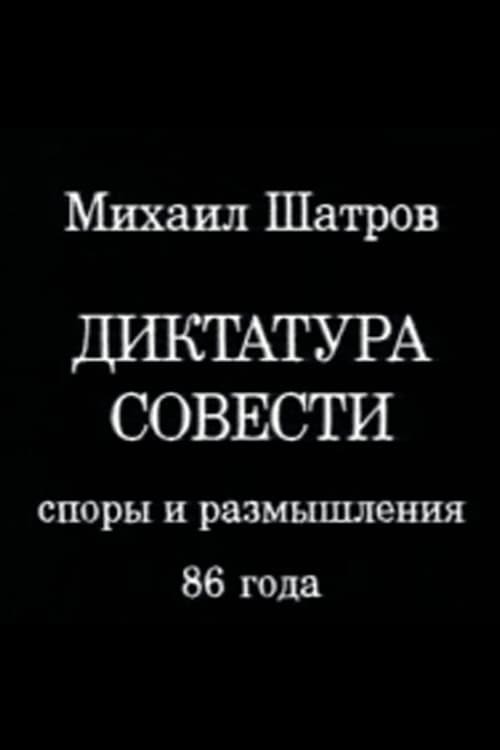
Performance of the Lenkom Theater based on the play by M. Shatrov.
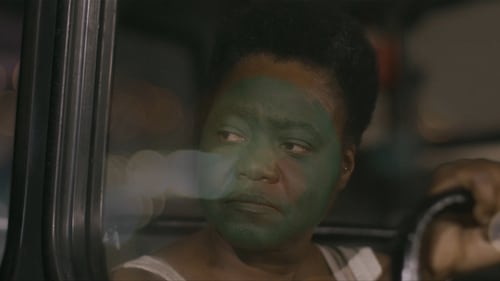
Yeda, the green-faced woman, sells homemade bread to support the house where she lives with her sick husband. Through the context of green-faced people, we know the reality of those who live on the fringes of a purple-faced society.

A hundred letters written by Portuguese women during the Salazar dictatorship were found by chance in a second-hand bookshop. By confronting today the women who wrote these letters with the ghosts of the past, and revealing important archive material, Letters to a Dictatorship takes us on an in-depth journey through the obscurantism that dominated Portugal for more than 50 years.
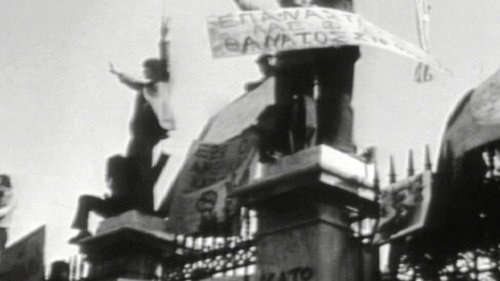
The Chronicle of Greek Dictatorship 1967-1974, is a 37 minute documentary, unpublished for decades, that records important events, from the funeral of Georgios Papandreou and Giorgos Seferis to the trials of Alekos Panagoulis and other fighters against the regime. Voulgaris began shooting on his own with a super-8 camera, copies of which he later sent in Paris to Costas Gavras and Chris Marker. The latter decided to help Voulgaris, sending him a new 16mm camera and reels thus he was able to continue the shooting.

No description available for this movie.

A portrait of the ruthless dictator Nicolás Maduro, who has ruled Venezuela with an iron fist for more than a decade, despite domestic opposition, international pressure and economic sanctions.

Documentary that investigates on the effects that civic military man produced the last dictatorship in the past loving and present, allowed and prohibited relations.

Several decades after the collapse of the communist system, nostalgia for the former regime has reached unimaginable proportions in almost all former communist European countries. The documentary Nostalgia for Dictatorship does not limit itself to presenting this genuine syndrome of "longing for dictatorship", but, in parallel with the opinions and motivations of ordinary citizens living in the former communist space, it advances explanations by researchers from various fields, sociologists, psychologists, political scientists, ethologists, etc., regarding the intimate motivations of such a paradoxical feeling.
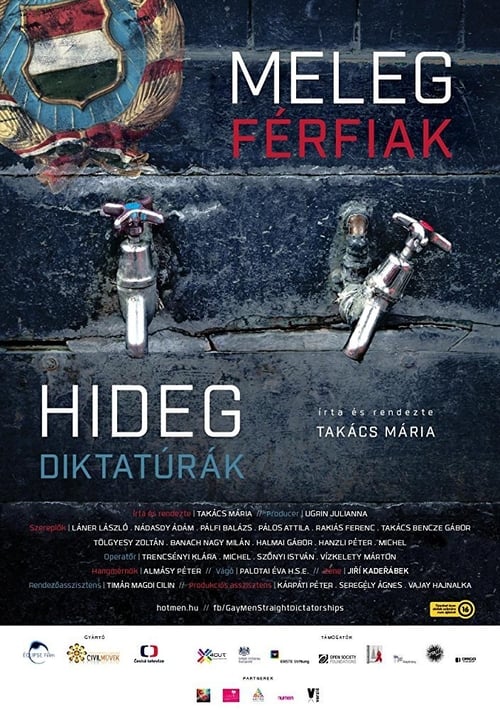
Four young gay guys investigate how Hungarian society and the state have been treating gays and how gays' personal experiences of social and political oppression have changed since Communism until today.

Did Volkswagen spy on its own employees and subject opposition members to torture during the dictatorship in Brazil? The report investigates the allegations.
Almost 40 years after the end of the Military Dictatorship, Brazil is thinking about how to remember its dictators.
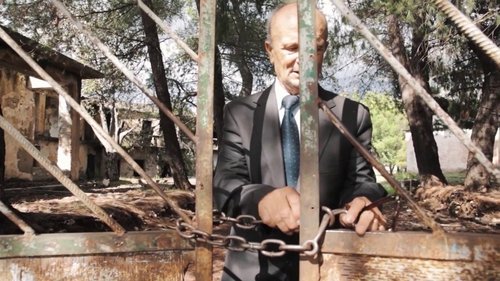
"Children of the Dictatorship" documentary is produced by the Institute for Democracy, Media & Culture and directed by Besnik Bisha. It centers on four characters of various ages that were born and passed their childhood in prisons or internment camps: Simon Mirakaj, Alma Liço, Ritvana Mena dhe Lurian Mena. They belong to different generations and bring to the Albanian and foreign audience an autobiographical approach to the system. This documentary, done in cooperation with the Directing branch of the University of Arts, aims to raise awareness about the consequences of the Communist past where even newborns were often punished according to the law of the time as "enemies of the people".

Documentary drama about the revolutionary Olga Benario
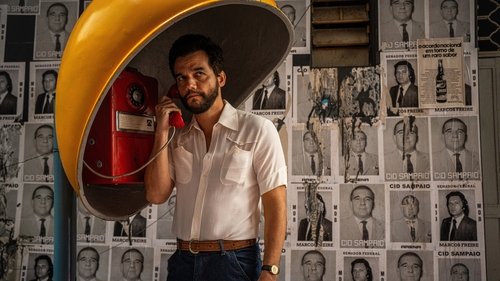
In Brazil in 1977, Marcelo, a technology specialist fleeing a mysterious past, returns to Recife in search of peace, but realizes the city is far from the refuge he seeks.
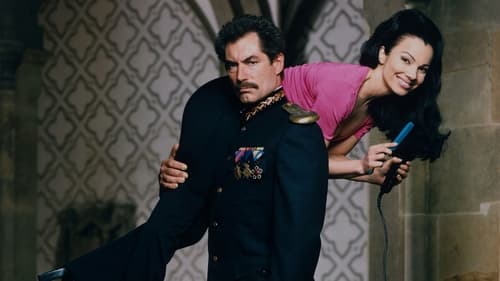
A New York City beautician is mistakenly hired as the school teacher for the children of the president of a small Eastern European country.
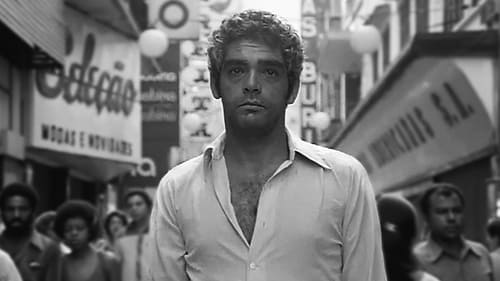
Filled with raunchy laughs, this documentary compiles outrageous scenes from sex-comedies that shaped Brazil's "pornochanchada" boom of the 1970s.

Emperor Philippa Georgiou joins a secret division of Starfleet tasked with protecting the United Federation of Planets and faces the sins of her past.
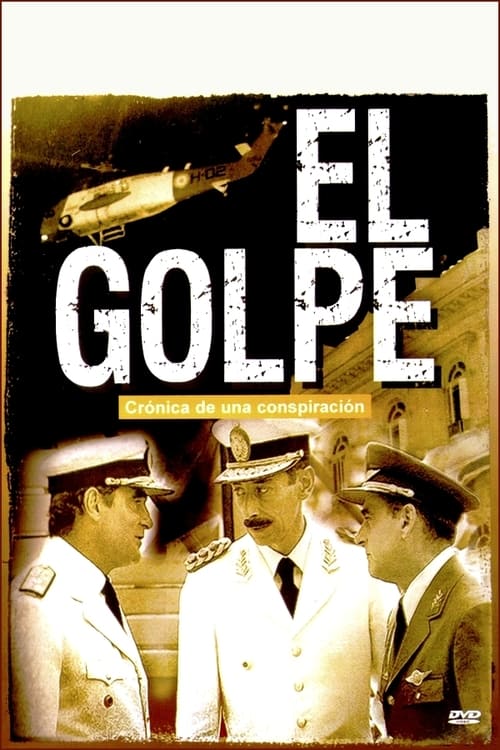
Argentina, 1973. The return of democracy marks the beginning of a new countdown to the next coup d'état: on March 24, 1976, the worst dictatorship in Argentine history is installed, the bitter fruit of a plot carefully hatched for months.

Buenos Aires, Argentina, 1983. In the last and turbulent days of the military dictatorship, Alicia, a high school history teacher, begins to ask uncomfortable questions about the dark origins of Gaby, her adopted daughter.

“Rio 2096 – A Story of Love and Fury” is an animated film that portrays the love between an immortal hero and Janaína, the woman he has been in love with for 600 years. As a backdrop to the romance, the feature highlights four phases of Brazilian history: colonization, slavery, the Military Regime and the future, in 2096, when there will be a war for water.
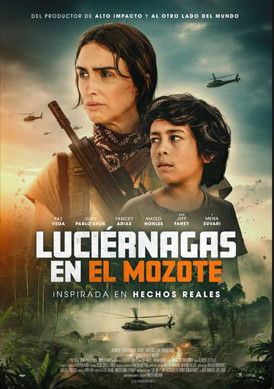
During the 1980s civil war in El Salvador, a rebel group of leftist guerrillas fight to expose its government's death squads via an underground radio network and hope to end their government's reign of terror with the help of an American journalist.
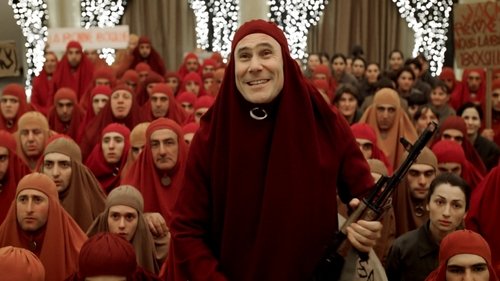
In a country where women are in charge, a man goes to unusual lengths to make his dream of marrying the daughter of a military leader come true.

Irene is a magazine editor living under the shadow of the Pinochet dictatorship in Chile. Francisco is a handsome photographer and he comes to Irene for a job. As a sympathizer with the underground resistance movement, Francisco opens her eyes and her heart to the atrocities being committed by the state.
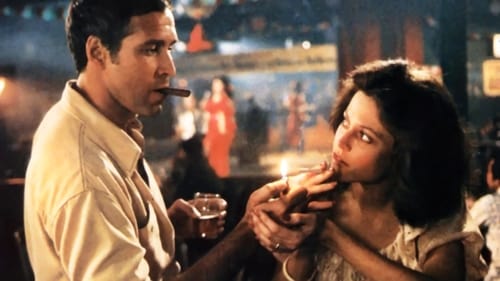
Arms dealers from several companies vie to sell the most expensive and highest tech weapons to a South American dictator. There are complications; understanding the exact nature of how 'gifts' are used to grease the wheels of a sale, a religious conversion from one of the salesman and a romance that begins to grow between two competitors.
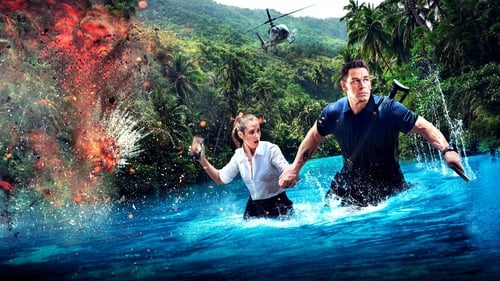
An ex-special forces operative takes a job to provide security for a journalist as she interviews a dictator, but a military coup breaks out in the middle of the interview, they are forced to escape into the jungle where they must survive.
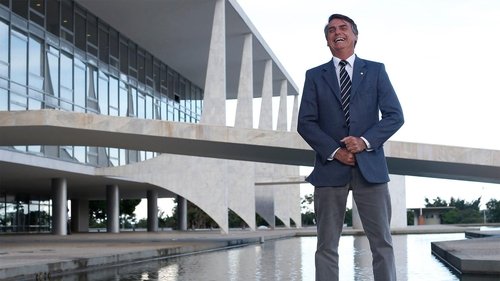
This documentary tells of the extraordinary rise of Jair Bolsonaro, from relative obscurity to the ultimate seat of South American power. Told through intimate interviews with some of those closest to him including his eldest son Flávio, former government ministers, as well as his opponents, explore Bolsonaro’s brilliant yet ruthless journey to the presidency, with high-stakes drama, guns and God.
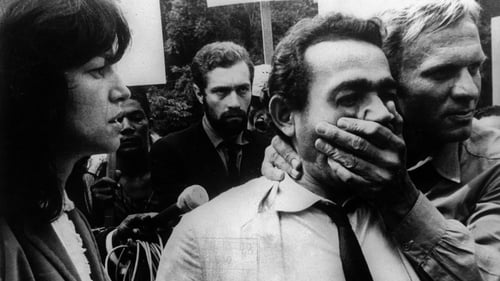
Eldorado, a fictitious country in America, is sparkling with the internal struggle for political power. In the eye of this social convulsion, the jaded journalist Paulo Martins opposes two equally corrupt political candidates: a pseudopopulist and a conservative. In this context, Paulo is torn between the madness of the elite and the blind submission of the masses. But, in this complex tropical reality, nothing really is what it seems to be.
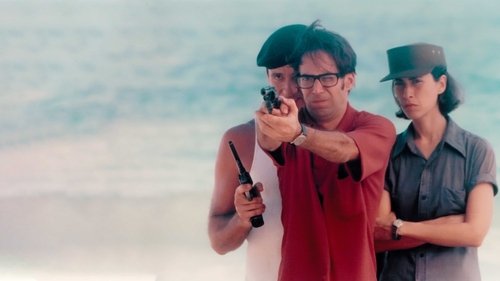
Fernando, a journalist, and his friend César join terrorist group MR8 in order to fight Brazilian dictatorial regime during the late sixties. César, however, is wounded and captured during a bank hold up. Fernando then decides to kidnap the American ambassador in Brazil and ask for the release of fifteen political prisoners in exchange for his life.

Amid the civil-military dictatorship implanted with the 1964 coup, Sergio Muniz had the idea of making a documentary about the action of the Death Squad. At the time, the press still had some freedom to disseminate the work of these death squads formed by police officers of various ranks, and that he acted on the outskirts of cities like Sao Paulo and Rio de Janeiro. The victims of police repression (as today) were men, poor and black, and this condition is supposed criminals.
No description available for this movie.
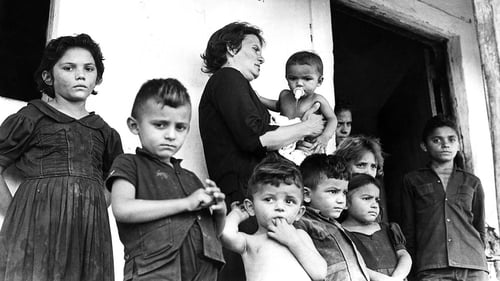
Eduardo Coutinho was filming a movie with the same name in the Northeast of Brazil, in 1964, when there came the military coup. He had to interrupt the project, and came back to it in 1981, looking for the same places and people, showing what had ocurred since then, and trying to gather a family whose patriarch, a political leader fighting for rights of country people, had been murdered.

A woman married to a former politician during the 1971 military dictatorship in Brazil is forced to reinvent herself and chart a new course for her family after a violent and arbitrary act.