
Action
Adventure
Animation
Comedy
Crime
Documentary
Drama
Family
Fantasy
History
Horror
Music
Mystery
Romance
Science Fiction
Thriller
War
Western
Found 30 movies, 2 TV shows, and 3 people
Can't find what you're looking for?
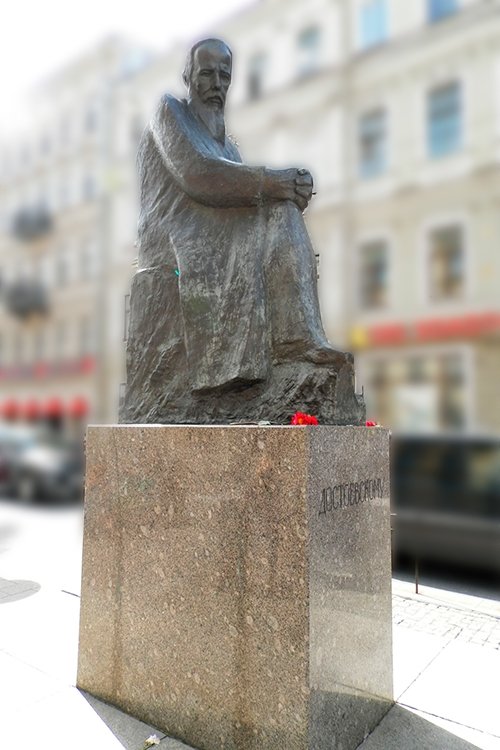
Petersburg Diary - Opening of the monument to Dostoevsky
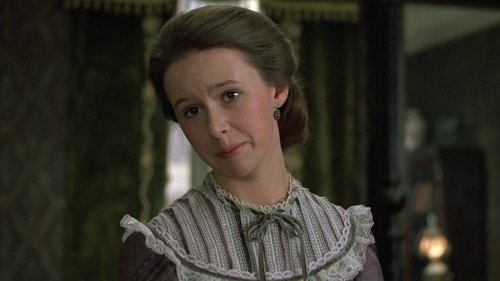
Twenty-Six Days in the Life of Dostoyevsky was entered on February 16th at the 1981 Berlin Film Festival to commemorate the 100th anniversary of Dostoyevsky's death on February 9th, 1881, and won a "Best Actor" award for Anatoly Solonitsyn as Dostoyevsky. Solonitsyn was a favorite actor in Andrei Tarkovsky's films, and this was to be his penultimate role. This brief imaginary period in the famed Russian writer's life encapsulates one of his darker moments in 1866. At that time he was still a relatively unknown writer whose first widely acclaimed work, Crime and Punishment, was just on the horizon. His life was at a very low ebb as he struggled with debts he could not pay, and as he fought depression over the loss of his wife to tuberculosis, and the death of his brother, who was very close to him. His first literary journal had to be scrapped because of political reasons, and the second venture needed funding.
The film is based on excerpts from the works of the great Russian thinker Fyodor Mikhailovich Dostoevsky. The consultants are Doctor of Philology B.I.Bursov, Honored Worker of Culture of the RSFSR V.M.Glinka.
The idea of the film is a narrative about Dostoevsky through the fate of the women who surrounded him. The story will focus on the seven years of Dostoevsky's life after hard labor. The film is based on the writer's correspondence with his brother and with his second wife Anna Grigoryevna Snitkina, as well as scientific monographs.

Short Film
The film tells about the Siberian penal servitude of Fyodor Dostoyevsky. The story of the difficult transformation of a young romantic into a great Russian writer. The film is dedicated to the 200th anniversary of the birth of Fyodor Dostoevsky.
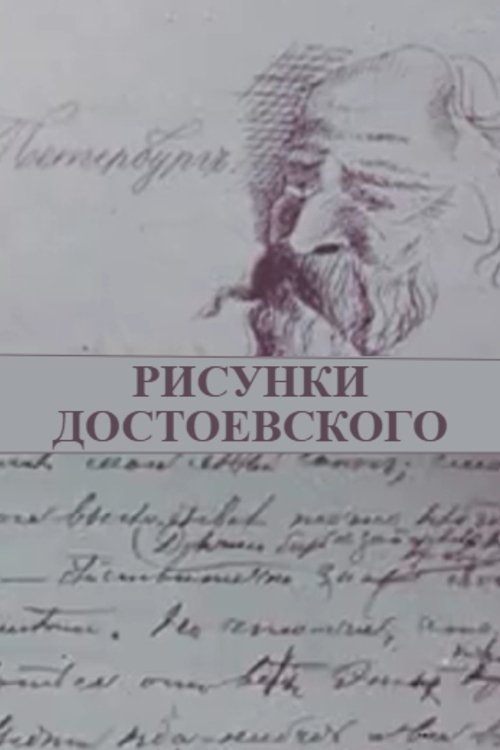
An attempt to analyze Fyodor Dostoevsky's creative process through sketches and doodles in the margins of his manuscripts.
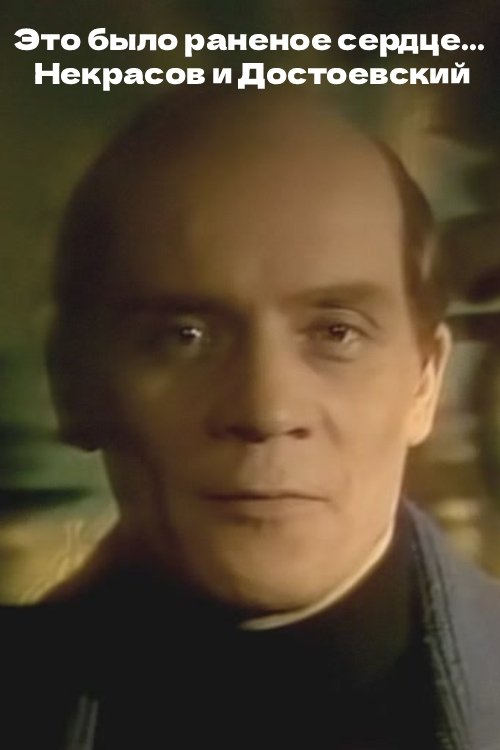
Memoirs of F.M. Dostoevsky about N.A. Nekrasov, performed by the actor Alexander Filippenko.
Dmitri Dostoevsky, Leningrad tram driver and great-grandson of Fyodor Dostoevsky, travels to western Europe following the footsteps of his great-grandfather's own journey in 1862. Dmitri hopes his efforts will help him realise his dream of owning a Mercedes.
University graduate students and prison inmates meet weekly to discuss literature and share personal essays and stories. Classroom sessions and interviews explode the stereotypes of brutish convicts, out-of-touch scholars and callous prison staff, while offering viewers a sense of hope. Shot on location in a minimum-security facility in Wisconsin, this feature-length documentary pays homage to the power of the humanities, the art of teaching and the possibility of redemption for those shunned by society
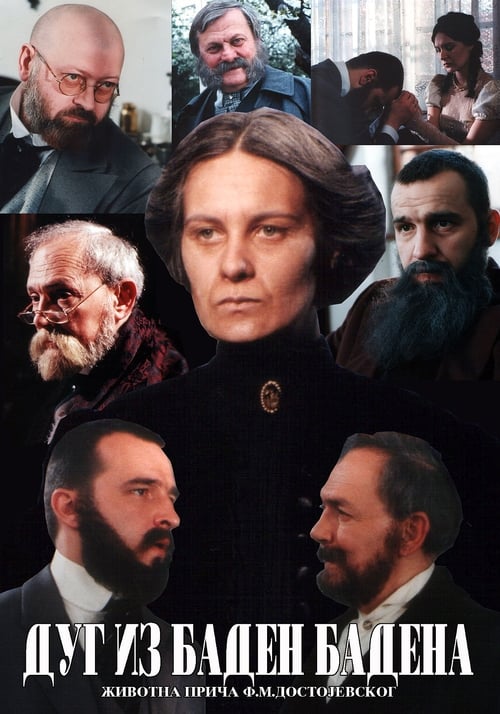
A biographic story of one of the biggest writers of all time, Fyodor Dostoevsky, as narrated by his wife.
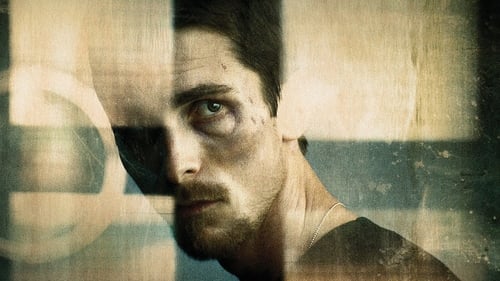
Trevor, an insomniac lathe operator, experiences unusual occurrences at work and home. A strange man follows him everywhere, but no one else seems to notice him.
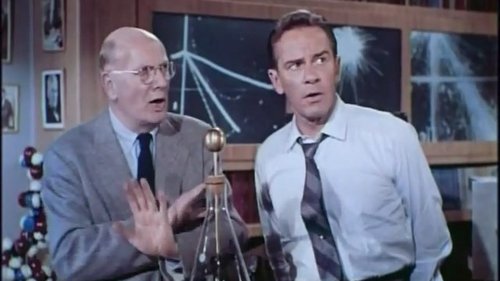
Part of acclaimed filmmaker Frank Capra's "Wonders of Life" series of science-based films (which won an Emmy Award for Best Editing) teaches kids about the power of gamma rays and radiation.
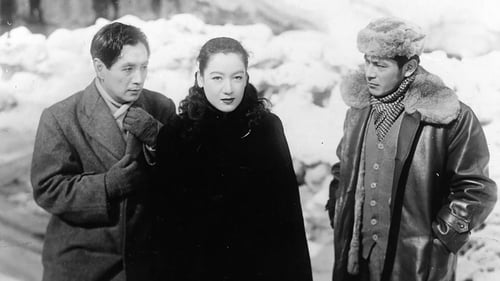
A gentle, war-shattered ex-soldier, Kinji Kameda, arrives in wintry Hokkaidō and is pulled into a volatile tangle of love and pity between the disgraced Taeko Nasu, the proud Ayako, and his possessive friend Akama. Kameda’s saintly compassion exposes everyone’s wounds, steering the quartet toward jealousy, violence, and inexorable tragedy. Adapted from Dostoevsky’s novel.
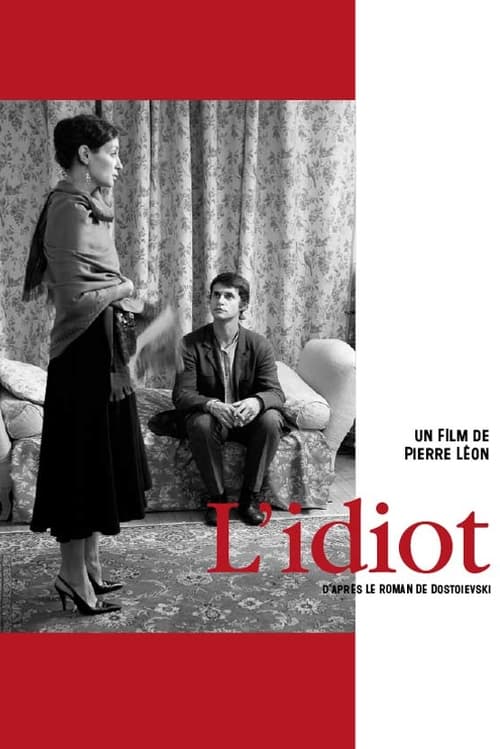
Nastassia Philippovna finds herself juggling the affections of four men over the course of a single evening. One is her benefactor, the bourgeois Totsky. Another is the opportunistic Ganya, whom Totsky has promised 75,000 rubles if he will marry Nastassia. Rogozhin offers Nastassia 100,000 rubles for her hand. And the “idiot,” Prince Myshkin, loves Nastassia madly and vows to “save” her.
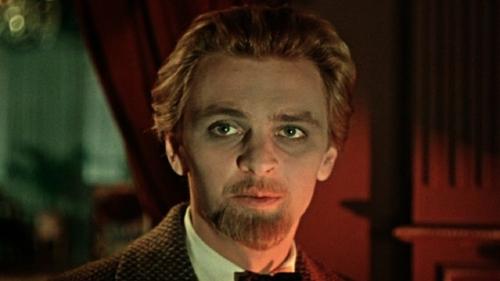
The film is based on the first part of the novel of the same name by Fyodor Dostoevsky. Prince Myshkin returns to Russia from Switzerland, where he was treated in a psychiatric clinic. On the train, on the way to St. Petersburg, the prince meets Parfyon Rogozhin, who tells him of his passionate love for Nastasya Filippovna, the former containment woman of the millionaire Totsky. In St. Petersburg, the prince finds himself in the house of his distant relative – Lizaveta Yepanchina (General's wife), meets her husband, their daughters, as well as the Secretary of General – Ganya Ivolgin. The portrait of Nastasya Filippovna, accidentally seen on the general’s table, makes a great impression on the prince...
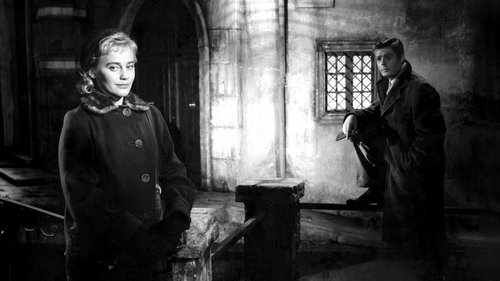
A middle-aged man meets a young woman who is waiting on a canal bridge for her lover's return.
Based on the short story of the same name by Fyodor Dostoyevsky, it is about a young man living in Saint Petersburg who suffers from loneliness. He gets to know and falls in love with a young woman, but the love remains unrequited as the woman misses her lover, with whom she is finally reunited.
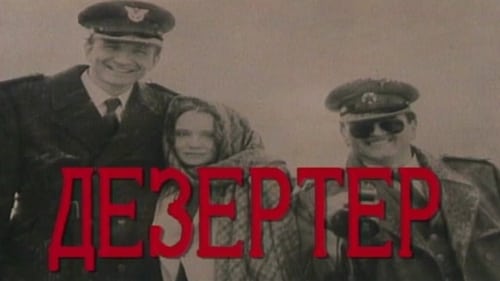
During the Yugoslav break-up, Federal Army officer is fed up with war and takes some leave in Belgrade. However, it turns out that he is less haunted by war horrors than with some sentimental skeletons in the closet. He meets his former comrade and best friend who is AWOL, but can't report him because he had an affair with his wife.

The Brothers Karamazov novel is the epitome of Fyodor Dostoevsky’s creative work, the acme of the philosophic investigation carried out by this colossal and restless mind throughout his life. World renowned choreographer Boris Eifman offers a remarkable vision of the core ideas within the novel, expanding upon them though body language as a way of exploring the origins of the moral devastation of the Karamazovs; creating through choreographic art an equivalent of what Dostoyevsky investigated so masterfully in his book, the excruciating burden of destructive passions and evil heredity. This ballet production is also known and performed as Beyond Sin.
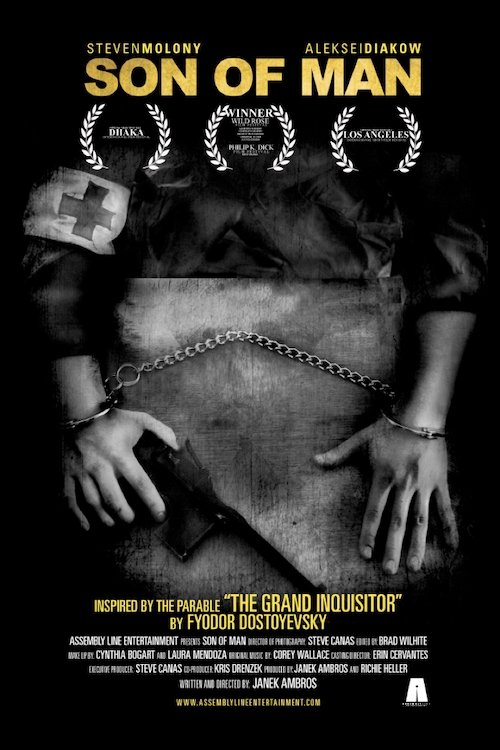
An Allied medic, rumored to be Jesus Christ, gets into a philosophical debate with a Catholic-Nazi in Ustasha occupied Croatia during WW2.

Sophia struggles with overthinking her life as a poor, nihilistic drifter. Exiled to a life of solitude, she has the chance to change it all upon meeting Liza one night... Did she let her in or was she destined to burn it all? The aftermath of their breakup is explored through three different angles.

Raskolnikov, a poor former student, goes out to walk the streets in a monologue. A short film inspired by Dostoyevsky's Crime and Punishment.
A retelling of Crime and Punishment, the famous novel by Fyodor Dostoyevsky
A chance encounter backstage. Broken glass and a shared cigarette bring two strangers together. Three nights in which they learn to overcome social hierarchies and unrequited love. A short film inspired by Fyodor Dostoevsky's novella White Nights.
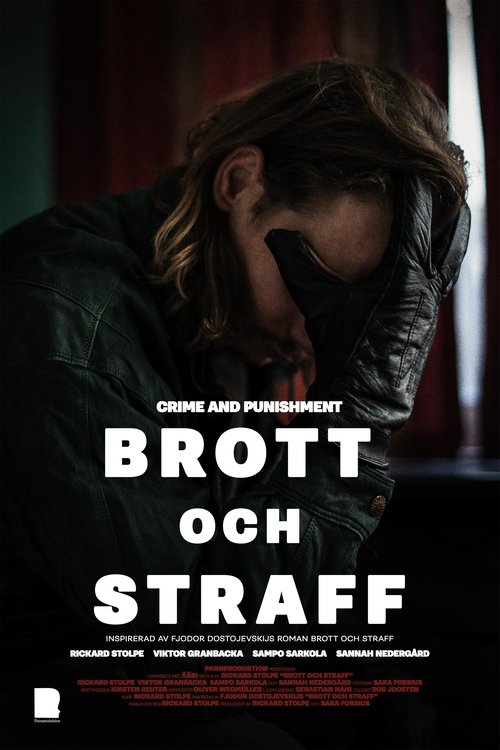
A modern adaptation of Dostoyevsky's Crime and Punishment, set in contemporary Helsinki. Raskolnikov, a struggling law student, commits a brutal murder, believing himself above the law. As guilt and paranoia consume him, he spirals into a mental and moral crisis, all while the relentless lead investigator closes in on him.

"Yellow Ticket" is a powerful exploration of the unintended consequences of self-sacrifice. To what lengths should educators go to inspire their students? What happens if their methods cross the line?
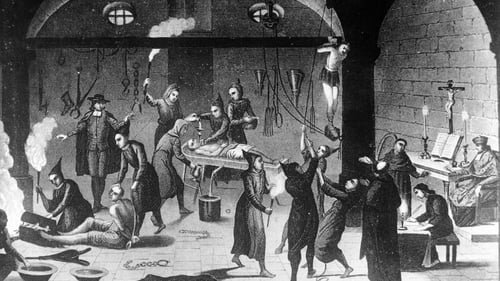
The Grand Inquisitor from Dostoevsky's The Brothers Karamazov produced by the Open University.
The silent daily routine of a young man is revisited through Dostoevskian musings.
An awkward office drone becomes increasingly unhinged after a charismatic and confident look-alike takes a job at his workplace and seduces the woman he desires.