
Action
Adventure
Animation
Comedy
Crime
Documentary
Drama
Family
Fantasy
History
Horror
Music
Mystery
Romance
Science Fiction
Thriller
War
Western
Found 30 movies, 1 TV show, and 0 people
Can't find what you're looking for?

The construction of a dam on the Euphrates River is an example of a country’s economic development. Through grandly composed images, rhythmic editing, and aestheticized details, the director demonstrates his admiration for the interwar avant-garde. The film is a celebration of the new, while at the same time showing a traditional way of life and calling attention to working conditions; it is a refrain-like evocation of an arid country that explores the difficult lot of Syria’s rural inhabitants.

A biographical documentary about the Bulgarian born film director Slatan Dudow (1903–1963).
History...technology...the future... Are these opposing forces? Who is in control? Where are we? These are questions
What are crows? Take a minute to learn about and meditate on a few facts about them.
A nameless individual relives an old pastime and reflects on his life while leading a film crew through a drainage tunnel underneath Home Depot.
The filmmaker's mother describes stories of his lustful youth over the phone, causing them to reflect on his current love life at the age of 30.
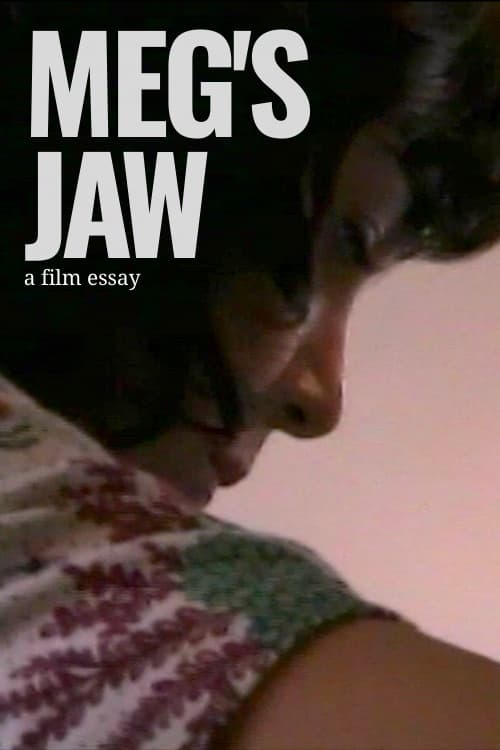
This is Meg. She has TMJ and not a lot of time to work on it.
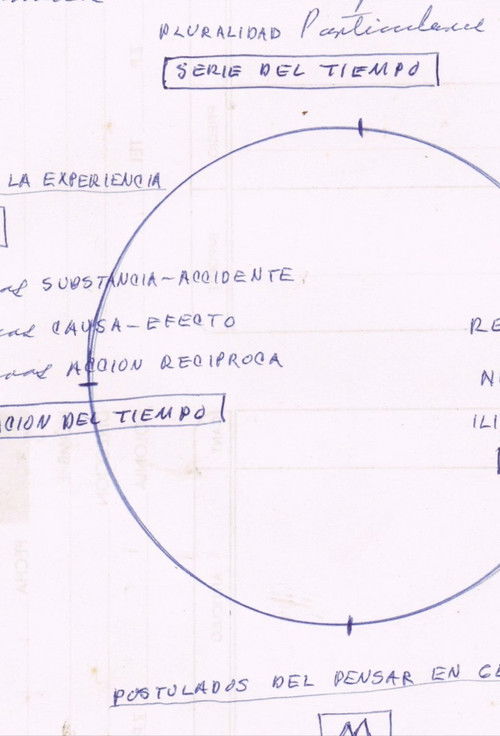
A filmmaker's reflections on the afflictions of his uncle. An attempt at picking through the rubble of a life marked by mental anguish.

A documentary about the history of the Free Cinema movement, made by one of it's greatest proponents, Lindsay Anderson, to commemorate British Film Year in 1985. Produced by Kevin Brownlow and David Gill. Unlike Richard Attenborough's celebratory episode of the same series, or Alan Parker's more aggressive show, which was balanced between celebrating the greats and attacking Parker's bugbears, Greenaway and Jarman and the BFI, Anderson's show accentuates the negative, painting an image of a British cinema in terminal artistic decline and trashing the ambitions and approach of British Film Year itself. It's mordantly funny and very savage.
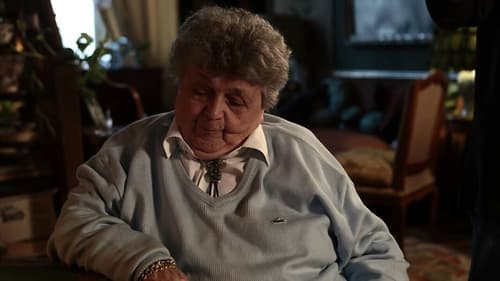
In 1914, Max Linder (1883-1925) was a great star of silent cinema, the King of Cinema. But then World War I broke out, in which Max participated, and the whole world, and his life in particular, was changed forever. His daughter Maud has fought for seventy years to regain his legacy. This is his story…
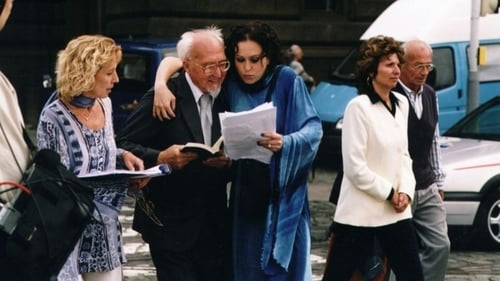
"Situation of the Street" - An experimental study about Czech life, focusing on Prague's National Street, its businesses and the varied people who frequent it.
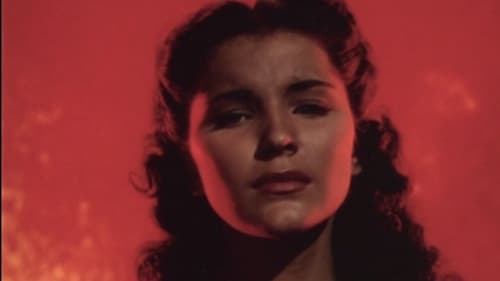
A video essay where the author presumes motivations and insights in a fictionalized biography regarding Debra Paget, a contract player for 20th-Century Fox whom they groomed and coached for stardom.
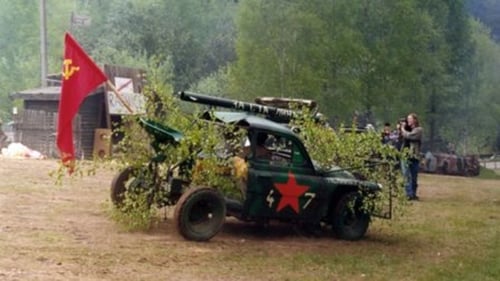
A labyrinthine portrait of Czech culture on the brink of a new millennium. Egon Bondy prophesies a capitalist inferno, Jim Čert admits to collaborating with the secret police, Jaroslav Foglar can’t find a bottle-opener, and Ivan Diviš makes observations about his own funeral. This is the Czech Republic in the late 90s, as detailed in Karel Vachek’s documentary.

Quite a few years have passed since November 1989. Czechoslovakia has been divided up and, in the Czech Republic, Václav Klaus’s right-wing government is in power. Karel Vachek follows on from his film New Hyperion, thus continuing his series of comprehensive film documentaries in which he maps out Czech society and its real and imagined elites in his own unique way.
From the behavior, discourse, and appearance of individual actors, Vachek composes, in the form of a mosaic, a broad and many-layered film-argument about Czechoslovak democracy in the period of its rebirth, all administered with the director’s inimitable point of view.
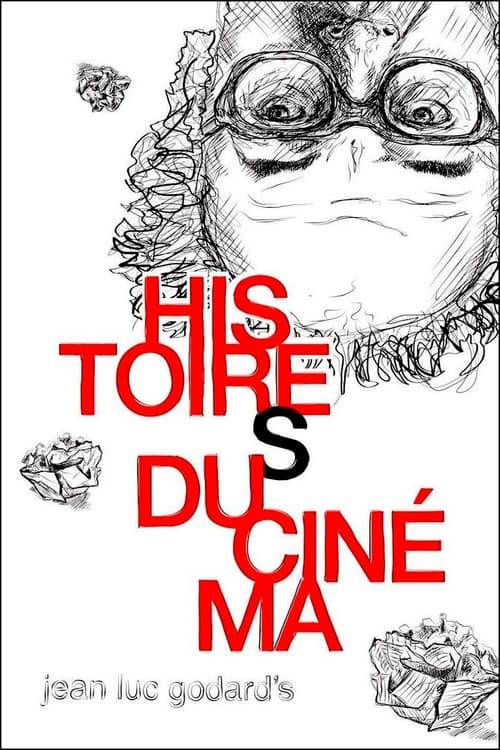
A very personal look at the history of cinema directed, written and edited by Jean-Luc Godard in his Swiss residence in Rolle for ten years (1988-98); a monumental collage, constructed from film fragments, texts and quotations, photos and paintings, music and sound, and diverse readings; a critical, beautiful and melancholic vision of cinematographic art.
For 'Et les chiens se taisaient' Maldoror adapted a piece of theatre by the poet and politician Aimé Césaire (1913–2008), about a rebel who becomes profoundly aware of his otherness when condemned to death. His existential dialogue with his mother reverberates around the African sculptures on display at the Musée de l'Homme, a Parisian museum full of colonial plunder whose director was the Surrealist anthropologist Michel Leiris.
Lies can kill. Transgender Nuclear Suicide Sojourner is an exploration of propaganda, lies, and the overwhelming urge to end it all.
A very personal interpretation, to say the least, of the passion of the Christ According to St. John.
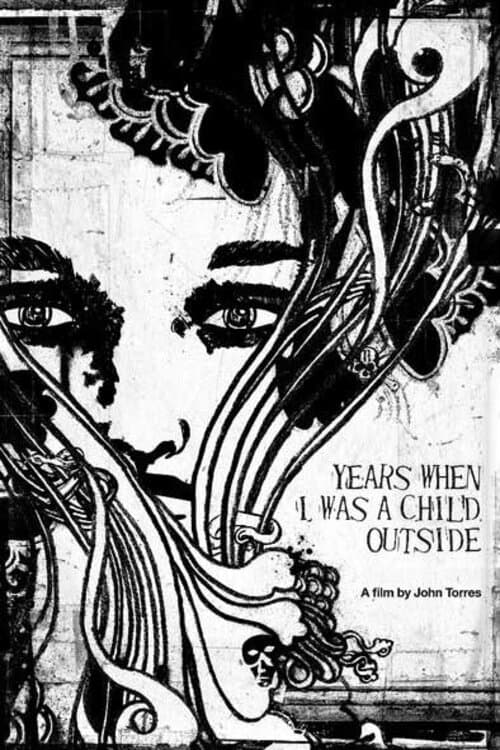
Filmmaker John Torres describes his childhood and discusses his father's infidelities.
A year in the life of Elsa Michaud and Gabriel Gauthier, students of Fine Arts in Paris, lovers in troubled times, overwhelmed by maddening verbal and auditory stimuli, witnesses of a globalized violence more visible than ever in a chaotic digital era, in which the slow execution of simple gestures in a silent performance is an act of resistance.

A very personal look at the history of cinema directed, written and edited by Jean-Luc Godard in his Swiss residence in Rolle for ten years (1988-98); a monumental collage, constructed from film fragments, texts and quotations, photos and paintings, music and sound, and diverse readings; a critical, beautiful and melancholic vision of cinematographic art. (Abridged version of the original collection of eight short films).
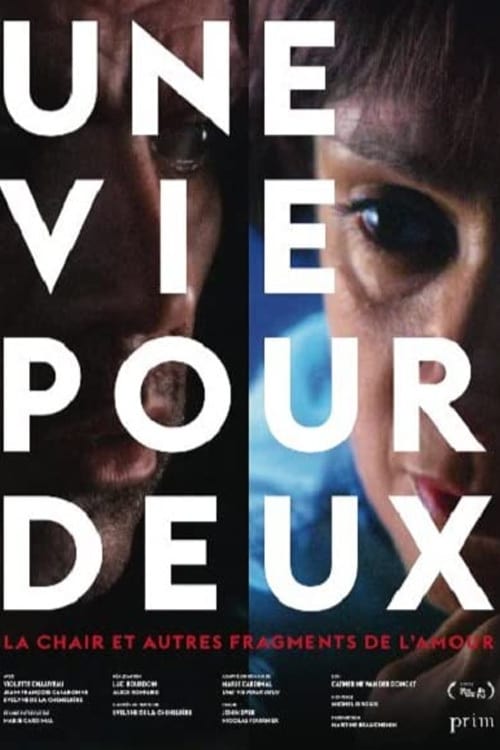
Freely adapted from the eponymous novel, Une vie pour deux is inspired by real events, the discovery by the novelist's husband (director Jean-Pierre Ronfard) of the corpse of a young woman on a beach in Ireland in the late 1970s.
A very personal look at the history of cinema directed, written and edited by Jean-Luc Godard in his Swiss residence in Rolle for ten years (1988-98); a monumental collage, constructed from film fragments, texts and quotations, photos and paintings, music and sound, and diverse readings; a critical, beautiful and melancholic vision of cinematographic art.
A documentary based on the mutual experiences of a trio of directors, which portrays life in the border village of Bystré during the last year of the millennium. The film concentrates on the exuberant social life of the community, including many bizarre recent customs, as well as on several very intimate moments in the lives of the inhabitants.
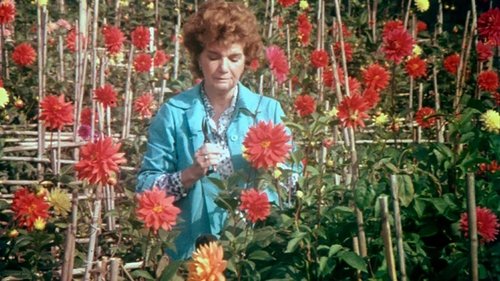
A long-hidden, personal doc about leaving a beloved house by the late, revered Portuguese director Manoel de Oliveira.
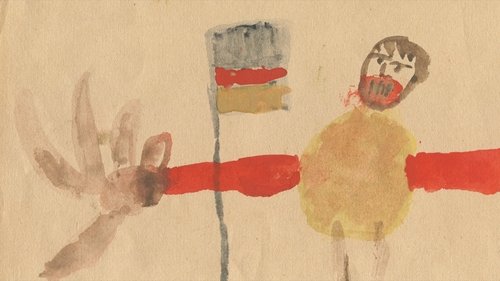
Director Thomas Heise picks up the biographical pieces left by his family, and composes an epic picture of four generations of his family, of a country, of a century.
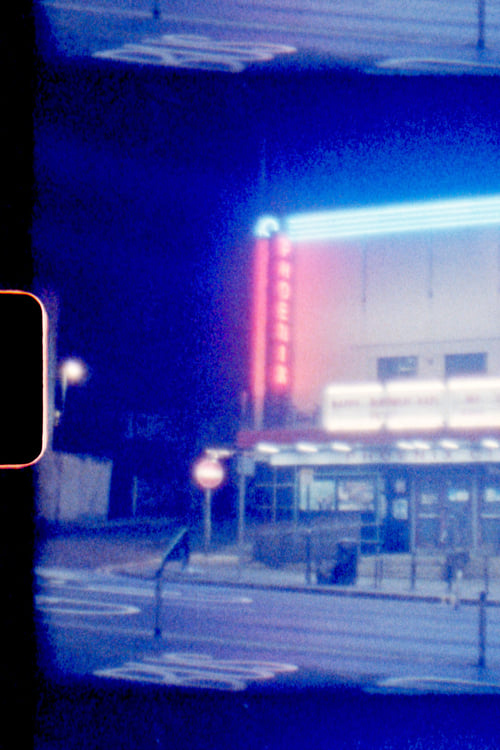
A fragmented collection of independent closed cinemas, in London during lockdown, captured on Super 8mm film.
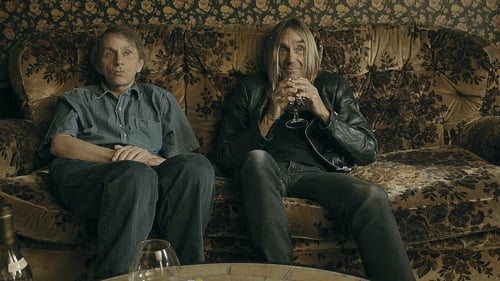
Iggy Pop reads and recites Michel Houellebecq’s manifesto. The documentary features real people from Houellebecq’s life with the text based on their life stories.
No description available for this movie.