
Action
Adventure
Animation
Comedy
Crime
Documentary
Drama
Family
Fantasy
History
Horror
Music
Mystery
Romance
Science Fiction
Thriller
War
Western
Found 24 movies, 0 TV shows, and 0 people
Can't find what you're looking for?

With BONANZA (FID 2002), his first film, Ulisses Rosell took us on a journey to meet a tribe of extremely colorful Argentinian poachers. This new dive into exotica takes us to the Wichi Indians in Chaco, Argentina, who have not long been sedentary, with an American ethnologist as our guide. To some degree a repentant ethnologist, John Palmer, rather than finishing his thesis, married a native and had a large family. Rather than observing it from a distance, he chose to become part of this discreet and beleaguered community. He strives to support their cause, getting involved in law suits and confronting companies which pillage land that belongs to the Indians with complete impunity.
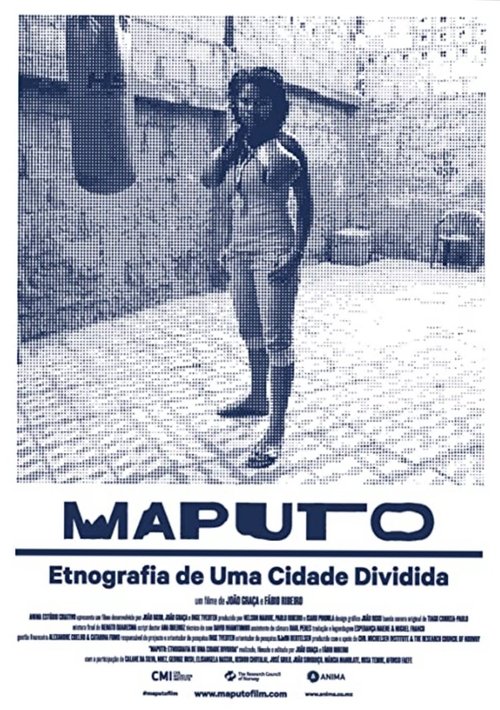
This film seeks to visualize Maputo in Mozambique as one of Africa's divided cities. One day in the city, through the eyes of the people who live there.
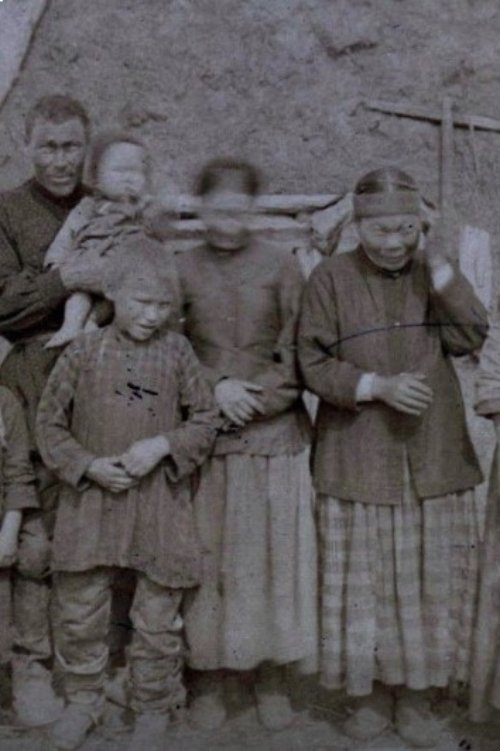
In the lower reaches of the Indigirka River on the coast of the Arctic Ocean, almost 400 years ago, people founded Russkoe Ustie. They came from the Russian North – Veliky Novgorod and Pskov, they learned local crafts: to fish, hunt animals and birds. They strictly kept their customs, language, spoke the medieval speech until the middle of the 20th century. The permafrost became their promised land.

A day in the life of a fabric factory, in the depths of Russia: sounds, textures, mysterious machines and mysterious people.
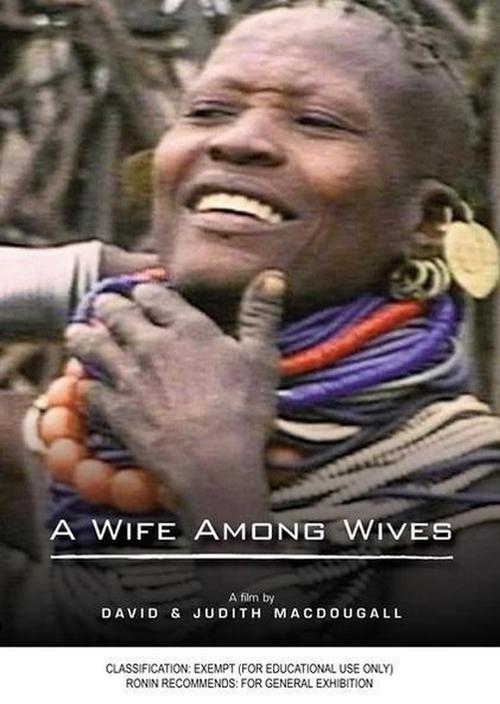
David and Judith MacDougall are exploring the marriage rituals and roles of Turkana women in this ethnographic documentary. The film's biggest part is taken up by talks between the Turkana people. As one of the first ethnographic documentaries "A Wife Among Wives" subtitles these talks so that the viewer can get a better and probably more personal understanding of the life of the Turkana.
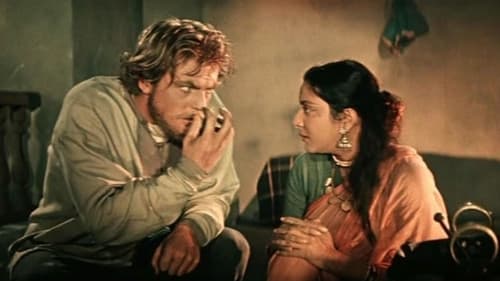
This first co-production of the Soviet and Indian cinematographers is dedicated to the Tver merchant Afanasy Nikitin who in 1466-1472 blazed the trade way from Europe to India. The film is based on Nikitin’s travel notes. Starring in the film are popular Russian actor Oleg Strizhenov and India’s 1950s movie star Nargis.

Short ethnographic documentary on the Tetela tribe in Congo based upon footage and commentary by director Luc de Heusch from 1953 reassembled by Damien Mottier (Université Paris Nanterre) and Grace Winter (CINEMATEK).
A man demonstrates a human-powered water wheel that irrigates a rice field.
A woman from the Ashanti tribe bathes her child in a shallow bowl.
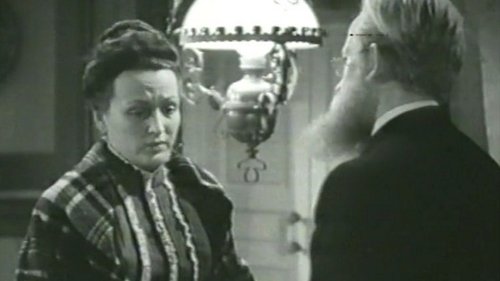
The film was made on the basis of the literary version of events in the life of the famous Russian ethnographer, anthropologist, biologist and traveler who studied the indigenous population of South-East Asia, Australia and Oceania.

A group of people setting out to find a previously assumed land and upon reaching it, not knowing how to deal with the customs of the place, have to deal with all the consequences.
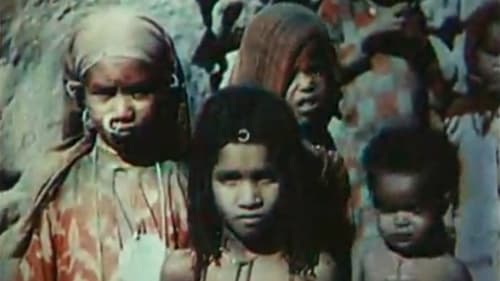
With a dual motion a cruise ship and a fishing boat pass one another on the Nile and butlers in turbans set up a wooden gangway. Thanks to a rope and pulley system cows climb skywards then disappear into the hold of the sailing vessel. On the bank, black-haired women rock back and forth, bursting out laughing and showing the first signs of going into a state of trance. Never-before filmed gestures and faces of the people of the Nile succeed one another, uprooted to an unknown, magical world. The Banks of the Nile is one of the first experiments of film in colour that uses the Kinemacolor process.
“The picture [shows] a number of Esquimaux picking nickels from cracks in a board with their dog whips, in which sport they are very expert. In the background will be seen one of their "Topeks," a sealskin tent in which they live during their short summer.” (Edison catalog)
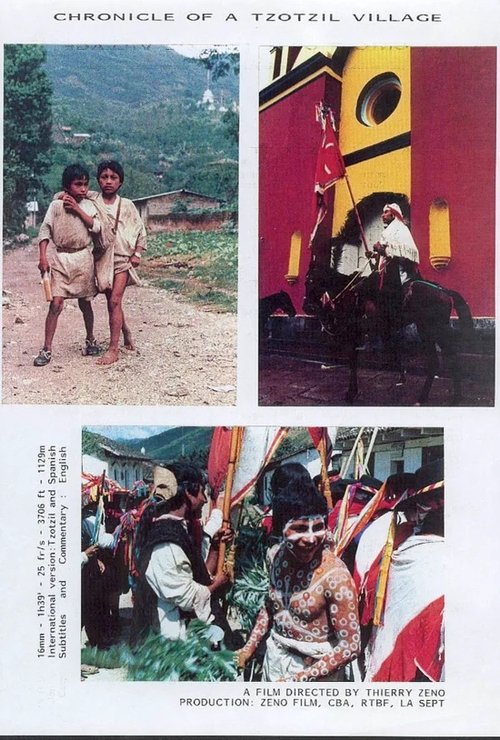
A documentary about the daily life of a native Tzotzil community in southern Mexico, shot over a period of eight years.
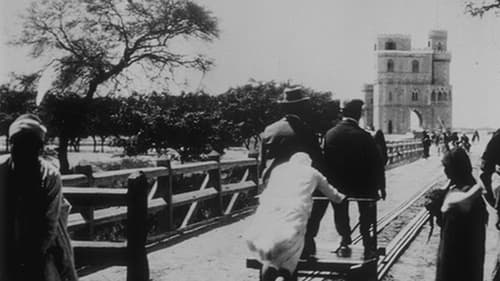
Travellers, nomads and salesmen make their way along a dam next to the Nile.
The first Easter Island documentary, filmed in 1935 when the Belgian naval ship Mercator came to collect Drs. Henri Lavacherry and Alfred Métraux, who had arrived six months before to carry out archaeological and ethnological work. The film, directed with melodramatic gusto and featuring a full orchestral score by Maurice Jaubert (who also did the narration), shows islanders, the monuments, and a public dance. A theme of decay and decadence characterizes the film, the motif portrayed gruesomely by extensive close-ups of the inhabitants of the leper colony there at the time. The film suited a romantic image of a mysterious lost civilization, the survivors eking out a pitiful existence on a barren rock. (Grant McCall)
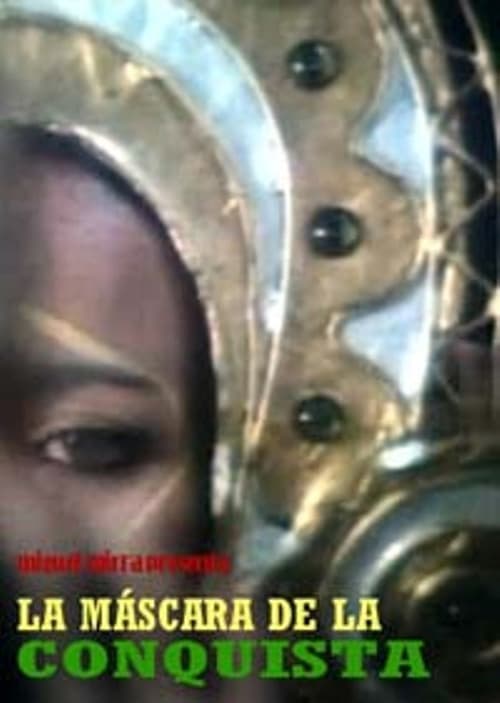
The film tells two parallel stories. One, set in the present, tells of a pagent about the conquest of America, while the other, set in the 15th century, tells of a group of conquistadors coming ashore searching for gold. The film takes place in an unnamed country.
Short ethnographic documentary showing some everyday life scenes based upon footage shot by director Luc de Heusch in Congo in 1954 reassembled by Damien Mottier (Université Paris Nanterre) and Grace Winter (CINEMATEK).

Film about the singing and dancing culture of the Ingush people
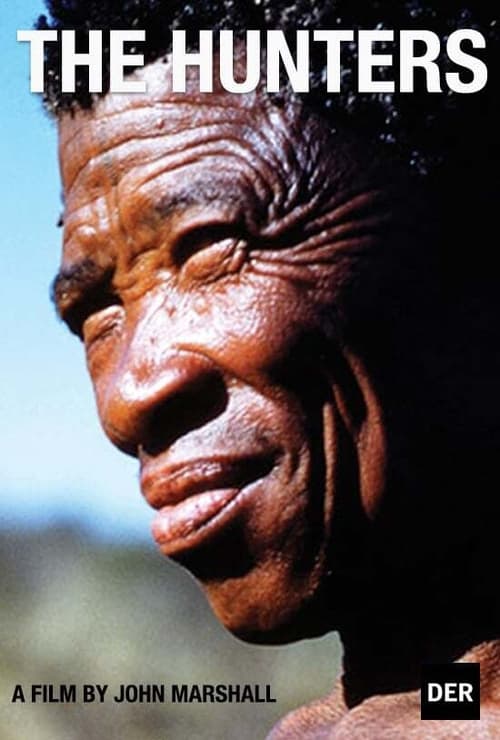
An ethnographic film that documents the efforts of four !Kung men (also known as Ju/'hoansi or Bushmen) to hunt a giraffe in the Kalahari Desert of Namibia. The footage was shot by John Marshall during a Smithsonian-Harvard Peabody sponsored expedition in 1952–53. In addition to the giraffe hunt, the film shows other aspects of !Kung life at that time, including family relationships, socializing and storytelling, and the hard work of gathering plant foods and hunting for small game.
An ethnographic documentary which looks at the relationship between music and work in predominantly rural cultures. It depicts the lives of fisherman, shepherds and farmers and their relationship with music. The film also describes Basque ancestral instruments, with special emphasis on the origin and history of ‘bertsolarism’ (Basque verse singing) as a form of oral communication.
Early Mondo film featuring primitive rituals, animals being butchered, unusual birth defects, and a legit trepanation scene.
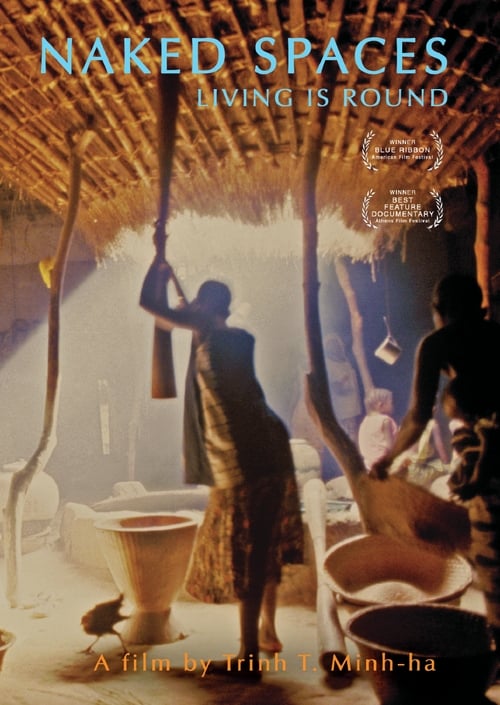
Shot with stunning elegance and clarity, NAKED SPACES explores the rhythm and ritual of life in the rural environments of six West African countries (Mauritania, Mali, Burkino Faso, Togo, Benin and Senegal). The nonlinear structure of NAKED SPACES challenges the traditions of ethnographic filmmaking, while sensuous sights and sounds lead the viewer on a poetic journey to the most inaccessible parts of the African continent: the private interaction of people in their living spaces.

An experimental ethnographic documentary that criticizes the colonizer view of anthropology.