
Action
Adventure
Animation
Comedy
Crime
Documentary
Drama
Family
Fantasy
History
Horror
Music
Mystery
Romance
Science Fiction
Thriller
War
Western
Found 20 movies, 1 TV show, and 0 people
Can't find what you're looking for?
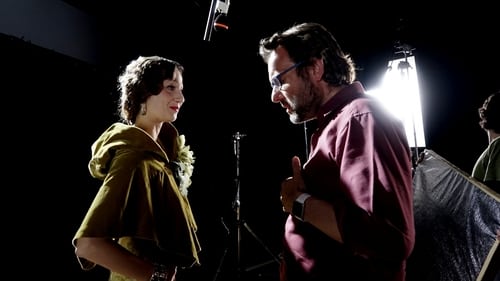
The story of Italian cinema under Fascism, a sophisticated film industry built around the founding of the Cinecittà studios and the successful birth of a domestic star system, populated by very peculiar artists among whom stood out several beautiful, magnetic, special actresses; a dark story of war, drugs, sex, censorship and tragedy.
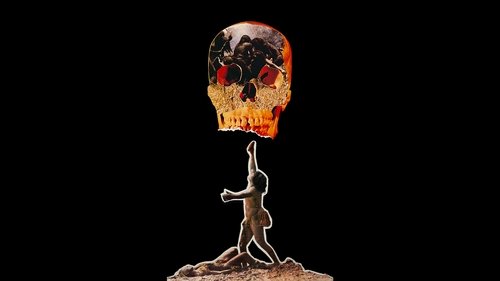
A New York University professor returns from a rescue mission to the Amazon rainforest with the footage shot by a lost team of documentarians who were making a film about the area's local cannibal tribes.
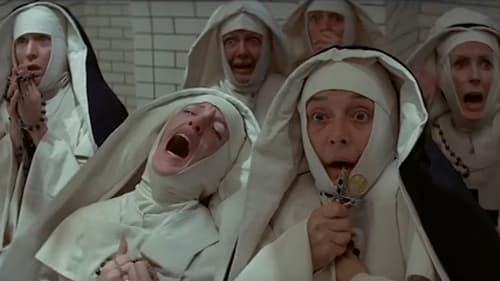
Hell on Earth is a documentary about Ken Russell's 1971 film, The Devils. Film critic Mark Kermode chats to Russell as well as two of the film’s stars, Georgina Hale and Murray Melvin. Also included are scenes that were cut from the released film for being too controversial.
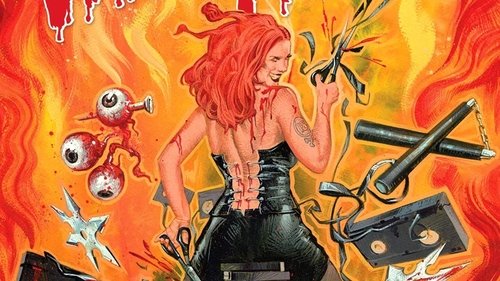
The highly anticipated follow-up to their critically acclaimed VIDEO NASTIES: MORAL PANIC, CENSORSHIP & VIDEOTAPE documentary, director Jake West and producer Marc Morris continue uncovering the shocking story of home entertainment post the 1984 Video Recordings Act. A time when Britain plunged into a new Dark Age of the most restrictive censorship, where the horror movie became the bloody eviscerated victim of continuing dread created by self-aggrandizing moral guardians. With passionate and entertaining interviews from the people who lived through it and more jaw dropping archive footage, get ready to reflect and rejoice the passing of a landmark era.
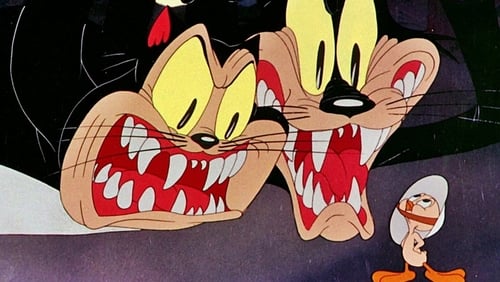
Two alley cats, Babbitt and Catsello, decide to make a meal out of Orson as he sleeps in his nest atop a telephone pole. The gullible (and loud) Catsello is repeatedly gulled into trying to "get the bird," earning a variety of thrashings from the casually murderous little canary. Catsello finally resorts to an air strike (with a pair of wooden boards for wings), but it's wartime, and Orson has the cat blasted out of the sky by anti-aircraft guns.

Kirby Dick's provocative documentary investigates the secretive and inconsistent process by which the Motion Picture Association of America rates films, revealing the organization's underhanded efforts to control culture. Dick questions whether certain studios get preferential treatment and exposes the discrepancies in how the MPAA views sex and violence.
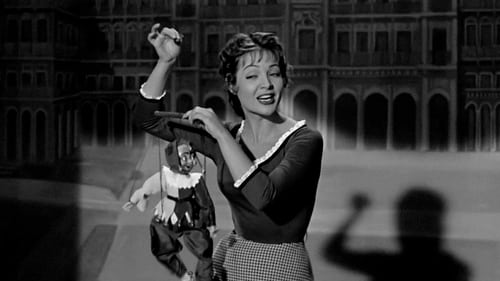
Born in Campo de Criptana, a small village in the Spanish region of La Mancha, Sara Montiel (1928-2013) conquered Mexico, Hollywood, and the hearts of people. The recognition of an unparalleled professional career, an intimate dialogue with a tireless worker who took the stage at the age of twelve and never got off. A movie star who seduced millions of viewers around the world, a singer who reinvented a musical genre, a woman who broke the mold…
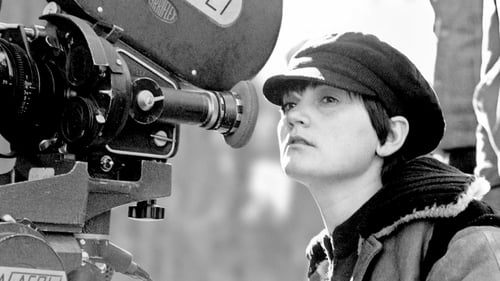
Forty years later, Guillermo Montesinos, the actor who played José María el Cepa in The Cuenca Crime (1980), directed by Pilar Miró, returns to the various locations where the shooting of the mythical film, narrating the infamous Grimaldos case (1910), took place.
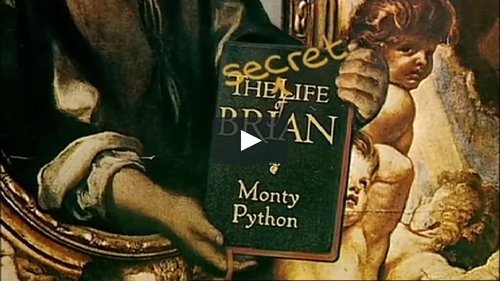
A documentary about the making of the controversial Life of Brian and the surrounding accusations of blasphemy.

In Spain, a poor country ruined by the recent Civil War (1936-39), and in the midst of Franco's dictatorship, a film school was created in Madrid in 1947, which became, almost unintentionally, a space of freedom and pure experimentation until its closure in 1976.
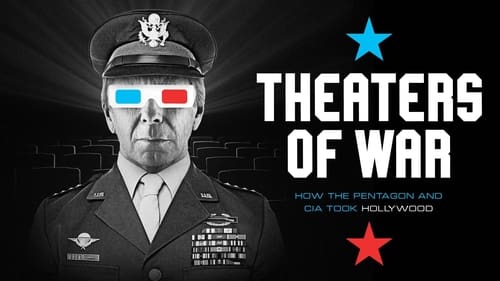
If you’ve seen Top Gun or Transformers, you may have wondered: Does all of that military machinery on screen come with strings attached? Does the military actually get a crack at the script? With the release of a vast new trove of internal government documents, the answers have come into sharp focus: the US military has exercised editorial control over thousands of films and television programs. As these activities gain new public scrutiny, new questions arise: How have they managed to fly under the radar for so long? And where do we go from here?
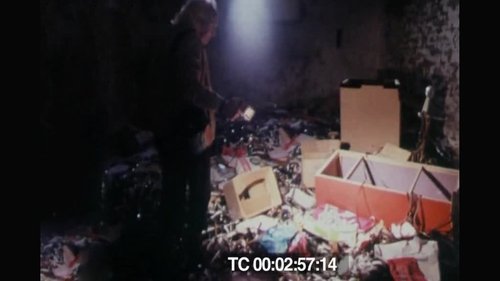
Resistance fighter under the occupation, committed to the FLN during the Algerian war, member of the Medvedkine group after May 1968 and defender of Breton autonomy, René Vautier was a committed filmmaker, author of an anti-colonialist work in which he denounces the repression, torture and racism. In 1983, René Vautier discovered, by the light of a flashlight, his films cut up and scattered at Fort du Conquet. Police also came to check the damage.
Spain, 1975. Franco's death opens the door to the possibility of uncensored cinema. After two years of relaxed censorship, it is abolished in 1977, and the “S” rating is created to protect viewers from films that may “offend their sensibilities.”
In the late sixties, Spanish cinema began to produce a huge amount of horror genre films: international markets were opened, the production was continuous, a small star-system was created, as well as a solid group of specialized directors. Although foreign trends were imitated, Spanish horror offered a particular approach to sex, blood and violence. It was an extremely unusual artistic movement in Franco's Spain.
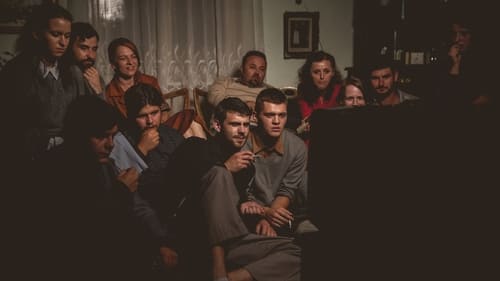
In late eighties, in Ceausescu's Romania, a black market VHS bootlegger and a courageous female translator brought the magic of Western films to the Romanian people and sowed the seeds of a revolution.
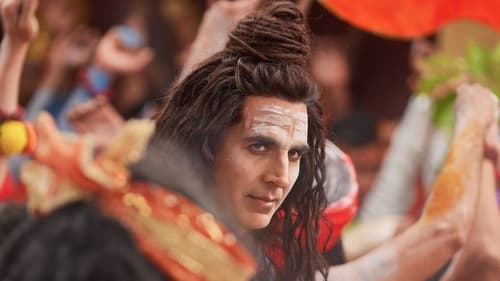
Life is bliss until one day Kanti Sharan Mudgal’s son Vivek is blamed for immoral conduct and expelled from school. Overwhelmed, Kanti plans to leave town until a divine intervention leads him to seek justice by taking those responsible to court.
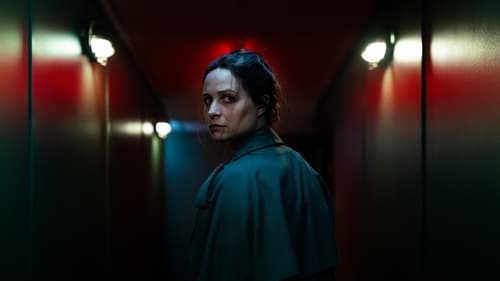
A screener at the British Board of Film Classification (BBFC), who has earned an unsavory reputation for being the strictest censor of violent films, begins to spiral out of control after viewing a low-budget horror with similarities to the disappearance of her sister.
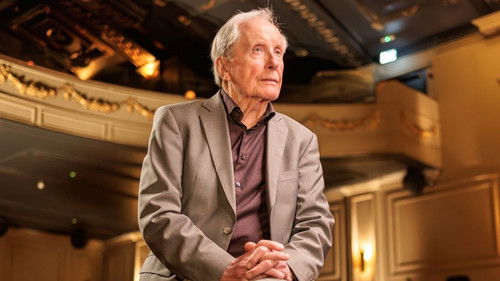
A feature-length documentary that tells the story of the Censorship of Films Act 1923 and how one canny term in that statute has allowed consecutive holders of the role of Film Censor to reflect the prevailing values of Irish society over the last 100 years.
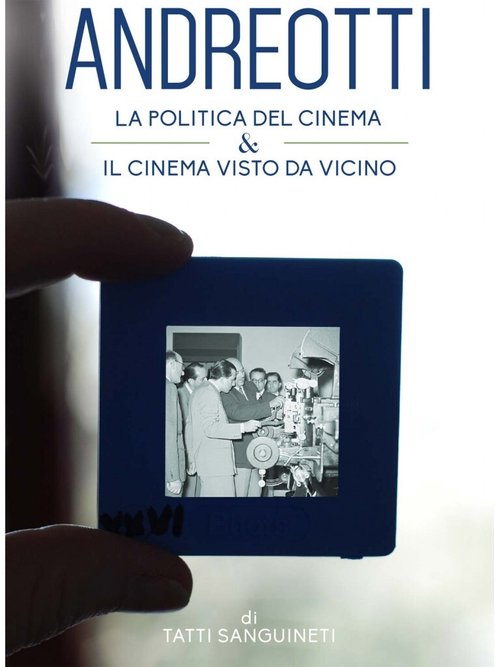
No description available for this movie.
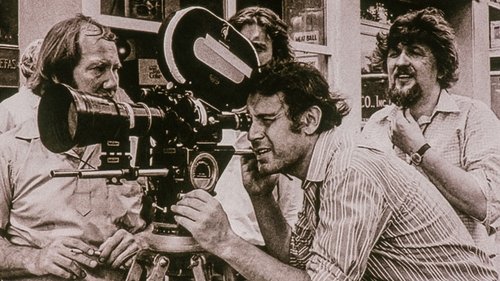
A moving account, in his own words, of the personal life and work of the brilliant Czech filmmaker Miloš Forman (1932-2018): his tragic childhood, his major contribution to the cultural movement known as the Czech New Wave, his exile in Paris, his troubled days in New York, his rise to stardom in Hollywood; a complete existence in the service of cinema.