
Action
Adventure
Animation
Comedy
Crime
Documentary
Drama
Family
Fantasy
History
Horror
Music
Mystery
Romance
Science Fiction
Thriller
War
Western
Found 25 movies, 10 TV shows, and 0 people
Can't find what you're looking for?

The incredible untold story of how Irish people interacted with the First Nations of North America, with contributions from some of Ireland's leading historians along with a new wave of First Nations academics and commentators.

Before the first Europeans set foot in the Americas, the Native American tribes of the Northeast were locked in a bitter and bloody conflict. Then, a great warrior and man known as "the Peacemaker" brought the warring tribes together to found the Iroquois Confederacy--America's first democracy. Discover how this union inspired our modern government.
Documentary footage of indigenous Pacific islanders.
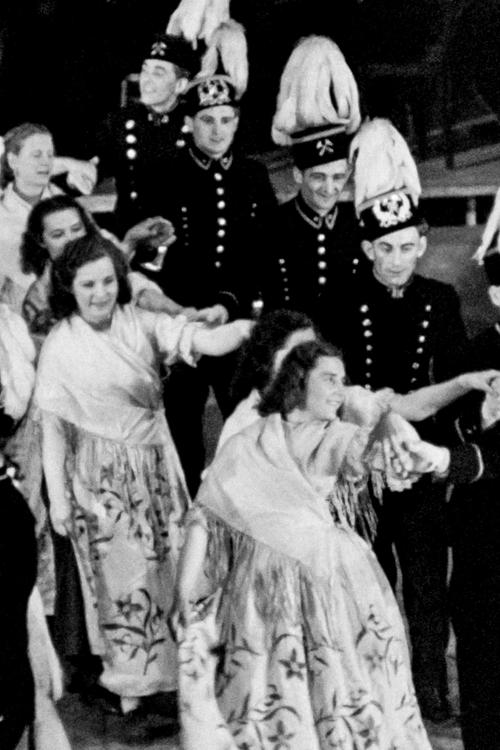
In 1946, the 1st National Competition of Trade Union Member Clubs was held. Almost one thousand amateur teams took part in it, bringing together approximately 40,000 workers, women and men. The reportage was created during the performance at the Polish Theater in Warsaw.
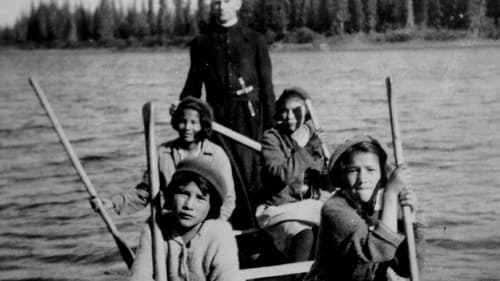
The Indian Act, passed in Canada in 1876, made members of Aboriginal peoples second-class citizens, separated from the white population: nomadic for centuries, they were moved to reservations to control their behavior and resources; and thousands of their youngest members were separated from their families to be Christianized: a cultural genocide that still resonates in Canadian society today.
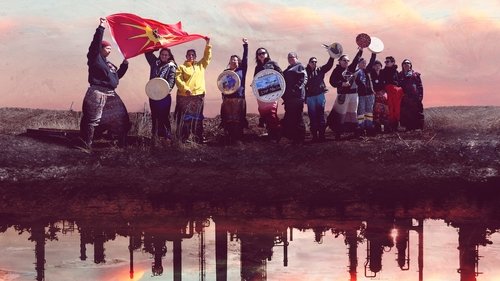
Elliot Page brings attention to the injustices and injuries caused by environmental racism in his home province, in this urgent documentary on Indigenous and African Nova Scotian women fighting to protect their communities, their land, and their futures.
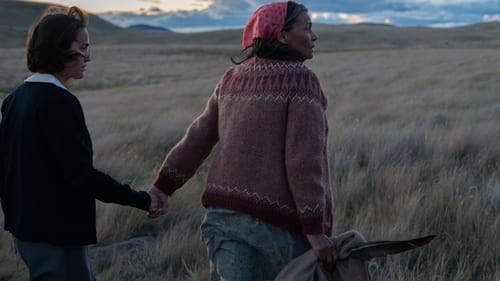
Cree matriarch Aline Spears survives a childhood in Canada’s residential school system to continue her family’s generational fight in the face of systemic starvation, racism, and sexual abuse. She uses her uncanny ability to understand and translate codes into working for a special division of the Canadian Air Force as a Cree code talker in World War II. The story unfolds over 100 years with a cumulative force that propels us into the future.

A father's takes his estranged son on a fishing trip as a way of bonding, but when the car breaks down he realises it's not the only thing that needs fixing.

Interviews and archival footage profile the life of Dennis Banks, American Indian Movement leader who looks back at his early life and the rise of the Movement.

The territory of Akwesasne straddles the Canada-U.S. border. When Canadian authorities prohibited the duty-free cross-border passage of personal purchases - a right established by the Jay Treaty of 1794 - Kanien'kéhaka protesters blocked the international bridge between Ontario and New York State.
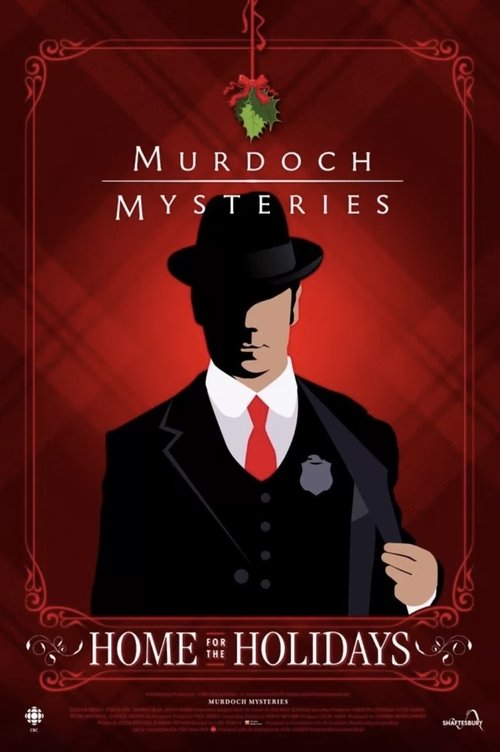
"Home for the Holidays" is the third stand-alone two hour Christmas special of the "Murdoch Mysteries" that first aired on December 18, 2017 on CBC, followed by a second airing on December 25, 2017 in Canada. Murdoch and Ogden travel to Victoria, B.C. to visit Murdoch’s brother, RCMP officer Jasper Linney. There, they investigate a murder connected to an archaeologist Megan Byrne who has uncovered an ancient Indigenous settlement, leading to a trek through the rugged beauty of British Columbia and encounters with the Songhees and Haida nations. Meanwhile, the Brackenreids are offered a surefire investment opportunity that may not be all it seems. At the Station House, Crabtree and Higgins prepare for a ski-chalet holiday in Vermont with their girlfriends Nina and Ruth, but learn it may be more dangerous than expected.
The story of the Navajo, at work and play, in the Southwestern United States, and in particular, in scenic Monument Valley. The film focuses on a typical Indian family, its daily life, struggles, and folkways, as every aspect of living is governed by Navajo gods and legends.
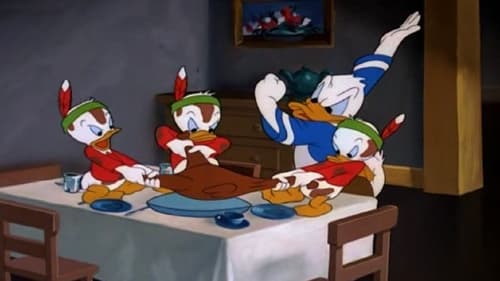
Donald's nephews come to lunch filthy from playing outside. Donald sends them to wash up; when he finds they've done a half-hearted job, he sends them to bed without supper. They scheme to get food; Donald catches them, but falls off a cliff while chasing them. He's OK, but temporarily out cold. The boys build a fake corpse and dress Donald up as an angel, and he buys it for a while.
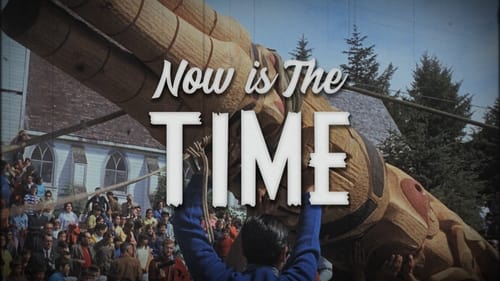
When internationally renowned Haida carver Robert Davidson was only 22 years old, he carved the first new totem pole on British Columbia’s Haida Gwaii in almost a century. On the 50th anniversary of the pole’s raising, Haida filmmaker Christopher Auchter steps easily through history to revisit that day in August 1969, when the entire village of Old Massett gathered to celebrate the event that would signal the rebirth of the Haida spirit.
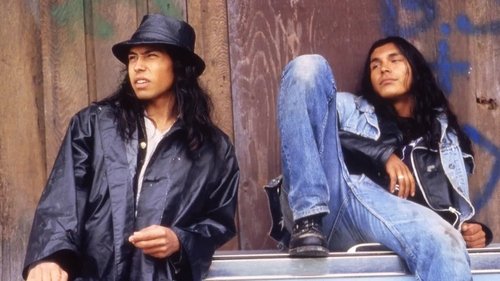
Explores the sensitive, and tense, relationship between life on an First Nations reservation and life in the outside world. When Native Canadian Silas Crow is forced to write a personal essay in order to get a much-desired job, he tells the story of the rape and murder of an Indian girl by a drunken thug. When the killer received a lenient two-year sentence for manslaughter, the First Nations community felt shock and anger—and tried desperately to deal with the after-effects of this lack of justice.

Daniel and his friends have troubles with Indians on their way to Kentucky.
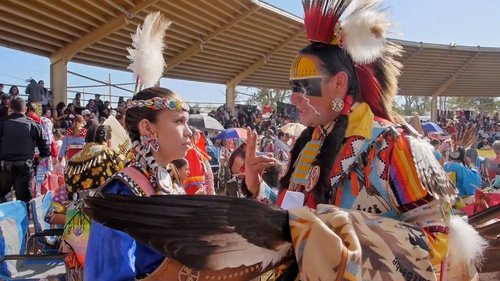
Follow filmmaker Elle-Máijá Tailfeathers as she creates an intimate portrait of her community and the impacts of the substance use and overdose epidemic. Witness the change brought by community members with substance-use disorder, first responders and medical professionals as they strive for harm reduction in the Kainai First Nation.

Sensationalized in the media as a high profile catfishing case involving an NBA superstar and an aspiring model, Shelly Chartier was portrayed as a master manipulator who used social media as her weapon. Through the sensitive and intelligent lens of Indigenous directors Lisa Jackson and Shane Belcourt, the sensationalism is swept aside to reveal something much more compelling and complex - the story of a young woman caught in historical circumstances beyond her control and how she struggles to rebuild her life after incarceration.
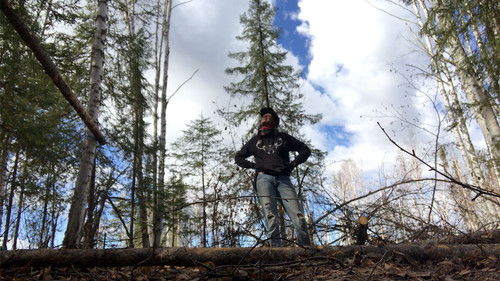
Filmmaker/activist Melaw Nakehk’o has spent the pandemic with her family at a remote land camp in the Northwest Territories, “getting wood, listening to the wind, staying warm and dry, and watching the sun move across the sky.” In documenting camp life—activities like making fish leather and scraping moose hide—she anchors the COVID experience in a specific time and place.
Gil Cardinal searches for his natural family and an understanding of the circumstances that led to his becoming a foster child. An important figure in the history of Canadian Indigenous filmmaking, Gil Cardinal was born to a Métis mother but raised by a non-Indigenous foster family, and with this auto-biographical documentary he charts his efforts to find his biological mother and to understand why he was removed from her. Considered a milestone in documentary cinema, it addressed the country’s internal colonialism in a profoundly personal manner, winning a Special Jury Prize at Banff and multiple international awards.

In July 1990, a dispute over a proposed golf course to be built on Kanien’kéhaka (Mohawk) lands in Oka, Quebec, sets the stage for a historic confrontation that would grab international headlines and sear itself into the Canadian consciousness.
Filmmaker Kevin McMahon accompanies the Haida delegation on a repatriation trip to Chicago in 2003. His film reveals the whole repatriation process through the stories and experiences of the people who participated, both Museum staff and the Haida people.
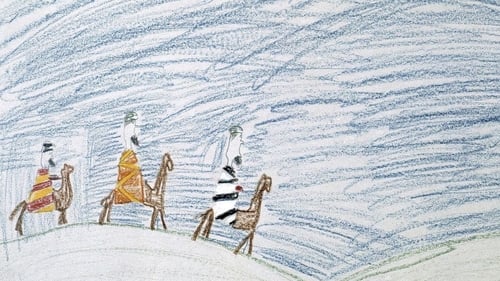
A study of life at Christmastime in Moose Factory, an old settlement mainly composed of Cree families on the shore of James Bay, composed entirely of children's crayon drawings and narrated by children.
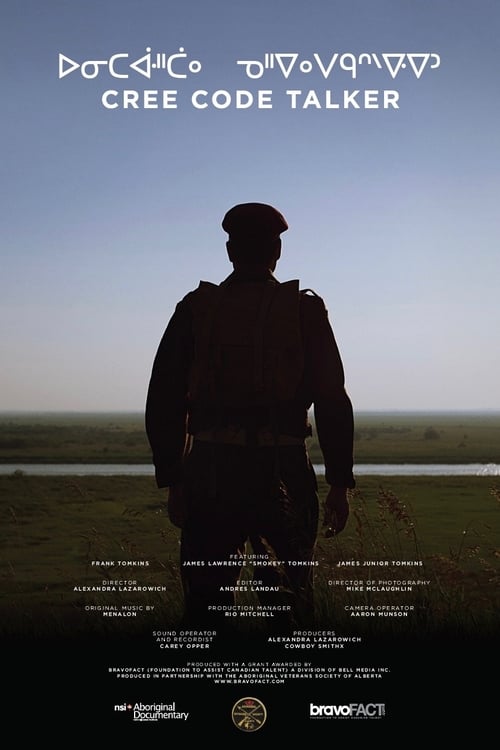
CREE CODE TALKER reveals the role of Canadian Cree code talker Charles 'Checker' Tomkins during the Second World War. Digging deep into the US archives it depicts the true story of Charles' involvement with the US Air Force and the development of the code talkers communication system, which was used to transmit crucial military communications, using the Cree language as a vital secret weapon in combat.
A First Nations boy in the Australian outback adopts an injured dingo. The two of them set off on a quest to find an emu.