
Action
Adventure
Animation
Comedy
Crime
Documentary
Drama
Family
Fantasy
History
Horror
Music
Mystery
Romance
Science Fiction
Thriller
War
Western
Found 15 movies, 1 TV show, and 0 people
Can't find what you're looking for?

When 17-year-old Rein discovers a group of Estonian folk dancers practising in London, he joins them in secret knowing that his cool skateboarding friends would not approve of this hobby and new community of dance friends of various ages.

Bayanihan National Folk Dance Company’s Creative Imagination @65 Tanghalan Naming Tahanan, CCP August 31, 2021
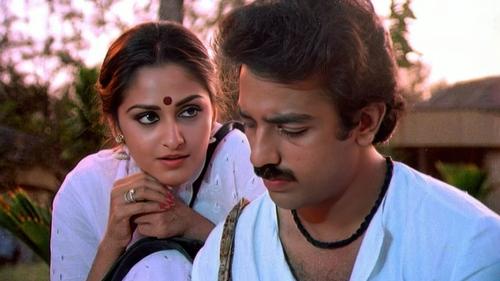
When a passionate classical dancer, Balakrishna, falls in love with Madhavi, a woman who admires his talent, fate separates them. Years later, as he drowns in sorrow and self-destruction, an unexpected encounter rekindles his lost hopes, emotions and talent.
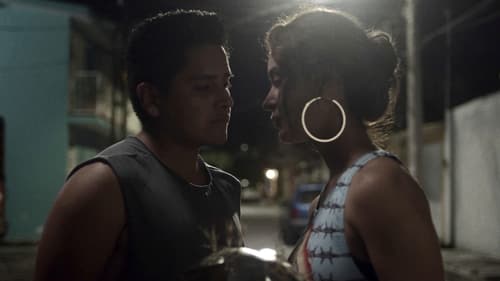
Saúl, a young bricklayer from Chilpancingo, Mexico, dreams of dancing in Los Tlacololeros dance, but lack of money and family problems prevent him from doing so. The brother of the girl he likes invites him to belong to his criminal group.
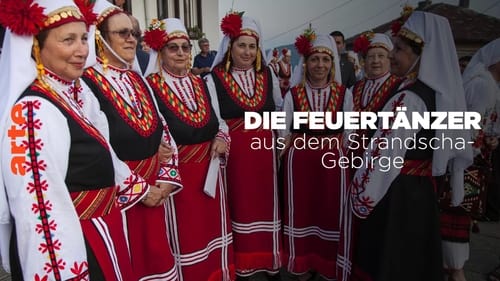
Every year in June, the small Bulgarian village of Balgari celebrates St Constantine with a special ritual. Initiated ‘nestinari’ go into a music-induced trance and dance on bonfires in a display of religious passion.
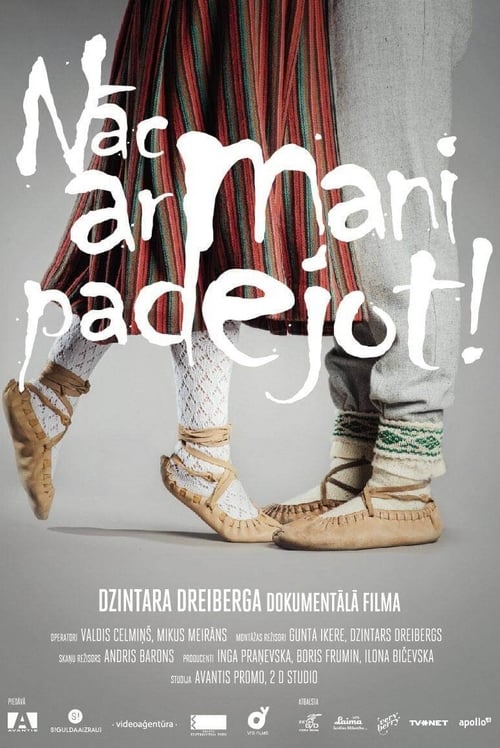
A high-school folk dancing group heads to Latvian School Youth Song and Dance Festival, an event that takes place every five years and is part of the Latvian national identity – this is the culmination point of five years of work. Away from their homes and parents, they spend seven days and nights together. They are 18 and have just graduated, and this seems to be the last idle summer of their lives. Dreams mix with boredom, silly jokes with serious conversations. Taking care of one another creates affection and grows into a collective power. There are thousands like them at the festival. Every individual sensation turns into a common celebration that becomes more than just a tradition.
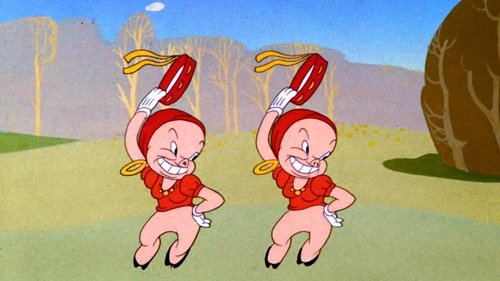
A tuxedo-clad wolf Master of Ceremonies announces the evening's program: the tale of the Big Bad Wolf and the Three Little Pigs, set to the music of Johannes Brahms's Hungarian Dances. Queue the fairy tale.

The members of the Ayrudzi troupe travel across various villages of Armenia on horseback and put on folk song and dance concerts and shadow theatre performances for the locals.
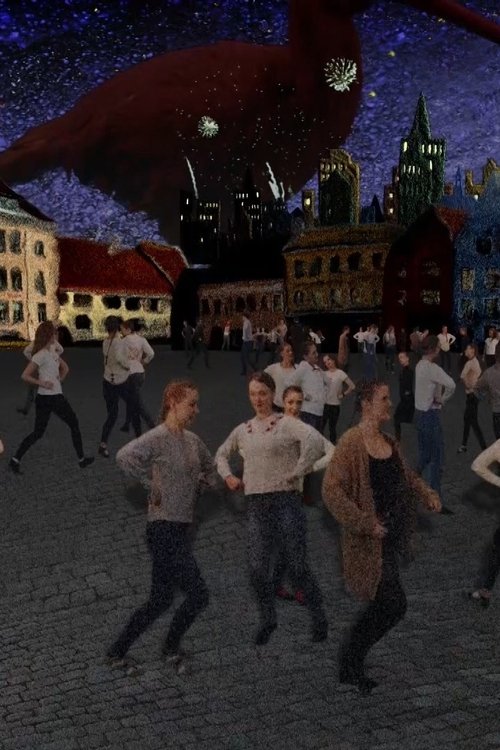
The development of nature is controlled by the genetic chain. Life goes on as the information code is stored in the gene chain. Every living being tries to indulge and laze. Unfortunately, development doesn't happen this way. The gene chain only rusts. Progress will only be made if there is an urgent need for it. The protagonist's rusty gene chain only starts working when the fear of death arises. What code is hidden in the human gene chain becomes clear during development. Mankind has debated the meaning of life for a long time, not knowing that it has long been found. What everyone is striving for is collectively creating strange patterns. After that, we become the starting point of a new gene chain again.

A short film exploring the joy and importance of Morris dancing for a group of young people.
No description available for this movie.
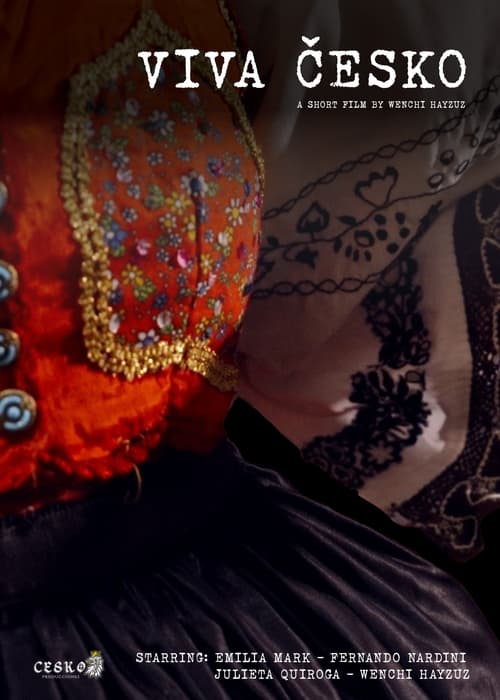
Melina is part of a Czech cultural club in Buenos Aires, Argentina, where she practices traditional folk dance. She is in love with one of the other dancers in the group, Marco, but she can't express her love to him. During the witch-burning festival of pálení čarodějnic, she will attempt to express her feelings.
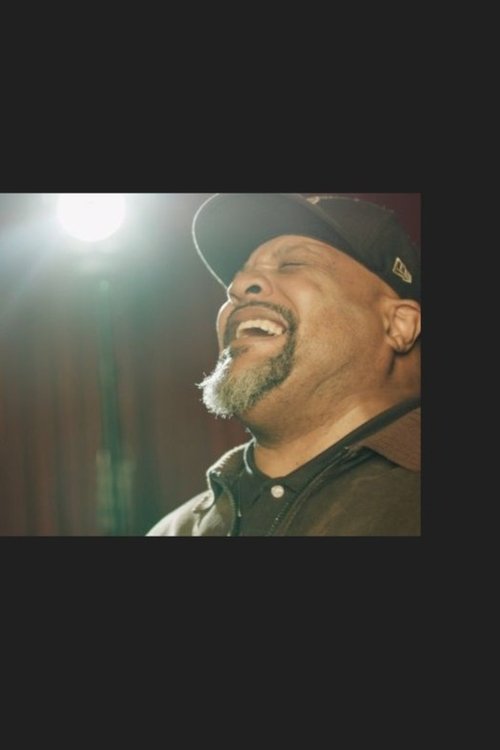
Shot in part at 10,000 feet at Gross Reservoir in Colorado over a span of 12 years, this short film, featuring the indomitable Rennie Harris, shares a dreamscape glimpse into the vernacular dance form, hambone, or “Patin’ Juba.” This work positions the powerful resilience of the Black male body in the face of white surveillance and the survival and evolution of the dance/music form of hambone within and beyond the histories of enslavement.

The moment when the lights on the stage suddenly go out and the dancer finds himself completely alone in the digital environment, the way back to the viewer must be sought again. Only by looking at oneself, Latvianness and the code of identity - in the lines and patterns of Latvian signs, an unimaginable power will be revealed. And one to one, two to four, tens to hundreds, and "one" will be "we" again. "To dress in Latvian signs" ("Latvju zīmēs rotāties") is a special and unique event in the history of Latvian stage folk dance, because instead of the usual stadium or stage format, the signs are arranged in a digital environment, merging hundreds of dancers with tradition, animations and editing possibilities. Also, what has been unprecedented in the context of stage folk dance is the sound quality with which this performance offers to listen to 15 original compositions based on folk lyrics by Mārtiņš Miļevsks.
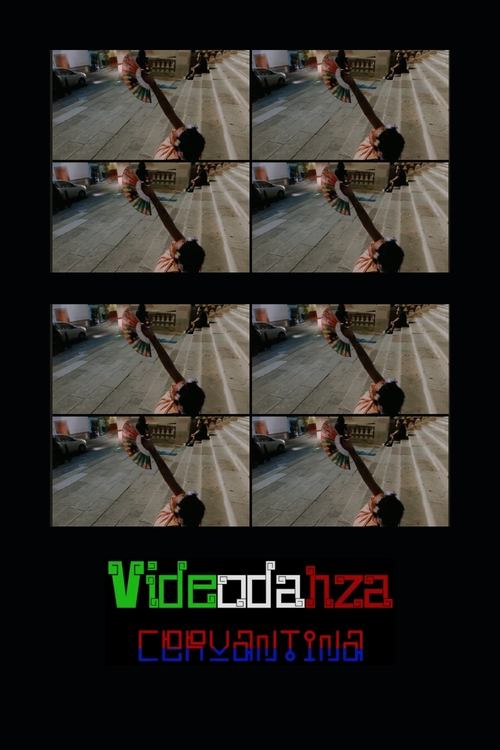
A performer reflects on her mixed Korean-Mexican heritage in a melding of folk cultures through dance.