
Action
Adventure
Animation
Comedy
Crime
Documentary
Drama
Family
Fantasy
History
Horror
Music
Mystery
Romance
Science Fiction
Thriller
War
Western
Found 20 movies, 14 TV shows, and 0 people
Can't find what you're looking for?
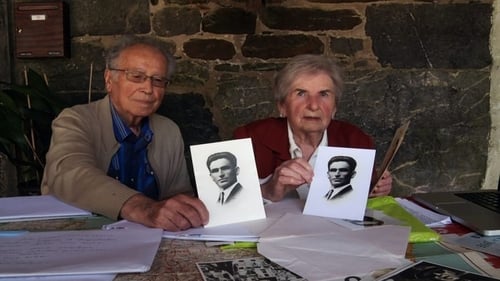
Franco on Trial is the new film by Dietmar Post and Lucía Palacios. After the success of Franco's Settlers, their first encounter with Franco's dictatorship, they are now setting their sights on one of the darkest chapters of European history: the presumed organized extermination that took place during the coup, the war, and the subsequent dictatorship led by Franco, as well as Argentina's current effort, by invoking the principle of universal jurisdiction, to prosecute Francoists accused of committing crimes against humanity. The film is also a sore reminder of an issue that still stands today: the clear-cut accountability held by Germany, Italy, and Portugal. The film accomplishes to give both sides a voice - those against whom the killing has been directed; and the side of the perpetrators.
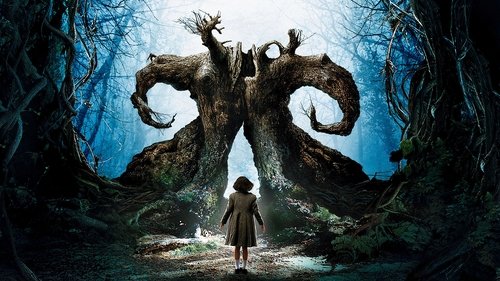
In post–civil war Spain, 10-year-old Ofelia moves with her pregnant mother to live under the control of her cruel stepfather. Drawn into a mysterious labyrinth, she meets a faun who reveals that she may be a lost princess from an underground kingdom. To return to her true father, she must complete a series of surreal and perilous tasks that blur the line between reality and fantasy.
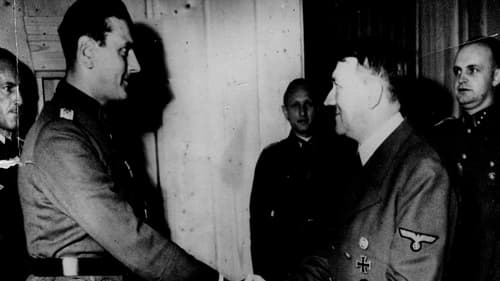
Waffen-SS officer Otto Skorzeny (1908-75) became famous for his participation in daring military actions during World War II. In 1947 he was judged and imprisoned, but he escaped less than a year later and found a safe haven in Spain, ruled with an iron hand by General Francisco Franco. What did he do during the many years he spent there?
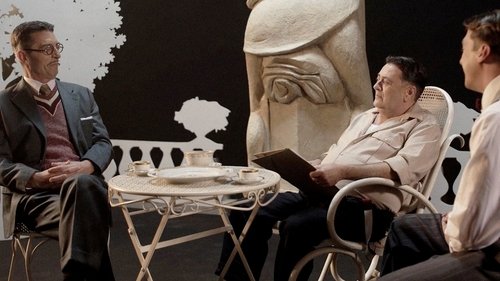
The life story of Vicente Miguel Carceller (1890-1940), a Spanish editor committed to freedom who, through his weekly magazine La Traca, connected with the common people while maintaining a dangerous pulse with the powerful.
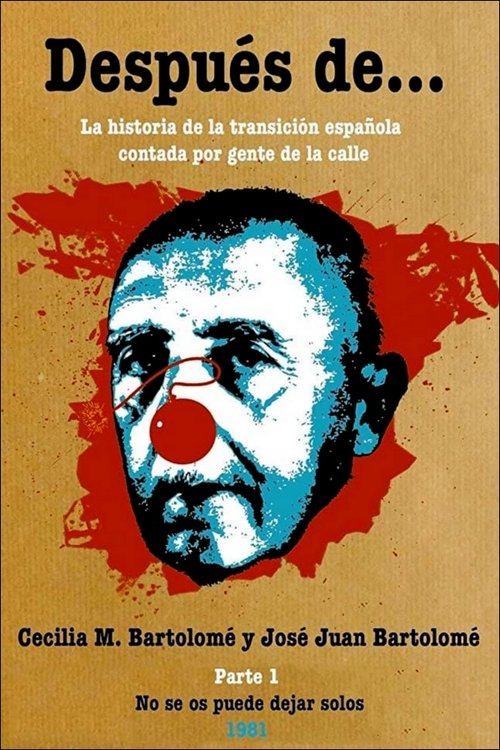
A history of the Spanish Transition told in first person by the main protagonists: on the one hand, the politicians, idealistic or merely opportunistic, who brought it to a successful conclusion in the tribunes and offices; on the other hand, the citizens who, in the streets, supported it sincerely or fought it with ferocity.
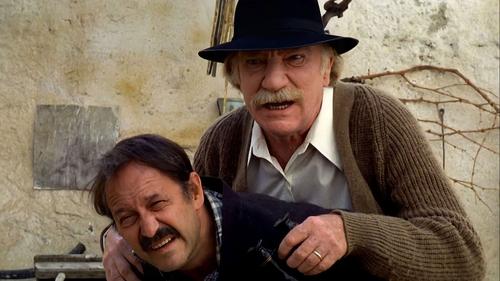
After the death of dictator Francisco Franco, Florentina gives her family shocking news.

Diego is one of the chiefs of the Spanish Communist Party. On his way from Madrid to Paris, he is arrested at the border for an ID check but manages to get free. When he arrives in Paris, he starts searching for one of his comrades to prevent him from going to Madrid where he could be arrested.
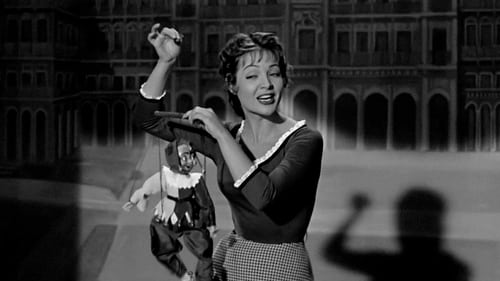
Born in Campo de Criptana, a small village in the Spanish region of La Mancha, Sara Montiel (1928-2013) conquered Mexico, Hollywood, and the hearts of people. The recognition of an unparalleled professional career, an intimate dialogue with a tireless worker who took the stage at the age of twelve and never got off. A movie star who seduced millions of viewers around the world, a singer who reinvented a musical genre, a woman who broke the mold…
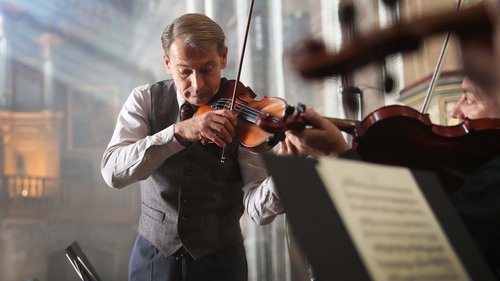
Prades, France, 1940s. The exiled Catalan cellist Pau Casals decides not to perform any more in public until the fall of the dictatorship that oppresses Spain. Pierre, a young Frenchman studying with Casals, tries to convince him to celebrate an extraordinary concert as a tribute to freedom.
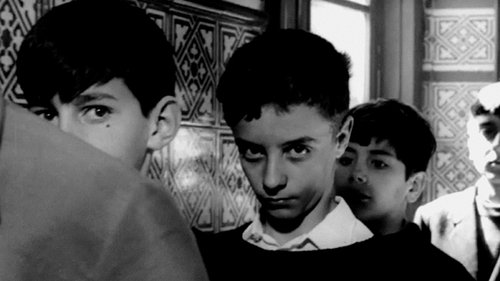
When, in a very strict Catholic school, a teacher enters a bathroom and surprises two students engaged in forbidden sexual practices, some of their classmates do not know whether to remain silent or rat out their own friends when questioned by school authorities.
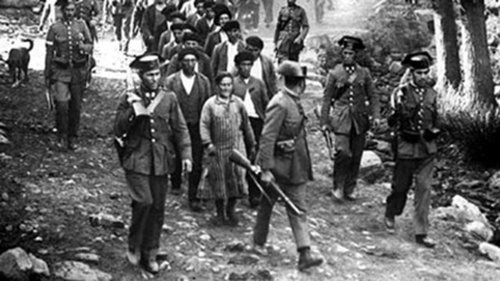
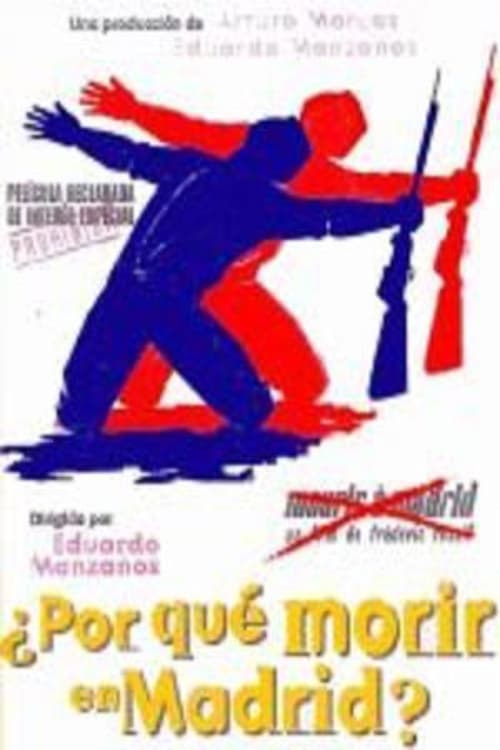
Morir en Madrid brings together several papers on the Spanish Civil War and integrates capturing different points of view, intended to represent the continuity of the suffering of the Spanish during the Franco regime. The death of Federico Garcia Lorca, Guernica, the defense of Madrid, the International Brigades, are some of the items comprised in this document.
No description available for this movie.
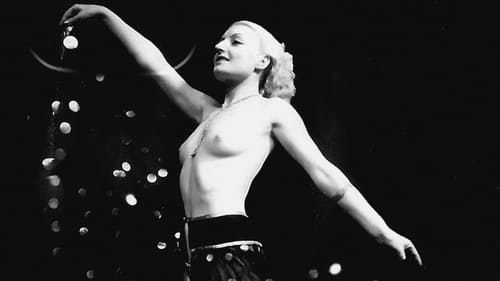
Upon the outbreak of the Spanish Civil War in July 1936, the anarchist union CNT socialized the film industry in Spain, so in Madrid and Barcelona film workers took over the production assets and, between 1936 and 1938, numerous films on a wide variety of topics were released, composing a varied mosaic that gives rise to one of the most unusual and original moments of Spanish cinematography.
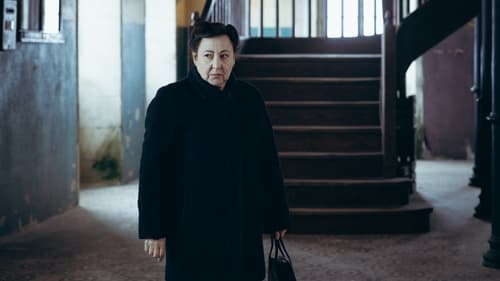
Remedios Buendía defends her homeland and will fight for it. This fateful day of 1945, a group of maquis take the post where she tries on her wedding dress. She will show how far she can go defending her values.
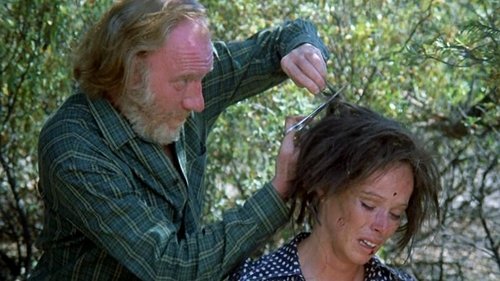
The young but traveled Ana arrives in a manor in the countryside of Spain to work as nanny of three girls and finds a dysfunctional family.
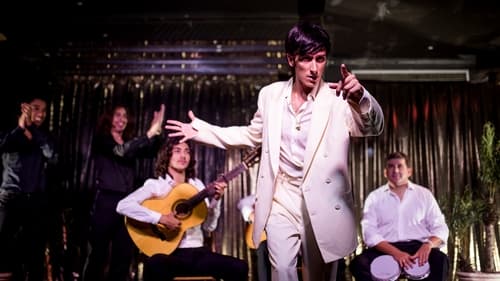
In his time of greatest splendor, the singer Miguel 'Bambino' Vargas Jiménez (1940-99) was the last frontier of flamenco, an immense musical genre that he developed and brought closer to large audiences: an artist of artists, the idol of the roadside bars, whose inimitable style, scenic magnetism and heartbreaking personality made of his figure a myth, a king without a kingdom, a giant of the popular music of the 20th century.
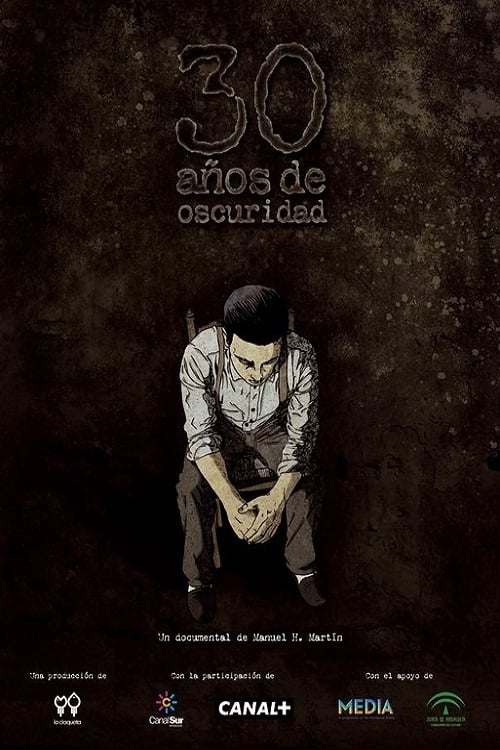
When the Spanish Civil War came to an end, Manuel Cortes was unable to flee the country. After a long journey, he managed to get back home in the dark without being discovered. His wife, Juliana, told him how the winning forces were shooting many of their fellow citizens. Manuel and Juliana decided to dig a small hole in the wall for Manuel to hide in. He could not even begin to imagine that this small hideaway was to become his private jail for the following 30 years. This is the story of the so-called post-war moles, people who had to put their lives on hold in order to escape from the repression imposed by the victors of the civil war.
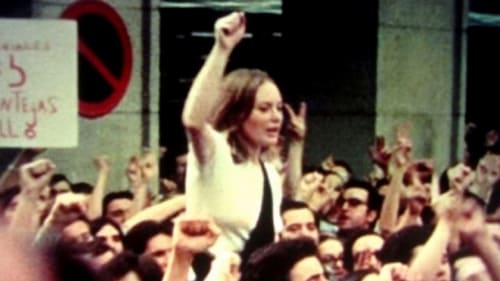
How does a country go from a dictatorship to a democracy? A detailed report on the political representation in the heart of the Spanish Transition, only a few months after General Franco’s death, when the sincere democratic vocation of Spanish people must effort to destroy, one heavy brick after another, the wall that those who supported the dictatorship and those who fought it from the exile built with resentment, hatred and prejudices.
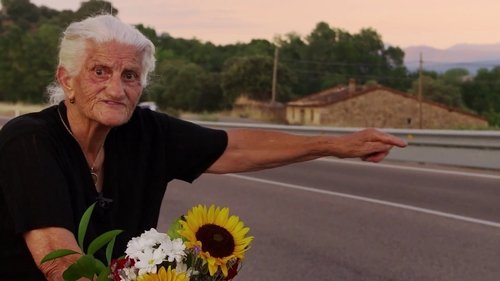
The story of the tortuous struggle against the silence of the victims of the dictatorship imposed by General Franco after the victory of the rebel side in the Spanish Civil War (1936-1975). In a democratic country, but still ideologically divided, the survivors seek justice as they organize the so-called “Argentinian lawsuit” and denounce the legally sanctioned pact of oblivion that intends to hide the crimes they were subjects of.
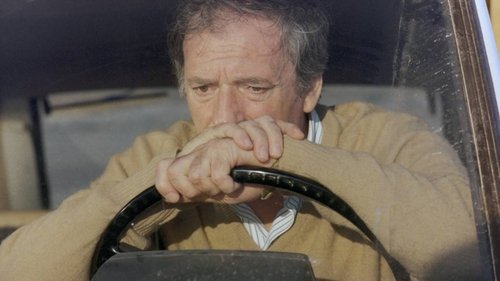
France, 1975. Jean, an exiled Spanish Communist, is a successful screenwriter who, after a tragic event, struggles with his political commitment, his love for his country, under the boot of General Franco, whose death he and his comrades have waited for years, and his complicated relationship with his son. (A sequel to “The War Is Over,” 1966.)