
Action
Adventure
Animation
Comedy
Crime
Documentary
Drama
Family
Fantasy
History
Horror
Music
Mystery
Romance
Science Fiction
Thriller
War
Western
Found 10 movies, 1 TV show, and 0 people
Can't find what you're looking for?

Germans colonized the land of Namibia, in southern Africa, during a brief period of time, from 1840 to the end of the World War I. The story of the so-called German South West Africa (1884-1915) is hideous; a hidden and silenced account of looting and genocide.

There is an interlinking history of violent European colonialism and the cultural legacy of ethnographic collections in institutions. This documentary traces the progression of colonial history from the Berlin Conference of 1884-85 to the systematic elimination of cultural traditions, religions and lifeways which would occur sporadically through genocides and warfare until the early 20th century throughout the African continent—surveying the inquiries and movements for historical justice, the relationships between European institutions and colonial violence and following enduring struggles against these organisations to regain what was taken.
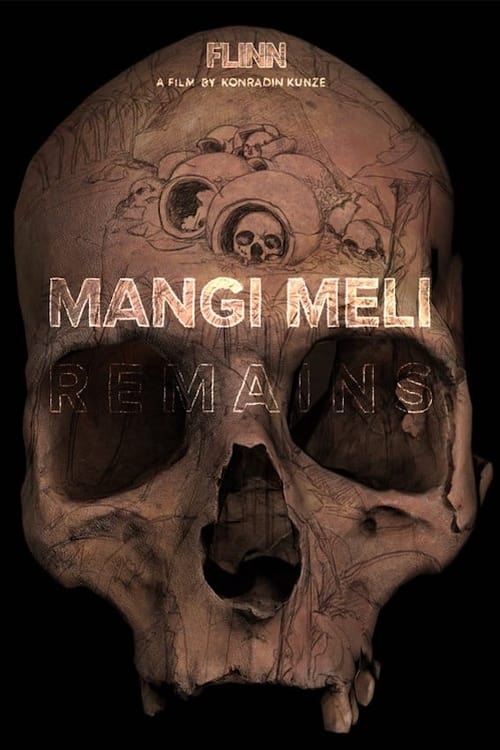
In Old Moshi, Tanzania, a head is missing : the skull of Chief Meli, who fought the German colonial occupation of his territory and was executed in response to his resistance in 1900. This animated film, based on archival sources and oral accounts provided by Chief Meli's grandson, sheds light on the racist roots of physical anthropology and ethnological museums.

Between 1904 and 1908, when Namibia was still called German South West Africa and a German colony, up to 60,000 Ovaherero and 10,000 Nama died at the hands of German colonialists. The crimes of the German colonial rulers went down in history as the first genocide of the 20th century. The Afro-German presenter and influencer Aminata Belli travels to the African country to investigate the extent to which the legacy of the German colonial era affects the present day of Namibian society. She pays particular attention to the involvement of the Protestant Church in the subjugation of the indigenous people and the sense of guilt of the descendants of the German settlers as well as the Germans themselves. To do this, the fashion journalist interviews various people on site and pretends to be interested in the following questions: Were the missionaries of the time guilty? How does a country heal when horrific things have happened there? And is reconciliation possible?

Hamlet and Ophelia reckon with their doomed narratives against the backdrop of the similarly doomed pre-Wende Germany and 2020s United States. A short-film adaptation of the 1977 East German Heiner Müller play of the same name.
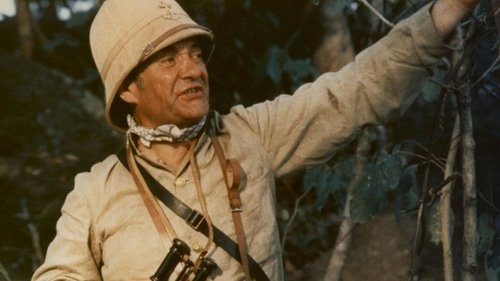
French colonists in Africa, several months behind in the news, find themselves at war with their German neighbors. Deciding that they must do their proper duty and fight the Germans, they promptly conscript the local native population. Issuing them boots and rifles, the French attempt to make "proper" soldiers out of the Africans. A young, idealistic French geographer seems to be the only rational person in the town, and he takes over control of the "war" after several bungles on the part of the others.

After numerous military operations, Major Müller can't find a way back into civilian life. Following his urge to communicate, the Major is looking for listeners and encouragement. He doesn't find either. Instead, the repeated monological memory of his own heroic deeds determines his present – with all the consequences. This 30-minute short film is based on the statements made by the mercenary Siegfried Müller in the documentary “The Laughing Man” (Walter Heynowski and Gerhard Scheumann, DEFA studio for newsreels and documentaries, 1966), as well as records from the German colonial period in Africa. An intensive contribution to the necessary public debate about the consequences of military operations.

Silent adventure film
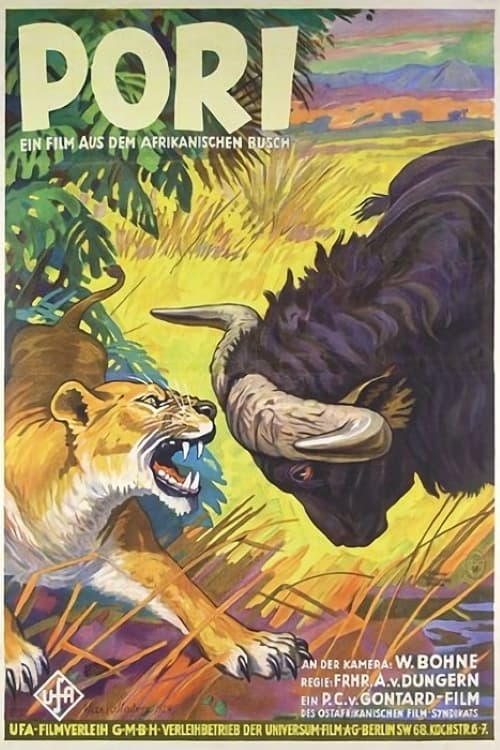
Expedition by Gontard Herbert Kluge into the heart of the former German colony of "East Africa". This land is called Pori by the locals. The film shows mainly zoological images.
This documentary questions the consequences of the German colonial war at the beginning of the 20th Century in South West Africa, and explores how the relationships between the descendants of colonists and colonial rulers and the descendants of the colonised and exploited people are shaped today.