
Action
Adventure
Animation
Comedy
Crime
Documentary
Drama
Family
Fantasy
History
Horror
Music
Mystery
Romance
Science Fiction
Thriller
War
Western
Found 25 movies, 9 TV shows, and 0 people
Can't find what you're looking for?

The well-known illustrator Werner Klemke uses his drawings to teach the youngest bookworms about the value of reading. Taking this as a starting point, Lotte Thiel presents the GDR as a land of books whose capital is Leipzig. Figures and images from the 1971 International Book Art Exhibition underscore the significance accorded to books as a tool for shaping the “socialist personality”.
Overview of raw and finished products of the chemical industries in the GDR.
Short film showing the impact Lenin has had on the USSR and GDR with the spread of ideas of Marxism, Lenism and socialism. (Synopsis) Short film featuring footage of Lenin energetically speaking in front of a crowd and scenes from political parades in Moscow.
In a breakneck undertaking, the musicians of the "Modern Soul Band" take on the GDR rugby champions "Stahl Henningsdorf" in a seriously comical game.

Erich Honecker visits the Republic of Zambia
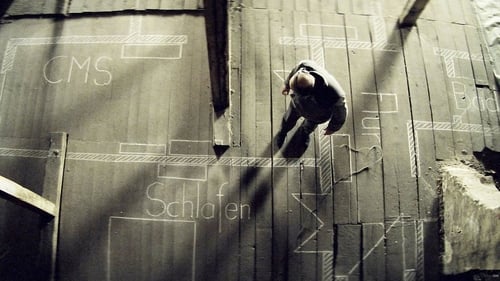
In 1984 East Berlin, dedicated Stasi officer Gerd Wiesler begins spying on a famous playwright and his actress-lover Christa-Maria. Wiesler becomes unexpectedly sympathetic to the couple, and faces conflicting loyalties when his superior takes a liking to Christa-Maria.
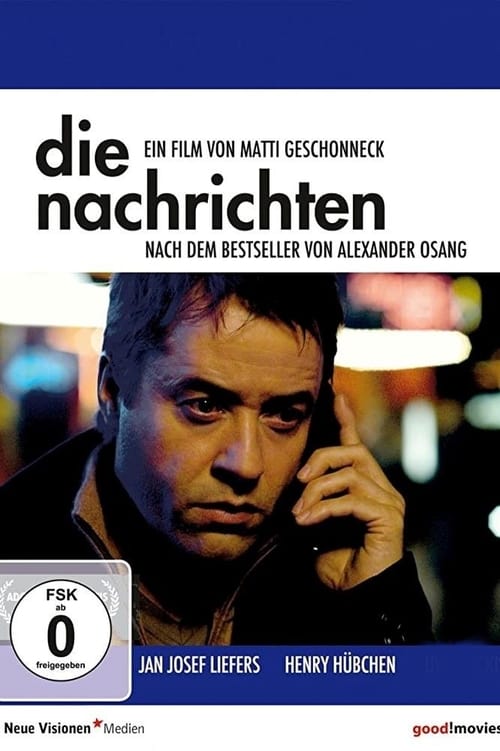
Jan Landers made it: Grown up in East Berlin, he quickly made his career after the turnaround: from the weatherman of a local station to the newsreader in Hamburg.

High-school senior Peter considers the adults around him to be hypocritical, self-congratulatory, and immersed in the past. He gets suspended for writing an essay that his teachers consider to be a challenge to the state. Just Don't Think I'll Cry became one of twelve films and film projects-almost an entire year's production-that were banned in 1965-1966 due to their alleged anti-socialist aspects. Although scenes and dialogs were altered and the end was reshot twice, officials condemned this title as "particularly harmful." In 1989, cinematographer Ost restored the original version, and this and most of the other banned films were finally screened in January 1990. Belatedly, they were acclaimed as masterpieces of critical realism.
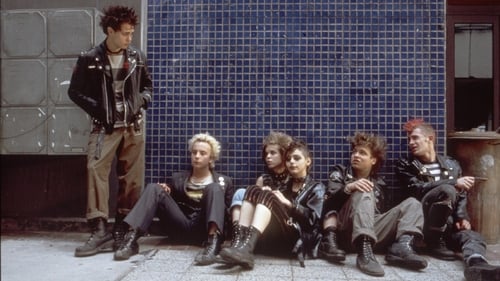
Germany 1982: The country is divided into two parts. Nele, coming from West-Germany, travels to East-Germany where she meets Captain, singer of a band. They fall in love with each other, but the regime "takes care" of their relationship, meaning: They can not see each other again. Germany 1990: The country is reunited. Nele starts searching their lost love...
No description available for this movie.
The film accompanies Jenny Gröllmann, a German actress, during the last two years of her life.
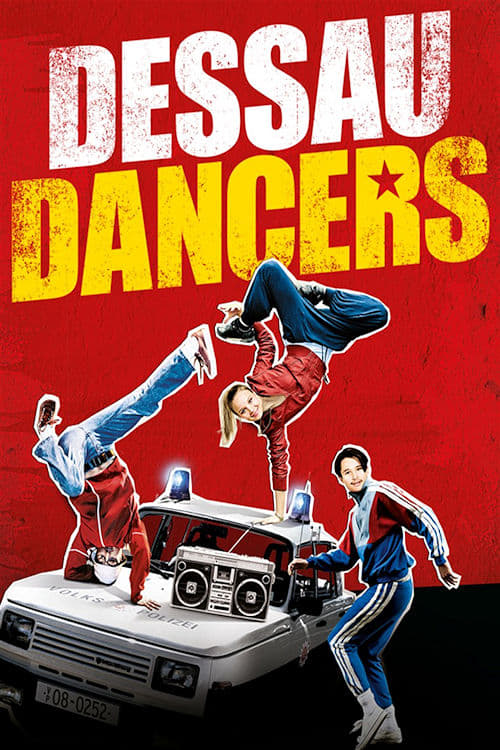
In the summer of 1985, an American movie also ignites young people in the GDR: "Beatstreet" ensures full cinemas and subsequently a new phenomenon in the streets - breakdancing! The 18-year-old Frank is electrified and founds the "Break Beaters" with like-minded friends in Dessau. The troupe dances on the streets and soon forms the spearhead of the breakdance movement in the GDR. But sooner than they would have liked, the street dancers came to the attention of the state. And they like to keep control over the leisure activities of their youth. Because what the GDR cannot ban, it tries to control - ergo the project must become socialist! So breakdancing becomes "acrobatic show dancing" and the "Break Beaters" are built up as a showcase troupe, sent around the country and soon celebrated like rock stars. But fame comes at a price and Frank slowly realizes that the price is pretty high.
No description available for this movie.

Ina, just released from prison, returns to the place of her childhood in search of life and meets the occasional desperado Domühl in her mother's house, which has been empty for thirty years. Hagen, a mentally handicapped resident, also ends up in this unusual landscape somewhere in the middle of nowhere south of Berlin in search of his uncle.
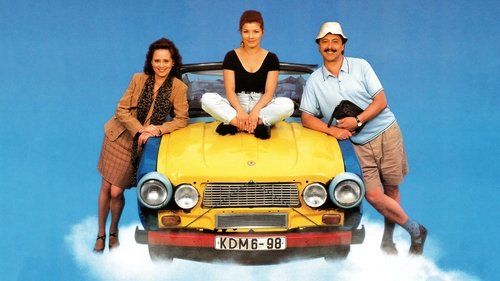
Elated by the Italian attitude to life, family Struutz returns to Bitterfeld and experiences a shock: In the turmoil of the reunification her house must give way to a golf course. Hope Udo teacher, his wife Rita and daughter Jacqueline through the surprising inheritance of a factory near Dresden. But of market economy, the staid Saxons unfortunately have no idea. Help comes in the guise of adventurer and condoms dealer Charlie, who works as a "business consultant" and gives Udo a Rock & Roll crash course in capitalism - with unsurpassed success.
Erich Honecker ruled the GDR for 18 years. His fall in 1989 heralded the downfall of the state that had called itself "the better Germany" for 40 years. Nazi victim and autocrat, bourgeois and power-conscious: Honecker was an ideological hardliner who coordinated the construction of the Wall in 1961 and whose regime was known as an unjust state for Wall deaths, firing orders, the Stasi and forced adoptions. In the wake of the fall of communism, the former model socialist fell into homelessness and found himself on the run in his own country. Suffering from cancer, he managed to evade responsibility before a court by emigrating to Chile, where he died in 1994. This gripping documentary portrays the rise and fall of this contradictory German politician with an impressive array of top-class international and national contemporary witnesses. Erich Honecker would have been 100 years old on August 25, 2012.
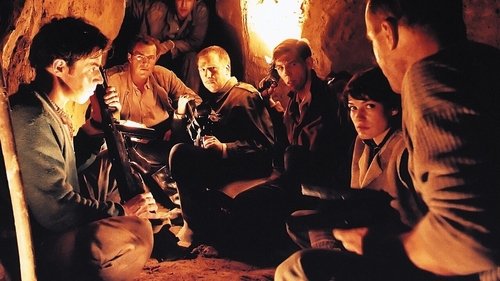
Inspired by true events, Olympic swimmer Harry Melchior defects from East Germany in the 1960s and hatches a daring plot to help his sister and others flee East Berlin through a 145-yard underground tunnel.
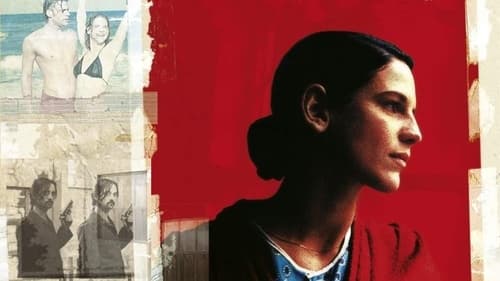
Radical West German terrorist Rita Vogt abandons the revolution and settles in East Germany with a new identity provided by the secret service. She lives in constant fear of having her cover blown, which unavoidably happens after the reunification.
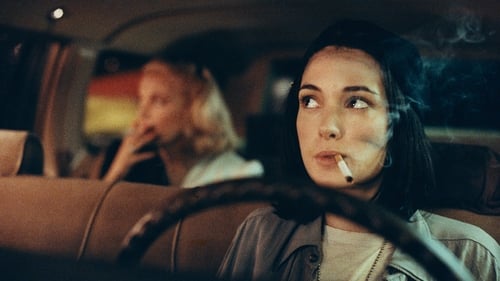
A quintet of cabbies in five cities and their remarkable fares on the same eventful night.

"GDR The uprising of June 17, 1953" - : Since its founding, the German Democratic Republic (GDR) has repeatedly struggled with domestic political problems. While the standard of living of the population in the western part of Germany steadily increased, it stagnated in the GDR . A one-sided, industry-oriented reconstruction policy, coupled with rapid militarization, weighed on the country's economy, which was already under pressure from Soviet reparations demands. A majority of the population did not identify with the socialist system, which accordingly stood on shaky ground.
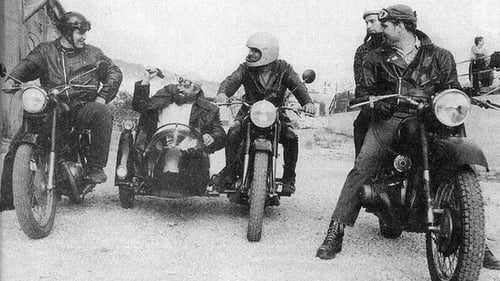
No description available for this movie.
No description available for this movie.
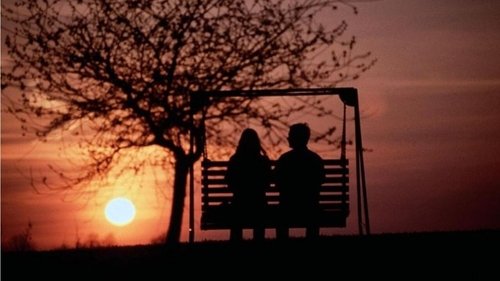
A young man from an early age falls in love with a girl whose family is not in good standing with the ruling Communist party. His father however is a member of the "Stasi", the secret state police. The father not only hinders his son's relationship with the girl, but he arranges for his son, after finishing school, to become a Stasi spy himself.
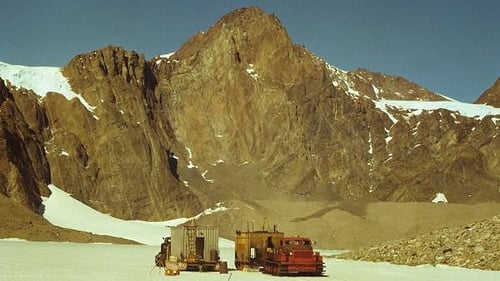
In 1989, thirteen GDR scientists and technicians set off from East Berlin to the Georg Forster research station in the Antarctic. During their expedition the Berlin Wall fell on November 9th. Cut off from the images that go around the world, the men can only experience the historical events passively. When they returned in the spring of 1991, their homeland was a foreign country. The documentary reconstructs the thoughts and feelings of the East German researchers on the basis of eyewitness accounts, diary excerpts, letters, film material, grandiose landscape shots from the location of the action and unique photos to make the consequences of the events tens of thousands of kilometers away on the small GDR expedition in the middle of the eternal ice tangible.
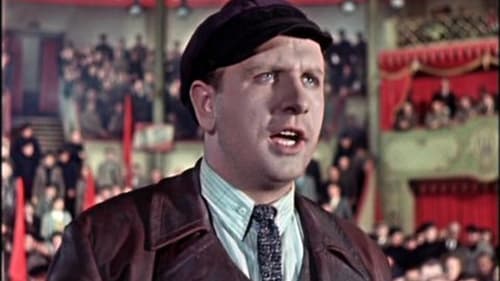
This film is the second of a two-part historical and biographical portrait of the communist politician and anti-fascist Ernst Thälmann. Autumn, 1918: Somewhere on Germany’s western front, Ernst Thälmann, age twenty-four, is calling on his fellow soldiers to put down their guns and join him in the communist struggle at home. When Hamburg’s Police Commissioner blocks a much-needed food shipment to the workers of Petrograd, Ernst battles to see it allowed through. Until his murder on August 18, 1944, Ernst remained true to his political convictions in the face of many setbacks.