
Action
Adventure
Animation
Comedy
Crime
Documentary
Drama
Family
Fantasy
History
Horror
Music
Mystery
Romance
Science Fiction
Thriller
War
Western
Found 34 movies, 12 TV shows, and 0 people
Can't find what you're looking for?
The history of Hollywood musical movies, from the very beginning until the 21st century, hosted by Shirley Jones.
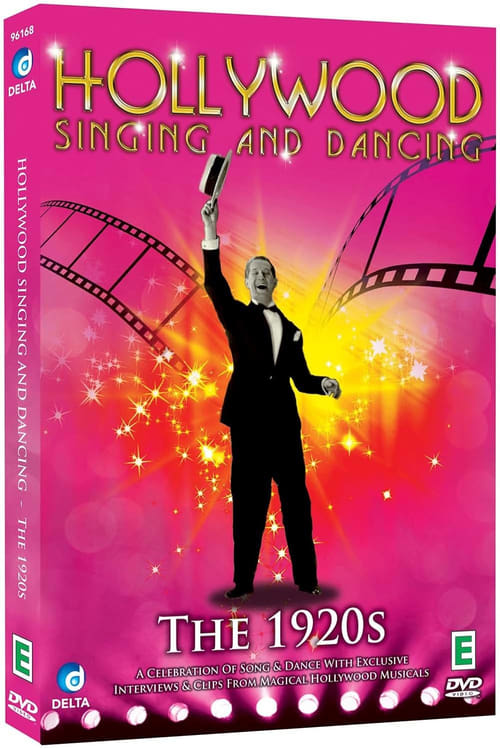
The 1920s was a time of great change in Hollywood. This program tells the story of the advent of sound technology for movies and the emergence of talkies and musicals in Hollywood. While audiences cried out for more, the movie industry struggled to adapt to the strange new technology. The result was an explosion of movie musicals by the end of the decade.
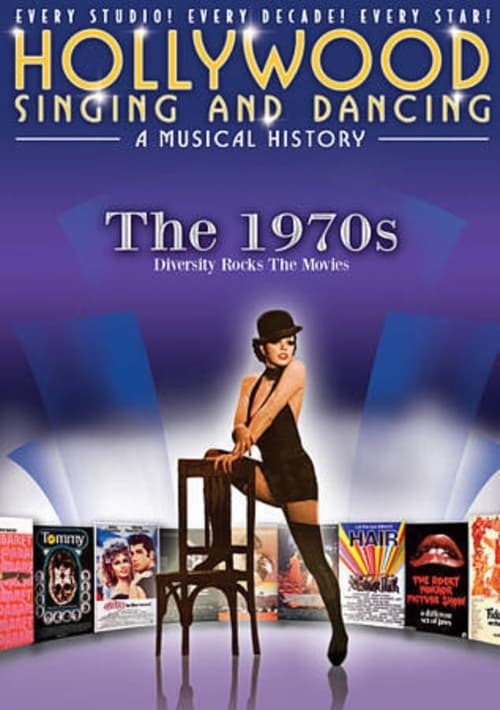
Narrated by the legendary Shirley Jones, this installment of the Hollywood Singing and Dancing series shines a light on the musicals of the 1970s, a time when the very look of the genre was changing. Highlights include clips from squeaky-clean family fare such as Fiddler on the Roof, as well as more envelope-pushing options like Cabaret, Grease, The Rocky Horror Picture Show, Tommy, Jesus Christ Superstar and Hair.

A deliciously scandalous portrait of unsung Hollywood legend Scotty Bowers, whose bestselling memoir chronicled his decades spent as sexual procurer to the stars.
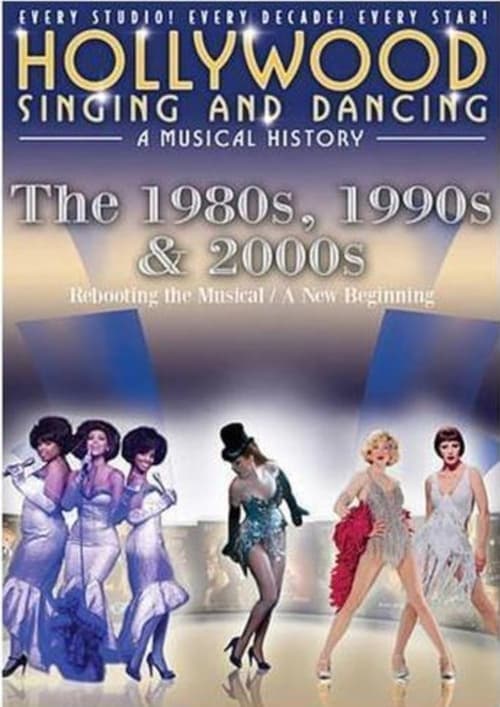
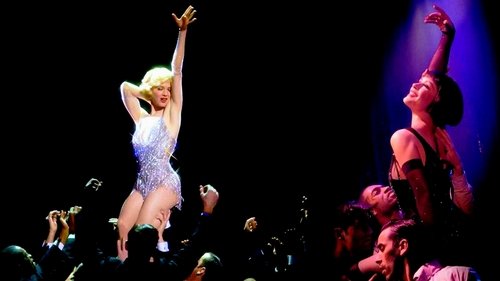
In the 1980s we got our MTV but seemed to have lost much of the musical film in the process. But the genre is resilient. A handful of masterpieces along with a few cult classics emerged from this decade. In the 1990s the Hollywood musical was largely animated, rather than live action. However, television had a surprising number of musical offerings, including “Gypsy” with Bette Midler and “Annie” which launched director Rob Marshall. In the 2000s musicals came back starting with “Moulin Rouge” and carrying on with “Chicago,” “Dreamgirls” and “Hairspray.” There are movies based on Broadway triumphs and once again there are teens singing and dancing.
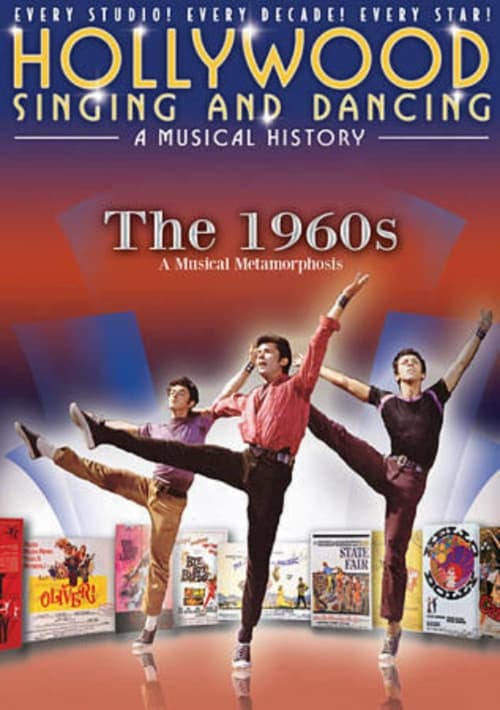
Documentary looking at the history of Hollywood musicals in the 1960s. This decade saw independent film companies becoming more prominent as the bigger Hollywood studios, who produced the mainstream musicals, experienced a decline. This brought the emergence of more realistic story lines and the use of contemporary music like rock 'n' roll. This programme features songs from the musicals 'West Side Story' (1961), 'The Music Man' (1962), 'Mary Poppins' (1964), 'The Umbrellas of Cherbourg' (1964), 'Funny Girl' (1968), 'Oliver!' (1968) and 'Sweet Charity' (1969).
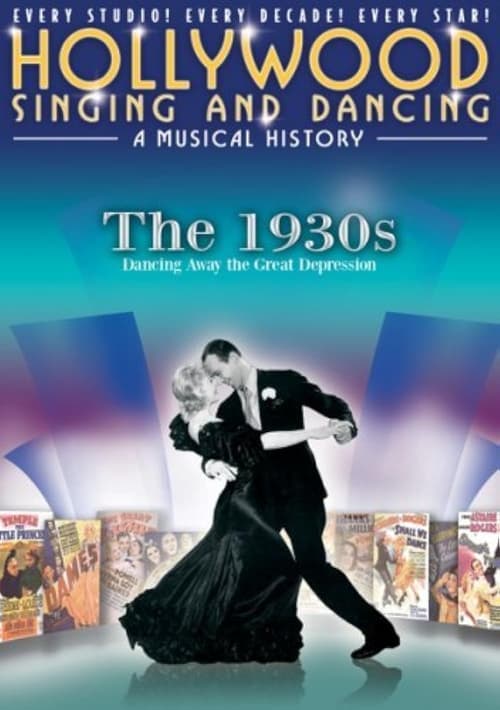
A two-hour in-depth exploration into the Hollywood musicals of the 1930s.
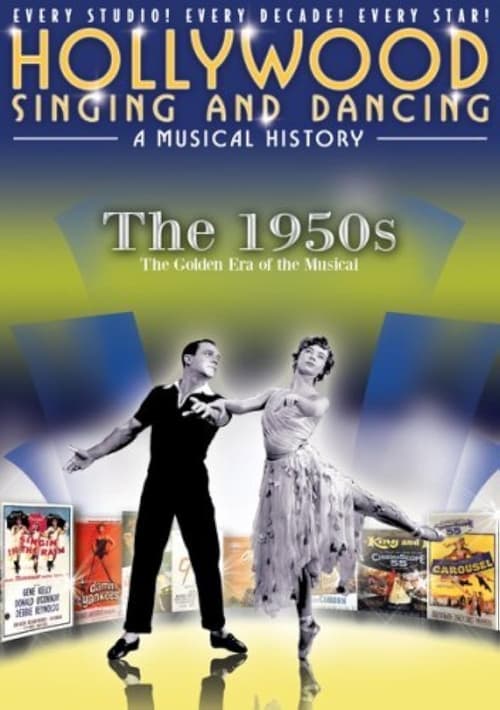
During the 1950s, musical masterpieces that have yet to be equaled were produced in Cinemascope with stereophonic sound. These two episodes explore how the post-war years were alive with bold experimentation in musical film. Later in the decade, Rock & Roll became the musical choice of the younger generation and movie musicals followed suit. Highlights of this 2-part program include: Films based on smash Broadway musicals become the rage. A pretty starlet with no musical training named Marilyn Monroe takes the country by storm in "Gentlemen Prefer Blondes." With favorites from the previous decade continue to delight audiences: Rock & Roll films, songs and musical numbers.

The Oscar-winning film “Patton” (1970), starring George C. Scott, is examined against the facts surrounding the flamboyant WWII general's life. Included: comments from Patton's grandson. Burt Reynolds narrates.
A biographical film about Scotty Bowers, a Hollywood hustler who was known for procuring male sex workers for closeted gay and bisexual film stars.

In one of his most popular talks, Dr. Menton exposes the distortions and inaccuracies in the play and movie 'Inherit the Wind'. An influential propaganda piece, 'Inherit the Wind' has deceived millions with the false belief that Christians went on a 'witch hunt' to stop John Scopes from teaching evolution. In reality it was a 'set up' by the American Civil Liberties Union!
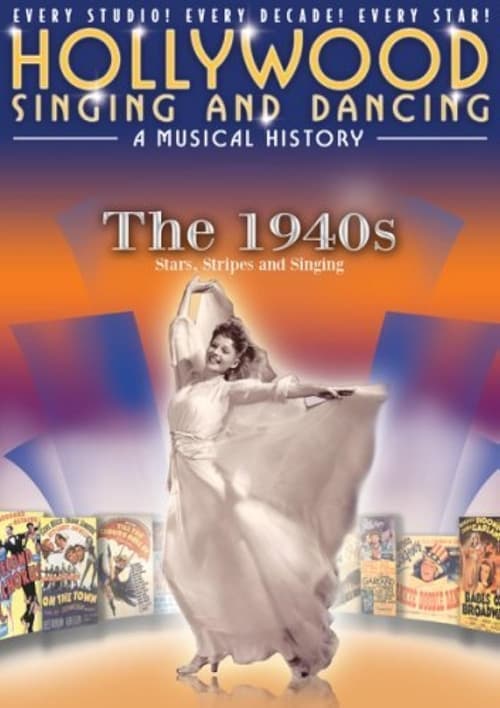
This is a two-hour in-depth exploration into the Hollywood musicals of the 1940s.
Go inside the history of the travelling mattes (now called chromakey) and learn the history of visual trickery used by filmmakers from the earliest filmmakers through to the modern day.

The definitive documentary on the history of nudity in feature films from the early silent days to the present, studying the changes in morality that led to the use of nudity in films while emphasizing the political, sociological and artistic changes that shaped that history. Skin will also study the gender inequality in presenting nude images in motion pictures and will follow the revolution that has created nude gender equality in feature films today.
Historian Larry Ceplair and blacklisted screenwriter Walter Bernstein discuss the production history of High Noon, Carl Foreman's blacklisting, and the McCarthy era.
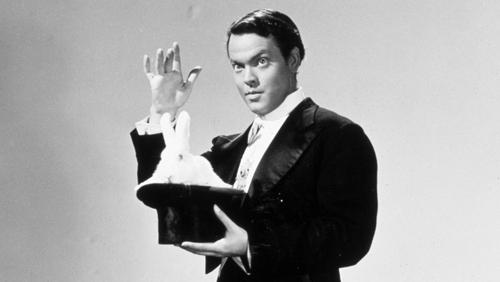
The extraordinary life of Orson Welles (1915-85), an enigma of Hollywood, an irreducible independent creator: a musical prodigy, an excellent painter, a master of theater and radio, a modern Shakespeare, a magician who was always searching for a new trick to surprise his audience, a romantic and legendary figure who lived only for cinema.

The trials and tribulations of David O. Selznick as he attempts to find an actress to play the role of Scarlett O'Hara in Gone with the Wind (1939).
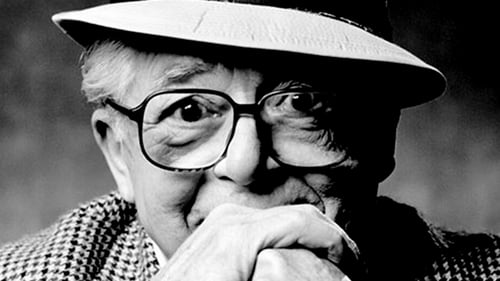
A funny walk through the life story of Billy Wilder (1906-2002), a cinematic genius; a portrait of a filmmaker who never was a boring man, a superb mind who had ten commandments, of which the first nine were: “Thou shalt not bore.”
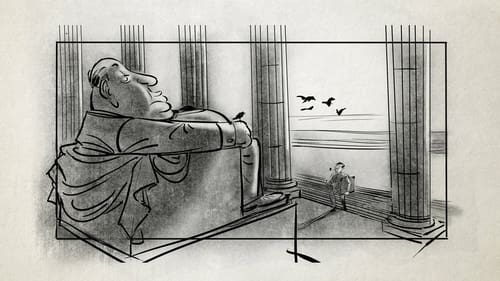
Working largely uncredited in the Hollywood system, storyboard artist Harold and film researcher Lillian left an indelible mark on classics by Alfred Hitchcock, Steven Spielberg, Mel Brooks, Stanley Kubrick, Roman Polanski and many more.
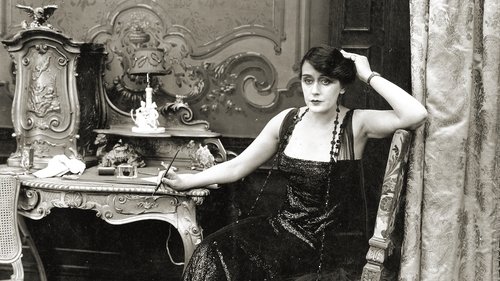
The epic life story of Alice Guy-Blaché (1873–1968), a French screenwriter, director and producer, true pioneer of cinema, the first person who made a narrative fiction film; author of hundreds of movies, but banished from history books. Ignored and forgotten. At last remembered.
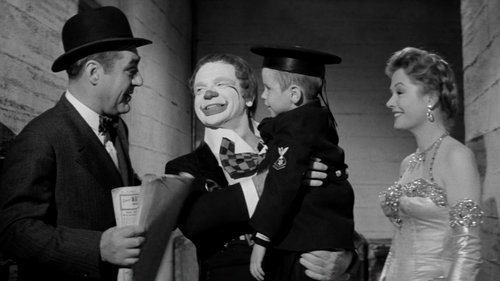
The turbulent life and professional career of vaudeville actor and silent screen horror star Lon Chaney (1883-1930), the man of a thousand faces; bearer of many personal misfortunes that even his great success could not mitigate.

For over 100 years, Hollywood cinema has crafted the ultimate "villain"- the Indian, as they were labeled in early Westerns. Confined almost exclusively to this genre, the Western became a vehicle for American racism, obscuring the genocide upon which the United States was built. In this documentary, only Native Americans are given a voice to share their story, one that has been overshadowed by Hollywood's portrayal. Their narrative, part of the larger American story, highlights how cinema has long been used as a powerful propaganda tool, distorting history and perpetuating harmful stereotypes.

In recent years, Hollywood productions have turned away from sensuality. Is the sex scene on the verge of extinction or reinvention? Alongside film professionals and researchers, this documentary deciphers a trend that speaks volumes about the evolution of the industry and our societies.
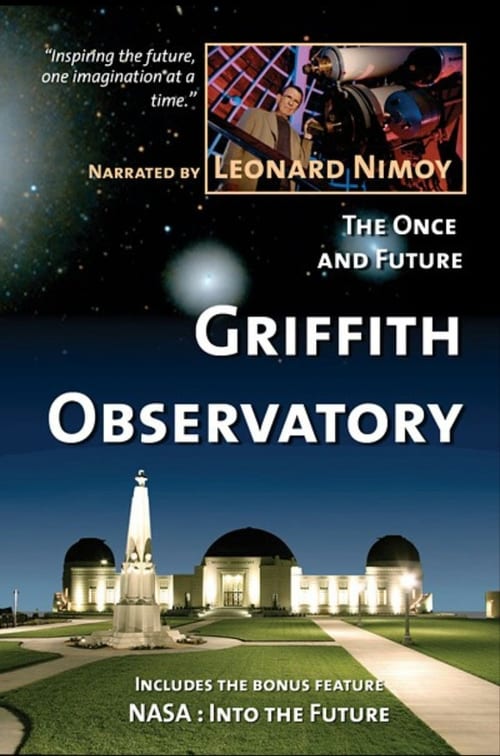
Documentary about the Griffith Observatory, shown at their Leonard Nimoy Event Horizon Theater

The daughter of iconic actor John Barrymore is reunited with her father after a ten year estrangement and engages in his self-destructive lifestyle.
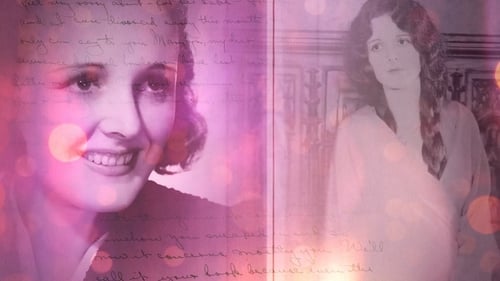
This documentary recounts the difficult choice actress Mary Astor had to make after learning her personal, very intimate, diaries had been stolen. The film tells the story of Astor's 1936 child custody case.
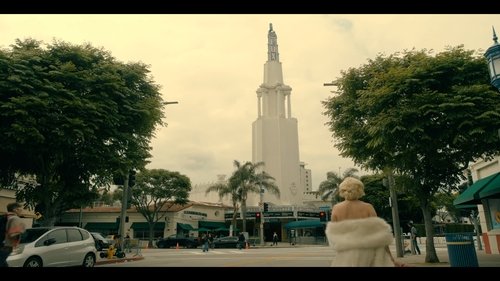
The Californian sun, which lights up the city, lights up again every evening in cinemas all over the world". Guided by these words from Blaise Cendrars, L.A. L.A. END is a stroll through Los Angeles, among the remnants of Hollywood's Golden Age. Following in the footsteps of a Marilyn Monroe lookalike, we meet a gallery of characters who paint a sensitive portrait of a bygone era that gradually becomes a portrait of a woman.
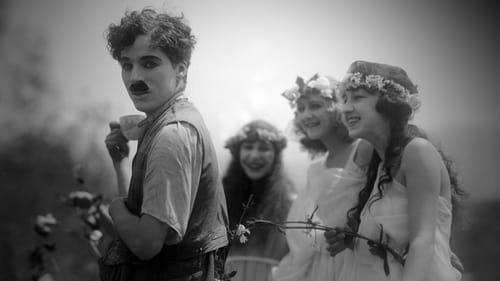
The whole world knows him. Burlesque comedy genius, popular actor, author, director, producer, composer, choreographer, Charlie Chaplin (1899-1977) used his talent to serve an ideal of justice and freedom. But his best scenario was his own destiny, a story written into the political and artistic history of the 20th century.

The story of how Norma Jeane Mortenson became Marilyn Monroe (1926-62), a lucid path of self-discovery, from anonymity to stardom: the painful birth of a myth.
Using testimonies by pioneers and witnesses of the times, delve into the feverish visual culture the media generated – with far-fetched examples of canine television games, seduction manuals, aerobics class while holding a baby, among others.
Biography on the famous writer-director, Billy Wilder.
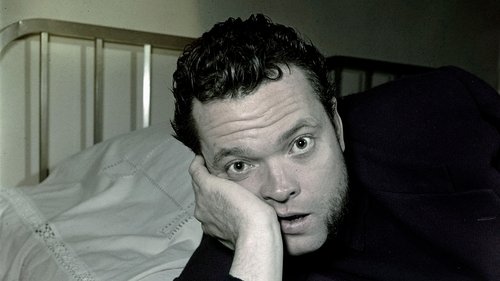
A poetic journey into the visual world of the legendary filmmaker and actor Orson Welles (1915-85) that reveals a new portrait of a unique genius, both of his life and of his monumental work: through his own eyes, drawn by his own hand, painted with his own brush.

For the first time one of Hollywood's greatest stars tells his own story, in his own words. From a childhood of poverty to global fame, Cary Grant, the ultimate self-made star, explores his own screen image and what it took to create it.

Through honest reflection, complemented by insight from colleagues and friends, Faye Dunaway contextualizes her life and filmography, laying bare her struggles with mental health while confronting the double standards she was subjected to as a woman in Hollywood.