
Action
Adventure
Animation
Comedy
Crime
Documentary
Drama
Family
Fantasy
History
Horror
Music
Mystery
Romance
Science Fiction
Thriller
War
Western
Found 45 movies, 14 TV shows, and 3 people
Can't find what you're looking for?

This documentary follows the testimonies of 7 LGBT people who left their countries to flee discrimination and live in Spain. Their testimony is strong, moving. The director steps aside to give them full voice in a sober setting that allows them to give their stories full attention.

The play discusses in a comic context what is happening in the Arab world after the Arab Spring, and the revolutions that took place in many Arab countries, and simulates in a political form the human rights that were wasted during that period

No description available for this movie.
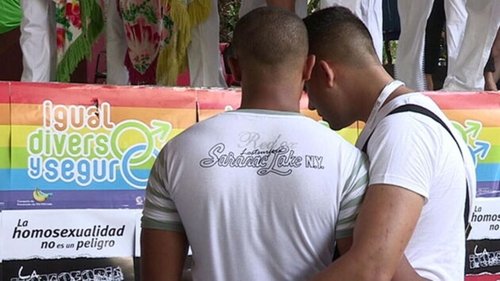
A global revolution is underway to obtain what UN Secretary General Ban Ki Moon and Barack Obama call ‘the final frontier in human rights’: the universal decriminalisation of homosexuality. After years of long diplomatic struggle, several world leaders have declared themselves in favour of the universal decriminalisation of homosexuality. But victory won’t come easily. The countries that still punish homosexuality refuse to give in to international pressure. Global acceptance and equality will take time to achieve.
20 short films about human rights.
The impact of consumer video equipment on international political activism efforts.
Human Rights Now! was a worldwide tour of twenty benefit concerts on behalf of Amnesty International that took place over six weeks in 1988.
Collective film for the 60th anniversary of the Universal Declaration of Human Rights, with 30 directors each helming a segment about one of the 30 articles of the Declaration.
Film by Nicole Van Goethem
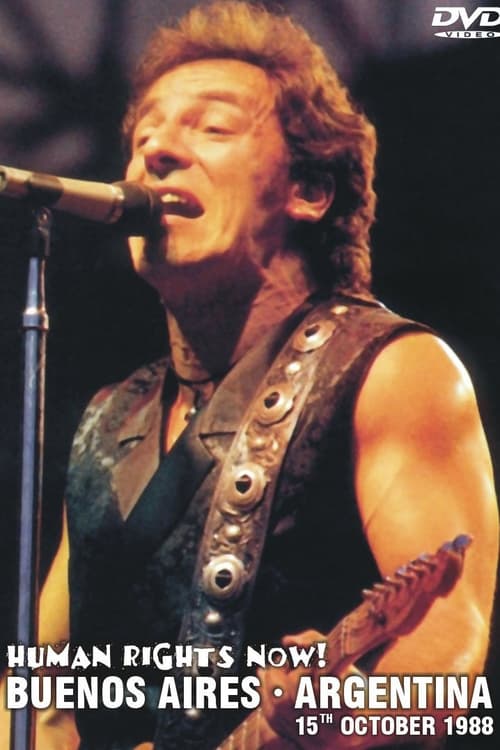
Human rights now concert from Argentina, Estadio River Plate, Buenos Aires
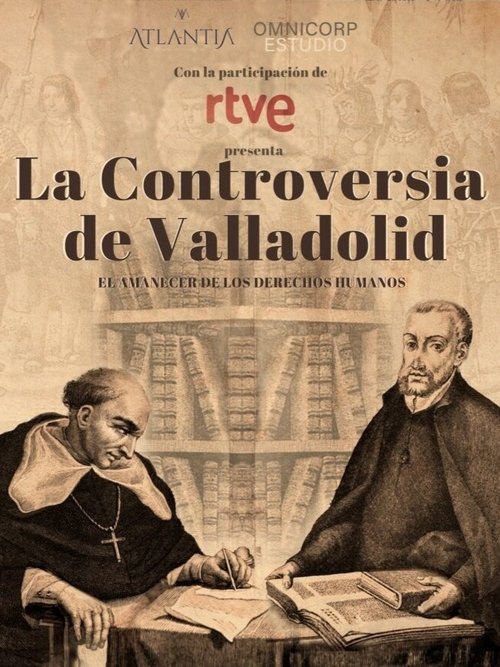
The Valladolid debate (1550-1551) was the first moral debate in European history to discuss the rights and treatment of an indigenous people by European colonizers.
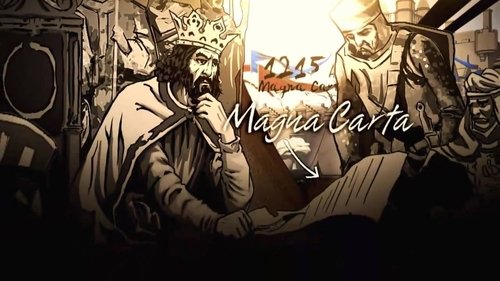
This striking short film defines—simply and concisely—one of the world’s most misunderstood subjects: human rights. The informative and dramatic presentation shows the history of human rights from its origins in ancient times to the present-day Universal Declaration of Human Rights. Here are all thirty of the human rights, the basic rights and freedoms to which all human beings are entitled, including the right to life and liberty, freedom of thought and expression, and equality before the law.
No description available for this movie.
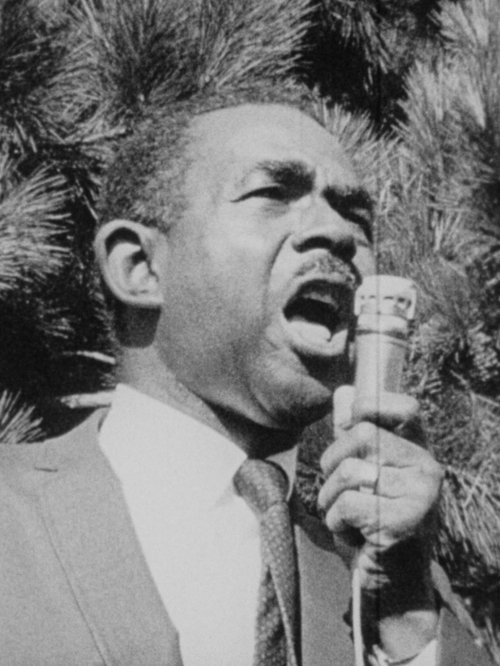
The film shows the medical committees role during the long strike at San Francisco State College and the need for tactical knowledge of first aid as the student movement intensified.
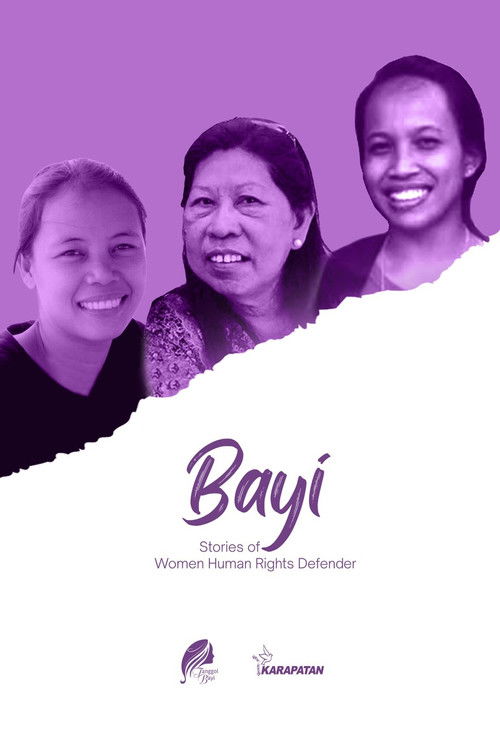
Filipino human rights defenders Zara Alvarez, Anna Mariz Evangelista, and Elisa Badayos were among the 62 women killed in the Duterte administration's counterinsurgency campaign. Their loved ones remember the lives they led and the legacies they left behind. The documentary is a salute to the brave Filipinas who are considered heroes by women’s and people’s movements in the Philippines.
25 years ago, the "Human Rights Now!" tour made music history: 20 concerts in six weeks across five continents attracted worldwide attention for human rights and democracy. Stars such as Peter Gabriel, Sting, Bruce Springsteen, Tracy Chapman and Youssou N'Dour make the tour, which begins on September 2, 1988 at London's Wembley Stadium, a huge success that does not suit the political agenda of all host countries.
The concert titled The Struggle Continues... took place on December 10, 1998 - the exact 50th anniversary of the signing of the Universal Declaration of Human Rights.
The An Embrace Of Hope concert was a de facto post-script to the Human Rights Now! tour. It took place in Chile - a country that for political reasons it was not possible for the Human Rights Now! tour to visit during the 1988 world tour.
Based on the homophobic antics of Roseanne Skoke, former MP for Central Nova in NS, this humourous video examines the somewhat unexpected implications of her obsession.
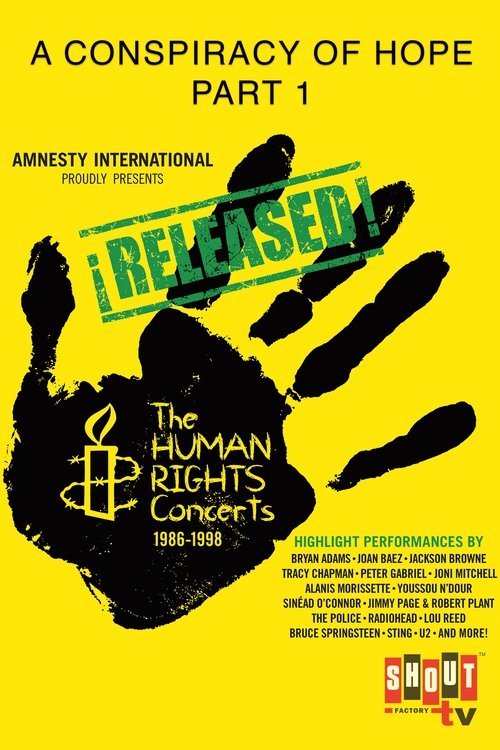
A Conspiracy of Hope was a short tour of six benefit concerts on behalf of Amnesty International that took place in the United States during June 1986.
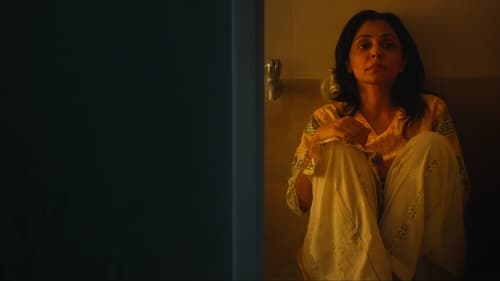
Zoya Diwan and her 8 year old son are stuck in an abusive marriage with her activist husband, when she is sought out for help by a victim of Triple Talaq
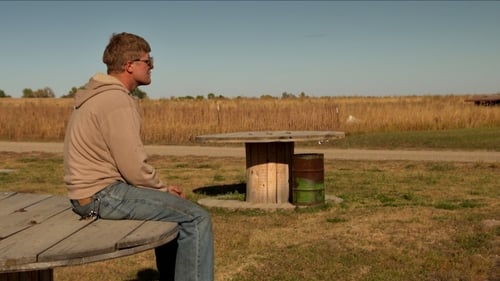
Desperate, broken men chase their dreams and run from their demons in the North Dakota oil fields. A local Pastor's decision to help them has extraordinary and unexpected consequences.

Documentary about the Holy Angels Residential School in Alberta, where hundreds of First Nations children were imprisoned.
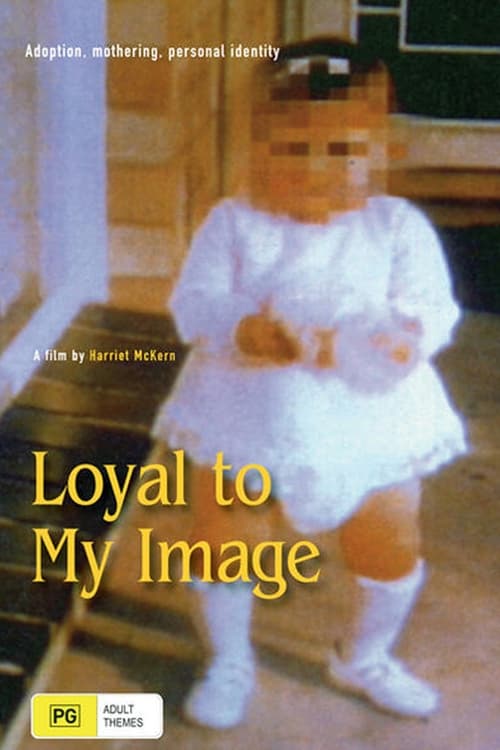
Through one woman's experience as an adopted person and also as a mother who relinquished her child in 1971, this documentary highlights the many complex issues associated with adoption.
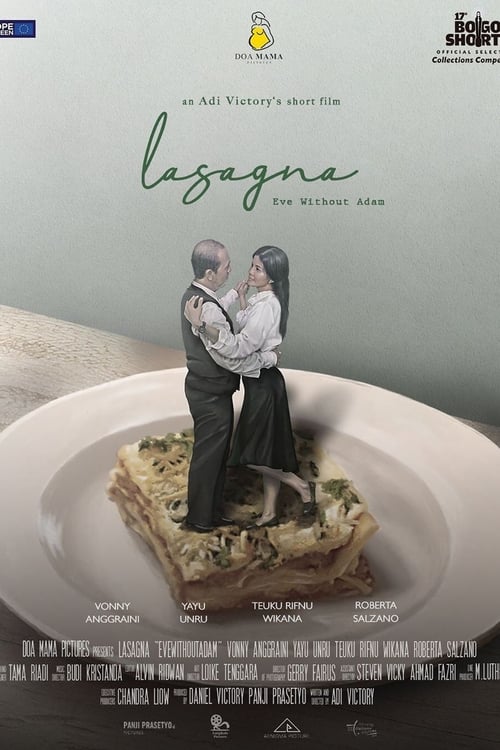
Approaching Rudi's execution (Mirna's Husband), Mirna was asked to come to the prison with a Lasagna. Her husband wishes to enjoy the Lasagna with Mirna for the very last time. But when Mirna came with the Lasagna, Rudi chooses not to eat it.

Set on a British farm, a supplier to major supermarkets. This murky operation holds Nizar behind closed doors as a slave. Riddled with debt he finds his dream of reuniting with his family thrown into jeopardy when he becomes responsible for a volatile new arrival.
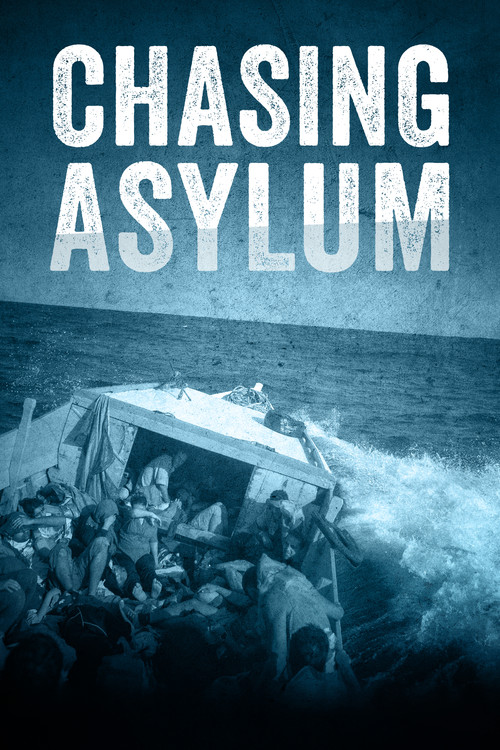
Chasing Asylum tells the story of Australia's cruel, inhumane treatment of asylum seekers and refugees, examining the human, political, financial and moral impact of current and previous policy.

Three arrested and detained undocumented immigrants must navigate the system to fight impending deportation.

Focuses on one of the most talked about and important issues of our time – how to find yourself and your truth. It follows model and transgender activist Munroe Bergdorf’s journey and provides hope for those facing similar challenges.

Sahar a 17 year old student is determined to skip high school during the recess to attend the football stadium to watch the football match between Esteghlal F.C. vs. Al-Ain as part of AFC Champions League against the national ban on women to enter football stadiums in Iran.

This feature documentary tells the stories of 5 asylum seekers who flee their native countries to escape homophobic violence. They face hurdles integrating into Canada, fear deportation and anxiously await a decision that will change their lives forever.

A former military officer makes a film about a man he encountered in Tanjong Rhu, a secluded cruising ground.
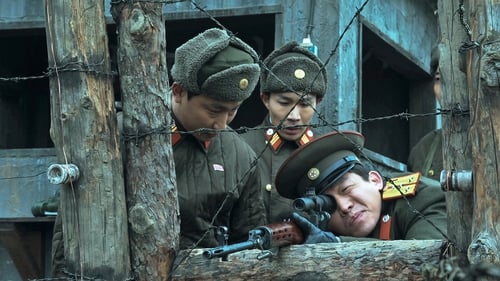
A poor North Korean fisherman finds himself an accidental defector, and is groomed to be a spy by an ambitious South Korean military officer.
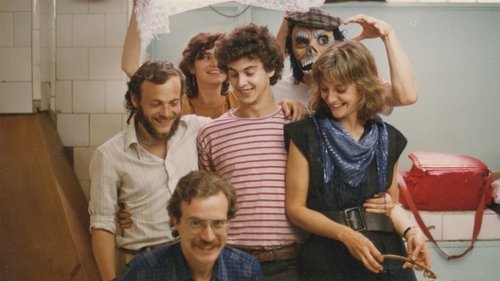
An unlikely collaboration between a forensic scientist from Texas and a group of Latin American students changes the course of forensic science and international human rights.

"Zapatista" is the definitive look at the uprising in Chiapas. It is the story of a Mayan peasant rebellion armed with sticks and their word against a first world military. It is the story of a global movement that has fought 175,000 federal troops to a stand still and transformed Mexican and international political culture forever.
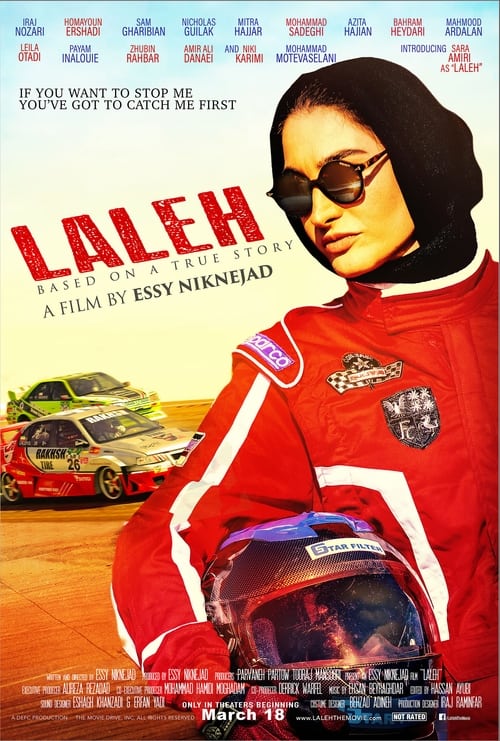
Laleh is a true story of a young woman in post-revolution Iran, struggling against all odds to break through in one of the most male dominated sports worldwide.
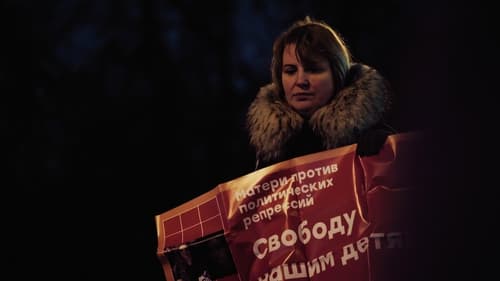
Anya was an ordinary Moscow teenager who found a chat group of her choice online. They talked about animals, the stars and social issues. A man called Ruslan D joined the group, who set up an office space for the online group to meet. Step by step, he began to lead young people who were critical of the Putin's regime towards political activism. Ruslan D placed a camera in the meeting room, and when he had enough footage, he handed it over to the prosecutor. The police raided the teenagers' homes and they were arrested on charges of planning to overthrow the government and terrorism. Three years of legal proceedings transformed Anya's mother from a loyal follower of Putin to a hunger-striking activist. Moscow-based director Anna Shishova followed Anya and her mother's life throughout the event and eventually revealed the true identity of Ruslan D.
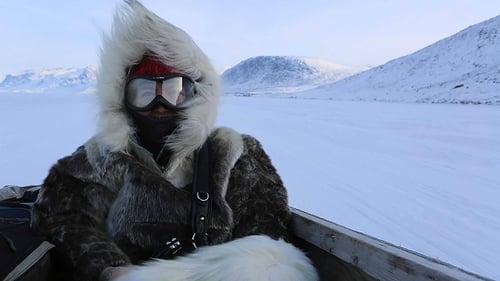
With "sealfies" and social media, a new tech-savvy generation of Inuit is wading into the world of activism, using humour and reason to confront aggressive animal rights vitriol and defend their traditional hunting practices. Director Alethea Arnaquq-Baril joins her fellow Inuit activists as they challenge outdated perceptions of Inuit and present themselves to the world as a modern people in dire need of a sustainable economy.
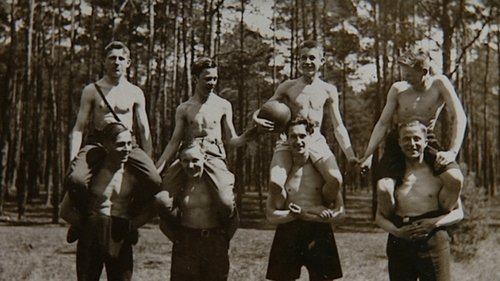
During the Nazi regime, there was widespread persecution of homosexual men, which started in 1871 with the Paragraph 175 of the German Penal Code. Thousands were murdered in concentration camps. This powerful and disturbing documentary, narrated by Rupert Everett, presents for the first time the largely untold testimonies of some of those who survived.
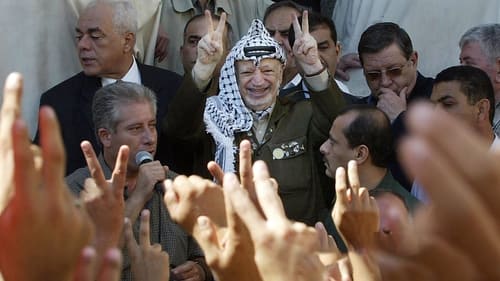
2003 documentary film produced by Oliver Stone for the HBO series America Undercover about the conflict in occupied Palestine. He speaks with Ehud Barak and Benjamin Netanyahu, former prime ministers of Israel, Yasser Arafat, late president of the Palestinian National Authority, and various Palestinian activists resisting the oppression of the zionist regime.

No description available for this movie.
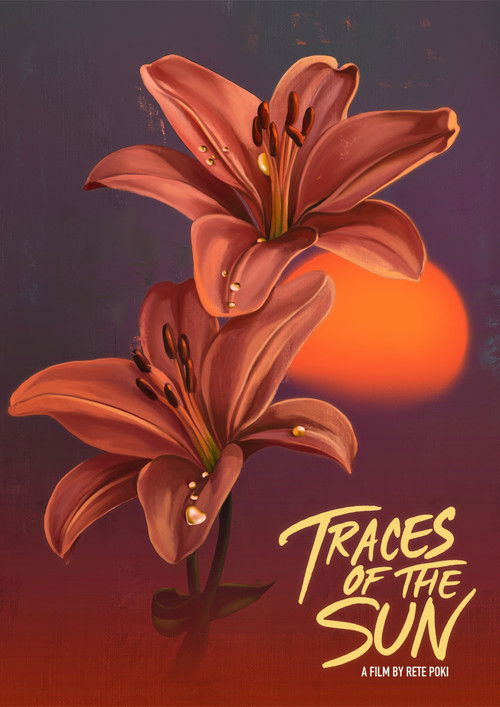
By recounting their experiences with family, friends, lovers and country, a group of strangers examine what it means to be loved as Nigerians and as women. Through these conversations, they unpack cultural biases, shared realities and potential alternatives towards a safer, softer future.
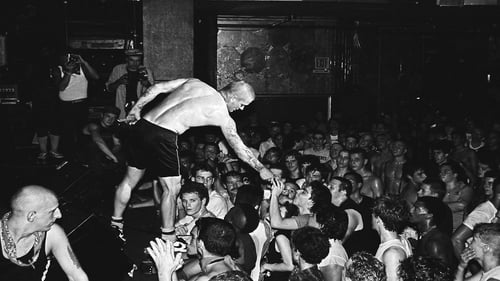
Inspired by Steven Blush's book "American Hardcore: A tribal history" Paul Rachman's feature documentary debut is a chronicle of the underground hardcore punk years from 1979 to 1986. Interviews and rare live footage from artists such as Black Flag, Bad Brains, Minor Threat, SS Decontrol and the Dead Kennedys.
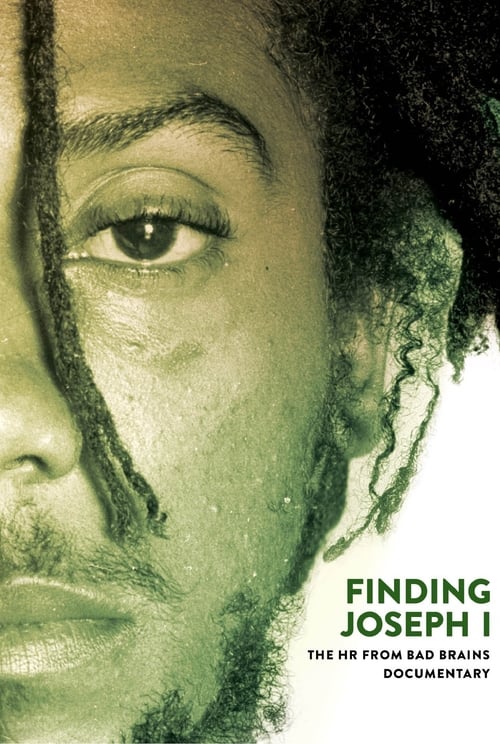
"Finding Joseph I" is a feature documentary chronicling the eccentric life and struggles of punk rock reggae singer, Paul "HR" Hudson, a.k.a. Joseph I, the legendary lead singer from Bad Brains.
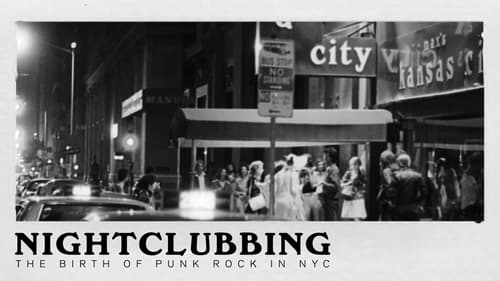
Documentary about the legendary nightclub Max's Kansas City and the New York Rock Scene of the 70s.