
Action
Adventure
Animation
Comedy
Crime
Documentary
Drama
Family
Fantasy
History
Horror
Music
Mystery
Romance
Science Fiction
Thriller
War
Western
Found 31 movies, 4 TV shows, and 0 people
Can't find what you're looking for?
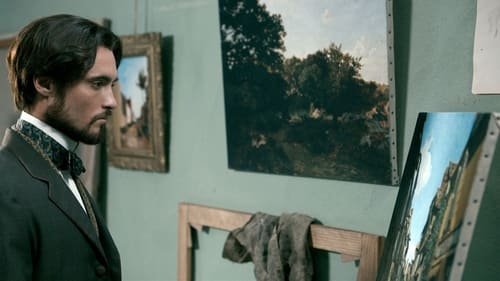
April 15, 1874, boulevard des Capucines, Paris: a group of young feverish painters shunned by the official Salon and mocked by the classical masters, chose to come together to exhibit their paintings freely, in the studio of photographer Nadar. At the end of a teeming century, when modernity was emerging, this group of rebellious artists, revolutionized the world of art.
Matthew Collings will reappraise the Impressionists. The four stars are Courbet, Manet, Monet and Cezanne. In two hours their stories and their art will intertwine. Matt will unpack the principles of Impressionism - the strength of colour, the flatness, the patterning and the way in which ordinary life is pictured with startling truth - and argue that this is the best thing that has ever happened in modern art. He will also show that although the contemporary art world seemingly despises Impressionism it is only because of Impressionism that the avant-garde came to be.

Taking its lead from French artists like Renoir and Monet, the American impressionist movement followed its own path which over a forty-year period reveals as much about America as a nation as it does about its art as a creative power-house. It’s a story closely tied to a love of gardens and a desire to preserve nature in a rapidly urbanizing nation. Travelling to studios, gardens and iconic locations throughout the United States, UK and France, this mesmerising film is a feast for the eyes. The Artist’s Garden: American Impressionism features the sell-out exhibition The Artist’s Garden: American Impressionism and the Garden Movement, 1887–1920 that began at the Pennsylvania Academy of the Fine Arts and ended at the Florence Griswold Museum, Old Lyme, Connecticut.

The Impressionists are the most popular group in art history – millions flock every year to marvel at their masterpieces. But, to begin with, they were scorned, penniless outsiders. 1874 was the year that changed everything; the first Impressionists, “hungry for independence”, broke the mould by holding their own exhibition outside official channels. Impressionism was born and the art world was changed forever. What led to that first groundbreaking show 150 years ago? Who were the maverick personalities that wielded their brushes in such a radical and provocative way? The spectacular Musée d’Orsay exhibition brings fresh eyes to this extraordinary tale of passion and rebellion. The story is told not by historians and curators but in the words of those who witnessed the dawn of Impressionism: the artists, press and people of Paris, 1874.
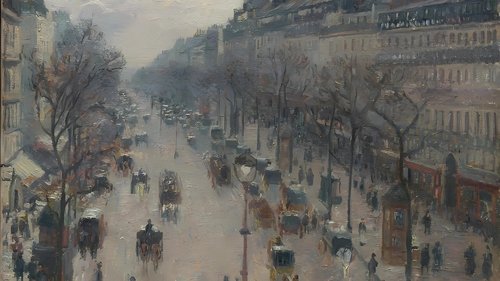
No description available for this movie.
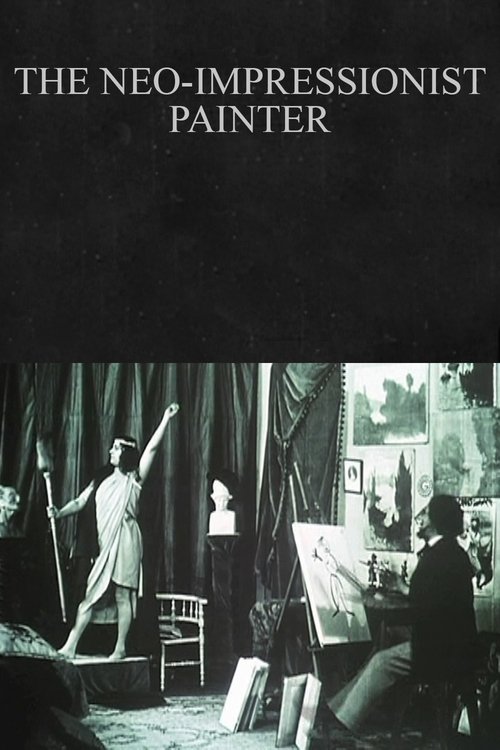
A painter is seen in his studio with his model. A buyer comes in, and the painter shows him a number of his paintings, all of them based on puns, including one of a devil shooting pool. Eventually, the buyer purchases all of the paintings.

Without Camille Pissarro, there is no Impressionist movement. He is rightfully known as the father of Impressionism. This film explores and highlights the enthralling and hugely important biography and output of an incredible artist.

No description available for this movie.

Join art aficionado Rosamond Bernier at New York City's Metropolitan Museum of Art as she discusses the post-impressionist masters in this installment of her sold-out lecture series. You'll have a front-row seat as Bernier -- who possesses encyclopedic knowledge about the subject -- offers an in-depth presentation on the works of pointillist Georges Seurat, Paul Gauguin and the father of modern art, Paul Cezanne.
No description available for this movie.
What would it feel like to see the world through the eyes of an impressionist painter? BluScenes Gallery Musée uses advanced technology and a digital cinema technique called "camera mapping" to add a new dimension to works by the masters of Impressionism and Post-Impressionism. It's a subtle way to integrate technology with the arts.
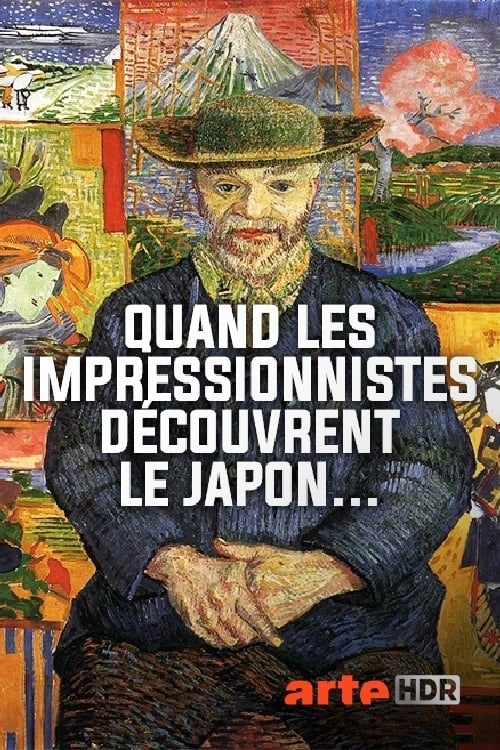
From 1853, Japan opens up to the West. Numerous works of art and woodcuts find their way to Europe. The Impressionists and later the European artistic avant-garde succumb to this one passion: Japonism. 150 years after the beginning of the Meiji period in 1868, the film traces the connections between Japan and the Western world.

How did the Impressionists view the world? What relationship did they have with technique, with color, with light and with the universe of shapes that made up reality before their eyes? How were their works received? How did they go from being rejected by critics and the public to becoming among the most loved in the world in a few years? Secret Impressionists is an immersive journey into the intimacy of the Impressionists and their paintings which aims to offer a "privileged" visit that stimulates the spectators' curiosity and gives them a perspective on the works complementary to the live experience, allowing spectators in the hall to immerse themselves in the work of painters and grasp unpublished details.
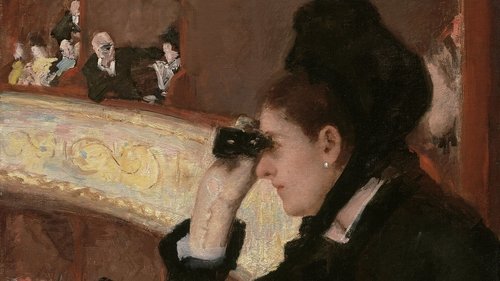
Mary Cassatt made a career painting the lives of the women around her. Her radical images showed them as intellectual, feminine and real, which was a major shift in the way women appeared in art. Presenting her astonishing prints, pastels and paintings, this film introduces us to the often-overlooked Impressionist whose own career was as full of contradiction as the women she painted.
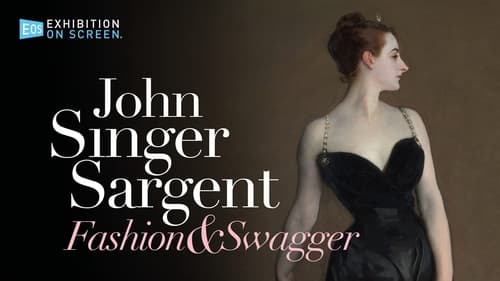
Filmed at the Museum of Fine Arts, Boston and the Tate Britain, London, the exhibition reveals Sargent’s power to express distinctive personalities, power dynamics and gender identities during this fascinating period of cultural reinvention. Alongside 50 paintings by Sargent sit stunning items of clothing and accessories worn by his subjects, drawing the audience into the artist’s studio. Sargent’s sitters were often wealthy, their clothes costly, but what happens when you turn yourself over to the hands of a great artist? The manufacture of public identity is as controversial and contested today as it was at the turn of the 20th century, but somehow Sargent’s work transcends the social noise and captures an alluring truth with each brush stroke.
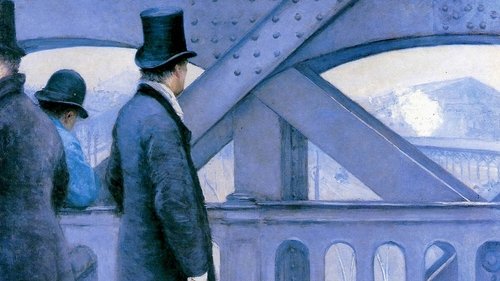
Throughout the 19th century, imaginative and visionary artists and inventors brought about the advent of a new look, absolutely modern and truly cinematographic, long before the revolutionary invention of the Lumière brothers and the arrival of December 28, 1895, the historic day on which the first cinema performance took place.

A quiet stroll through the imaginary world of Iblard, originally depicted in the paintings by Naohisa Inoue, influenced by Impressionism and Surrealism.

A biopic of Napoleon Bonaparte, tracing the Corsican's career from his schooldays (where a snowball fight is staged like a military campaign) to his flight from Corsica, through the French Revolution (where a real storm is intercut with a political storm) and the Terror, culminating in his triumphant invasion of Italy in 1797.

Composer Enrid Damor knows nothing of the past life of his new wife Eve Dinant : she lived as a debauchee with an adventurer, Fred Ryce. Fred Ryce meets Damor's daughter, Claire, and tries to marries her. He blackmails Eve. Enric learns something about her and Fred and composes a symphony to express his pain... The Tenth Symphony is considered the first major film of the Impressionist movement.
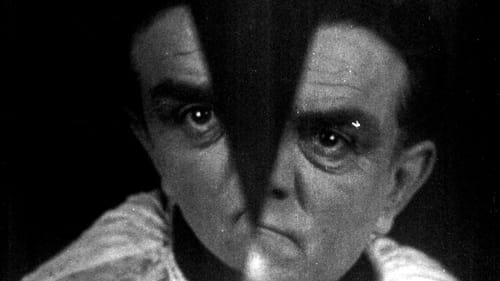
Obsessed with a general's wife, a clergyman has strange visions of death and lust, struggling against his own eroticism.
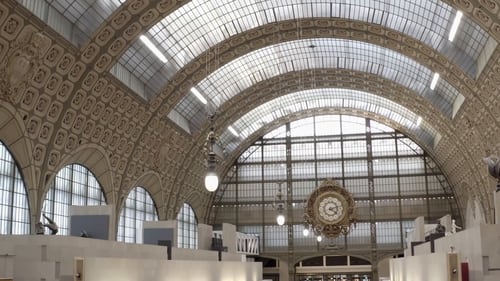
Inaugurated in 1986 by François Mitterrand, a link between the Louvre and Pompidou, Orsay houses the largest collection of Impressionist art in the world. Project after project, the museum has been transformed to modernize and welcome more visitors, while preserving its historic character. Challenges taken up with each new project.
Monet, Cezanne, Degas, Renoir: some of the world’s most popular artists. Their works, and that of their contemporaries, fetch tens of millions of dollars around the globe. But who were they really? Why & how exactly did they paint? What lies behind their enduring appeal? To help answer these questions, this unique film secured unparalleled access to a major exhibition focussing on the man credited with inventing impressionism as we know it: 19th-century Parisian art collector Paul Durand-Ruel. This eagerly anticipated international exhibition is possibly the most comprehensive exploration of the Impressionists in history.
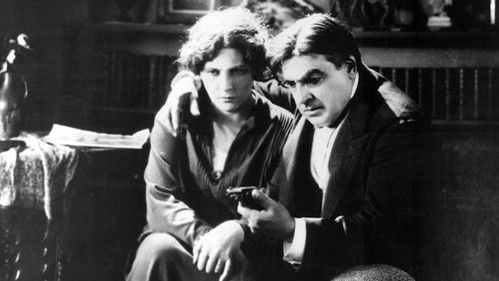
An unhappily married woman devises a scheme to get rid of her husband.
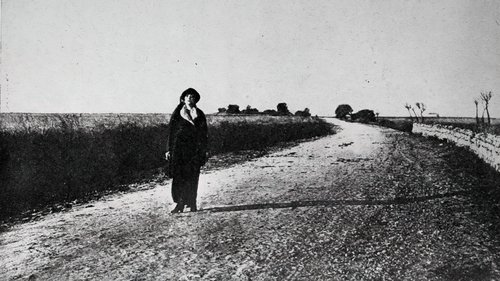
A fifty year old woman, scarred by a life of disillusionment and regret, returns to the place where she lived twenty years before, to rekindle happier memories. She meets a young woman, the daughter of the current owners of the property, who is on the point of abandoning her home – just as she did, all those years ago...
Impressionism and expression of a view, Mavy uses fragments of the ocean landscapes of Alice Guy's studies through fluctuations of bright nuances and an imitation of these tormented waves in the eyes of a modern camera
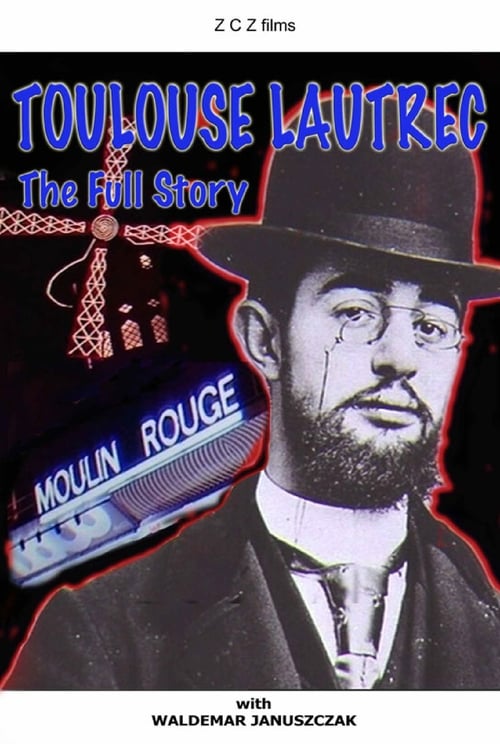
Art Critic Waldemar Januzczak presents this documentary which details french artist Toulouse-Lautrec's life.
The good guys win out in this sweet tale about a young orphan who is abused for much of her life but who eventually finds happiness when she marries an honest man who extricates her from her situation.
No description available for this movie.
After a one-night stand, a writer and an actor navigate the hazy terrain between connection, ambition, and commitment.
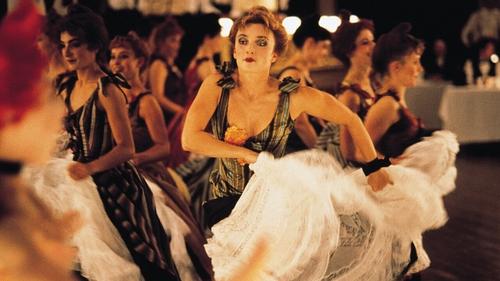
The life of Henri de Toulouse Lautrec, famous french painter, who lived, enjoyed, loved in the late 1800s Paris' Montmartre cultural life. He suffered from suffered from congenital health conditions traditionally attributed to inbreeding. His lifestyle and work are a testimony of the late-19th-century parisian bohemian lifestyle, as he was commissioned to produce a series of posters for the Moulin Rouge cabaret opening. As an alcoholic, he was addicted to absinthe. The movie related his love affair with the french painter Suzanne Valadon.

400 years ago, in Japan, a revolutionary art was born and would influence the greatest Western artists of the late nineteenth century, the Ukiyo-E "floating images of the world." A wonderful trip in a world of beauty and discovery. The concept and objectives of this documentary are, on the one hand, to show, teach and discover Japanese art (Japanese stamps and prints) and, on the other hand, to demonstrate the influence of Japanese stamps on Western modern art, showing in comparison some of the Most famous paintings (impressionism or paintings by Van Gogh).