
Action
Adventure
Animation
Comedy
Crime
Documentary
Drama
Family
Fantasy
History
Horror
Music
Mystery
Romance
Science Fiction
Thriller
War
Western
Found 24 movies, 11 TV shows, and 0 people
Can't find what you're looking for?

Made at the height of political censorship in Taiwan, Indigenous Peoples traces the emergence of the Return Our Lands movement in the late 1980s.

Short documentary about the 2nd Congress of Indigenous Peoples

The Ainu are the indigenous people of Japan. Hokkaido, the northern island of Japan, was previously called Ainumosir, or land of the Ainu. Ainu traditions are facing a critical situation; the latest survey revealed that the Ainu population is less than 20,000 people in Hokkaido, and UNESCO has recognized the language as ‘critically endangered.’ This documentary was filmed in Biratori town in Hokkaido, where many people with Ainu roots still live. It is also known as the hometown of the late Shigeru Kayano, who contributed greatly to the field of research on Ainu culture.
Documentary about the cultivation of organic coffee. This video is the view of the video makers of the Highlands of Chiapas who show us the process of communal production of organic coffee, their problems to expand the distribution of their products and the modest achievements that this young society has achieved through the fair market (Fair Trade) to market their coffee "grown with ecological practices and harvested with dignity".
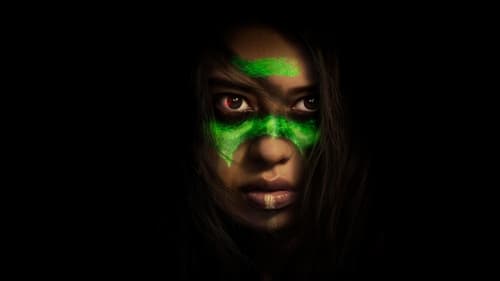
When danger threatens her camp, the fierce and highly skilled Comanche warrior Naru sets out to protect her people. But the prey she stalks turns out to be a highly evolved alien predator with a technically advanced arsenal.
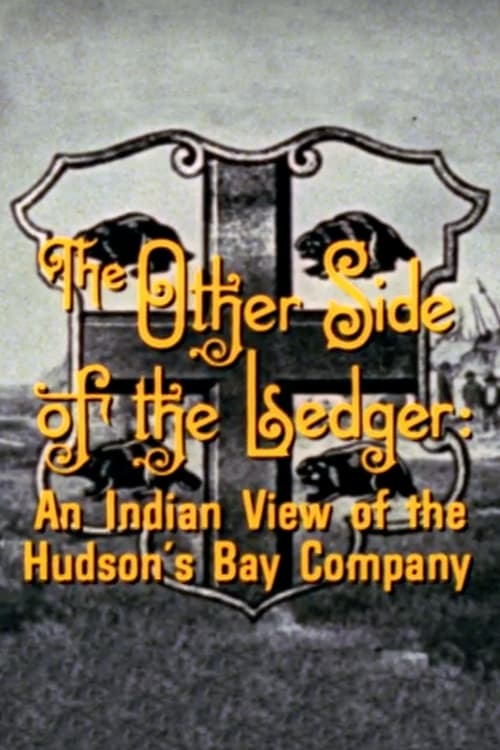
The Hudson's Bay Company's 300th anniversary celebration was no occasion for joy among the people whose lives were tied to the trading stores. This film, narrated by George Manuel, president of the National Indian Brotherhood, presents the view of spokesmen for Canadian Indian and Métis groups. There is a sharp contrast between the official celebrations, with Queen Elizabeth II among the guests, and what Indians have to say about their lot in the Company's operations.
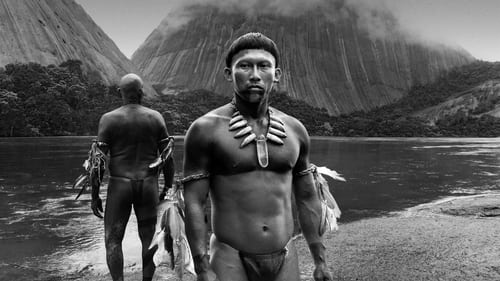
The epic story of the first contact, encounter, approach, betrayal and, eventually, life-transcending friendship, between Karamakate, an Amazonian shaman, last survivor of his people, and two scientists that, over the course of 40 years, travel through the Amazon in search of a sacred plant that can heal them. Inspired by the journals of the first explorers of the Colombian Amazon, Theodor Koch-Grunberg and Richard Evans Schultes.
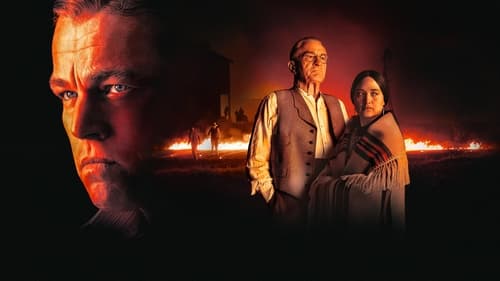
When oil is discovered in 1920s Oklahoma under Osage Nation land, the Osage people are murdered one by one—until the FBI steps in to unravel the mystery.
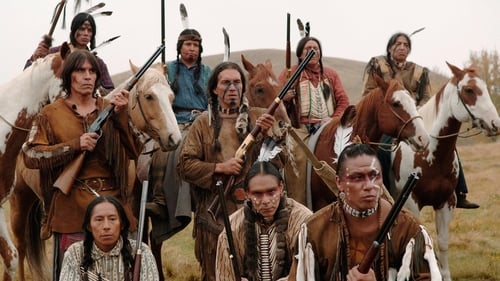
Beginning just after the bloody Sioux victory over General Custer at Little Big Horn, the story is told through two unique perspectives: Charles Eastman, a young, white-educated Sioux doctor held up as living proof of the alleged success of assimilation, and Sitting Bull the proud Lakota chief whose tribe won the American Indians’ last major victory at Little Big Horn.
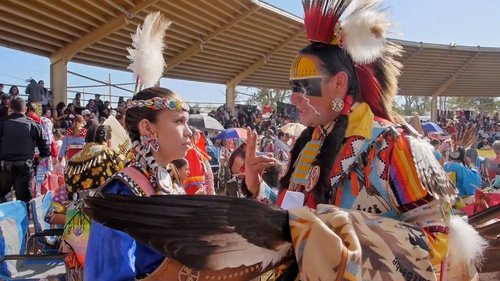
Follow filmmaker Elle-Máijá Tailfeathers as she creates an intimate portrait of her community and the impacts of the substance use and overdose epidemic. Witness the change brought by community members with substance-use disorder, first responders and medical professionals as they strive for harm reduction in the Kainai First Nation.
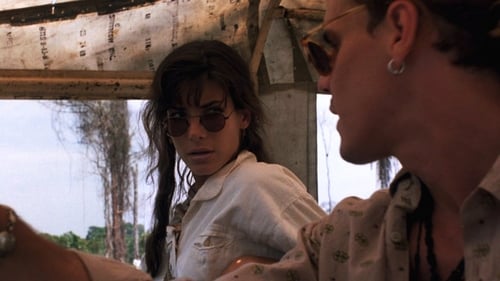
When a well-known environmental researcher is murdered in the Amazon jungle, an arrogant photojournalist joins forces with a beautiful young activist to find out who is responsible. Along they way, they fall in love as they discover the men responsible for the killing would be more than willing to murder again if it will keep them quiet.
How the Fiddle Flows follows Canada's great rivers west along the fur-trading route of the early Europeans. The newcomers introduced the fiddle to the Aboriginal people they intermarried with along the way. A generation later, their mixed-blood offspring would blend European folk tunes with First Nations rhythms to create a rich and distinct musical tradition. From the Gaspé Peninsula, north to Hudson Bay and to the Prairies, How the Fiddle Flows reveals how a distinctive Metis identity and culture were shaped over time. Featuring soaring performances by some of Canada's best known fiddlers and step dancers and narrated by award-winning actress Tantoo Cardinal.
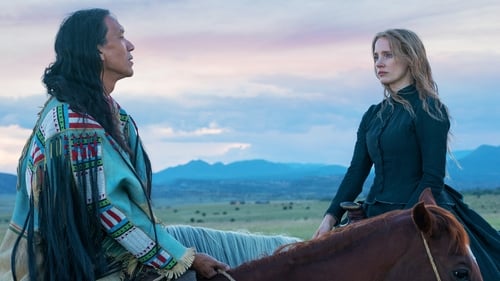
Based on a true story, this riveting western follows a headstrong New York widow as she journeys west to meet Sioux chief Sitting Bull, facing off with an army officer intent on war with Native Americans.
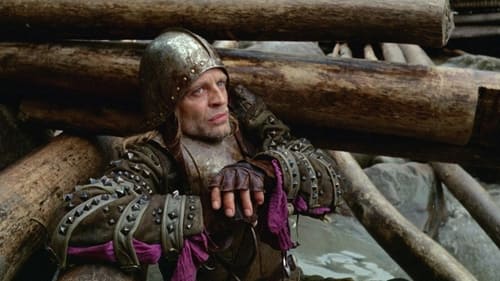
A few decades after the destruction of the Inca Empire, a Spanish expedition led by the infamous Aguirre leaves the mountains of Peru and goes down the Amazon River in search of the lost city of El Dorado. When great difficulties arise, Aguirre’s men start to wonder whether their quest will lead them to prosperity or certain death.
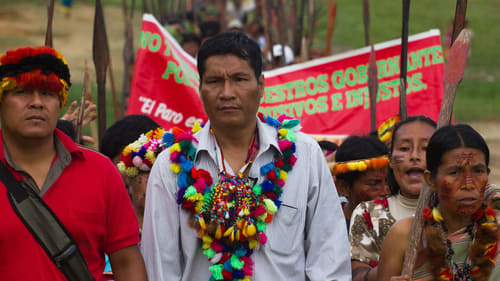
In this tense and immersive tour de force, audiences are taken directly into the line of fire between powerful, opposing Peruvian leaders who will stop at nothing to keep their respective goals intact. On the one side is President Alan Garcia, who, eager to enter the world stage, begins aggressively extracting oil, minerals, and gas from untouched indigenous Amazonian land. He is quickly met with fierce opposition from indigenous leader Alberto Pizango, whose impassioned speeches against Garcia’s destructive actions prove a powerful rallying cry to throngs of his supporters. When Garcia continues to ignore their pleas, a tense war of words erupts into deadly violence.
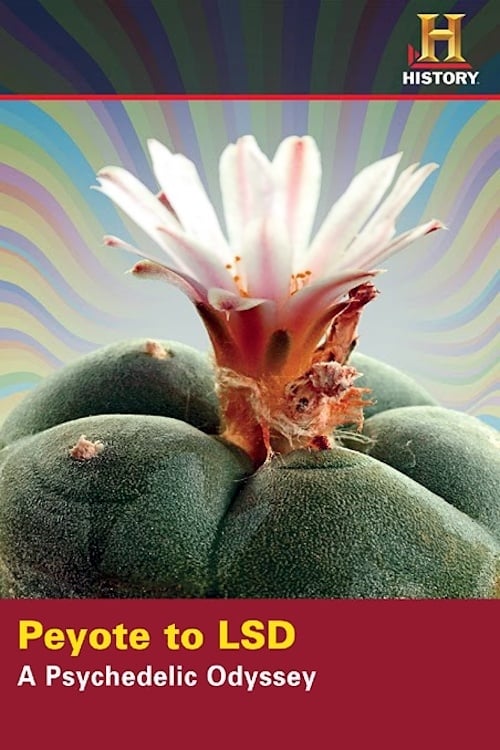
Plant Explorer Richard Evans Schultes was a real life Indiana Jones whose discoveries of hallucinogenic plants laid the foundation for the psychedelic sixties. Now in this two hour History Channel TV Special, his former student Wade Davis, follows in his footsteps to experience the discoveries that Schultes brought to the western world. Shot around the planet, from Canada to the Amazon, we experience rarely seen native hallucinogenic ceremonies and find out the true events leading up to the Psychedelic Sixties. Featuring author/adventurer Wade Davis ("Serpent and the Rainbow"), Dr. Andrew Weil, the Grateful Dead's Bob Weir and many others, this program tells the story of the discovery of peyote, magic mushrooms and beyond: one man's little known quest to classify the Plants of the Gods. Richard Evans Schultes revolutionized science and spawned another revolution he never imagined.
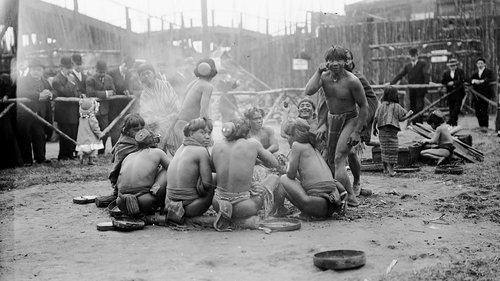
For more than a century the great colonial powers put human beings, taken by force from their native lands, on show as entertainment, just like animals in zoos; a shameful, outrageous and savage treatment of people who were considered subhuman.
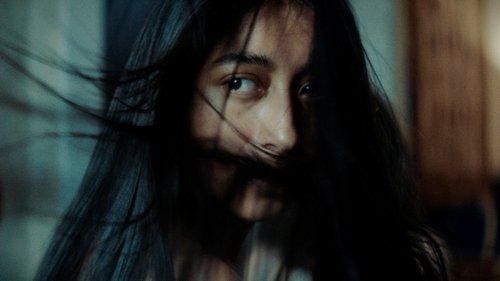
Accused of the genocide of Mayan people, retired general Enrique is trapped in his mansion by massive protests. Abandoned by his staff, the indignant old man and his family must face the devastating truth of his actions and the growing sense that a wrathful supernatural force is targeting them for his crimes.
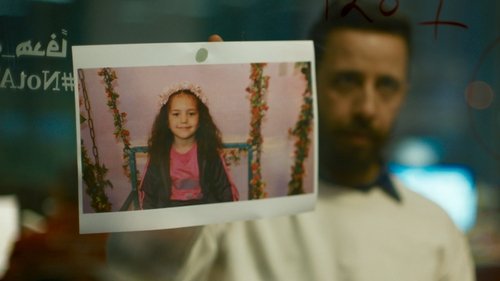
January 29, 2024. Red Crescent volunteers receive an emergency call. A 6-year old girl is trapped in a car under fire in Gaza, pleading for rescue. While trying to keep her on the line, they do everything they can to get an ambulance to her. Her name was Hind Rajab.

In July 1990, a dispute over a proposed golf course to be built on Kanien’kéhaka (Mohawk) lands in Oka, Quebec, sets the stage for a historic confrontation that would grab international headlines and sear itself into the Canadian consciousness.
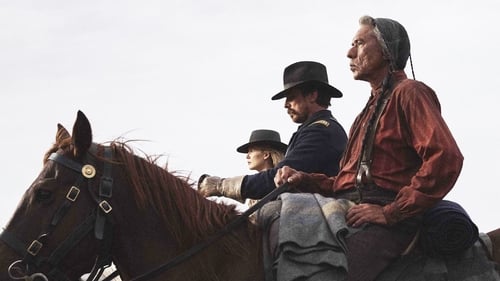
A legendary Native American-hating Army captain nearing retirement in 1892 is given one last assignment: to escort a Cheyenne chief and his family through dangerous territory back to his Montana reservation.
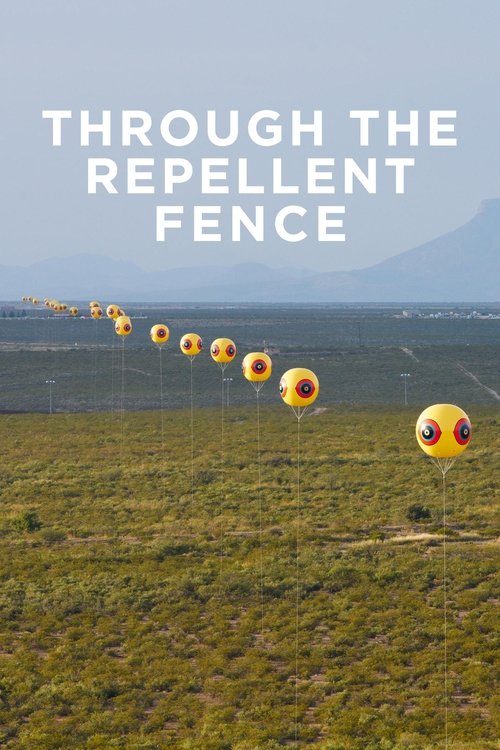
The film follows Postcommodity, an interdisciplinary arts collective comprised of Raven Chacon, Cristóbal Martinez and Kade L. Twist, who put land art in a tribal context. The group bring together a community to construct the Repellent Fence, a two-mile long ephemeral monument “stitching” together the US and Mexico.
In 1587, more than 100 English colonists settle on Roanoke Island and soon vanish, baffling historians for centuries; now, experts use the latest forensic archaeology to investigate the true story behind America's oldest and most controversial mystery.
In the '60s, the Mushuau Innu had to abandon their 6,000-year nomadic culture and settle in Davis Inlet. Their relocation resulted in cultural collapse and widespread despair.