
Action
Adventure
Animation
Comedy
Crime
Documentary
Drama
Family
Fantasy
History
Horror
Music
Mystery
Romance
Science Fiction
Thriller
War
Western
Found 20 movies, 0 TV shows, and 0 people
Can't find what you're looking for?
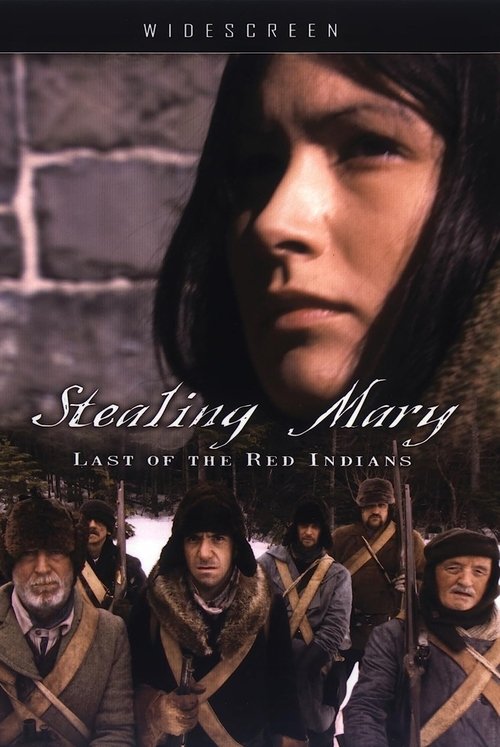
Two human skulls in a Scottish museum spark a forensic investigation into the tragic disappearance of the Beothuk people of Newfoundland. The clues help solve a kidnapping, murder, and cover-up that took place 200 years ago in the remote interior of the island.
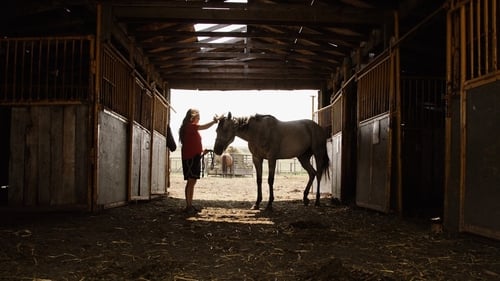
An intimate and thrilling portrait of a young Siksika woman and the deep bonds between her father and family in the golden plains of Blackfoot Territory as she prepares for one of the most dangerous horse races in the world… bareback.
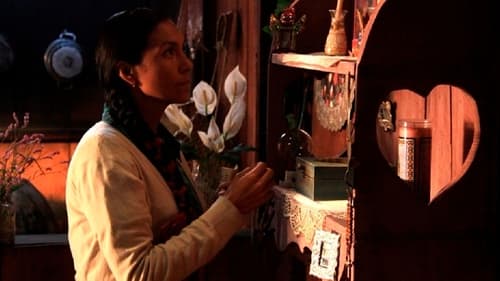
A young woman returns to her rural Mexican village after a few years away to find out if her first love can be revived.
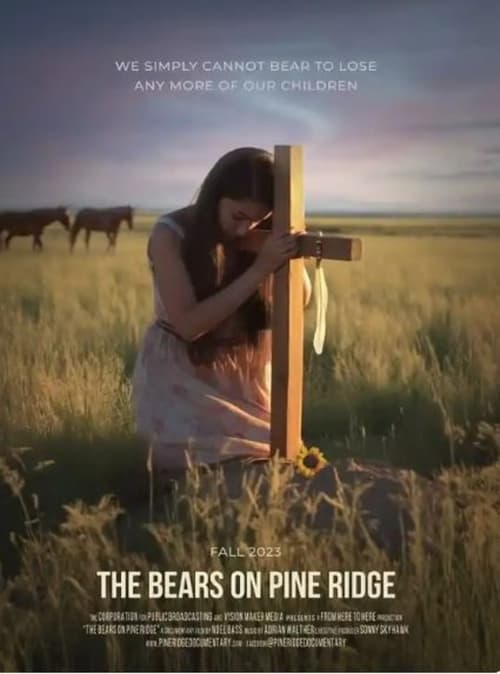
The Pine Ridge Indian Reservation has declared a “State of Emergency”, after an outbreak of youth suicides has devastated the community. Due to a lack of Federal assistance, residents have taken prevention efforts into their own hands. A tenacious Oglala Lakota elder takes charge, rallying the community to get involved, while empowering a resilient young group of suicide survivors to band together to help raise awareness.
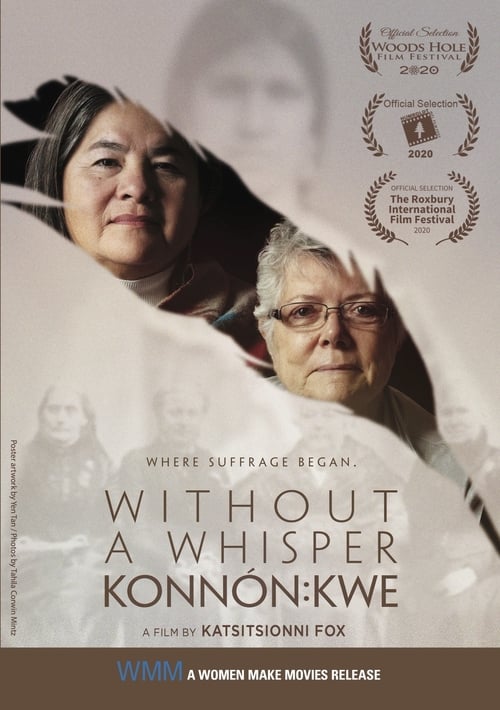
"Without a Whisper" is the untold story of how Indigenous women influenced the early suffragists in their fight for freedom and equality. Mohawk Clan Mother Louise Herne and Professor Sally Roesch Wagner shake the foundation of the established history of the women’s rights movement in the United States. They join forces on a journey to shed light on the hidden history of the influence of Haudenosaunee Women on the women’s rights movement, possibly changing this historical narrative forever.
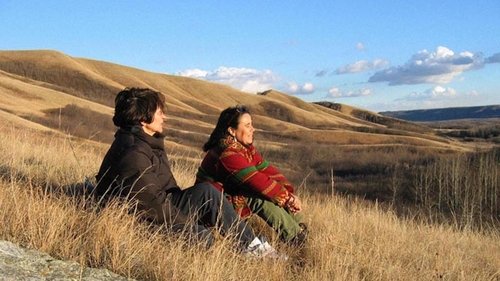
Métis filmmaker Christine Welsh puts a human face on a national tragedy: the murders and disappearances of an estimated 500 Aboriginal women in Canada over the past 30 years. Explores the deep historical, social, and economic factors that contribute to this epidemic of violence against Native women.
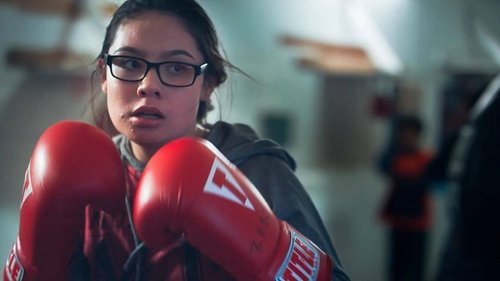
As the epidemic of missing and murdered Indigenous women epidemic affects tribal communities, a group of Blackfeet women tackle the threat head-on by practicing and training in self-defense.
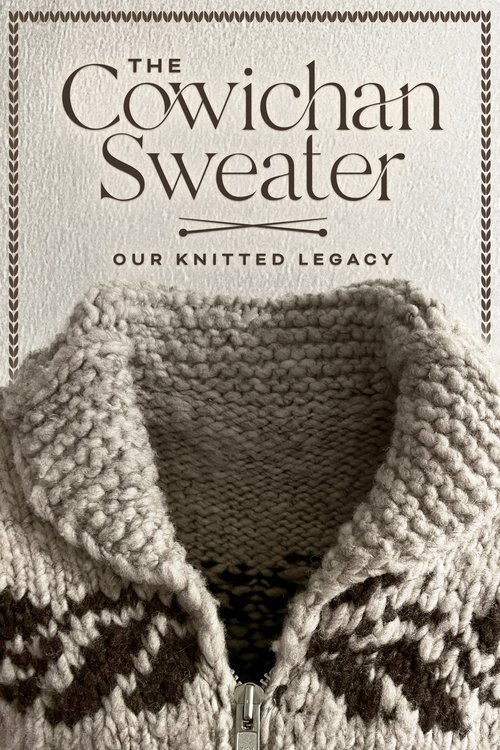
Filmmaker Mary Galloway's feature documentary looks at the origins and continued impact of the famed Cowichan sweater.
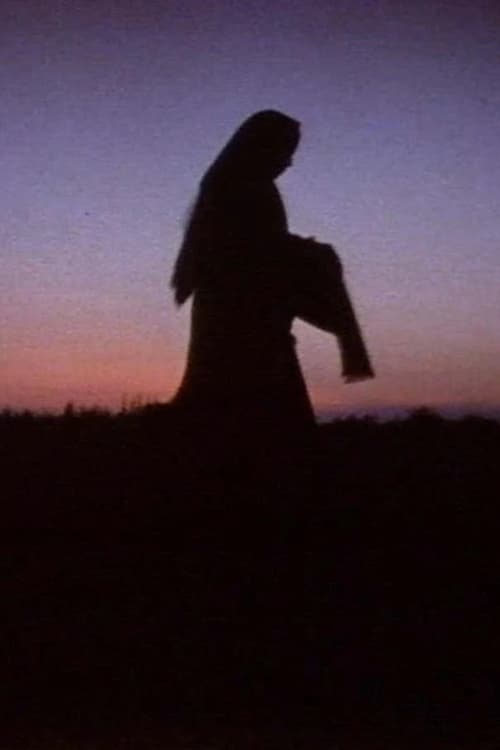
Filmed on location in Saskatchewan from the Qu'Appelle Valley to Hudson Bay, the documentary traces the filmmaker's quest for her Native foremothers in spite of the reluctance to speak about Native roots on the part of her relatives. The film articulates Métis women's experience with racism in both current and historical context, and examines the forces that pushed them into the shadows.
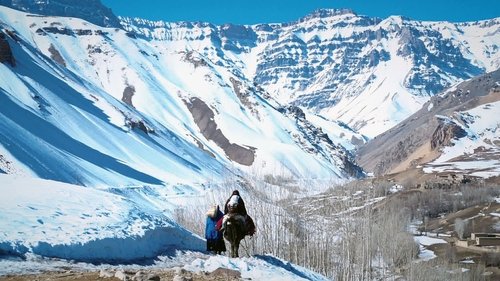
Afghan documentary maker Najiba Noori offers not only a loving and intimate portrait of her mother Hawa, but also shows in detail how the arduous improvement of the position of women is undone by geopolitical violence. The film follows the fortunes of Noori’s family, who belong to the Hazaras, an ethnic group that has suffered greatly from discrimination and persecution.

In this evocative meditation, a disturbing link is made between the resource extraction industries’ exploitation of the land and violence inflicted on Indigenous women and girls. Or, as one young woman testifies, “Just as the land is being used, these women are being used.”
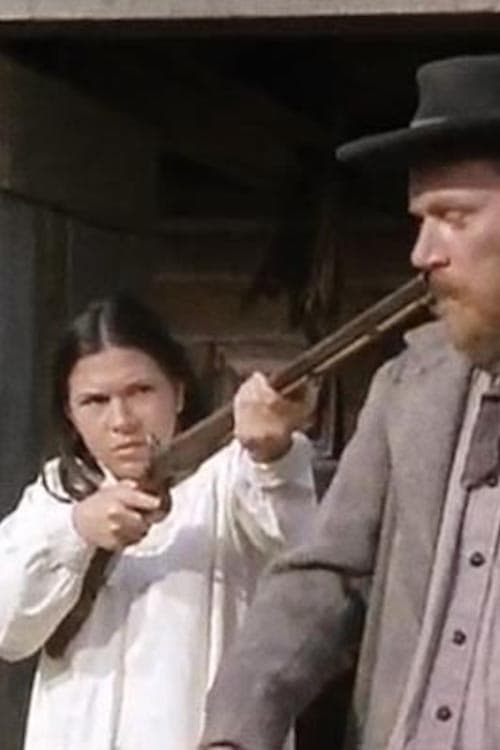
Part of the Daughters of the Country series, this film, set in the 1850s, unfolds against the backdrop of the Hudson's Bay Company's monopoly of the fur trade. In protest, some Métis engage in trade with the Americans. Madeleine, the Métis common-law wife of a Hudson's Bay Company clerk, is torn between loyalty to her husband and loyalty to her brother, a freetrader. Even more shattering, a change in company policy destroys Madeleine's happy and secure life, forcing her to re-evaluate her identity.
Mary is catapulted into a horrific struggle to right old wrongs when she discovers the bones of the missing and murdered babies of an Indian residential school.
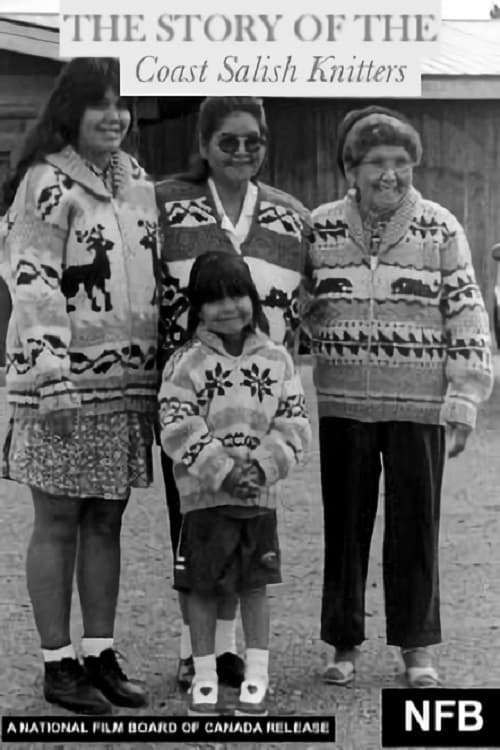
For almost a century, the Coast Salish knitters of southern Vancouver Island have produced Cowichan sweaters from handspun wool. These distinctive sweaters are known and loved around the world, but the Indigenous women who make them remain largely invisible.
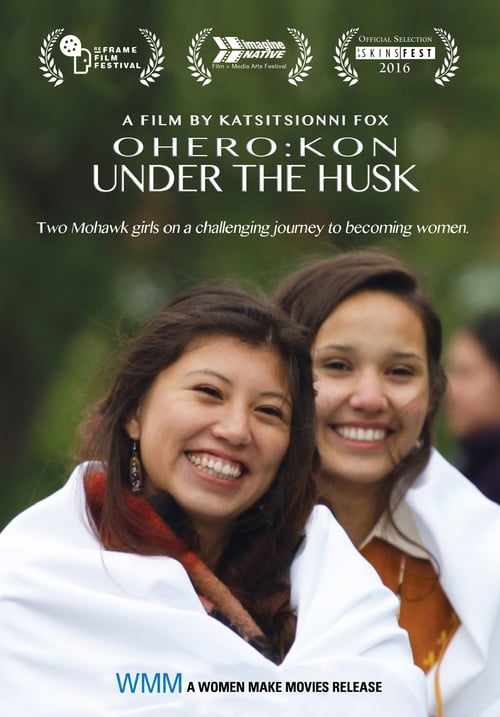
This documentary follows two Mohawk girls on their journey to become Mohawk women. Friends since childhood, Kaienkwinehtha and Kasennakohe are members of the traditional community of Akwesasne on the U.S./Canada border. Together, they undertake a four-year rite of passage for adolescents, called Oheró:kon, or "under the husk." The ceremony had been nearly extinct, a casualty of colonialism and intergenerational trauma; revived in the past decade by two traditional leaders, it has since flourished. Filmmaker Katsitsionni Fox has served as a mentor, or "auntie," to many youth going through the passage rites.
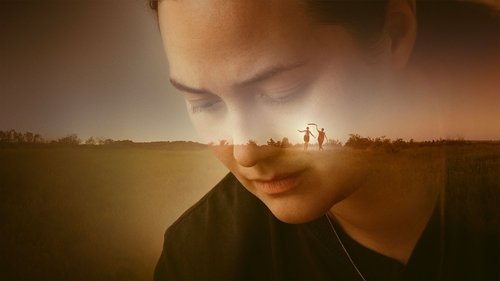
Following her sister's disappearance, Jax and her niece Roki must stick together. Desperate to keep what's left of their family intact, Jax and Roki defy the law and hit the road on a journey to the Grand Nation Powwow in Oklahoma City.

In the haunting landscape of rural Canada explores the terrifying idea: what if a severe mental health disorder took on a physical form—a creature lurking in the shadows? A Métis woman struggling to rehabilitate her mental health as she escapes a toxic, co-dependent relationship with her sister and retreats to her ancestral home. But her quest for peace is upended when a sinister presence begins to manifest, forcing her to confront intergenerational trauma and fight for her spirit—and the lives of those she loves.
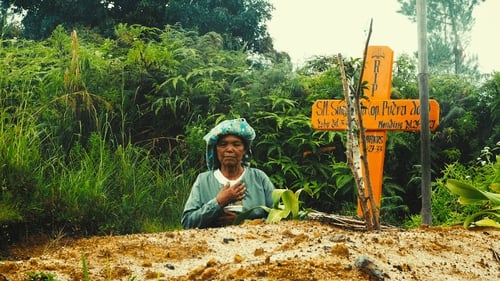
Ompung Putra Boru, a sixties indigenous Batak woman from Humbang Hasundutan, North Sumatra, retraces her life stories through photographs that interweave her past and present as a wife, mother, healer and indigenous land defender in two neighboring villages. Her multi-layered stories are juxtaposed with visual records of everyday life in the two villages, where people’s living space is still increasingly threatened by a giant pulp expansion.
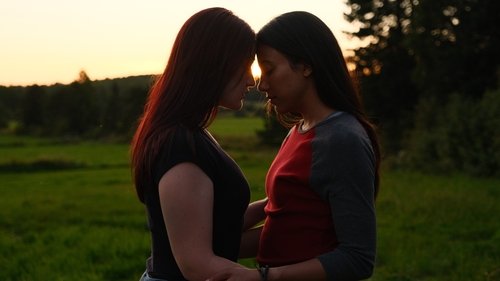
Whilst embarking on a lesbian relationship with the new girl in town, a Métis woman’s life is rocked to the core when her estranged mother returns.
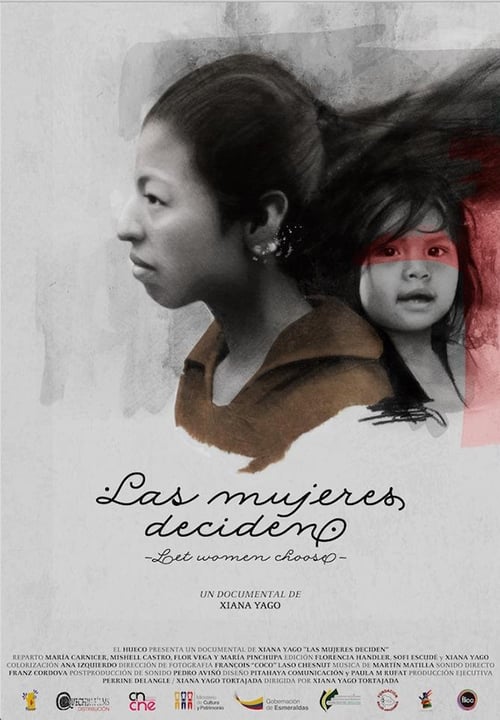
Maria, a young Spanish doctor, works in a maternity hospital in the Ecuadorian rain forest. She is shocked about the premature pregnancies and the violence women in Ecuador have to face. She meets Mishell, an adolescent abused by her father, and Yanina, a woman who decides to perform a clandestine abortion. Maria discovers that behind unintended pregnancies often hides sexual violence.