
Action
Adventure
Animation
Comedy
Crime
Documentary
Drama
Family
Fantasy
History
Horror
Music
Mystery
Romance
Science Fiction
Thriller
War
Western
Found 41 movies, 4 TV shows, and 3 people
Can't find what you're looking for?

In 1965 Ingmar Bergman filmed “Persona”, the cult film that brought together all of the Swedish filmmaker’s obsessions and became a turning point in his career.
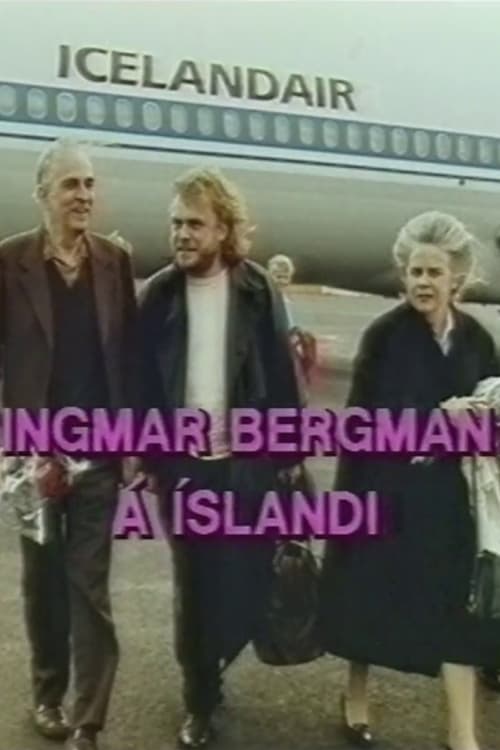
Based on an interview with Ingmar Bergman and footage taken during the director's visit to the Reykjavík Art Festival in 1986, this film focuses on Mr. Bergman's methods and philosophy on film direction.
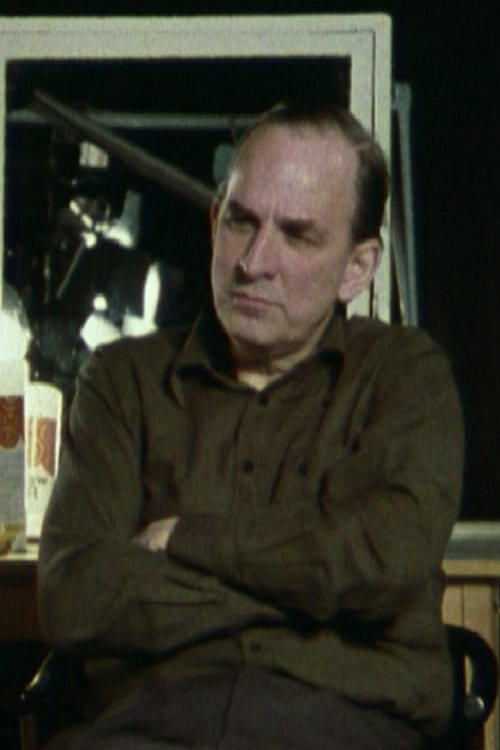
In commemoration of the 100th anniversary of Ingmar Bergman the Finnish writer and director Jörn Donner shares his memories of his friend and collaborator. The movie is based on two as yet unpublished TV interviews with Bergman which Donner filmed in 1975 and 1987.
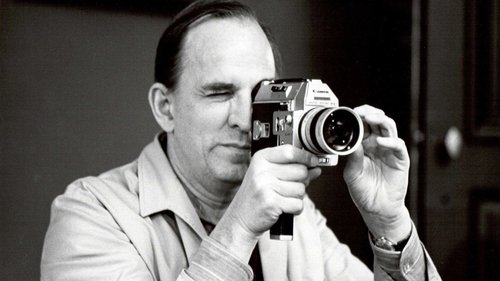
The year is 1961 and Ingmar Bergman is making a movie. While planted on the scene as apprentice to Bergman, Vilgot Sjöman (director, I Am Curious–Yellow, 1967), suggests to Swedish Television that they take the opportunity to record with the acclaimed director. In August, Sjöman and the television crew begin to capture what would become a comprehensive five-part documentary on the making of Winter Light, offering views of script development, set construction and lighting, rehearsals and editing, as well as intimate conversations with Bergman and members of his cast and crew. Footage from the film’s Swedish premiere delivers immediate audience reactions and the critics’ reviews the following day.
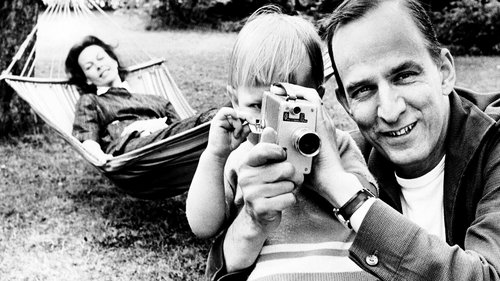
A meaningful account of the personal and professional life of the great Swedish filmmaker Ingmar Bergman (1918-2007) that explores his film legacy, with interviews with his closest collaborators and a new generation of filmmakers.

"Three Scenes with Ingmar Bergman" is quite an interesting documentary which is basically a sequence of interviews with Ingmar Bergman where Bergman himself talks about his life and work, beginning with his birth and childhood, relationship with his parents, particularly with his father, which had influence on his work later. Then he talks about how he became writer and than director at Film Studious in Stokholm and about the movies he made during this period. Then he describes how he discovered the island of Faro and come to live and work there later. Particularly interesting because of it's autobiographical aspect: we see Ingmar Bergman´s life and how he made his films through his own eyes and described with his own words.
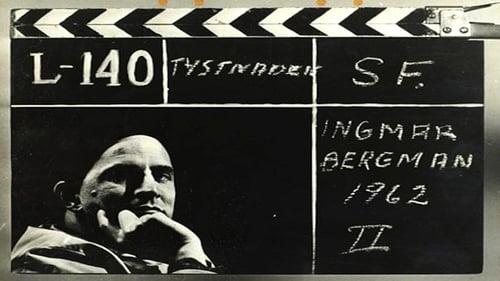
TV Documentary about Ingmar Bergman from 1998.
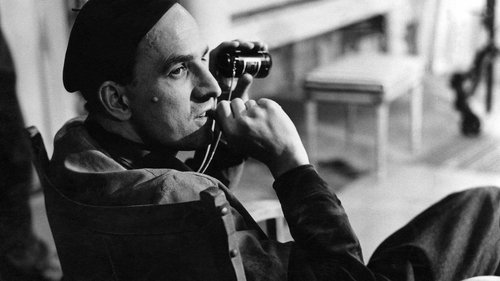
Portrait of Ingmar Bergman, made while he was working on The Touch, about his professional and private life in the early 1970s.
Malou Von Sivers is the hostess of a popular Swedish talk show in which she quizzes famous people about their public and private lives. Through the noted Swedish actor Erland Josephson, Malou extended an invitation to the legendary -- and notoriously reclusive -- director Ingmar Bergman to appear on her show. To Malou's surprise, Bergman agreed, under the condition that Josephson appear on the show with him. In the course of this 52-minute interview, Bergman discusses his personal life rather than his films, shedding light on his temper, his mood swings, his problems with women, his marriage, and the trials of his advancing age. The interview was later re-edited into expanded form for international release as Malou Meets Ingmar Bergman and Erland Josephson. The documentary was screened at the 2000 Cannes Film Festival.
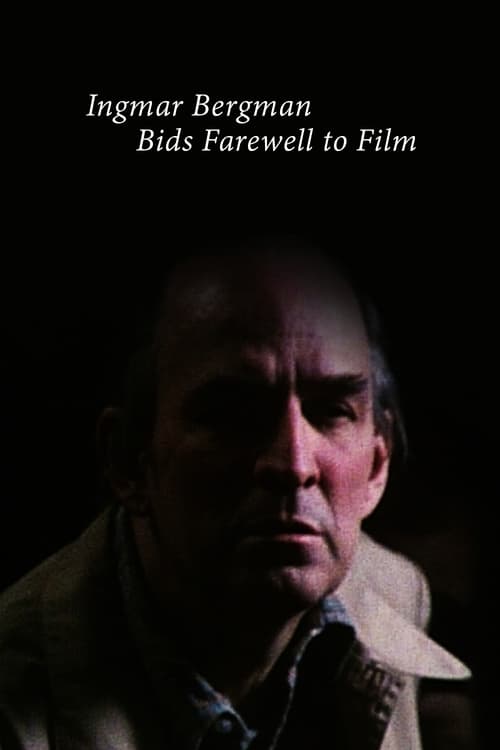
A conversation between Bergman and film critic Nils Petter Sundgren recorded for Swedish television in 1984.
Vargtimmen—After a Scene by Ingmar Bergman is the exact reconstruction of a scene in Bergman’s 1968 film of the same name. Frame for frame, Georg Tiller and his cameraman Claudio Pfeifer reproduced the same shots—with the crucial difference that no actors are visible. All we see are the ocean and cliffs in black and white, steep rock formations, and with them the quiet surface of the water, ruffled slightly by the breeze. The soundtrack, which had no dialogue in the original either, was taken from the first film and adds narrative structure to the lonely landscape. While in Vargtimmen Bergman concentrated on the faces of people, the focus of Tiller’s film experiment is space, and nature.
Produced in 1968 for New York's WNET public television station and filmed by Gunnar Fischer, host Lewis Freedman visits director Ingmar Bergman during the production of SHAME. They discuss some of Bergman's major works leading up to SHAME as well as the just-released HOUR OF THE WOLF.

Documentary about the Woman in Ingmar Bergman's Movies
No description available for this movie.
Ingmar Bergman speaks with Gunnar Bergdahl.
An interview with film director Ingmar Bergman, conducted by journalist Sigvard Hammar, originally broadcast on Swedish television.
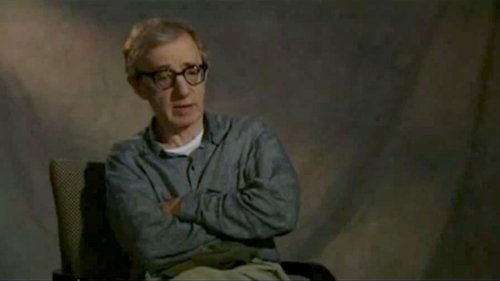
American director Woody Allen talks to English film critic Mark Kermode about the films of Swedish director Ingmar Bergman. Allen has always been a champion of Bergman's work and here he talks about the influence they had on him as a director.
The first of two documentaries about Ingmar Bergman produced to mark his 70th birthday. Includes behind the scenes "home movies" from Bergman's personal archive, interviews with Bergman recorded over his 40 years in the film industry and passages from his autobiography read by Max von Sydow and Bergman himself.
One-minute visual essay about Ingmar Bergman
No description available for this movie.
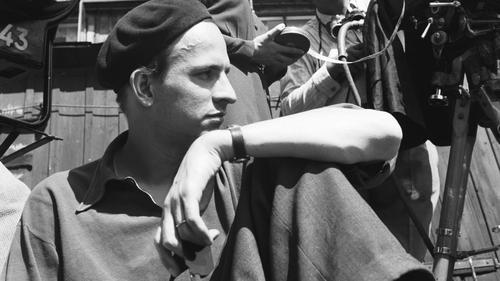
The year 1957 was one of the most prolific for the Swedish filmmaker Ingmar Bergman: he shot two films, released two of his most celebrated films and produced four plays and a TV movie while juggling with a complicated private life.
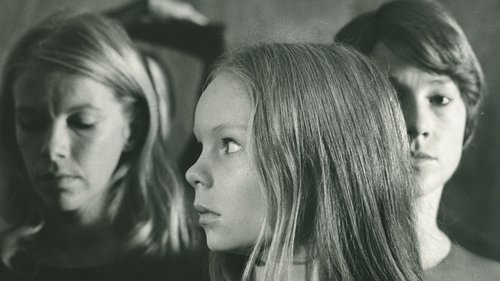
The film shows four women moving in a crowded, closed room to the music of Monteverdi. They represent women living by passing on a role that is passed down to them for generations. Two of the dancers are damned souls that come to life, the third is death and the fourth a child born free, but forced into the other female roles.
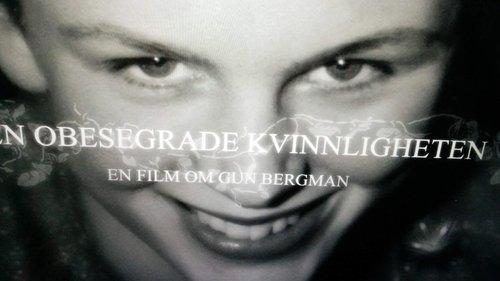
"The Undefeated Femininity" - a film about Gun Grut Bergman. In September 1949 Ingmar Bergman left his wife and five children, and escaped to Paris with a new woman, Gun Grut. It was the beginning of a passionate love affair, an enduring jealousy drama and a new theme in Bergman's films. Now their son, Ingmar Bergman Jr, walks in his parents' footsteps, from Paris to the home on Grev Turegatan 69 in Stockholm.

Migrant families experience violence, but they also keep beautiful memories when they arrive in new lands. Fantastic and intimate stories, recalled from childhood, travel across time and space, magically intermingling with the help of the four elements and breaking the boundaries of cinema.
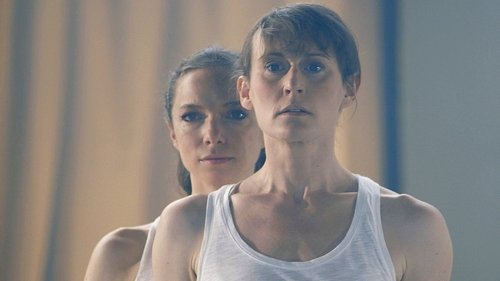
Four of Sweden's most innovative choreographers travel to Ingmar Bergman's home on Fårö to explore and get inspired. The result is a unique contemporary dance film.The renowned Swedish choreographers Alexander Ekman, Pär Isberg, Pontus Lidberg and Joakim Stephenson, with principal dancers Jenny Nilson, Nathalie Nordquist, Oscar Salomonsson and Nadja Sellrup from the Royal Swedish Ballet, interpret Ingmar Bergman through four unique dance performances reflecting on human relations and intense feelings. The dances are linked together with images of the epic natural beauty of Fårö and Bergman's poetic home Hammars, including the voice of the master himself - Ingmar Bergman - revealing his thoughts about movements and music.
No Days Off for Death” is a film that depicts an altered rendition of our own world to explore themes of grief and over corporatisation, the narrative takes place from two perspectives that ultimately come together; one of a nameless Grim Reaper (only referred to as “Death”) who only wants to take a long overdue holiday from their endless mundane work in the corporate underworld and a grieving man (Max) contemplating committing suicide after a breakup leaves him at the end of his rope. When Death is sent on a job to see that Max goes through with his plan, they decided to try and convince Max to keep on living, an altruistic act Max reluctantly engages with even if death just wants their holiday.
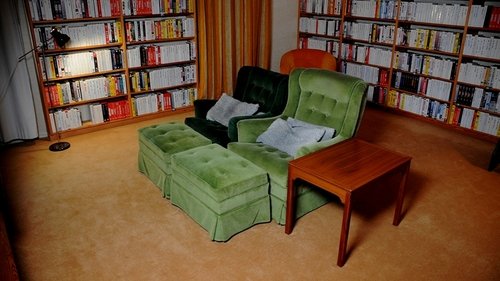
In the sixties, Swedish filmmaker Ingmar Bergman (1918-2007) built a house on the remote island of Fårö, located in the Baltic Sea, and left Stockholm to live there. When he died, the house was preserved. A group of very special film buffs, came from all over the world, travel to Fårö in search of the genius and his legacy. (An abridged version of Bergman's Video, 2012.)
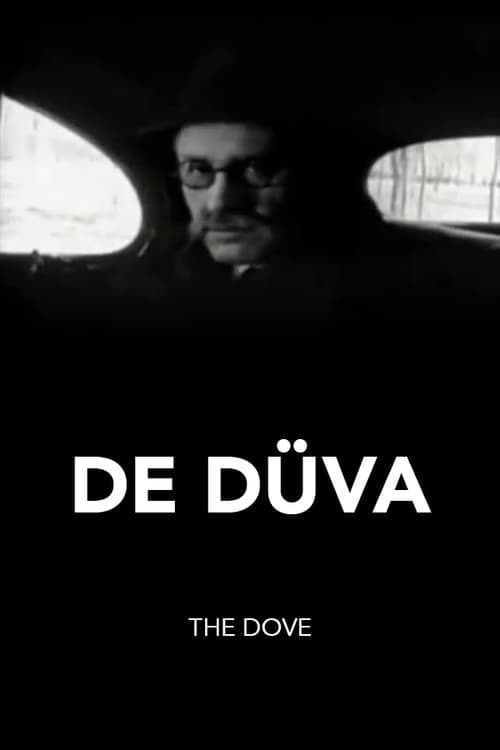
De Düva is a 1968 Oscar-nominated American short film that parodies the films of Swedish director Ingmar Bergman, including Wild Strawberries and The Seventh Seal. The film borrows heavily from the plot lines of some of Bergman's most famous films. The dialogue, seemingly in Swedish, is actually a Swedish-accented fictional language based on English, German, Latin, and Swedish, with most nouns ending in "ska." The film was nominated for an Oscar for Best Live Action Short Film.
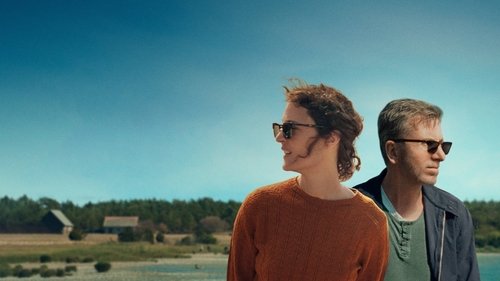
An English-German filmmaking couple retreat to Fårö for the summer to each write screenplays for their upcoming films in an act of pilgrimage to the place that inspired Ingmar Bergman. As the summer and their screenplays advance, the lines between reality and fiction start to blur against the backdrop of the Island's wild landscape.
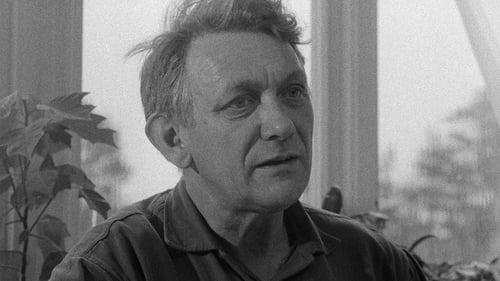
Bergman interviews the locals of Fårö in this fascinating documentary. An expression of personal and political solidarity with the fellow inhabitants of his adopted home, the island of Fårö in the Baltic Sea, this documentary investigates the sometimes deleterious effects of the modern world on traditional farming and fishing communities. The young, especially, voice doubts about remaining in such a remote, quiet place.
Super-8 footage captured while filming Bergman Island. In voice-over, filmmaker Mia Hansen-Løve offers intimate reflections on her creative process on the island of Fårö and her relationship with Bergman and Swedish cinema.
A highfalutin art movie crumbles into a meta-fictional disaster that betrays its director’s incompetence in real time, and it’s all on film.
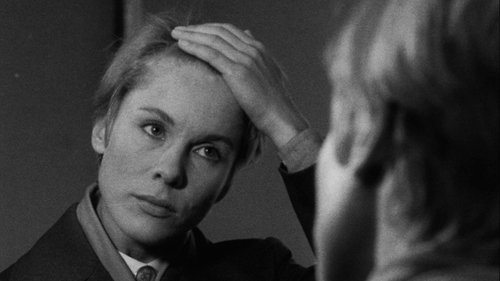
Filmmaker Kogonada reflects on women and mirrors in the films of Ingmar Bergman.
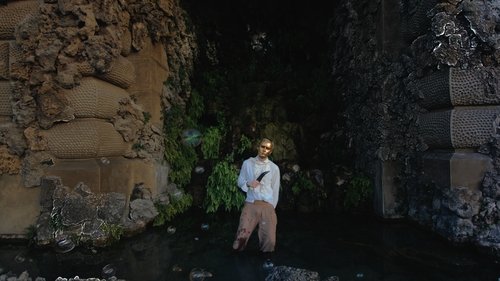
A period drama set between Scotland and Italy.
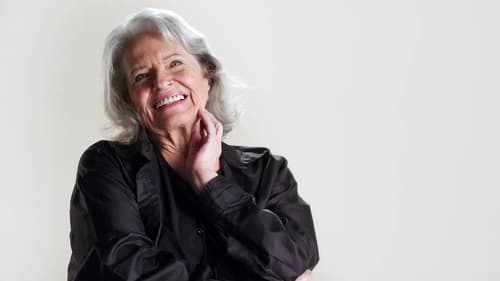
The working class girl from Landala, Gothenburg, through the fine art of theatre and all the way to Hollywood.
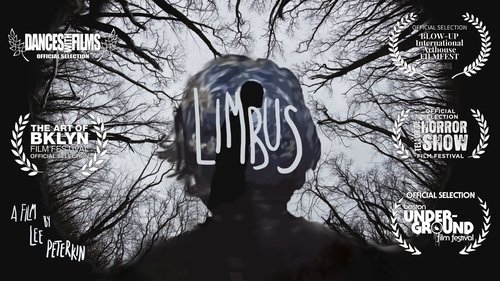
As Alex struggles with disturbing hallucinations, his wife Vera tries to help, until they both experience their own profound revelations.
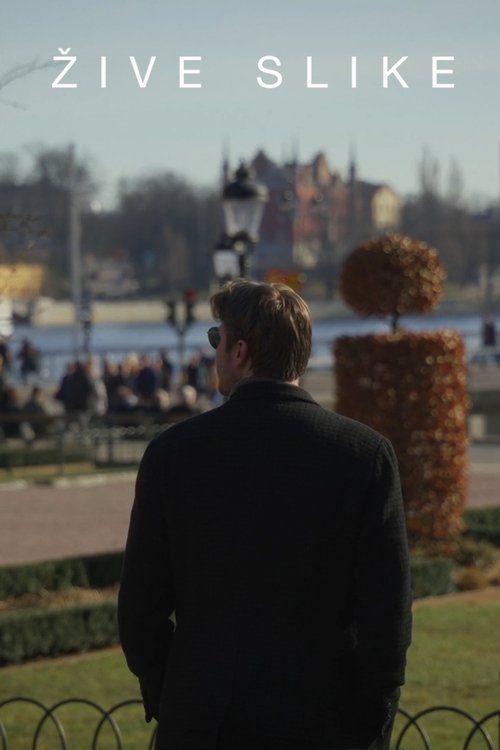
Language is like memory. If it is not used, it slowly fades. Stockholm is not like Zagreb, but it is like any capital city. I was there when it happened, without having time to say 'thank you' for everything. The book is excellent, each chapter is like Andersson's tableau – a separate whole in which over time you notice the thoughtful layers of tragicomic human life.

Folk och Rackare play music; Ebbe Schön and Sif Ruud tell Christmas stories.
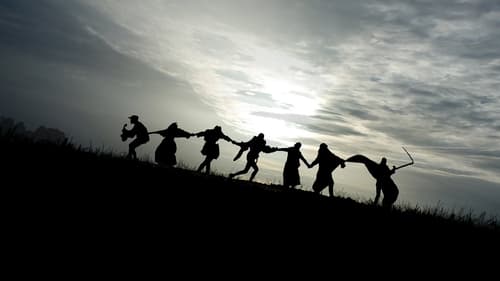
When disillusioned Swedish knight Antonius Block returns home from the Crusades to find his country in the grips of the Black Death, he challenges Death to a chess match for his life. Tormented by the belief that God does not exist, Block sets off on a journey, meeting up with traveling players Jof and his wife, Mia, and becoming determined to evade Death long enough to commit one redemptive act while he still lives.
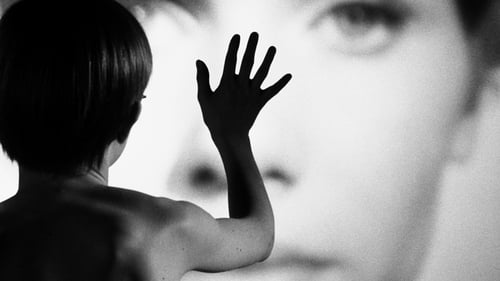
A young nurse, Alma, is put in charge of Elisabeth Vogler: an actress who is seemingly healthy in all respects, but will not talk. As they spend time together, Alma speaks to Elisabeth constantly, never receiving any answer.
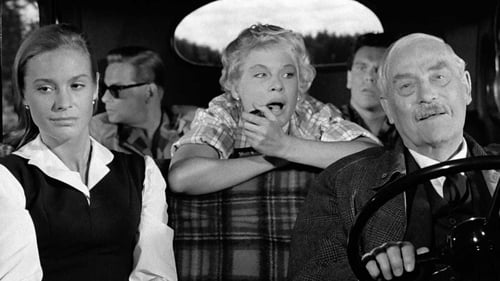
Crotchety retired doctor Isak Borg travels from Stockholm to Lund, Sweden, with his pregnant and unhappy daughter-in-law, Marianne, in order to receive an honorary degree from his alma mater. Along the way, they encounter a series of hitchhikers, each of whom causes the elderly doctor to muse upon the pleasures and failures of his own life. These include the vivacious young Sara, a dead ringer for the doctor's own first love.