
Action
Adventure
Animation
Comedy
Crime
Documentary
Drama
Family
Fantasy
History
Horror
Music
Mystery
Romance
Science Fiction
Thriller
War
Western
Found 35 movies, 2 TV shows, and 2 people
Can't find what you're looking for?
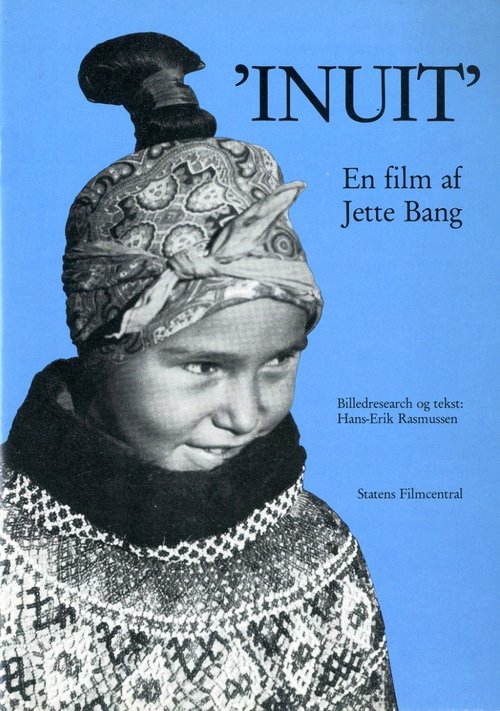
No description available for this movie.
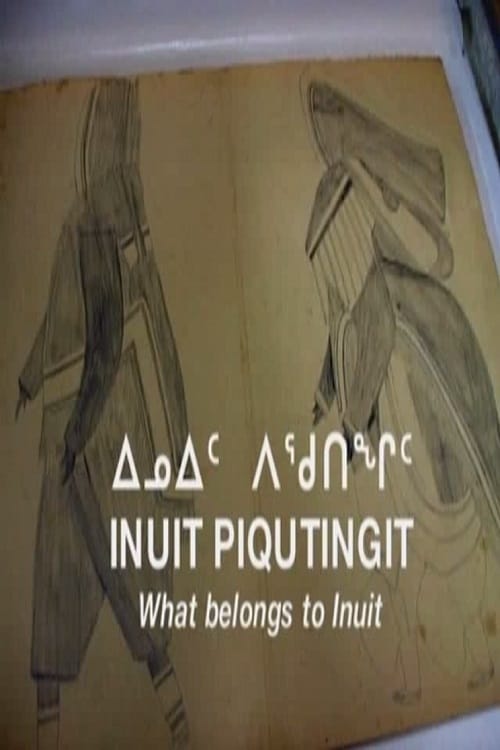
A group of Nunavut elders travel to five museums in North America to see and identify artifacts, tools and clothing collected from their Inuit ancestors. Directed by Zacharias Kunuk and Bernadette Dean.

Through interviews with Inuit across Nunavut, and documentation of a three-year community hearing process during the COVID pandemic, award-winning filmmaker Zacharias Kunuk explores what meaningful consultation in the 21st century means within the context of a large-scale mining expansion on Baffin Island.

Ulivia explores what is accessible via the Internet in relation to Inuktitut. A complex language with several dialects which varies from one generation to the next. Inuktitut is threatened by dominant languages. Are there solutions so that these technologies are allies and not enemies?
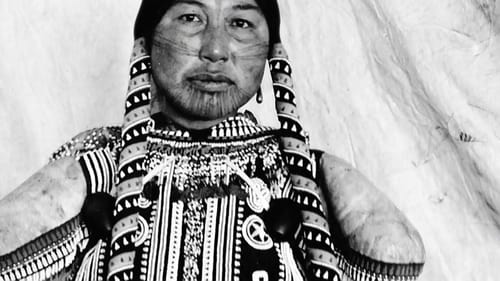
Inuit traditional face tattoos have been forbidden for a century, and almost forgotten. Director Alethea Arnaquq-Baril, together with long-time friend and activist Aaju Peter, is determined to uncover the mystery and meaning behind this beautiful ancient tradition. Together they embark on an adventure through Arctic communities, speaking with elders and recording the stories of a once popularized female artform. Central to the film is Arnaquq-Baril’s personal debate over whether or not to get tattood herself. With candour and humour, she welcomes us into her world, to experience firsthand the complex emotions that accompany her struggle. Past meets present in this intimate account of one woman’s journey towards self-empowerment and cultural understanding.
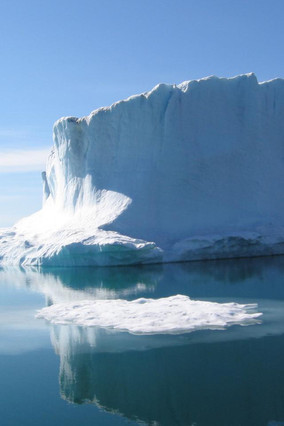
Director Zacharias Kunuk (Atanarjuat The Fast Runner) and researcher and filmmaker Dr. Ian Mauro (Seeds of Change) have teamed up with Inuit communities to document their knowledge and experience regarding climate change. This documentary, the world's first Inuktitut language film on the topic, takes the viewer "on the land" with elders and hunters to explore the social and ecological impacts of a warming Arctic. This unforgettable film helps us to appreciate Inuit culture and expertise regarding environmental change and indigenous ways of adapting to it.
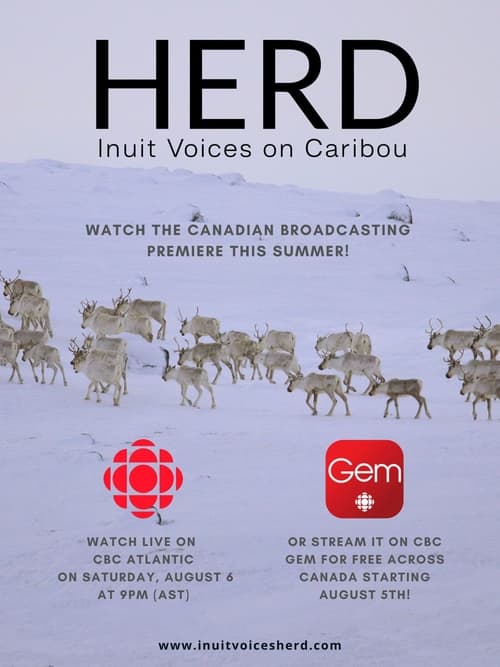
Through Inuit voices, HERD: Inuit Voices on Caribou tells the story of the social, emotional, and cultural disruptions from ecological change by putting an essential human face to the caribou declines - including a 99% decline of the once-massive George River Caribou Herd. The film was developed over four years of collaboration between filmmakers and 11 Inuit communities across Labrador. It cinematically explores an array of lived experiences, from youth to Elders and hunters to cooks, to ensure that the stories of those living on the frontlines of this ecological crisis are HERD. It is a portrait of the deep connections that exist between humans and non-humans, a glimpse of heartbreaking loss felt by entire communities, and a lasting testament of cultural resilience in the context of ecological uncertainty.
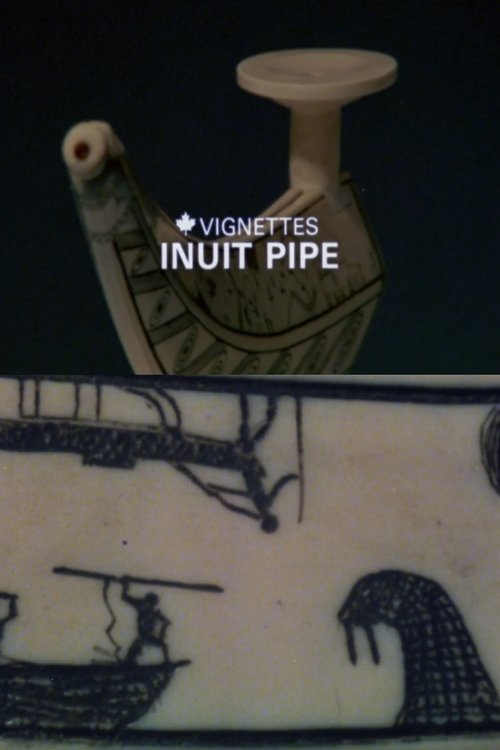
In this animated short from the Canada Vignette series, the camera explores, in exquisite detail, the daily hunt, fishing scenes and children at play as etched in black on an ivory Inuit pipe.

Filmmakers Zacharias Kunuk and Neil Diamond join forces on a journey to the remote site where their ancestors once clashed to celebrate 200 years of peace. Elders recount dramatic stories of battles, heroes and peacemaking from two different cultural perspectives. Coupled with incredible footage and a fantastic soundtrack, the film depicts the modern complexities of two communities living together in Canada's Far North and an age-old conflict between the Cree and Inuit that lasted more than a century.
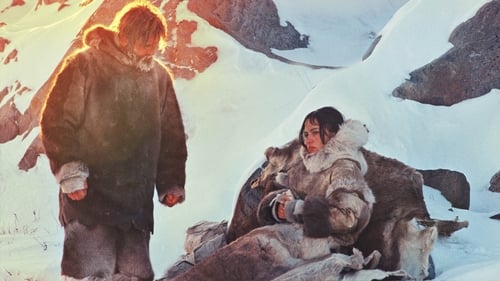
A bush pilot in nothern Canada who with the aid of modernity thinks he can handle it all & knows it all. After reluctantly agreeing to transport a local indian girl to a medical facility his light plane crashes & they have to survive whilst finding their way back to civilization. Along the journey the man finds a new respect for the native ways as they battle to survive the elements.
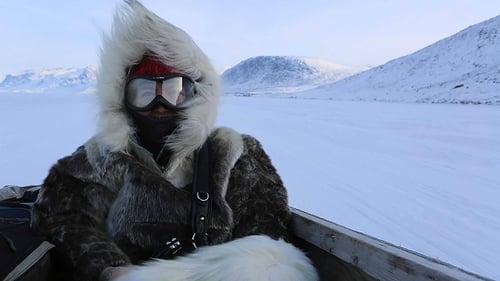
With "sealfies" and social media, a new tech-savvy generation of Inuit is wading into the world of activism, using humour and reason to confront aggressive animal rights vitriol and defend their traditional hunting practices. Director Alethea Arnaquq-Baril joins her fellow Inuit activists as they challenge outdated perceptions of Inuit and present themselves to the world as a modern people in dire need of a sustainable economy.

As a child, Marie-Pascale began to make a raucous sound. As a young adult, she discovers that this voice can be the instrument of katajjaq, or Inuit throat singing. This discovery propels her on a quest and jostle her life. She learns to practice throat singing with the Inuk singer, Charlotte Qamaniq. She meets the Inuit people of today. By listening to their stories and History, she senses parts of her own, intimate, and collective story.
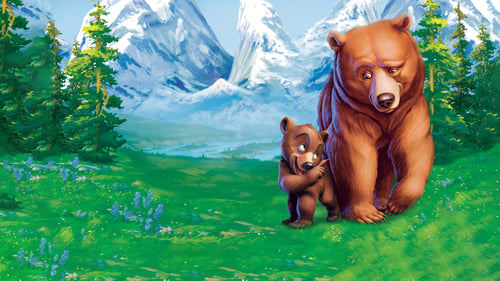
When an impulsive boy named Kenai is magically transformed into a bear, he must literally walk in another's footsteps until he learns some valuable life lessons. His courageous and often zany journey introduces him to a forest full of wildlife, including the lovable bear cub Koda, hilarious moose Rutt and Tuke, woolly mammoths and rambunctious rams.
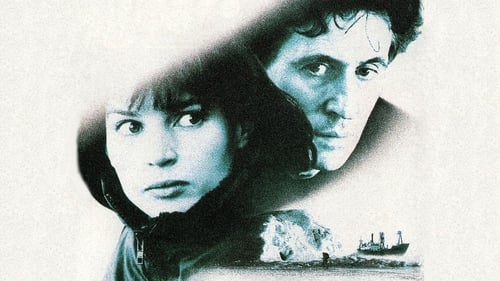
Smilla Jaspersen attempts to understand the death of a small boy who falls from the roof of her apartment building. Suspecting wrongdoing, Smilla uncovers a trail of clues leading towards a secretive corporation that has made several mysterious expeditions to Greenland.

A pair head to the frozen wastes with an expedition in search of radium deposits. Certain members of the group succumb to greed, plotting to bump off the others and claim the radium for themselves.
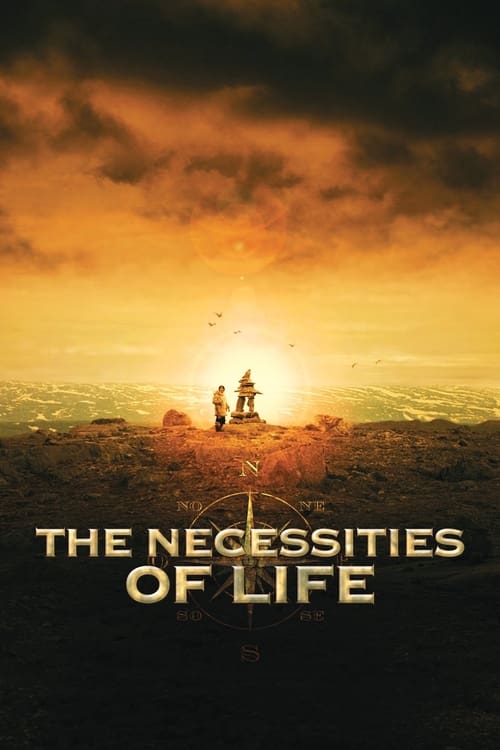
In 1952, an Inuit hunter named Tivii with tuberculosis leaves his northern home and family to go recuperate at a sanatorium in Quebec City. Uprooted, far from his loved ones, unable to speak French and faced with a completely alien world, he becomes despondent. When he refuses to eat and expresses a wish to die, his nurse, Carole, comes to the realization that Tivii's illness is not the most serious threat to his well-being. She arranges to have a young orphan, Kaki, transferred to the institution. The boy is also sick, but has experience with both worlds and speaks both languages. By sharing his culture with Kaki and opening it up to others, Tivii rediscovers his pride and energy. Ultimately he also rediscovers hope through a plan to adopt Kaki, bring him home and make him part of his family
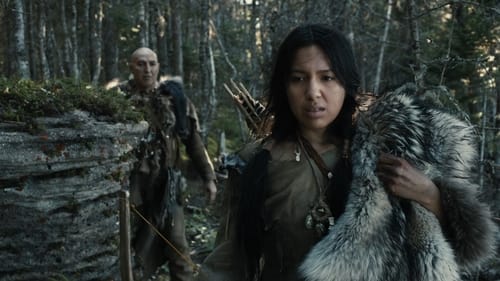
Maïna is the daughter of the Innu leader Mishtenapuu, who attends a bloody confrontation between his clan and the clan of "Men of the Land of Ice." Following this confrontation, Maïna chooses a mission that will change her life. To fulfill the promise that she has made to her friend Matsii on her deathbed, she embarked on the trail of their enemies to deliver Nipki, a 11 year old boy that the Inuit have captured. But she was also taken as prisoner by Natak, the leader of the Inuit group, and forcibly taken to the Land of Ice.
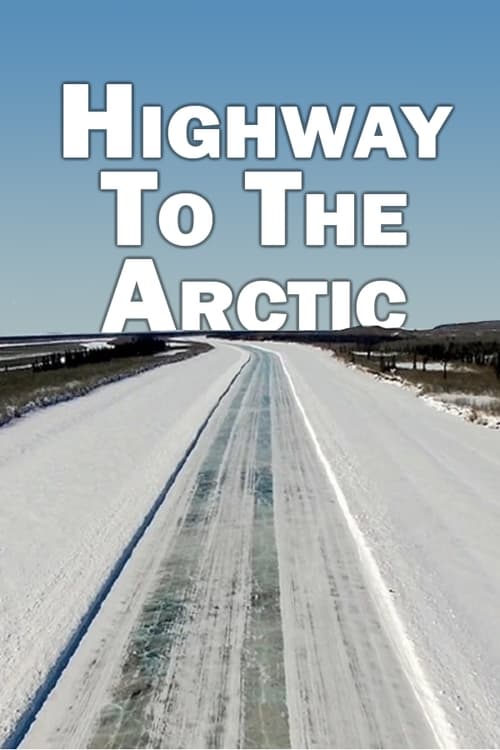
Every winter for decades, the Northwest Territories, in the Canadian Far North, changes its face. While the landscape is covered with snow and lakes of a thick layer of ice, blocking land transport, ice roads are converted to frozen expanses as far as the eye can see.
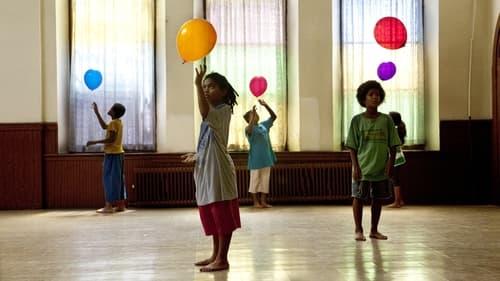
In 2032 an eight-year old boy, displaced by global warming, fends for himself as an environmental refugee in a hostile northern metropolis. Haunted by memories of flooding that left him homeless and orphaned, the boy forms an unexpected friendship with an Inuk ice carver who helps him confront his past.

Part oral history and part visual poem, Miss Campbell: Inuk Teacher is the story of Evelyn Campbell, a trailblazer for an Inuit-led educational system in the small community of Rigolet, Labrador.
The first of two coproductions by the British Broadcasting Corporation and the National Film Board of Canada, People of the Seal, Part 1: Eskimo Summer is compiled from some of the most vivid footage ever filmed of the life of the Netsilik Inuit in the Kugaaruk region (formerly Pelly Bay) of the Canadian Arctic. The original films of the Netsilik series attempted to recreate the traditional lifestyle of Netsilingmiut living there. They show the incredible resourcefulness of the Netsilik (People of the Seal) who have adapted to one of the world's harshest environments. Part 1: Eskimo Summer shows how Inuit families prepare for winter by hunting seal, birds and caribou and by fishing for Arctic Char during the extended hours of daylight.
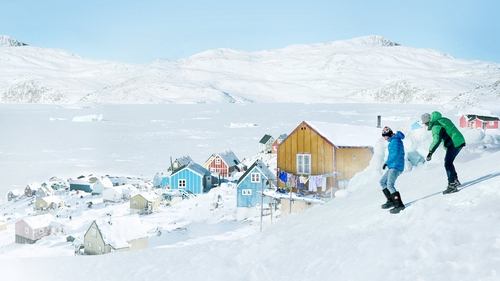
Thomas and Thomas are going through a rough patch: they are both thirty-something actors living in Paris. They randomly decide to leave the city and fly away to Kullorsuaq, one of the most remote villages of Greenland, where Thomas' father Nathan lives. Among the Inuit community, they will discover the charms of the local customs and their friendship will be challenged.
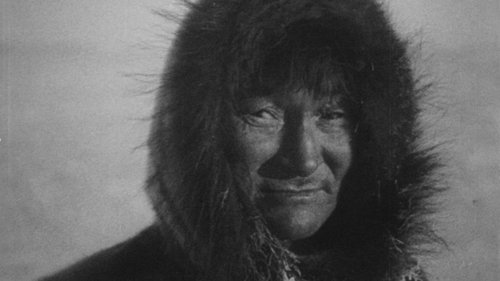
This pioneering documentary film depicts the lives of the indigenous Inuit people of Canada's northern Quebec region. Although the production contains some fictional elements, it vividly shows how its resourceful subjects survive in such a harsh climate, revealing how they construct their igloo homes and find food by hunting and fishing. The film also captures the beautiful, if unforgiving, frozen landscape of the Great White North, far removed from conventional civilization.
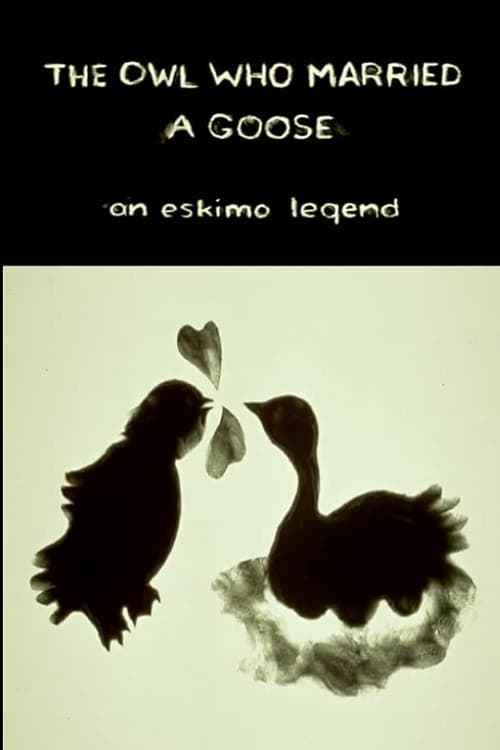
An owl marries a goose. They have off-spring, but somehow their habits of life are not compatible.
The Inuit folktale of an old woman and the orphaned polar bear cub she took in as her own child.
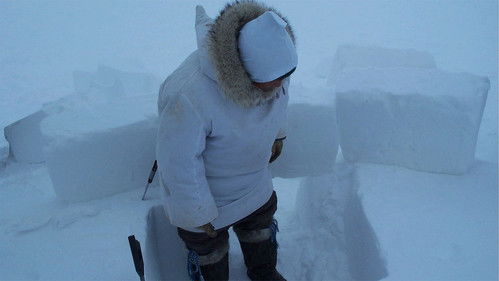
In this feature-length documentary, 8 Inuit teens with cameras offer a vibrant and contemporary view of life in Canada's North. They also use their newly acquired film skills to confront a broad range of issues, from the widening communication gap between youth and their elders to the loss of their peers to suicide. In Inuktitut with English subtitles.
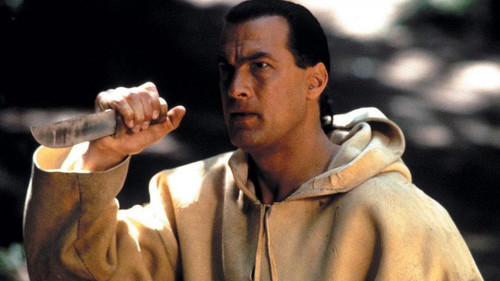
Forrest Taft is an environmental agent who works for the Aegis Oil Company in Alaska. Aegis Oil's corrupt CEO is the kind of person who doesn't care whether or not oil spills into the ocean or onto the land—just as long as it's making money for him.
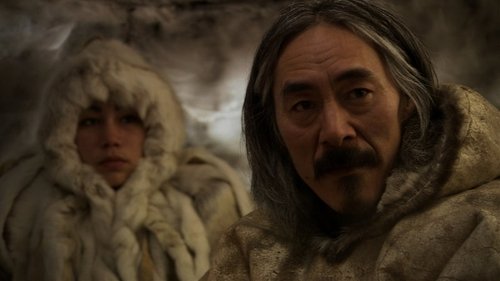
Based on the journal of Knud Rasmussen's "Great Sled Journey" of 1922 across arctic Canada. The film is shot from the perspective of the Inuit, showing their traditional beliefs and lifestyle. It tells the story of the last great Inuit shaman and his beautiful and headstrong daughter; the shaman must decide whether to accept the Christian religion that is converting the Inuit across Greenland.

In the 1930s, Agaguk lives his traditional Inuit life. But one day, there is a murder in the tribe and Agaguk becomes a suspect. Soon he becomes persecuted by Henderson, a mean mountie, and he must flee through the cold winter of Northern Quebec.

In an Arctic village in 1931, British mapmaker Walter Russell selects 12-year-old Eskimo Avik as his guide. When the boy contracts tuberculosis, Walter flies him to a Montreal hospital, where Avik meets Albertine and is infatuated. A decade later, a grown Avik encounters Albertine again in London, where he's serving as a British combat pilot. Despite her relationship with Walter, she and Avik begin an affair.
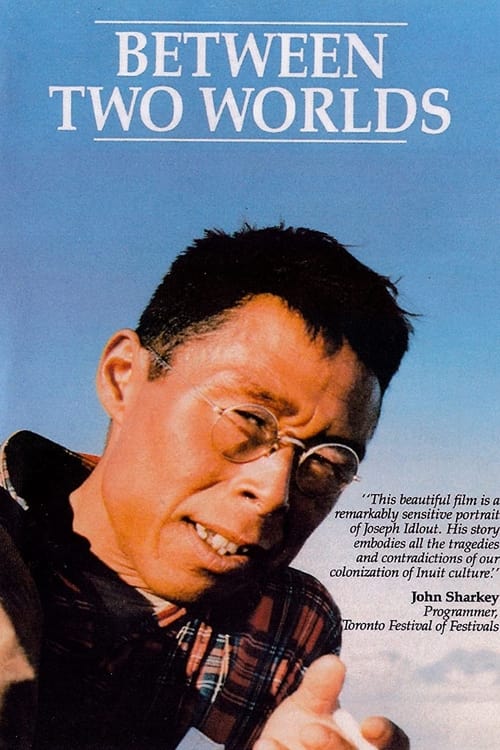
This feature film is a documentary portrait of Joseph Idlout, a man who was once the world's most famous Inuit. Unknown to most Canadians today, Idlout was the subject of many films and books, and one of the Inuit hunters pictured for many years on the back of Canada's $2 bill. In this film Idlout's son, Peter Paniloo, takes us on a journey through his father's life - that of a man caught "between two worlds."

A documentary that chronicles the history of the famous 'Pumas', a Mexican football club that belongs to the the National Autonomous University of Mexico.

Francisca, a beautiful 50-year-old widow, prepared a peaceful future for herself. In an unexpected outburst, she grabs an opportunity for change and embarks on a sailboat called ‘Hovering Over the Water’.
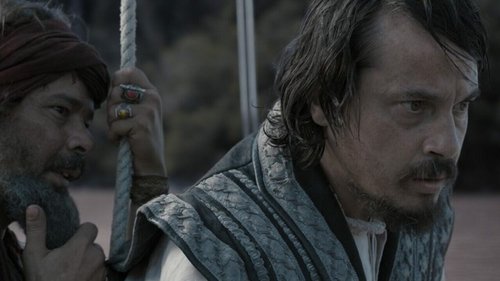
Adventurer, pilgrim, penitent but above all outstanding writer, Fernão Mendes Pinto left us an unparalleled romance, the living and human palpitation of one of the greatest historical adventures of man.

Fernando Pessoa, one of the greatest writers in Portuguese, created an immense parallel world and several heteronyms so as to endure the loneliness of genius. José Saramago, 1998 Nobel Laureate in Literature, has a heteronym, Ricardo Reis, return to Portugal after a 16-year exile in Brazil. 1936 is a perilous year with Mussolini’s fascism, Hitler’s Nazism, Spain’s Civil War and Salazar’s New State in Portugal. And Fernando Pessoa meets his creation, Reis. Two women, Lídia and Marcenda, are Reis’ carnal and impossible passions. “Life and Death as one” allows for literature and cinema.