
Action
Adventure
Animation
Comedy
Crime
Documentary
Drama
Family
Fantasy
History
Horror
Music
Mystery
Romance
Science Fiction
Thriller
War
Western
Found 20 movies, 13 TV shows, and 0 people
Can't find what you're looking for?
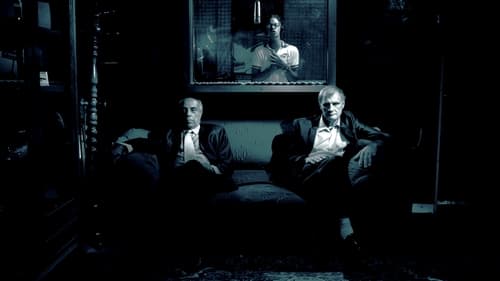
Palermo, Sicily, Italy, 2017. Twenty-five years after the murders of anti-mafia judges Giovanni Falcone, on May 23, 1992, and Paolo Borsellino, on July 19, 1992; and on the occasion of the tributes held in memory of both heroes, skeptical photographer Letizia Battaglia, chronicler of their titanic combat, criticizes the opportunism of shady characters who, like businessman Ciccio Mira, profit from the commemoration of both tragedies.
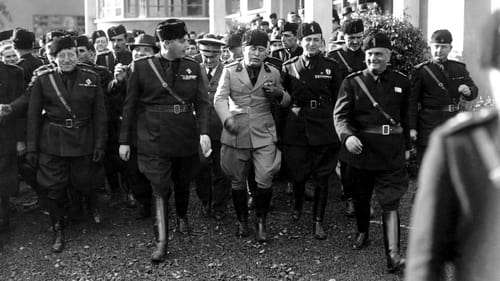
Cinecitta is today known as the center of the Italian film industry. But there is a dark past. The film city was solemnly inaugurated in 1937 by Mussolini. Here, propaganda films would be produced to strengthen the dictator's position.
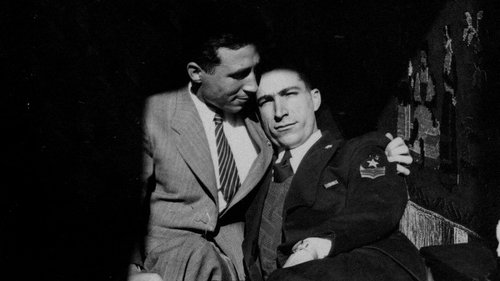
Through letters, diaries and personal testimonies, an account of the complexity and variety of experiences of LGBT Italians during the Fascist dictatorship of Benito Mussolini (1922-43); intimate words that contrast with the lyrics of popular songs and the propaganda of the time, obsessed with extolling the myths of virility, femininity and motherhood and constrained by sexual repression.
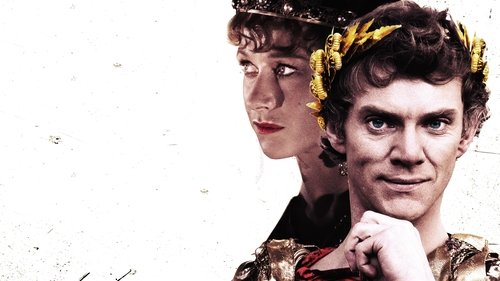
After the death of the paranoid emperor Tiberius, Caligula, his heir, seizes power and plunges the empire into a bloody spiral of madness and depravity.
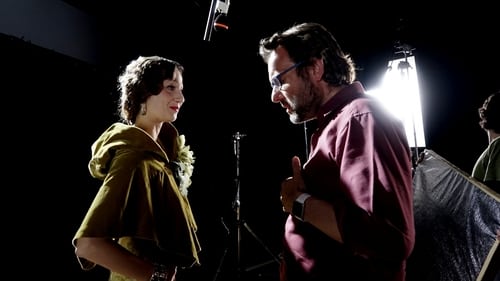
The story of Italian cinema under Fascism, a sophisticated film industry built around the founding of the Cinecittà studios and the successful birth of a domestic star system, populated by very peculiar artists among whom stood out several beautiful, magnetic, special actresses; a dark story of war, drugs, sex, censorship and tragedy.
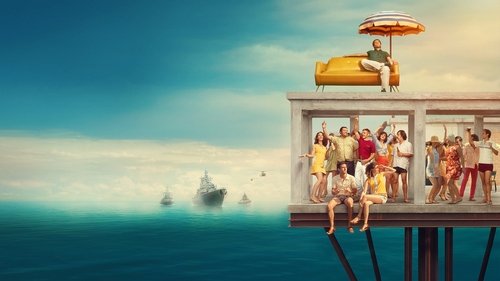
In 1968, engineer Giorgio Rosa established the independent state called "The Isle of Roses" off the coast of Rimini, built on a platform outside the territorial waters, with Esperanto as the official language. The Italian authorities did not take it well because the micronation was seen as an expedient to not pay taxes on the revenues obtained thanks to the arrival of numerous tourists and curious people.
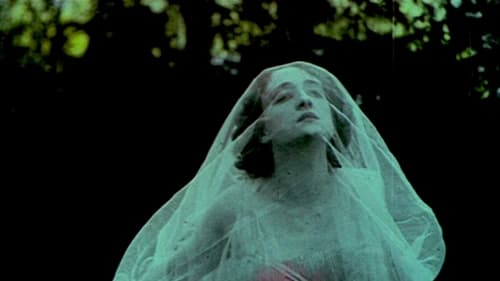
The epic and poetic tale of the early years of Italian cinema, from 1896 to 1930: how peplum was born, how the first stars shone, how many daring filmmakers were able to create an original style amalgamating literature, theater, painting and opera; a tale of splendor and decadence.
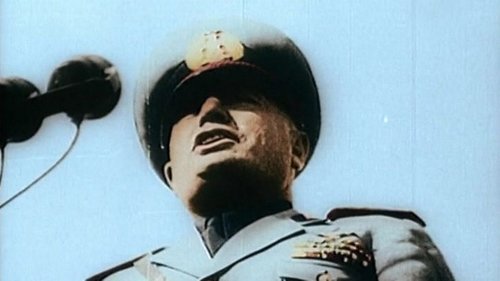
After the World War I, Mussolini's perspective on life is severely altered; once a willful socialist reformer, now obsessed with the idea of power, he founds the National Fascist Party in 1921 and assumes political power in 1922, becoming the Duce, dictator of Italy. His success encourages Hitler to take power in Germany in 1933, opening the dark road to World War II. (Originally released as a two-part miniseries. Includes colorized archival footage.)
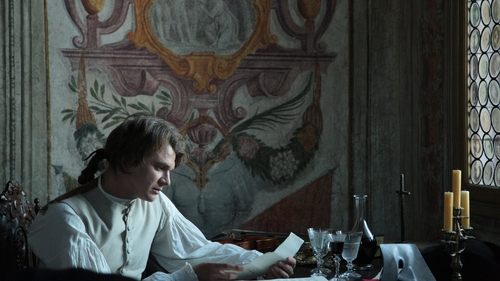
The year is 1764. For over a year, Josef has been leading a precarious life in Venice. He hopes to become an opera composer. The city, full of talented and already-established composers, seems closed to him. Looking for work as a violinist, he comes into the orbit of a rich young woman. Thanks to her, he gets the opportunity to play at salons. But his real opportunity arises when he becomes the lover of a libertine marquise. She teaches him worldly manners, rids him of signs of a provincial upbringing and introduces him to a hedonistic existence free from religious intolerance. Thus transformed, Josef gets an incan incredible commission: to write an opera for the San Carlo, Europe's largest theatre.
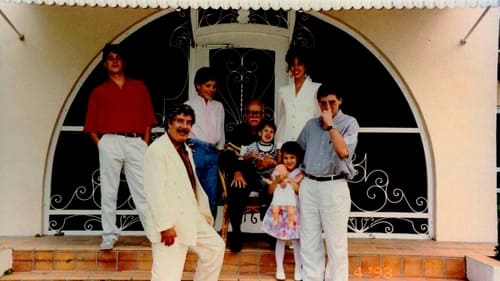
The story of how Sicilian Mafia boss Tommaso Buscetta (1928-2000), the Godfather of Two Worlds, revealed, starting in 1984, the deepest secrets of the organization, thus helping to convict the hundreds of mafiosi who were tried in the trial held in Palermo between 1986 and 1987.
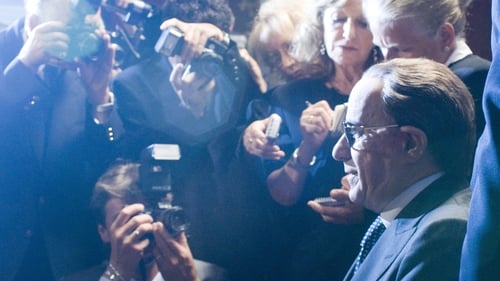
Italy, early '90s. Calm, clever and inscrutable, politician Giulio Andreotti has been synonymous with power for decades. He has survived everything: electoral battles, terrorist massacres, loss of friends, slanderous accusations; but now certain repentant mobsters implicate him in the crimes of Cosa Nostra.

A portrait of Pope Pius XII (1876-1958), head of the Catholic Church from 1939 until his death, who, during World War II, and while European Jews were being exterminated by the Nazis, was accused of keeping a disconcerting and shameful silence.

The incredible story of Lucrezia Borgia (1480-1519), daughter of Pope Alexander VI (1431-1503), deliberately used politically by her powerful family and historically slandered as a poisoner and incestuous femme fatale. But who was the real Lucrezia?
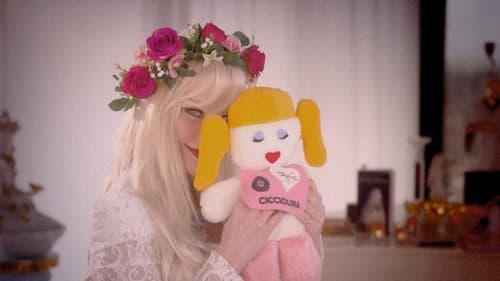
The personal and professional story of Ilona Staller, known as Cicciolina, is probably unique: she left communist Hungary and moved to Italy, where she found a fertile environment for a life dedicated to scandal.
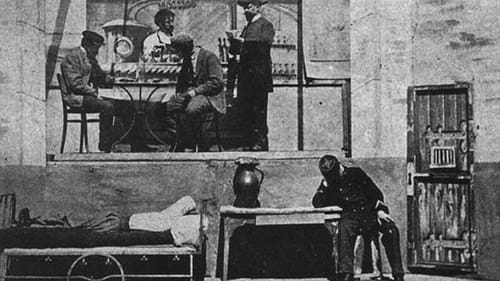
The film recreates the final events leading to Italian unification in September 1870.
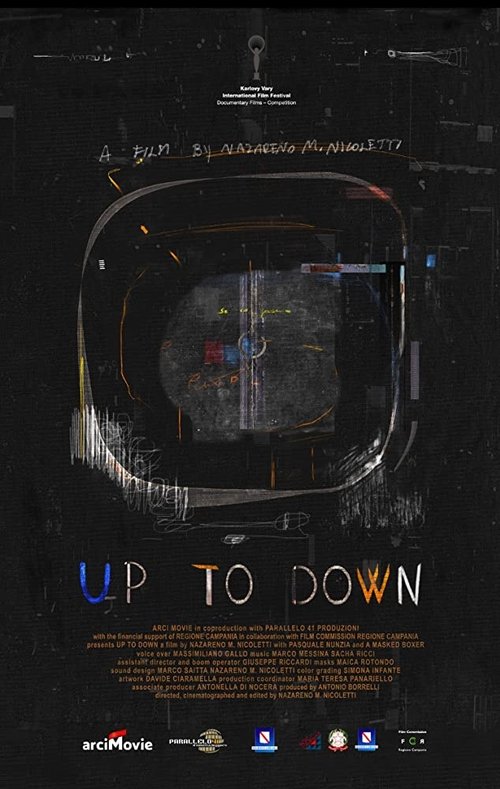
Naples. Home of the unbowed, of madmen and paupers. A city that refuses to lick anyone's boots, let alone stoop to pretense. This documentary bad trip takes us on a tour of the city's dismal suburbs and into the homes of the marginalized and rejected: a man, a girl, and a masked boxer - three protagonists yearning for something else, although they're not quite sure what. (Karlovy Vary Film Festival 2019)
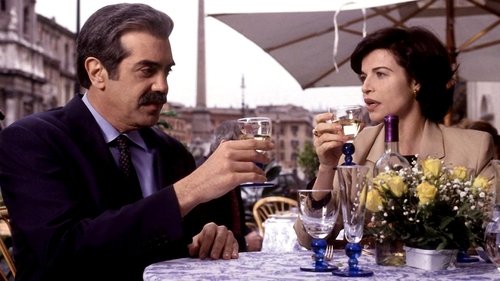
Palermo, Sicily, 1984. Examining magistrate Giovanni Falcone allies with Tomasso Buscetta, a former mobster, to defeat the clan of Corleone, the ruthless Mafia faction that rules Cosa Nostra with an iron hand, cruelly eliminating all those who dare to oppose its immense power: other criminals, policemen, judges, even innocent civilians. One of them wants revenge, the other wants justice. But only one can survive such an unequal fight.
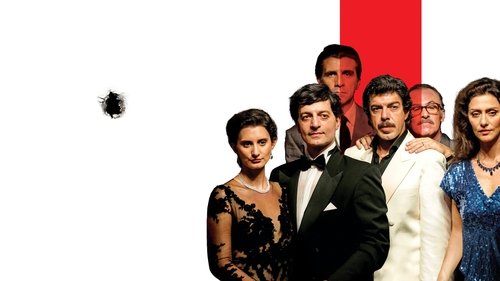
Palermo, Sicily, 1980. Mafia member Tommaso Buscetta decides to move to Brazil with his family fleeing the constant war between the different clans of the criminal organization. But when, after living several misfortunes, he is forced to return to Italy, he makes a bold decision that will change his life and the destiny of Cosa Nostra forever.
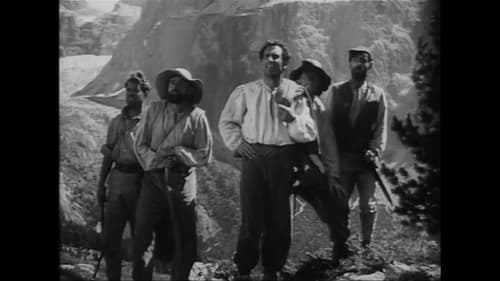
Returned from exile where he accompanied his mother Caterina Sforza, Giovanni de 'Medici (1498-1526), becomes, under the name of Giovanni delle Bande Nere, captain of fortune at the service of the idea of a united Italy.
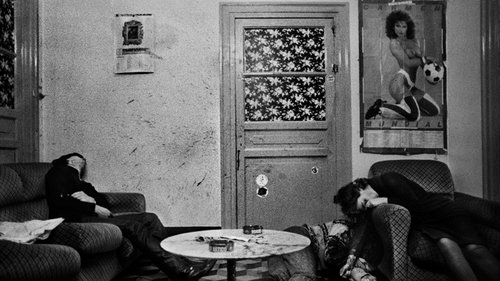
Sicilian photojournalist Letizia Battaglia began a long battle against the ruthless Cosa Nostra when she first photographed the sinister scene of a brutal murder. Documenting the barbaric rule of the Italian Mafia, she was an unwavering witness to its crimes. Her art and courage helped end the horrific and bloody reign of the Corleonesi clan.