
Action
Adventure
Animation
Comedy
Crime
Documentary
Drama
Family
Fantasy
History
Horror
Music
Mystery
Romance
Science Fiction
Thriller
War
Western
Found 28 movies, 11 TV shows, and 0 people
Can't find what you're looking for?
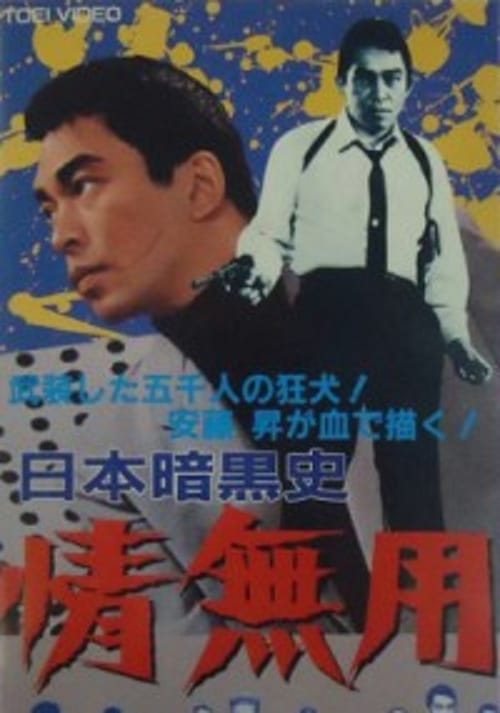
The hero tries to unite various gangs.

Pinku from 1969.
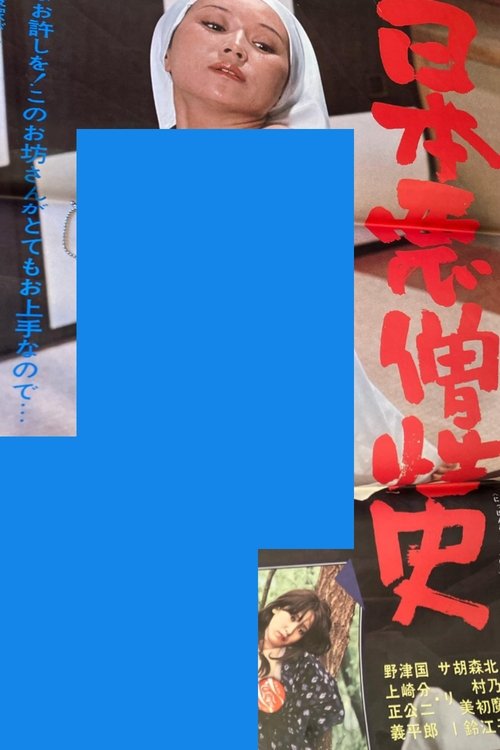
Buddha, forgive me! This monk is so skilled... daughters, young widows, and even nuns writhe in agony and cry in the embrace of this corrupted monk,
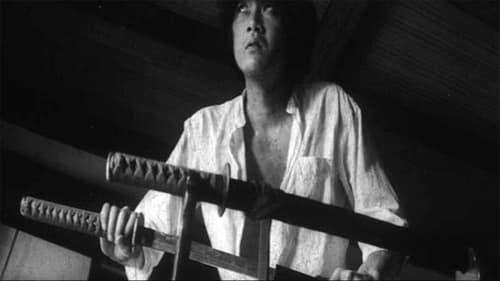
A brother and sister live as outcasts from their hamlet due to a belief that mental illness runs in their family. A group of villagers plot to steal their property by beating and hanging the brother and gang-raping the sister. Believing the brother to be dead, scheming to kill the sister, and making both deaths look like accidents... unbeknownst to them, the brother survives and proceeds on a mission to slaughter those responsible in the hamlet.
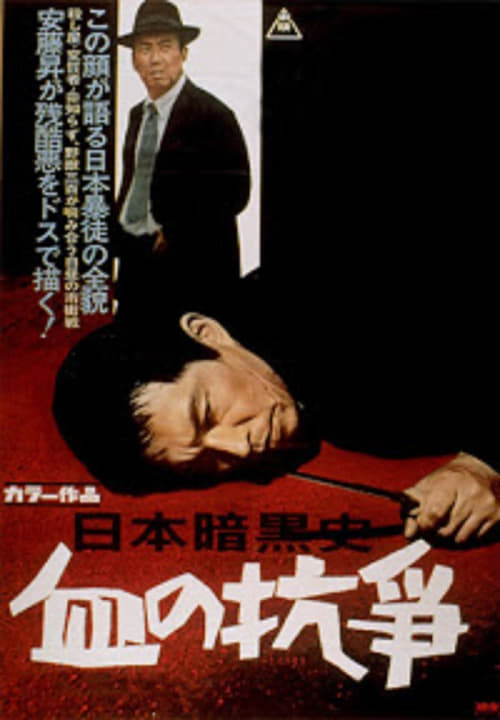
No description available for this movie.
Pink film by Kan Mukai.
Pink film distributed by Roppo Eiga.
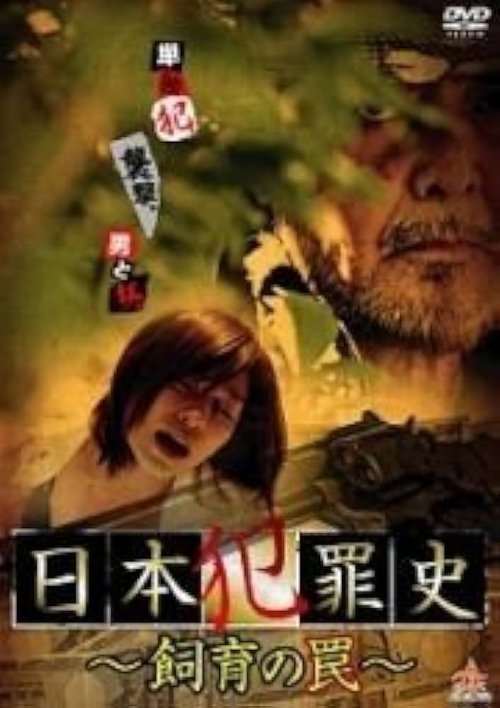
This is the final chapter of the "Japanese Crime History" series, based on actual incidents. The time is Nagoya in the Heisei era. A mysterious man, Sato, is caught red-handed in an attack on a cash truck. The police, who are investigating the case, reveal Sato's shocking past. He was involved in many unsolved cases that occurred in various places.
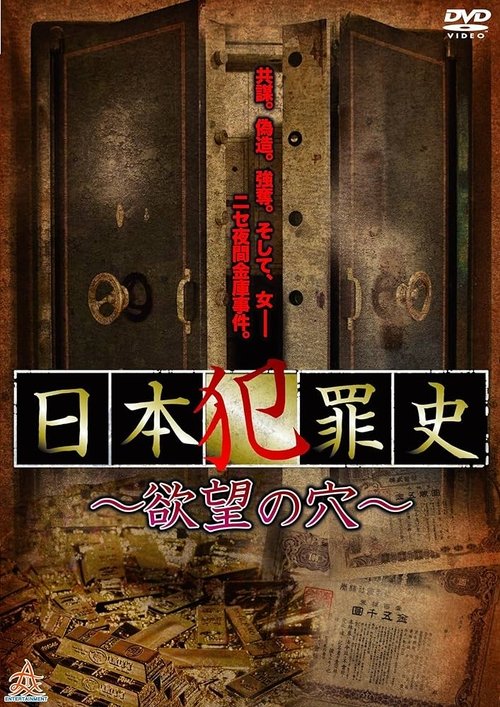
Crime drama based on a true incident, set in Osaka in the 1965's. Taro is a smart guy but Hanako's pimp. Taro is a smart man, but Hanako's pimp. While he is living a simple life, he is reunited with his childhood friend Yusuke, and a big turn of events occurs. A major turning point occurs. He comes up with the idea of committing a crime in order to help Yusuke, who was having financial difficulties!

A crime drama inspired by the counterfeiting of counterfeit bills, a case that remains in postwar crime history. The year is 1985. The counterfeit bills, known as "Chi-37," which caused a commotion around 1961, start circulating again. Detective Kobayashi is determined to catch the counterfeiters, but his investigation, which goes back a long way, proves difficult...

Shin Ki-soo spent his life collecting visual materials, and drew upon them to make this film about the history of zainichi Koreans in pre-war Japan. From the massacre of Koreans at the construction site of the Nakatsugawa hydroelectric power plant in Niigata Prefecture and the joint struggle of Korean and Japanese factory girls at the Kishiwada cotton mills to the dispute at the Sanshin Railroad construction site in Aichi Prefecture and the strike at the Aso coal mines in the Chikuho region of Kyushu, this film uncovers and assembles valuable testimony from many people who played key roles in the movement to free Korea from Japanese colonialism.
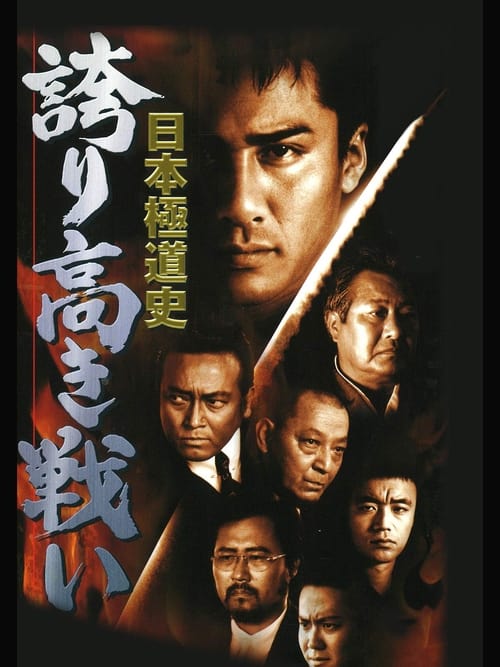
First entry in the duology
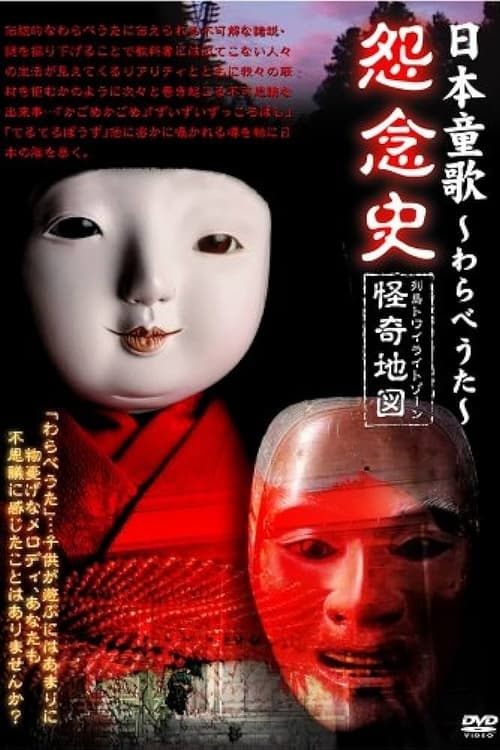
All Japanese people have heard of warabeuta at least once. This film delves into the puzzling theories and mysteries handed down in traditional warabeuta, such as "Kagome kagome," "Zuizui zutsugorobashi," and "teru teru bozu," and uncovers the shadows of Japan, centering on secretly whispered rumors.
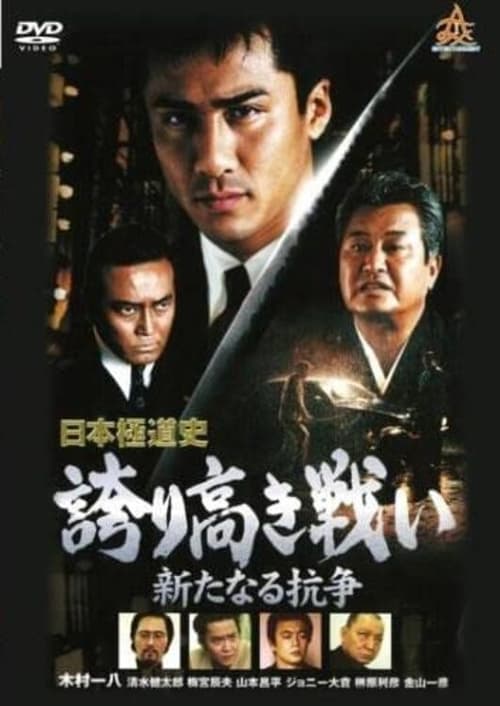
Sencond entry in the duology.
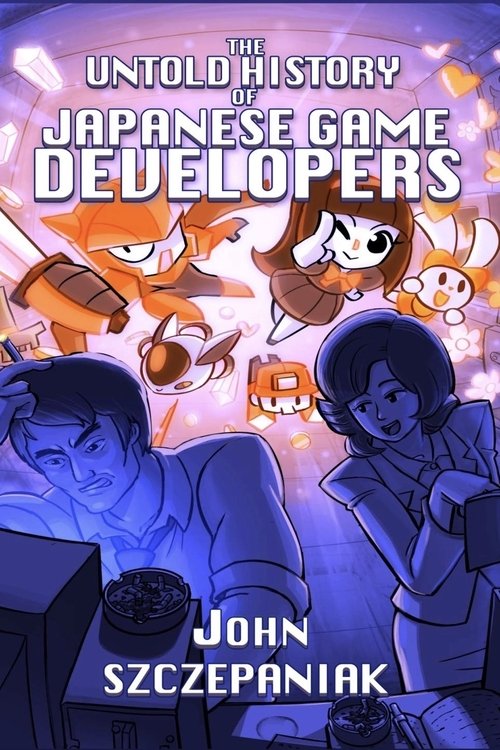
Explores the history of Japanese video games through exclusive interviews and never-before-seen access to a wide variety of material.
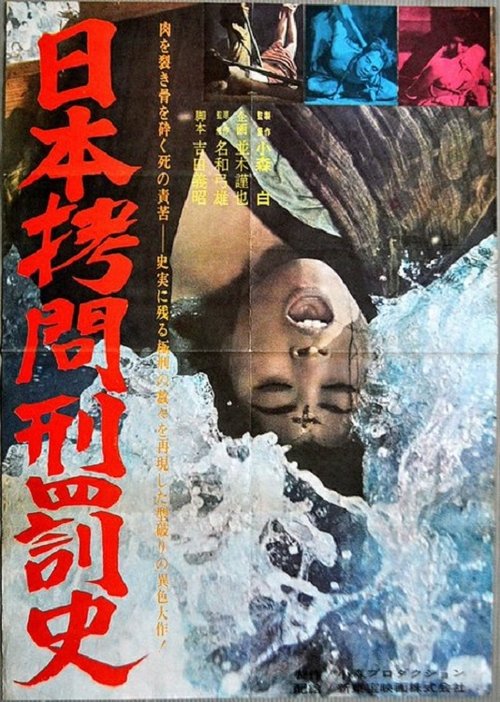
1964 pink film
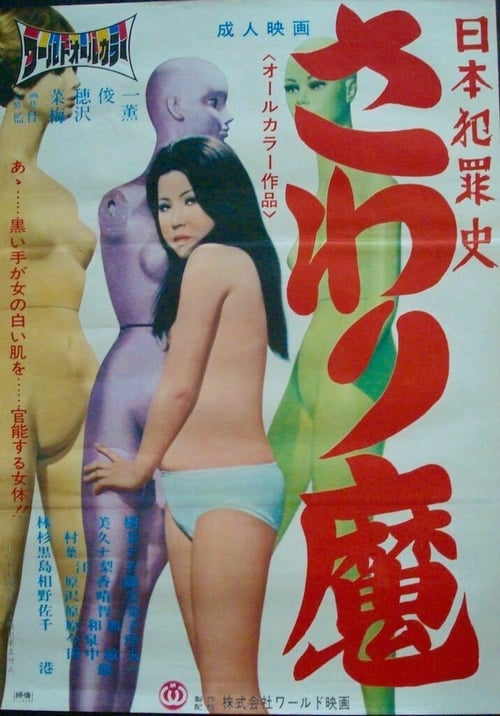
Pink film from 1971.
A documentary tracing the development of Shinto to the present day. Explores ancient ritual sites that are still used today, as well as major shrines and great works of Shinto religious art.
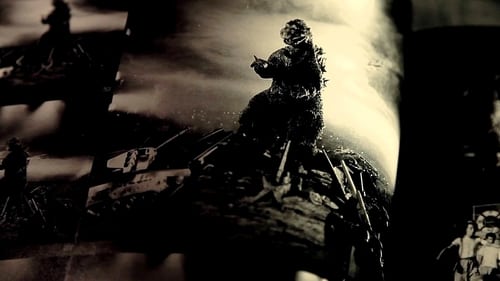
Japan, 1954. A legend emerges from the ashes of Hiroshima and Nagasaki, devastated by atomic bombs in 1945. The creature's name is Godzilla. The film that tells its story is the first of kaiju eiga, the giant monster movies.
From empire to ashes-Japan's rise, war, and reckoning. A gripping journey through ambition, conflict, and the cost of a nation's destiny.
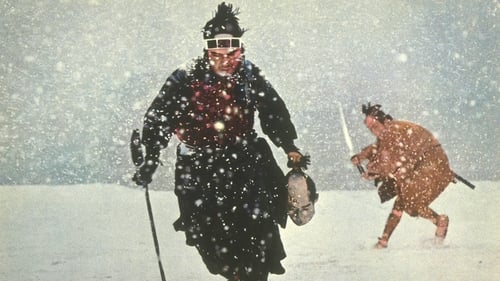
This anthology film consists of nine incidents in the late 19th and early 20th centuries when assassins changed the course of Japanese history.
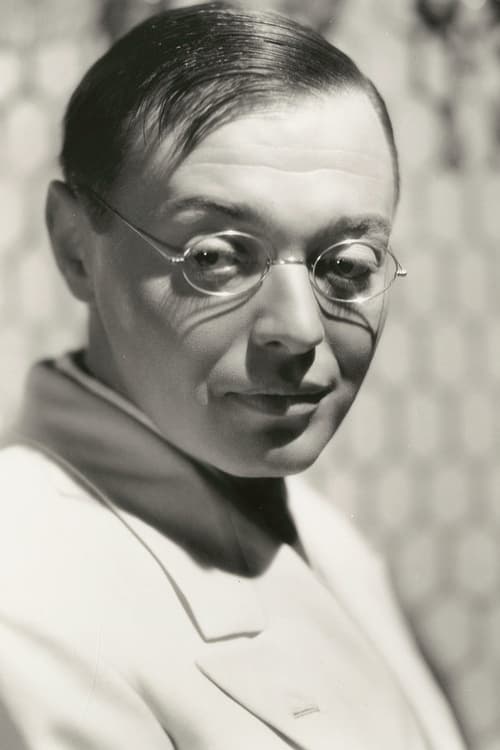
Featurette about the demise, during the early 1940s, of the once-popular Mr. Moto B-films series that starred Peter Lorre.
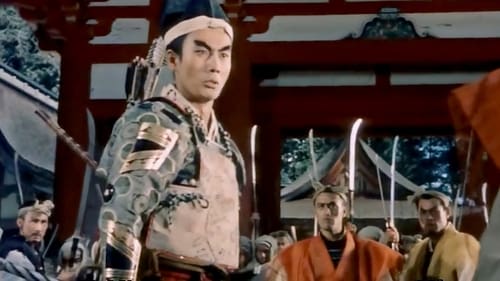
Japan, 1137. The Taira family, a samurai clan, becomes involved in the disputes between Emperor Toba and the monks of Mount Hiei.
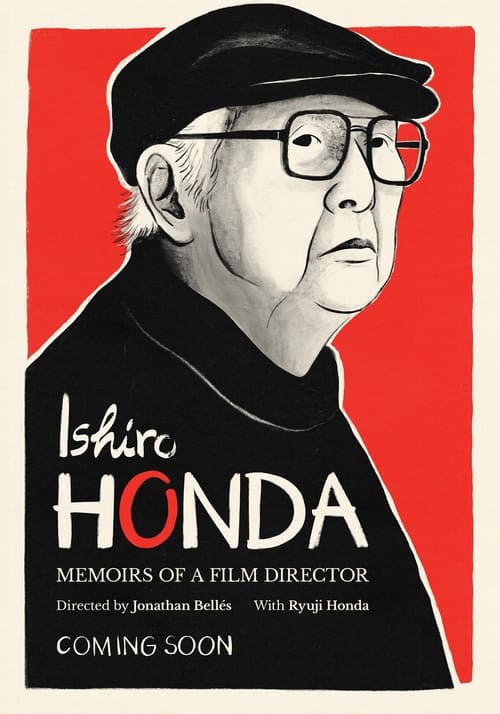
A documentary film that delves into the life and cinematic career of one of Japan's most prolific directors: Ishiro Honda. The film will spotlight Honda's filmography from both a historical and personal perspective, exploring his contributions to the Japanese film industry and his firsthand experiences of war, from which he barely survived. It will also delve into his profound feelings regarding the atomic bomb, a subject that became an obsession for him and was frequently reflected in his films. The documentary will analyze Honda's body of work through interviews with individuals who had the privilege of collaborating with him, as well as experts on Honda's films from both Japan and the Western world. Furthermore, the film will uncover Honda's friendship and professional relationship with director Akira Kurosawa.
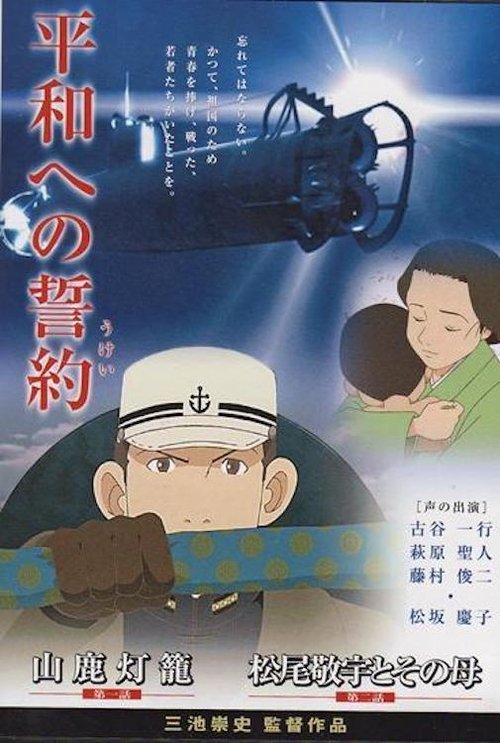
Lieutenant Keiu Matsuo lost his life in a midget submarine attack at Sydney Harbor during the night of May 31 and June 1, 1942. This short animation film pays homage to Keiu Matsuo and his mother Matsue.
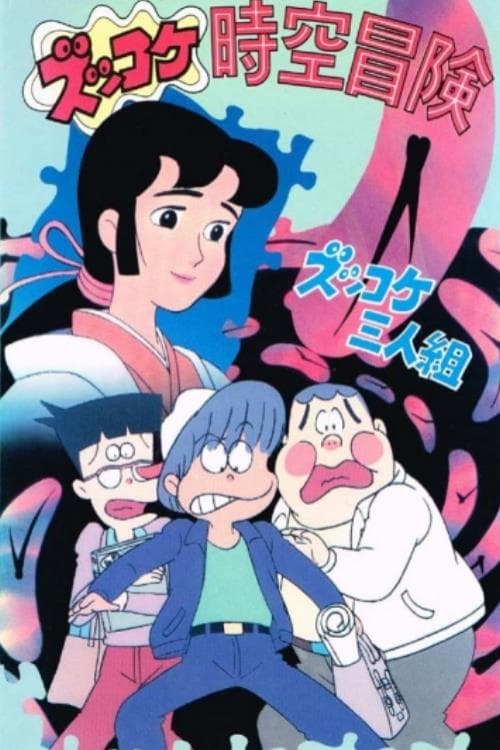
Three reporters from the school paper get transported back to the Edo period.
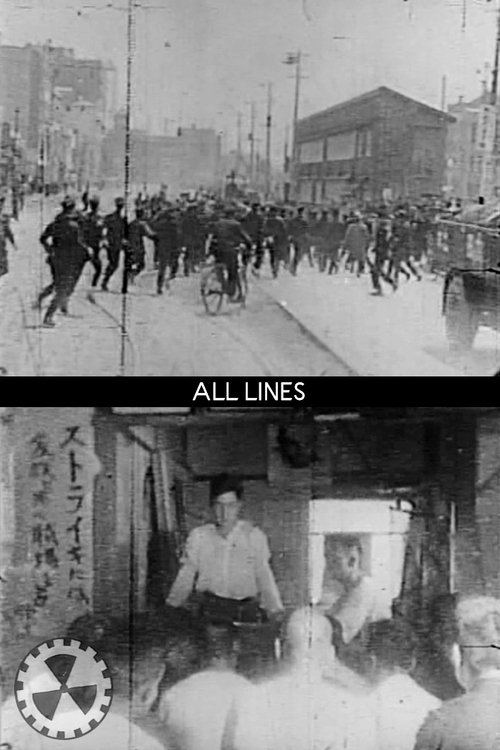
This was a news film with elements of reenactment. From December 1927 to 1932, 2,000 bus and train drivers were fired, provoking a strike. This film was edited out of footage shot from that strike over a long period.

The protagonist visits Uji and tours the town, which has been shaped by the accumulation of history and culture from various eras, including the Heian period.