
Action
Adventure
Animation
Comedy
Crime
Documentary
Drama
Family
Fantasy
History
Horror
Music
Mystery
Romance
Science Fiction
Thriller
War
Western
Found 14 movies, 1 TV show, and 5 people
Can't find what you're looking for?
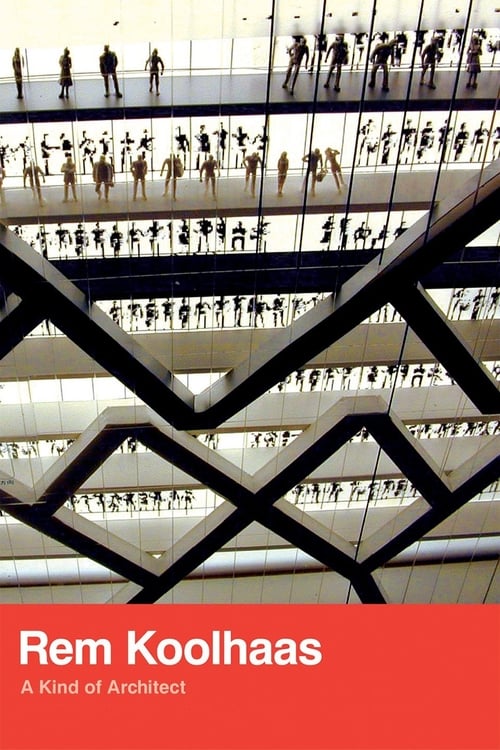
Rarely has an architect caused as much sensation outside of the architecture community as Rem Koolhaas. His outstanding creations such as the Dutch Embassy in Berlin, the Seattle Library, the Casa da Musica concert hall in Porto, and the Guggenheim Heritage Museum in Las Vegas are working examples of the Dutchman's visionary theories about architecture and urban society. "Rem Koolhaas: A Kind of Architect" is an engaging portrait of a visionary man, which takes us to the heart of his ideas. The filmmakers have made a visually inventive thought provoking portrait of the architect, prompting Rem Koolhaas to state "it's the only film about me that I have liked."
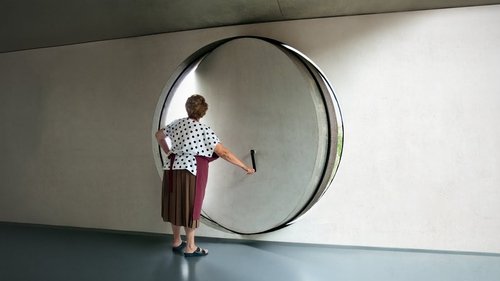
Koolhaas Houselife portrays one of the masterpieces of contemporary architecture. The film lets the viewer enter into the house's daily intimacy through the stories and daily chores of Guadalupe Acedo, the housekeeper, and the other people who look after the building. Pungent, funny and touching.

LAGOS / KOOLHAAS follows Koolhaas during his research in Lagos over a period of two years as he wanders through the city, talking with people and recognizing the problems with water, electricity and traffic. But instead of judging the city to be doomed, he is able to interpret this 'culture of congestion' positively, thereby creating a completely new concept of the big city.

An international tech entrepreneur with a fondness for architecture asks Rem Koolhaas to build a house on an impossibly small piece of mountainside in Zell am See in Austria. The architect of the celebrated book S,M,L,XL seizes the challenge: how to draw light into a house less than four metres wide that is mostly underground? Photographer and filmmaker Frans Parthesius followed the building process and offers insight into Koolhaas’s way of working and the special relationship with his client.
Architecture is often seen from the outside, as an inanimate object represented in still imagery. ‘REM’ exposes the human experience of architecture through dynamic film.

A documentary about the design of cities, which looks at the issues and strategies behind urban design and features some of the world's foremost architects, planners, policymakers, builders, and thinkers.

A documentary focusing on the rebuilding projects in Berlin after the fall of the Berlin Wall.
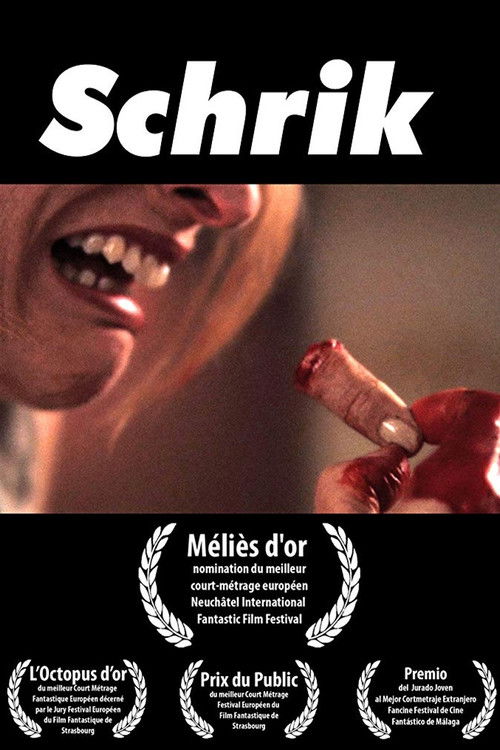
Barbara and Oliver are a couple for thirteen years now. Their motto: ‘Never go dull’. The film starts when their game – scare eachother to death and then make love – has changed to well prepared actions.

Bert Haanstra paints a portrait of The Netherlands and the Dutch, in his own unparalleled manner. Partly with the aid of a hidden camera he observes people in the most diverse situations. He shows the unusual in the usual and the usual in the unusual. The harsh years of the post war era of reconstruction have passed and for most people life is better than before.
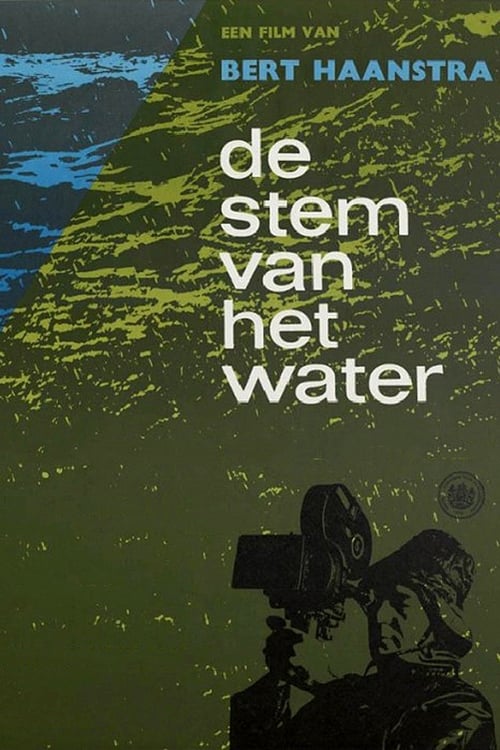
The Netherlands and water, they are inseparable from one another. Water in its soothing form, as a place of work and pleasure and as a source of threat and misery. Bert Haanstra thought it a great subject for a big cinema documentary and made The Voice of the Water. At the start, while the credits are still running, it is already apparent how remarkable and original he portrays the beauty of the landscape of the Dutch coastline. In the following ninety minutes we see numerous people that live, work and recreate on, by and in the water. Often they are being observed in a gentle humorous way that reminds us of The Human Dutch. Some people prefer to stay far away from all the wetness: the little boy having a swimming lesson, but who doesn’t dare to put his head under water, is forever imprinted on the memory of many of the viewers.

A small town doctor gets a visit from a former study-friend. He doesn't know this former surgeon has become a junkie that wants to steal his morphine.

No description available for this movie.
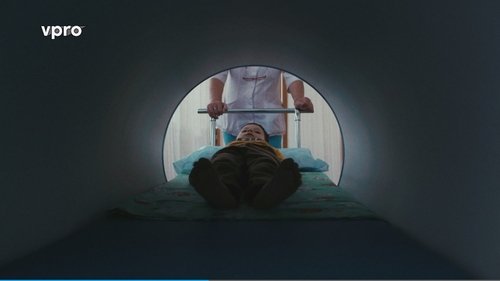
Bleak shots of Russian clinics set the tone. Then the telephone rings. On the other end of the line, Masha Osipova’s parents are asked to explain why they sent her to children’s sanatoria in her childhood. In these clinical government institutions, children were lodged free of charge in the Soviet era. Back then it was a privilege, but the deep impressions (drastic procedures, far from home) they left on Masha have had a negative impact on her life today.

One day, fifteen-year-old Emma wants to be an artist too, like her idol Ramses Shaffy. This documentary portrait shows how for the time being she is condemned to a life at school with bullying classmates. Emma dreams of blowing them and their fault-finding families away with her music. But to do so, she will need the guts to form a band and jump onto the stage. To muster courage, she roams around Amsterdam in Shaffy's footsteps and gives vent to her feelings in ardent songs. Just wait…