
Action
Adventure
Animation
Comedy
Crime
Documentary
Drama
Family
Fantasy
History
Horror
Music
Mystery
Romance
Science Fiction
Thriller
War
Western
Found 40 movies, 1 TV show, and 2 people
Can't find what you're looking for?
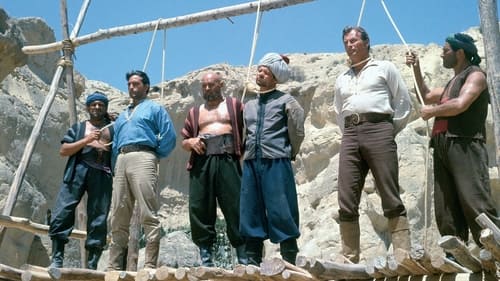
After dealing with the Shut in the Balkans, Kara Ben-Nemsi ('Karl the German') receives a firman (precious passport) from the padishah (Ottoman sultan) before he continues his travels through Kurdistan. Achmed El Corda, the son of Halef's Hadedhin Beduin tribe's sheik Mohammed Emin, has been captured by the machredsh (Turkish governor) of Mossul for resisting water seizure by his Turkish troops. Kara takes charge of the rescue.

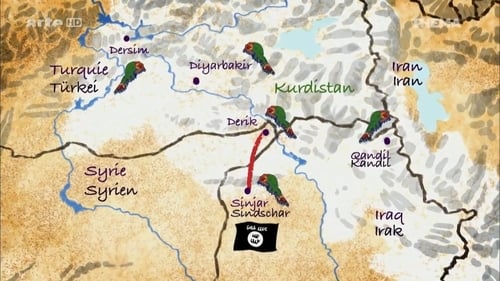
The Front Lines of Kurdistan is a TV documentary about the modern history of the Kurds, an oppressed and besieged people attempting to create an independent state on the ruins of Middle East. The Kurds are the largest ethnic group without one; Kurdish-inhabited areas reach into Iran, Turkey, Iraq, and Syria. The documentary takes us to the battle lines between Kurdish forces and the Islamic State in Kirkuk and the Sinjar Mountains (Iraq), and Kobani (Syria). In December 2014 and January 2015, Erik Valenčič made it to the front lines of the fierce offensives and interviewed key figures in the struggle for an independent Kurdistan.
A trip back to the own roots, into the troubled country of Kurdistan.

The Kazankirans, a Kurdish family from Turkey, came to Japan seeking asylum, but the Japanese government would not grant them official refugee status. In desperation, the family stages a sit-in demonstration in front of the United Nations University. The Kazankirans' spirited fight motivates film student Masaru Nomoto to drop out of school in order to document their story. However, contrary to the principle of non-refoulement, the father and eldest son of the family get deported in 2005. Unable to continue being a passive observer, the then 21-year-old director follows them to Turkey, where he engages with locals and discovers new perspectives about the Kurdish people and identity.

An illegal immigrant is reminded of his origin by the melodies of an instrument of his birthplace Bumiyan, Afganistan. However, the musician playing the instrument claims that the melodies aren't from Bumiyan, but from Kurdistan. But where is Kurdistan?

In Iraqi Kurdistan, a region that has not yet been explored, a formidable archaeological adventure is taking place where scientific knowledge is the answer to oblivion.

Dunia is a 17-year-old girl. After her uncle raped her, she becomes pregnant and seeks help in one of the shelters in the Kurdistan region of Iraq/Sulaimani and secretly plans to have an abortion.

No description available for this movie.
As the forces of ISIS and Assad tear through villages and society in Syria and Northern Iraq, a group of brave and idealistic women are taking up arms against them—and winning inspiring victories. Members of “The Free Women’s Party” come from Paris, Turkish Kurdistan, and other parts of the world. Their dream: To create a Democratic Syria, and a society based on gender equality. Guns in hand, these women are carrying on a movement with roots that run 40 years deep in the Kurdish Workers’ Party (PKK) in Turkey. GIRL’S WAR honors the legacy of Sakine Cansiz, co-founder of the PKK who was assassinated in Paris in 2013, and reflects on the sacrifices made by all of the women in the movement, who have endured jail, rape, war, and persecution in their quest to liberate their lives and sisters from male dominance. With scenes of solidarity, strength, and love amongst these brave women soldiers, GIRL'S WAR is a surprising story of Middle Eastern feminism on the front lines.
Kurdish expert Hiner Saleem (Shero) wrote and directed this French comedy-drama, set inside the 100,000-population Kurdish community in Paris. The original French title translates as "Long Live the Bride...and the Liberation of Kurdistan." Cheto (Georges Corraface) seeks a wife via videotapes while still seeing his French girlfriend, immigration office worker Christine (Stephanie Lagarde). Cheto places an order for a beautiful girl, but he's disappointed when her sister, country girl Mina (Marina Kobakhidze), arrives at the airport as a substitute. Family pressure forces him to marry her. Unhappy with the way she's treated by Cheto, Mina acquires some progressive notions from Leila (Schahla Aalam) and other local feminists, leading to confrontations with Cheto.
Journey to the heart of the conflict between Kurdistan and the armed group Islamic State. This region that has been neglected and ignored for ages is now one of the key destinations for refugees in the region. This medium-length documentary show the spectator the different groups and communities that are either fighting or residing in the Kurd area.
No description available for this movie.
An exposé documentary about the use of counterfeit Avastin in Kurdistan which resulted in many patients becoming blind.
Across four countries in the Middle East, forty million Kurds have fought for rights and recognition for decades. Now they lead the struggle against the forces of Islamic State, whilst in the Iraq they've created a business powerhouse. Reporting from across the Kurdish world, this incisive doc asks, are the Kurds closer than ever to securing the international recognition they so desire?
They are the countries that do not exist, the peoples of no nation. In the summer of 2016, as Euro 2016 unleashed international football fever, an even more extraordinary tournament took place: the 'rebel' World Cup. This film documents this surreal and vibrant spectacle through the most fascinating team of the lot: Kurdistan.

“In March of 2015, I set off to the Kurdistan region of Iraq and Syria to begin a new personal project. In the beginning, I thought perhaps it would be a still photography trip only. But just as I left the door, I decided to grab my GoPro kit in case anything interesting happened and I could just film it myself. This is that footage.” —Joey L. Documentary about Kurdish guerrilla fighters in the struggle against ISIS.
In this 25-minute-long film, Avci returns to her hometown to make a movie, and as the title already discloses, this does not go with ease.

No description available for this movie.
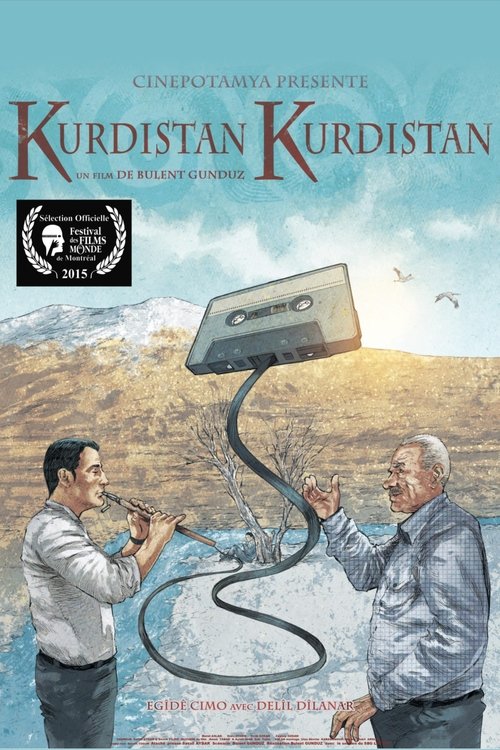
Delil Dilanar, one of the greatest singer in Kurdistan The 90s he was forced to leave his homeland and exile in Europe. After 20 years of exile there during a concert in New York he announced his return to the roots. Once in Kurdistan he falls into a deep loneliness, he tries to get out of this state with his master musician who came to join him in the village. His master will transmit its last secret to extinguish the zenith of Dengbej (traditional singer).
The Yazidis, a Kurdish-speaking people of what is now Iraqi Kurdistan, have been oft persecuted for maintaining their traditional culture, including a unique religion based on pre-Zoroastrian beliefs. This rendered them a special target for ISIS, which in 2014 massacred and abducted thousands in Shingal, the largest Yazidi-majority city. Kurdish director Shilan Saadi—beset by her own childhood memories of the Iran–Iraq War—runs a filmmaking workshop for survivors of Shingal, teaching seven teenaged girls to document their lives in a Turkish refugee camp. Bonds are forged and strengthened, but soon fray as one after another departs for Europe. Taking a mixed-media approach to the Yazidi genocide and its aftermath, Saadi and her collaborators produce an uncannily powerful group portrait, each frame a witness to perseverance and haunted by absence. - Josh Martin, Special Programs & Feature Film Programmer, Austin Asian American Film Festival
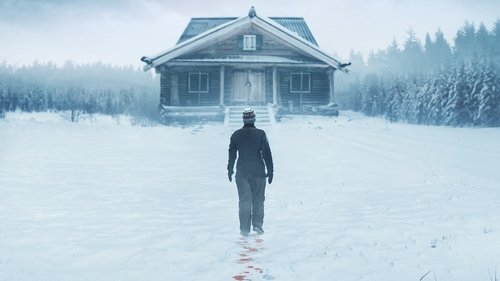
A widowed fisherwoman, travelling alone through snowbound northern Minnesota, interrupts the kidnapping of a teenage girl. Hours from the nearest town and with no phone service, she realizes that she is the young girl's only hope.
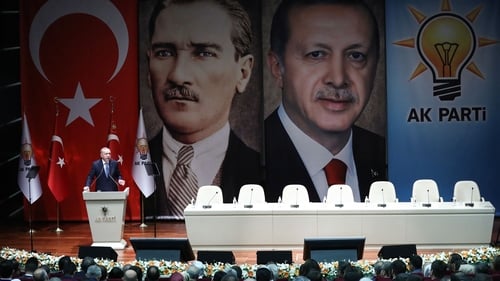
Turkey's history has been shaped by two major political figures: Mustafa Kemal (1881-1934), known as Atatürk, the Father of the Turks, founder of the modern state, and the current president Recep Tayyıp Erdoğan, who apparently wants Turkey to regain the political and military pre-eminence it had as an empire under the Ottoman dynasty.
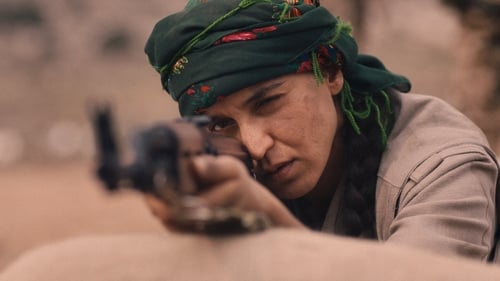
Rojda, a native of Iraqi Kurdistan and a soldier in the German army, travels to a refugee camp in Greece where she manages to meet her mother, who has bad news about her sister Dilan.
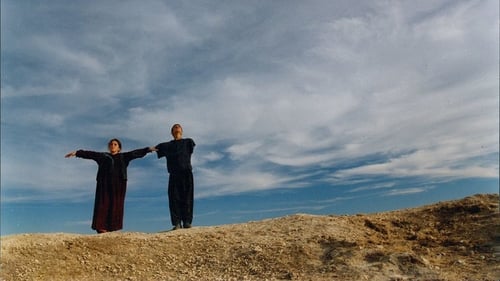
Turtles Can Fly tells the story of a group of young children near the Turkey-Iraq border. They clean up mines and wait for the Saddam regime to fall.
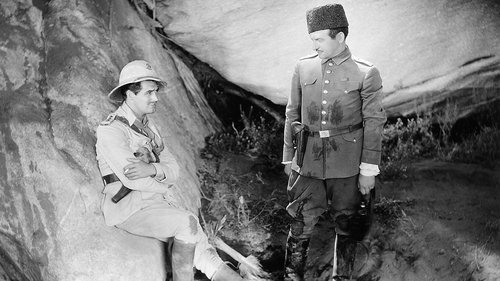
During WW1, the destinies of British officers Michael Andrews and John Stevenson seem intertwined on the battle front as much as on a more personal level.
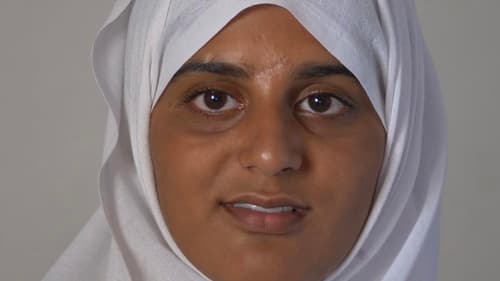
A unique interview with Tooba Gondal, the woman who groomed and lured scores of Western women to join ISIS. Using social media, she became a deadly matchmaker, recruiting a number of high-profile “jihadi brides” for ISIS militants in Syria: she allegedly helped organise the transporting of three British schoolgirls, including Shamima Begum, to Syria.
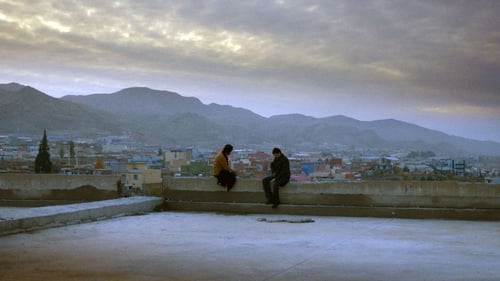
Kurdish childhood friends Hussein and Alan want to produce a film about the genocide of Kurdish people in Iraq, the Anfal campaign in 1988. They learn that, to achieve veracity by the means of cinema and to face their own identity, it's worth putting everything on the line - even their own life.
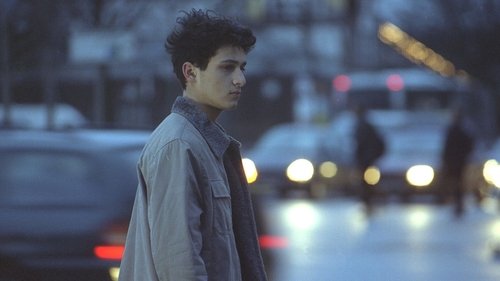
In the metropolitan city of Hamburg, illegal immigrant Chernor, an openly gay African youth with blond hair, makes his money by dealing drugs and dreams of one day living in Australia. Baran, meanwhile, is a Kurdish bicycle delivery boy living in constant fear of deportation, who keeps his past in a video camera. The two form a bond when they meet, and their shared struggles to survive soon develop into a relationship that is threatened when Baran loses his job.

When five Kurdish prisoners are granted one week's home leave, they find to their dismay that they face continued oppression outside of prison from their families, the culture, and the government.
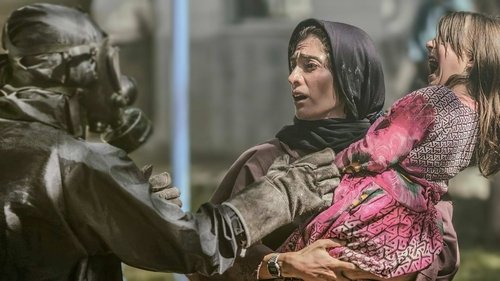
Qader, a bricklayer from Sardasht in Kurdistan Iran whose wife is pregnant with her 4th child, suddenly found himself amid a war crime perpetrated by the Saddam regime. On June 28th, 1987 Iraqi air fighters dropped mustard gas bombs on the city...
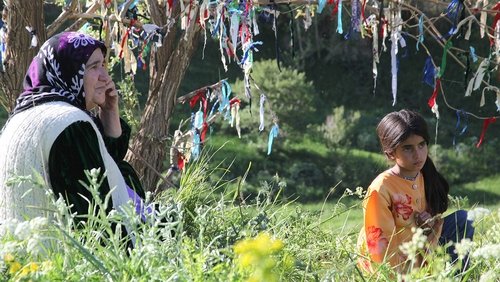
In a snowy Kurdish mountain village, in the east of Turkey, an old woman Berfé and her granddaughter Jiyan are distressed. The only man in the household, Temo, the son of one and the father of the other, was arrested by the Turkish military. The commanding officer has been told that the villagers are hiding weapons, so he arrested all the men and announced that they will be kept in prison until their families hand over the weapons. The problem is that there are no weapons in the village. Desperate, Berfé and Jiyan embark on a long journey, in search of a gun which they could exchange for their beloved Temo. Will the old woman and her innocent granddaughter find a way out of the inextricable Kurdish identity conflict?

In a first-person documentary, Diako Yazdani, a political refugee in France, returns to see his family in Iraqi Kurdistan and introduces them to a 23-year-old gay man from Kojin who seeks to exist in a society where he seems unable to find its place. With humor and poetry, the director delivers a moving portrait where the meetings of each other invite to a universal reflection on the difference.

This Rain Will Never Stop takes the audience on a powerful, visually arresting journey through humanity’s endless cycle of war and peace. The film follows 20-year-old Andriy Suleyman as he tries to secure a sustainable future while navigating the human toll of armed conflict. From the Syrian civil war to strife in Ukraine, Andriy’s existence is framed by the seemingly eternal flow of life and death.

A priceless tablet of Gilgamesh, the oldest and most important work of literature is stolen from a museum. A security guard vows to do whatever it takes to get it back from a group of smugglers. Along the way, he faces his own inner demons.
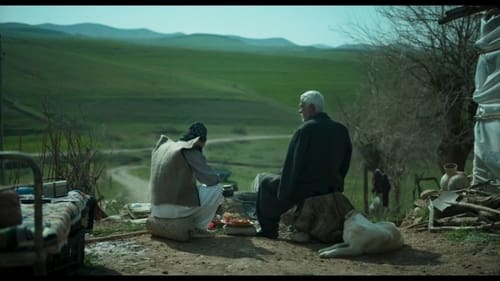
In the winter of 1988, in the depths of the Iraq/Iran war, the border town of Halabja was attacked by chemical weapons with all its people and their different stories.
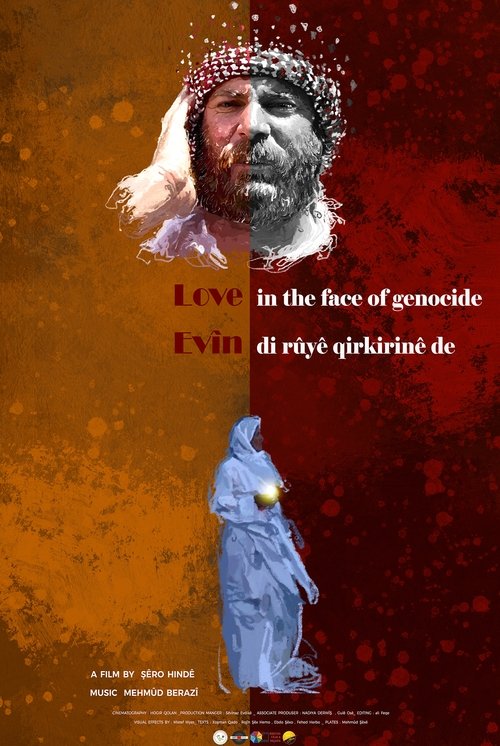
The Ezidîs (Yazidis) in Kurdistan have been the victims of massacres numerous times. This documentary follows their bards, the dengbêj, and examines how their songs tell stories of love and genocide.
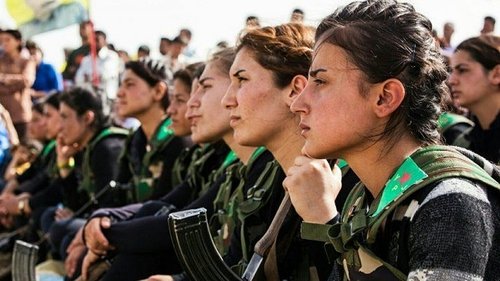
Spearheading the 2017 battle for Raqqa against ISIS, the Kurdish forces of Rojava tried to put together a revolutionary political vision in the Levant: gender equality, self-determination, democracy, popular self-defense, anti-sectarism... But their democratic confederalism, built on mine fields and war economy, found itself struggling between imperialist foreign forces and Turkish nationalism.
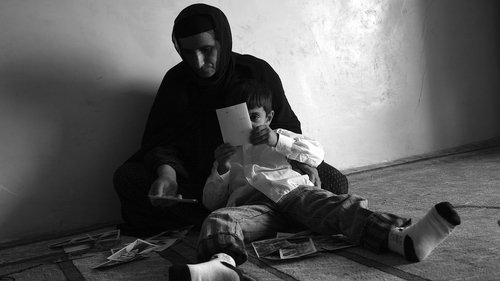
During the 30 years of the Baath ruling under Sadam in Iraq thousands of Iraqi Kurds and Shiites were either killed or disappeared. Around 182,000 people lost their lives when 4500 villages and townships were destroyed in Kirkuk, Soleimanieh, Dahouk and Erbil regions with the aim to exterminate the Kurds and to arabize Kurdistan. Having found one of the mass graves after 24 years in the southern deserts of Iraq, became the basis of a movie describing the living conditions of these villages inhabited by mostly mothers, daughters, wives or sisters of those victims.
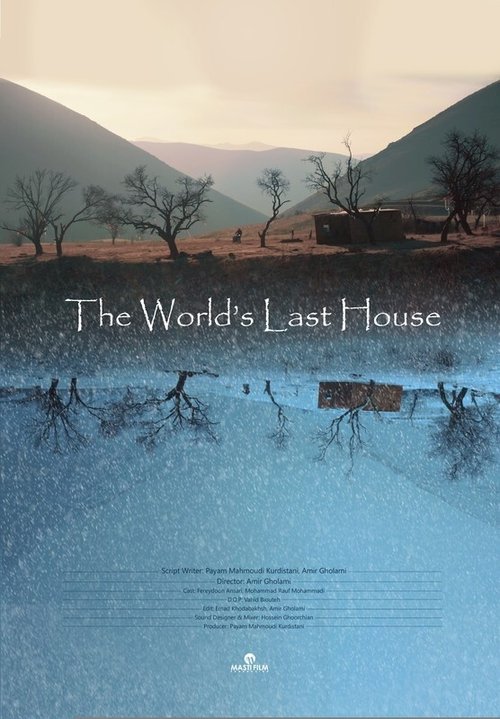
No description available for this movie.
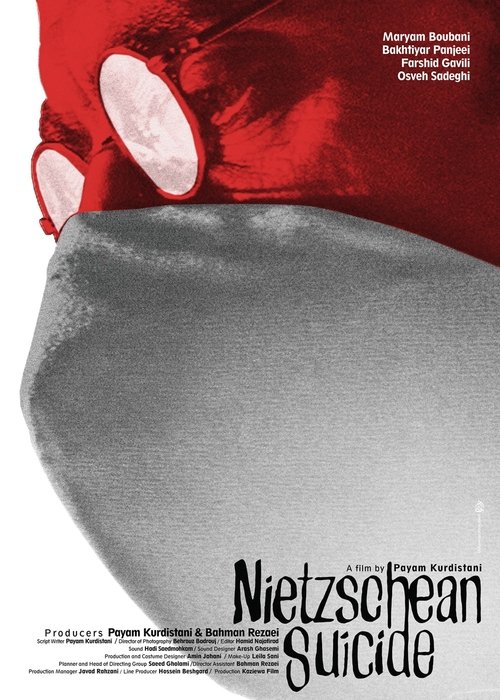
A suicide pharmacy owner tries to delay the suicide of the only midwife in his city until after his pregnant wife gives birth. Out of his efforts comes a novel suicide method that can revive his customers’ will to live.