
Action
Adventure
Animation
Comedy
Crime
Documentary
Drama
Family
Fantasy
History
Horror
Music
Mystery
Romance
Science Fiction
Thriller
War
Western
Found 5 movies, 0 TV shows, and 2 people
Can't find what you're looking for?
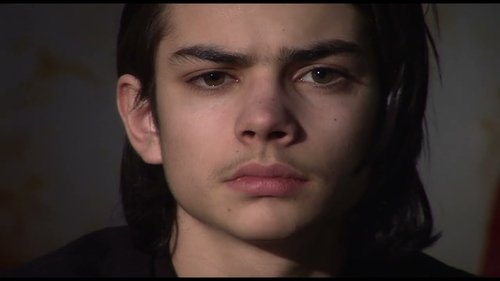
Elfi Mikesch accompanies Werner Schroeter in staging a tribute to Lautréamont in Berlin.
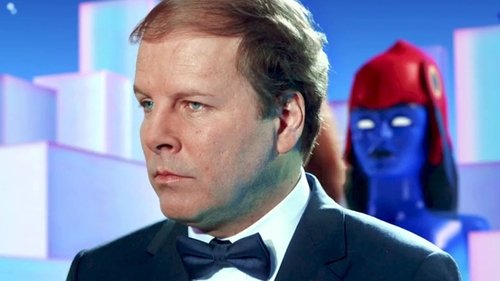
In 2020, the greatest minds in France gather at the President’s home in order to save the country from catastrophe.
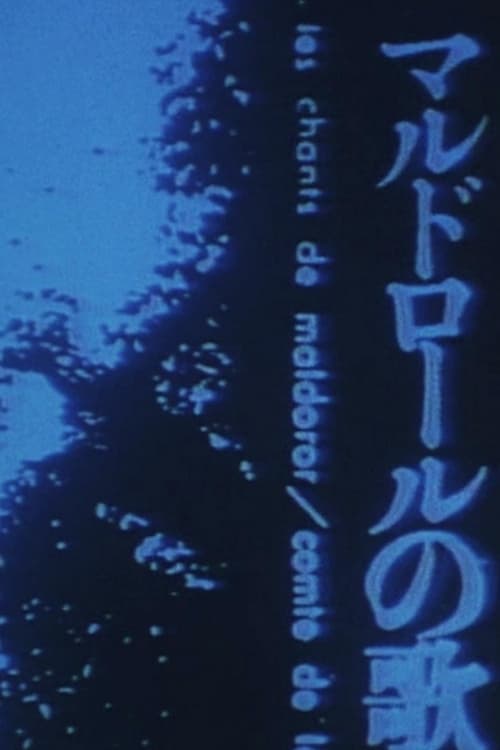
A “reading film” of delirious image and text, Les chants de Maldoror takes its title and inspiration from Comte de Lautréamont’s 1869 proto-Surrealist poetic novel which, for instance, describes beauty as the chance encounter of a sewing machine and an umbrella on an operating table. In the novel’s six cantos, a young misanthrope indulges in depraved and destructive acts. Unexpected encounters abound, with turtles and birds joining Terayama’s regular cast of snails and dogs to wander over books and bare torsos. Feverish video processing posterizes, inverts and overlays images that are further colored by sound—pushing the limits of his literary adaptation. Terayama wrote that the only tombstone he wanted was his words, but, as Les chants de Maldoror demonstrates, words need not be confined to carved monuments or bound hardcopies.

The inspiration, as the title tells, was Les Chants de Maldoror (The Songs of Maldoror). Cavallone followed only loosely the poem, interpolating some of its most outrageous content within the story of a film director, Paolo (Gianni Garko) who’s undergoing a deep personal crisis. The first part (which producer Giuseppe Tortorella labelled "mythological porn") is set in Italy, as Marco is working on a film called Maldoror, and focuses on his tormented relationship with a married woman, Monica (Jane Avril). According to the script, it was filled with excessive and cruel images, extracts from the film-within-a-film which were liberally spliced within the plot, and in their uneasiness somehow predated Pasolini’s Salò.
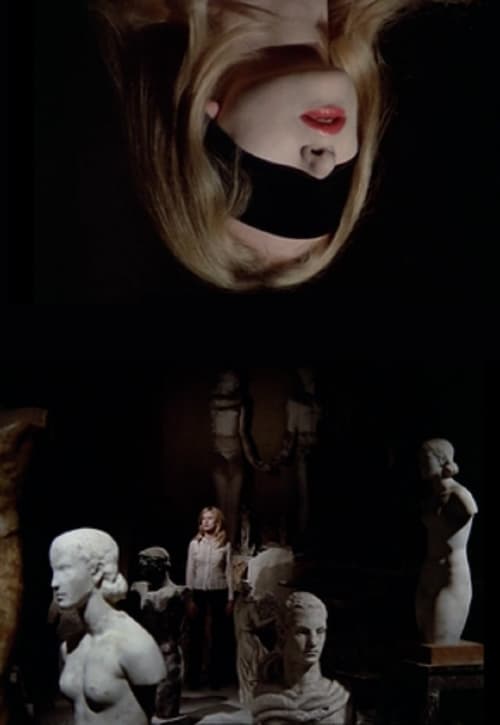
Fiction based on texts by Baudelaire, Sade, Lovecraft and Lautréamont.