
Action
Adventure
Animation
Comedy
Crime
Documentary
Drama
Family
Fantasy
History
Horror
Music
Mystery
Romance
Science Fiction
Thriller
War
Western
Found 35 movies, 10 TV shows, and 8 people
Can't find what you're looking for?

Italian documentary short about the victorious battle for the conquest of Mergheb.
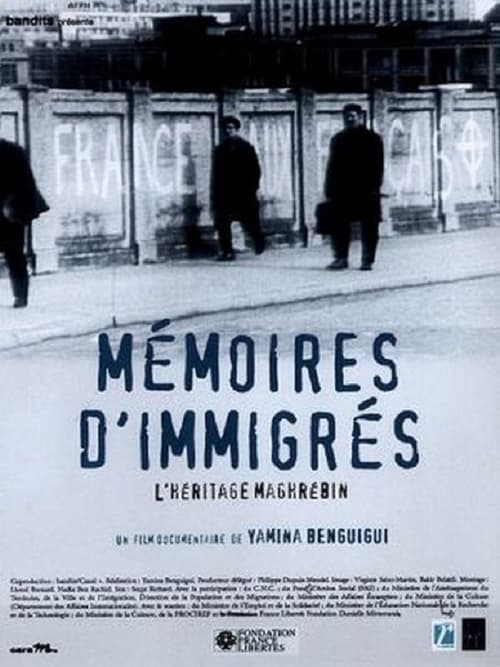
A three part story of the North African immigration to France.
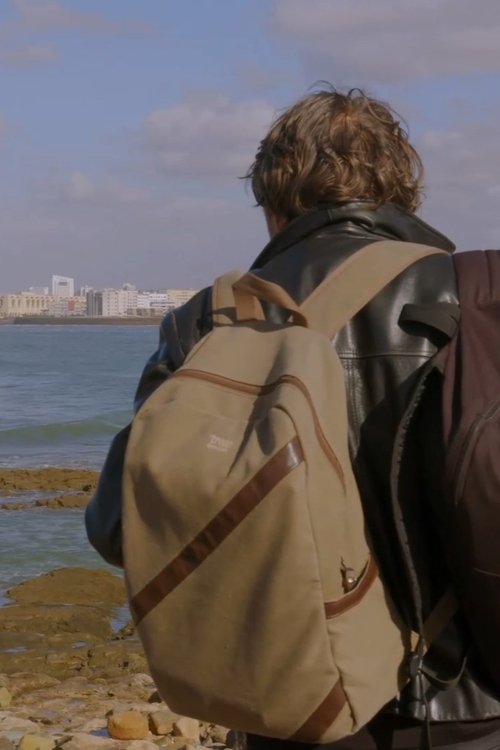
A name : Taouss Zahira, at the bottom of a letter mailed in Settat, Maroc. A date : 24 January 1990. Recipient : Charles Bordes, living in Montpellier with his family since the exile of the Pieds Noirs (name given to French nationals born in Algeria) in 1962. He hid the letter in his safe-deposit box at the bank. Upon his death, the letter surfaced, provoking quite a stir in the family. Why did Charles not destroy the letter, carrying his secret to the grave? Who is the person who signed the letter?
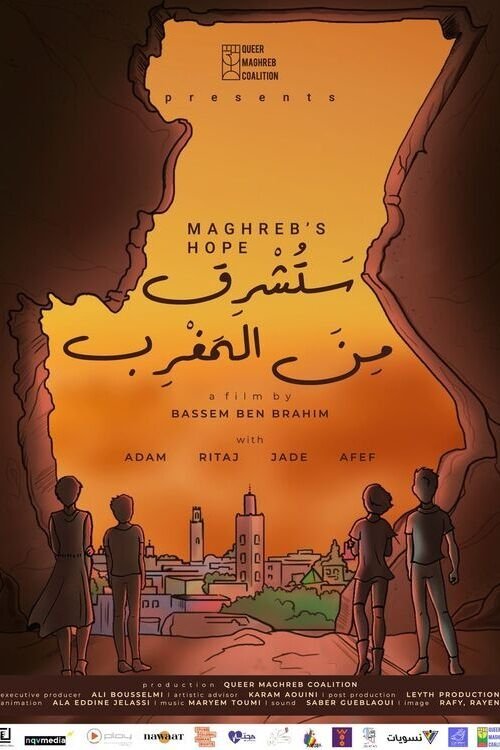
Through a fusion of animation and real images, queer individuals from the Maghreb share their stories, from their homeland to various parts of the rest of the world. These individuals have fiercely broken societal taboos around gender and sexuality, defying social, legal and familial pressures, even among those who have chosen to break away from their families.

No description available for this movie.
No description available for this movie.
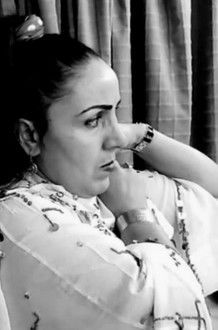
MAGHREB FLAMENCO is the first short documentary by Flamenco Biënnale NL made in 2008. With Cherifa Kersit (1967), the 'Cheikha' - the grande dame - of the singing tradition of the Berbers from the Moroccan Middle Atlas Mountains and guitarist Niño Josele (1974), protégé of Paco de Lucía, a descendant of a gipsy dynasty from the South Spanish Almería. The flamenco guitar mingles with the lotar, the Berber lute; and the raw Berber songs alternate with the "Cante Jondo", deep flamenco song. Together they built musical bridges, or rather, restored the old connections across the Strait of Gibraltar.
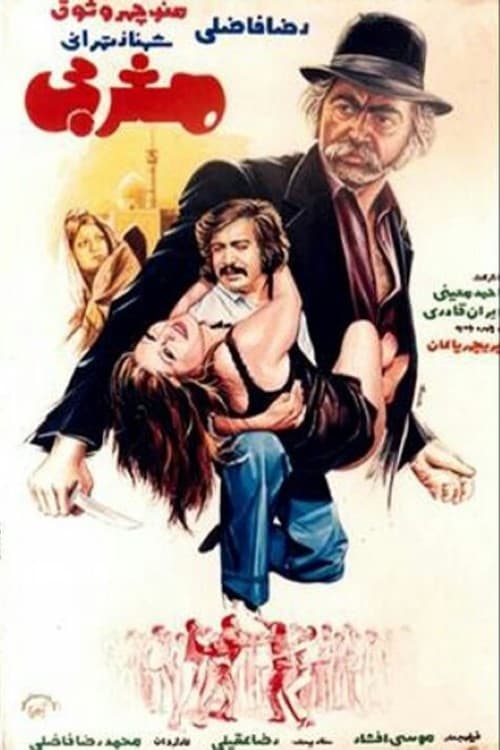
No description available for this movie.
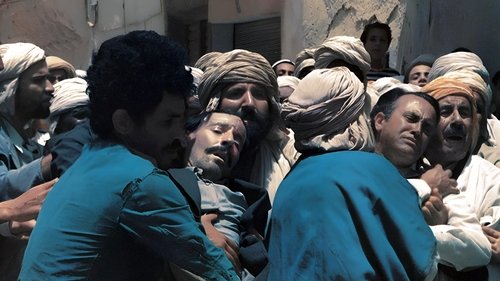
A meticulous chronicle of the evolution of the Algerian national movement from 1939 until the outbreak of the revolution on November 1, 1954, the film unequivocally demonstrates that the "Algerian War" is not an accident of history, but a slow process of suffering and warlike revolts, uninterrupted, from the start of colonization in 1830, until this "Red All Saints' Day" of November 1, 1954. At its center, Ahmed gradually awakens to political awareness against colonization, under the gaze of his son, a symbol of the new Algeria, and that of Miloud, half-mad haranguer, half-prophet, incarnation of Popular memory of the revolt, the liberation of Algeria and its people.
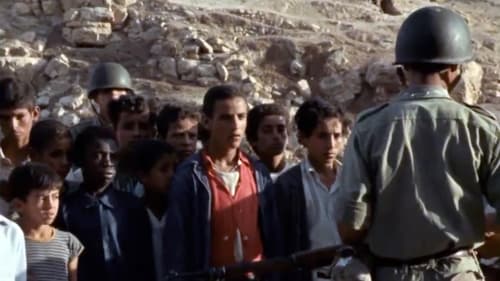
This rambling political melodrama tells the story of a French Breton who learns about colonialism while teaching native students in France's colonies of Tunisia and Algeria and returns to his native Brittany to see that the same conditions prevail there.
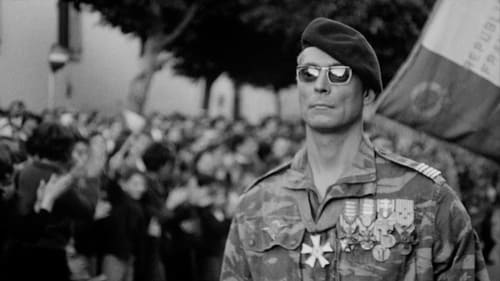
Paratrooper commander Colonel Mathieu, a former French Resistance fighter during World War II, is sent to Algeria to reinforce efforts to squelch the uprisings of the Algerian War. There he faces Ali la Pointe, a former petty criminal who, as the leader of the Algerian Front de Liberation Nationale, directs terror strategies against the colonial French government occupation. As each side resorts to ever-increasing brutality, no violent act is too unthinkable.
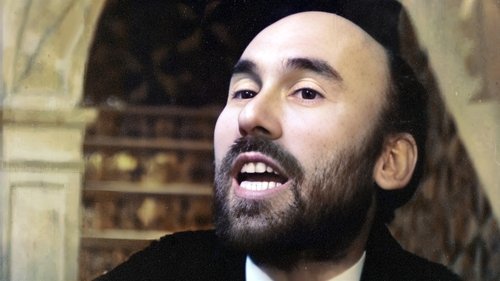
In 1967, Visconti came to Algiers for the filming of The Stranger with Mastroianni and Anna Karina. Camus, during his lifetime, had always refused to allow one of his novels to be brought to the screen. His family made another decision. The filming of the film was experienced in Algiers, like a posthumous return of the writer to Algiers. During filming, a young filmmaker specializing in documentaries Gérard Patris attempts a report on the impact of the filming of The Stranger on the Algerians. Interspersed with sequences from the shooting of Visconti's film, he films Poncet, Maisonseul, Bénisti and Sénac, friends of Camus, in full discussions to situate Camus and his work in a sociological and historical context. “The idea is for us to show people, others, ourselves as if they could all be Meursault, or at least the witnesses concerned to his drama.”

1516, Legend has it that the king of Algiers had a wife named Zaphira. When the pirate Aroudj Barbarossa arrives to liberate the city from the Spaniards, he is determined to conquer Zaphira as well as the kingdom itself. But is Zaphira willing to let him, or is she plotting for herself?

No description available for this movie.

The film traces the story of a patrol of the Algerian National Liberation Army (ALN), whose mission is to transport a prisoner French soldier to the Tunisian border. Through the march of this group of guerrillas we witness the spirit of sacrifice and combativeness of these men from the people. The patrol will be decimated, but a young peasant will take over and complete the mission.
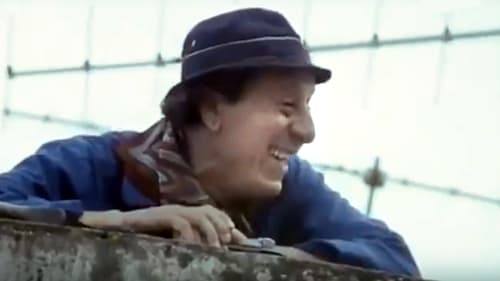
The story of Hassan, the handyman in the inn of his sister Aïcha, widowed and childless. A whole series of incidents, misunderstandings, will punctuate his daily routine in which we find him in turn driver, waiter, welder, etc. But, he refuses to submit to anything that does not conform to the idea he has of society and things...
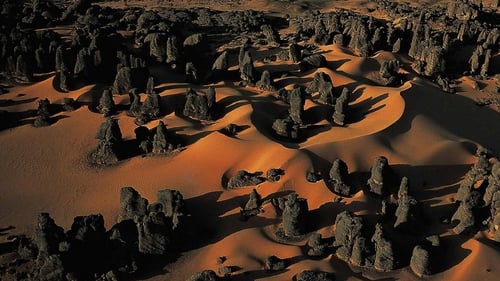
Algeria from above is the first documentary made entirely from the sky on Algeria. Through the eye of the famous Yann Arthus-Bertrand this documentary vividly depicts this great country, and its vibrant cultural and natural treasures. From North to South and from West to East, it shows us the entirety of Algeria, lives in the large hectic coastal cities, Atlas mountains, oases of the Sahara or gentle hills of the Sahel. With a rich past that seems to have crossed all civilizations, and a territory where all natural environments amalgamate, Algeria appears here in all its diversity and its unity.
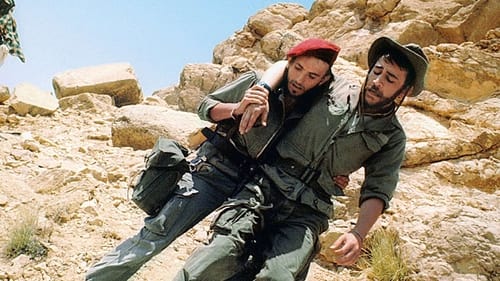
A group of refractory and pacifist Bretons is sent to Algeria. These beings confronted with the horrors of war gradually become killing machines. One of them did not accept it and deserted, taking with him an FLN prisoner who was to be executed the next day.

1956. Algeria is a French colony. Fernand and Helene are madly in love. Fernand is an activist, fighting for independence alongside the Algerians. Helene is fighting for Fernand’s life. History will irrevocably change the course of their destiny.

No description available for this movie.
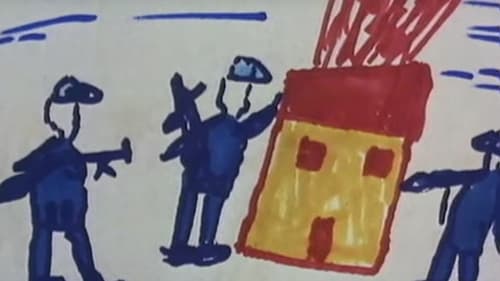
Algerian children, survivors of the war and refugeeing in Tunisian camps, recount the tragic events they have experienced, from drawings they have made themselves.
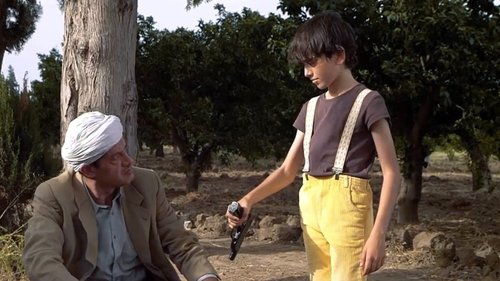
In 1960, nine-year-old Bachir dreamed of becoming the son of a martyr because he had heard that the children of martyrs would obtain everything after independence. He sets up a whole plan to get rid of a certain François, enemy of his country, while his father, Saddek, abandoned him with his mother and brothers. Through this fiction, the film looks at the life and visions of little Algerians during the War of National Liberation. Karim Traïdia looks back on his own childhood during the Algerian war (1945-1962). On a humorous note, it tells the adventures of a young child and his innocent friends against the backdrop of a raging merciless war.
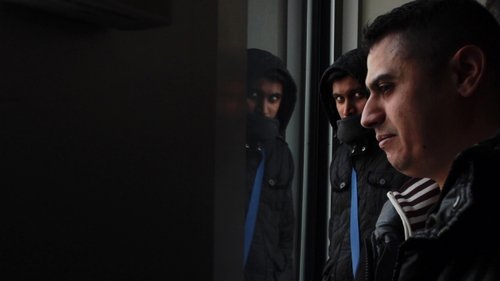
Reserved by Citroën for immigrant workers, the Aulnay-sous-Bois factory experienced its first strike in 1982. Thirty years later, it's the turn of a new generation to join the fight. Worthy heirs of their parents, the workers revive a forgotten memory and offer a unique perspective on the history of contemporary France. Matteo Severi's film mirrors these two social struggles, led by workers from immigrant backgrounds.
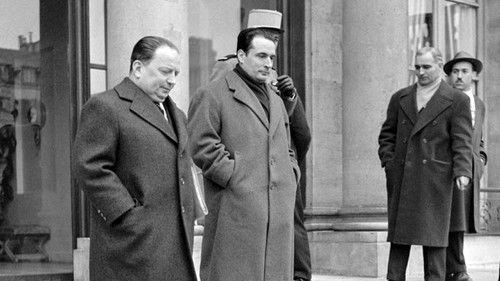
No description available for this movie.
No description available for this movie.
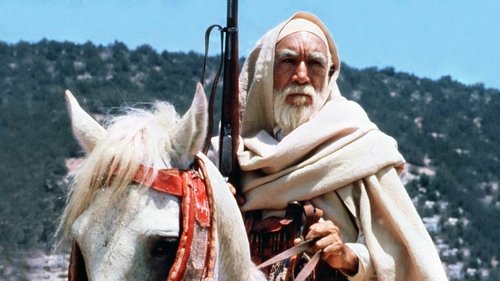
This movie tells the story of Omar Mukhtar, an Arab Muslim rebel who fought against the Italian conquest of Libya during the second Italo-Senussi War. It gives western viewers a glimpse into this little-known region and chapter of history, and exposes the savage means by which the conquering army attempted to subdue the natives.

In 1962, René Vautier, together with some Algerian friends, organised the audio-visual formation centre Ben Aknoun to encourage a "dialogue in images" between the two factions. Together with his students he made a film that shows the history of the Algerian War and of the ALN (National Liberation Army), and life during the reconstruction.
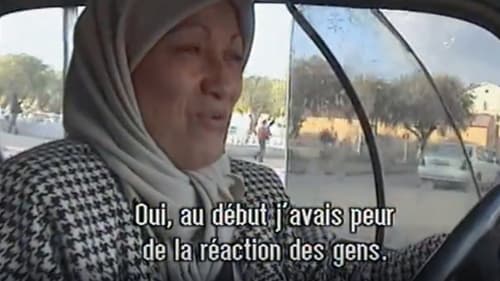
When her husband died Soumicha, mother of three, had to earn a living. She became the only woman taxi driver in Sidi Bel-Abbès, Algeria. This film accompanies Soumicha around a city where religious and political violence rages, and records her experiences in a job normally reserved for men.
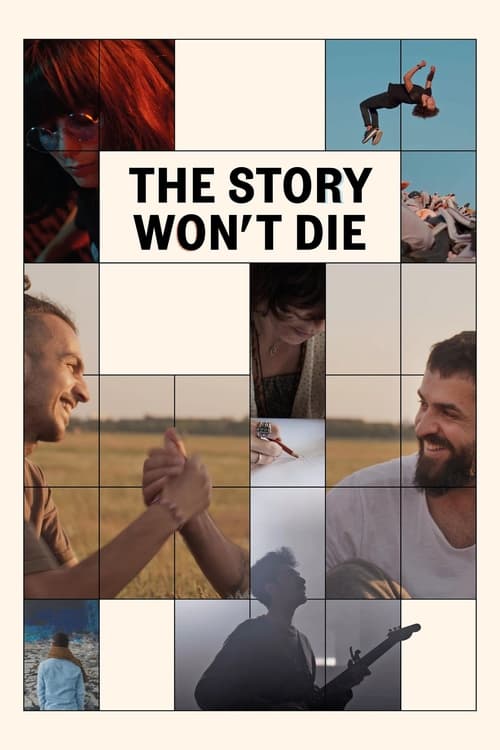
THE STORY WON’T DIE, from Award-winning filmmaker David Henry Gerson, is an inspiring, timely look at a young generation of Syrian artists who use their work to protest and process what is currently the world’s largest and longest ongoing displacement of people since WWII. The film is produced by Sundance Award-winner Odessa Rae (Navalny). Rapper Abu Hajar, together with other creative personalities of the Syrian uprising, a post-Rock musician (Anas Maghrebi), members of the first all-female Syrian rock band (Bahila Hijazi + Lynn Mayya), break-dancer (Bboy Shadow), choreographer (Medhat Aldaabal), and visual artists (Tammam Azzam, Omar Imam + Diala Brisly), use their art to rise in revolution and endure in exile in this new documentary reflecting on a battle for peace, justice and freedom of expression. It is an uplifting and humanizing look at what it means to be a refugee in today’s world and offers inspiring and hopeful vantages on a creative response to the chaos of war.

In 1880, in colonized Algeria, it was decided that the Algerian peasants of the Ouarsenis mountains would see their lands dispossessed in favor of the French colonists. Two methods were used to achieve this, either by sheer force or by a ploy forcing the fellahs to pay fines too high to be paid. The uprooted must then leave for the cities, swelling the mass of proletarians in the slums ...
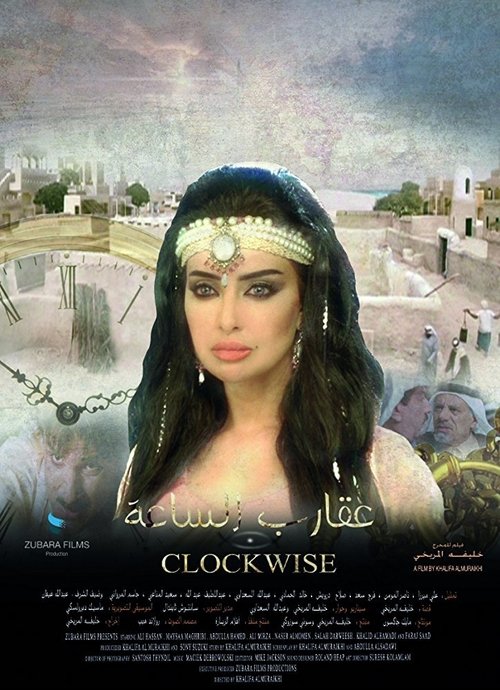
Thanks to the magical powers of an antique pocket watch, Saad relives a mysterious episode of his youth – a time during the 1930s when he nearly lost his father, but also found the love of his life. In recalling this period, ‘Clockwise’ relates the folktale of how fijiri, the entrancing music of Khaleeji pearl divers, came to be. Atique adopts Saad when they are the lone survivors of a tragic boat wreck, and the two lead a humble life in a village by the sea. One night, Atique happens upon a group of jinn as he seeks out the source of an enchanting melody in a nearby ruin; their leader, Adsaan, agrees to teach Atique this fijiri music, but only if he vows not to share it with anyone else. Adsaan’s one condition proves very challenging to Atique, who becomes eager to celebrate the art of fijiri with a wider audience. Saad, meanwhile, falls in love with Jeena, a renegade jinni who, as it turns out, just might hold the key to his father’s salvation.
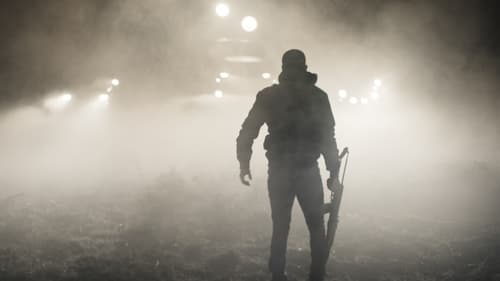
Karim, a student from Syria, lives peacefully in Hamburg with Lilly, his pregnant girlfriend. One day, he hears that his brother is imprisoned in the infamous jail in Aleppo. He leaves for Syria to find his brother.
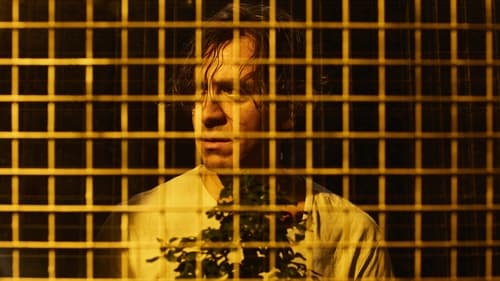
A homeless refugee looks for a fresh start at a European multinational temp agency - but they have very different plans for him.

No description available for this movie.
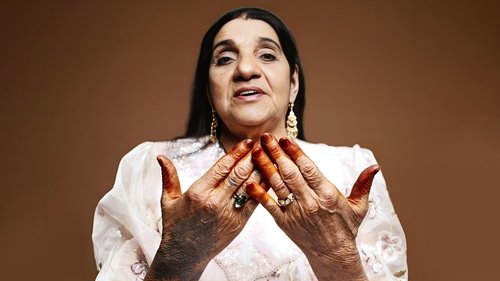
Raï Story is a musical journey in search of the Raï legend, Cheikha Remitti, in Oran, Algeria, where the Raï musical tradition began. In 1923, the first Raï singers performed behind screens during ceremonies to protect their identity. It was only when the music of singer Cheikha Remitti began to gain popularity among the general public that Raï music was made public, in the 1940s. Cheikha Remitti, who lives between Paris and Oran, is nowhere to be found, the filmmakers then decide to meet producers, musicians, singers like Cheba Dalila or Cheba Djenet, for whom Remitti created a wake. The opportunity, through these unique stories, illustrated with archive images, to retrace the important place of women in this musical tradition and the transformation of Raï music from the 1960s to 2000.