
Action
Adventure
Animation
Comedy
Crime
Documentary
Drama
Family
Fantasy
History
Horror
Music
Mystery
Romance
Science Fiction
Thriller
War
Western
Found 29 movies, 1 TV show, and 4 people
Can't find what you're looking for?

No description available for this movie.

A film about art. Unusual compositions of images give familiar objects a new look.
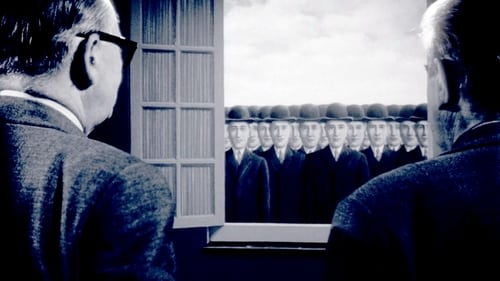
The surrealist painter René Magritte questions the objective reality and emphasizes the arbitrariness of the relationship between an object, its image and its name: the evocation of mystery consists of images of familiar things gathered or transformed in such a way that they no longer conform to our ideas, whether naive or wise.
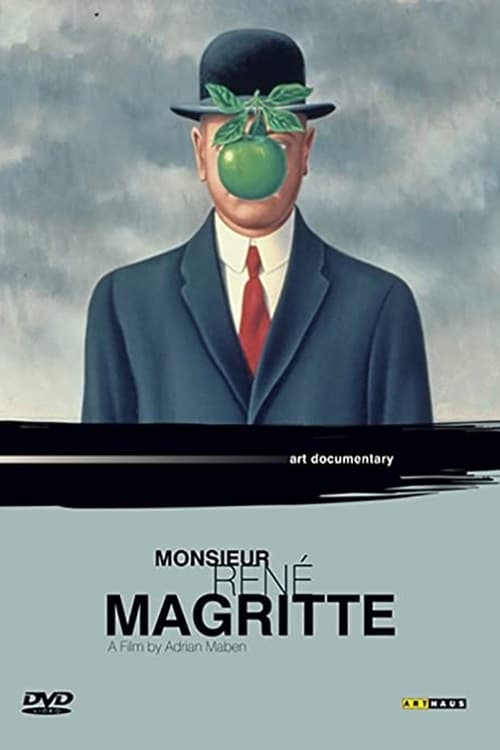
Documentary about the Belgian surrealist artist who died in 1967.
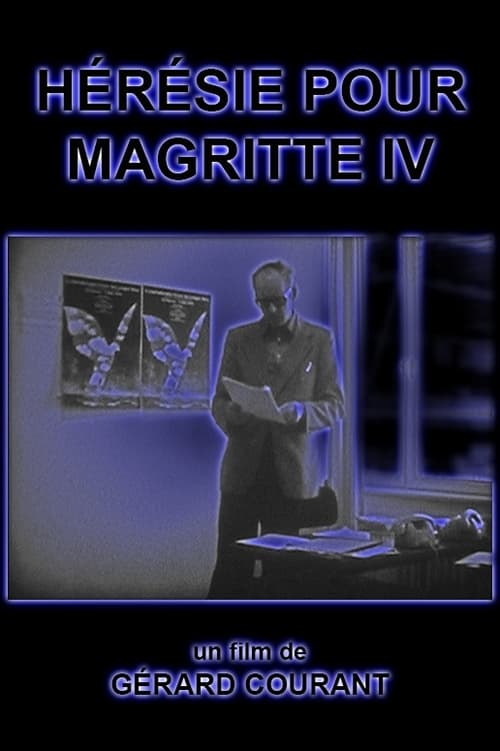
Ulrich Gregor is filmed in his office at the Berlin Film Festival surrounded by the festival's poster (The Great Family of René Magritte).

No description available for this movie.
Introduces the world of painter René Magritte through an assemblage of the painter's images. Includes statements by Magritte about his intentions and anecdotes from his friends Mesens and Scutenaire.
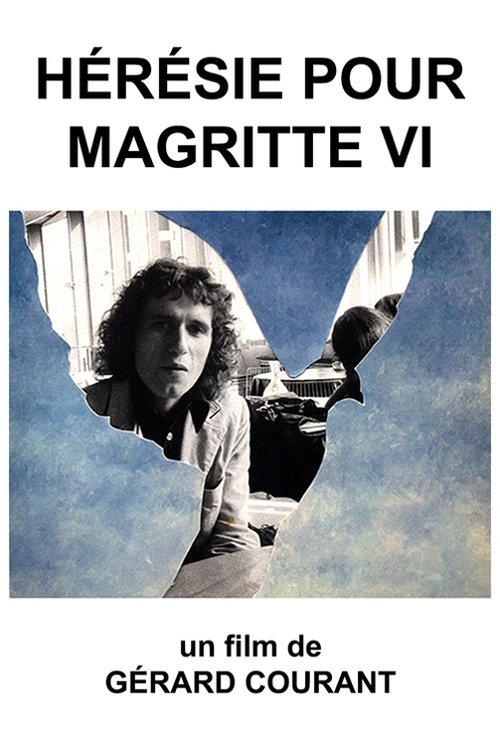
No description available for this movie.
No description available for this movie.
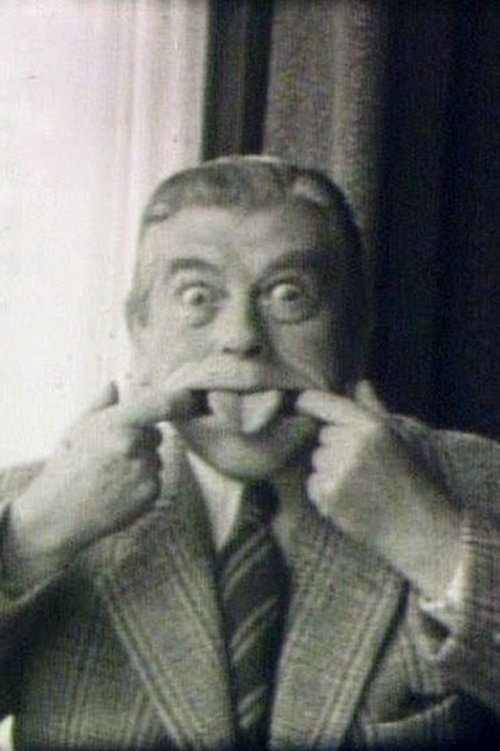
The first part of a Magritte portrait, mainly compiled from fragments of staged enactments of situations, which Magritte recorded with, among others, Georgette Magritte, Paul Colinet, Irène Hamoir and Scutenaire, playfully described by the latter as "une histoire érotico-fantastico-iconoclaste".
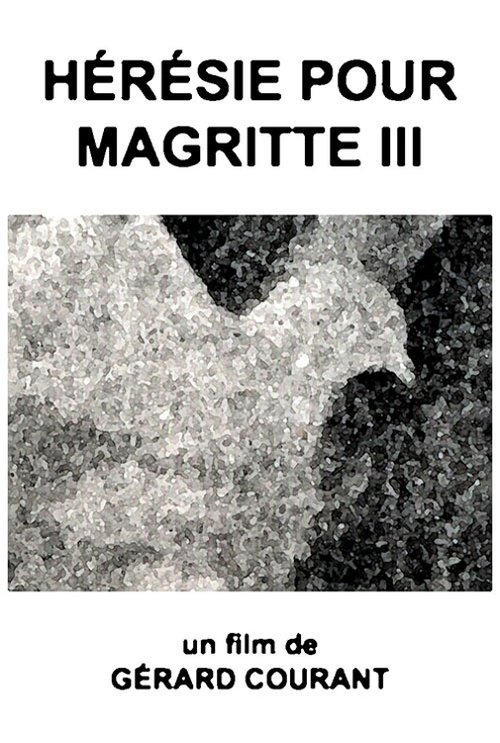
No description available for this movie.
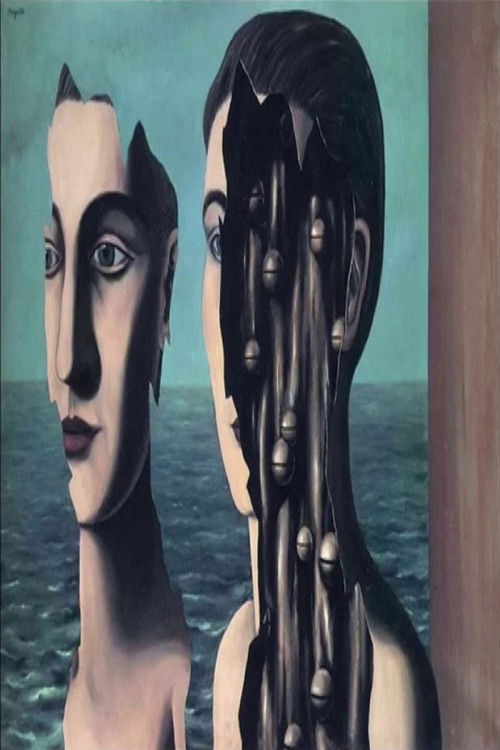
Sarah Whitfield, a London-based independent art historian, writer, and curator, is co-author of the Magritte catalogue raisonné and editor of René Magritte: Newly Discovered Works. She was the curator of the 1992 Magritte retrospective and author of its catalogue. The second in an annual series named in honor of the late Menil trustee Marion Barthelme Fort, each year this Lecture Series invites a distinguished speaker to discuss an artist in the museum’s collection. Magritte: The Mystery of the Ordinary, 1926–1938 (2014).
No description available for this movie.
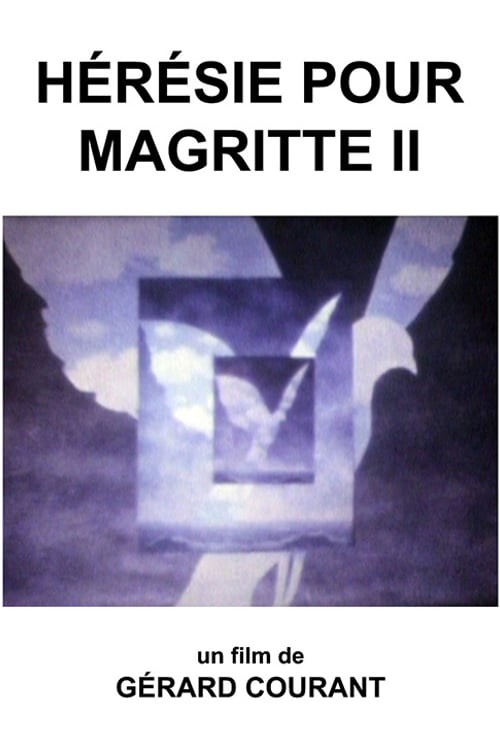
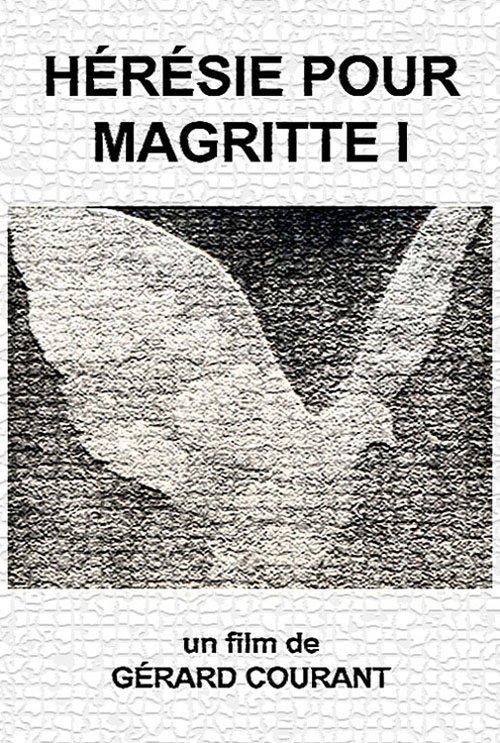
La Grande Famille by René Magritte in different sizes superimposed, animates the dove and gives an impression of continuous flight.
No description available for this movie.
No description available for this movie.
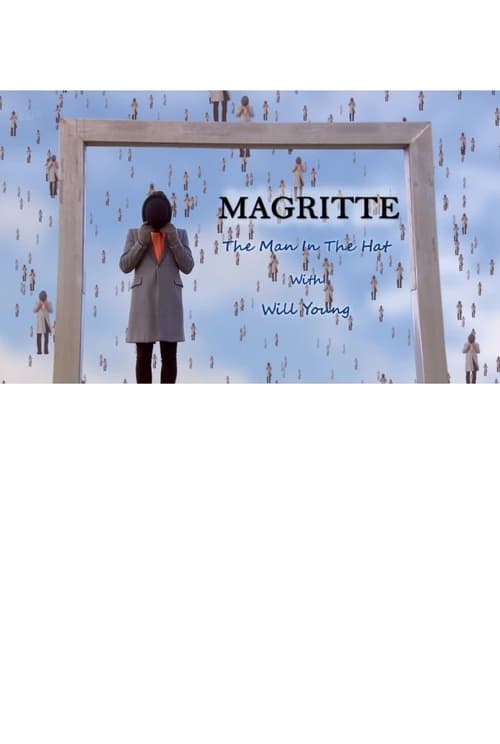
In this film, Will Young travels to Magritte's native Belgium to find out more about the man whose trademark was a bowler hat and whose apparently conventional exterior concealed the mind of a subversive rebel. Will uncovers a childhood marked by tragedy, a marriage that lasted from Magritte's adolescence until his death in 1967, and a stunning artistic legacy which endures to this day.
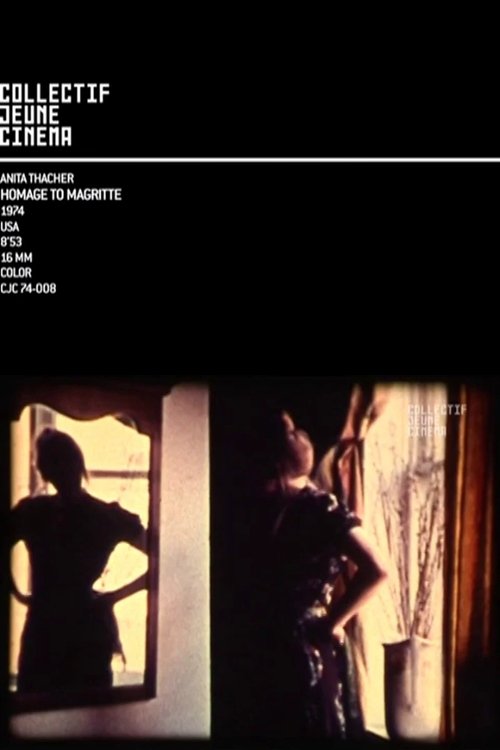
This film opens with the sense of juxtaposition and absurdity that are the basis of Magritte's paintings, and succeeds in contributing to the surrealist tradition through subtle and powerful manipulations of the filmed image.

In 1956, Magritte purchased a movie camera and, in the following years, made numerous short films featuring himself, his wife, their friends, and even their dog. Magritte’s home movies were sometimes scripted, but rarely had discernible plots, instead stringing together a series of strange and unrelated actions. Bringing Magritte’s iconic imagery to life, the films feature actors mischievously substituting real apples for their painted counterparts or reenacting entire compositions. These snippets of Surrealist collaboration showcase Magritte’s playfulness, prompting his friend Louis Scutenaire to observe, “Perhaps he was never more happy than when handling the camera.”
No description available for this movie.
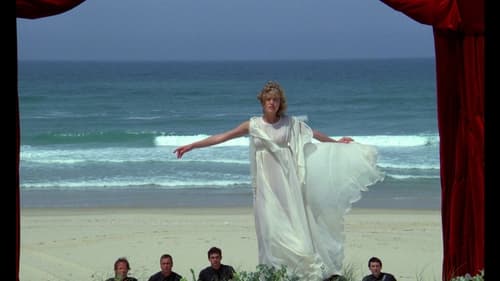
Walter is told by his boss, Sara, to deliver an urgent letter to Henri de Corinthe. On the way he finds a beautiful woman he had been eying in a nightclub, lying in the road, bound up. He takes her to a villa to get a doctor, and ends up being locked in a bedroom with her. While she is making love to him, he has visions of surrealistic images from René Magritte's paintings. In the morning, the girl, Marie-Ange, has vanished, the villa looks derelict, and his neck is bleeding. Was it all just a nightmare?

When the giant head of an ordinary employee appears above a small town, he suddenly has to cope with the attention he is receiving.
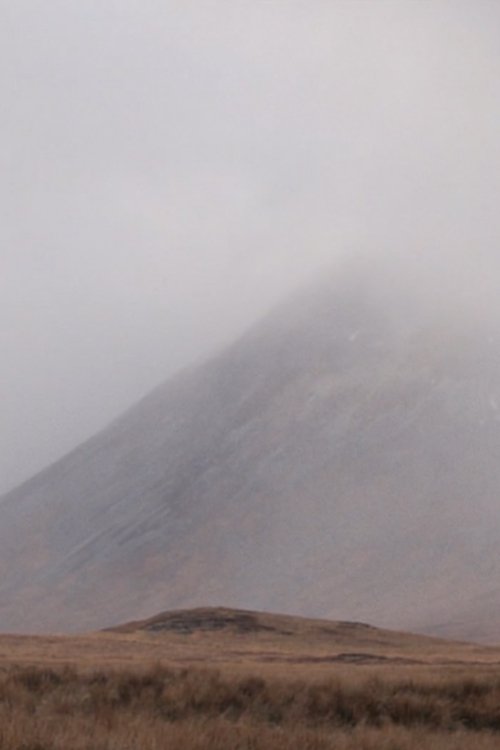
In Seán Martin's "Koan IV", an opening provocation suggests that the things we see continually hide the things we'd like to see. What we see after this is mist in a Scottish landscape. Martin's patient, enigmatic film contemplates a popular image of romance and intrigue attributed to a rural identity, alluding to what is hidden, what is real and what does not exist.
A paper cut-out stop-motion animation where the protagonist visits an exhibition of Matisse-inspired paper cuts in her pink wheelchair and is transported from the reality of the dull grey world outside into the colourful world of her imagination.
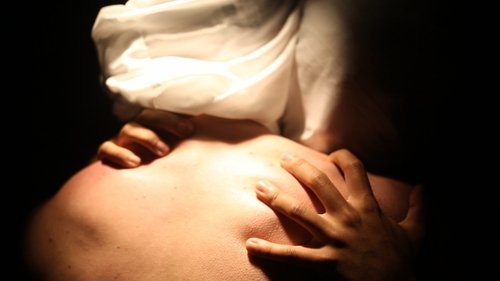
No description available for this movie.
With the help of his friends and wife, Magritte films sketches without any narrative coherence, a series of filmed installations (sometimes involving the painter's favorite iconography) that revel in the burlesque spontaneity of the shoot. “'Cinema for intellectuals' never amuses me and I expect nothing from cinema other than amusement, futile if you will, but which few films manage to arouse” --René Magritte
Documentary about Uruguayan Hardcore Punk band "Setiembreonce". Put together with archive material, old recordings and different interviews with key members of the Hardcore Punk community in Uruguay and surroundings areas. A testimony of a music genre based on its message, its DIY mentality and a clear conviction for collective work.
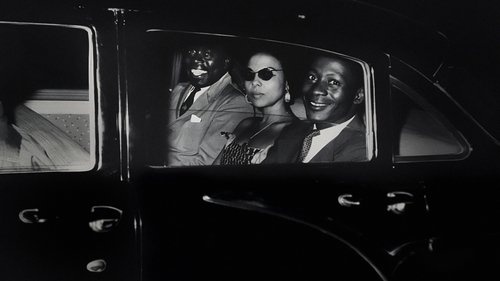
Jazz and decolonization are intertwined in a powerful narrative that recounts one of the tensest episodes of the Cold War. In 1960, the UN became the stage for a political earthquake as the struggle for independence in the Congo put the world on high alert. The newly independent nation faced its first coup d'état, orchestrated by Western forces and Belgium, which were reluctant to relinquish control over their resource-rich former colony. The US tried to divert attention by sending jazz ambassador Louis Armstrong to the African continent. In 1961, Congolese leader Patrice Lumumba was brutally assassinated, silencing a key voice in the fight against colonialism; his death was facilitated by Belgian and CIA operatives. Musicians Abbey Lincoln and Max Roach took action, denouncing imperialism and structural racism. Soviet Premier Nikita Khrushchev intensified his criticism of the US, highlighting the racial barriers that characterized American society.
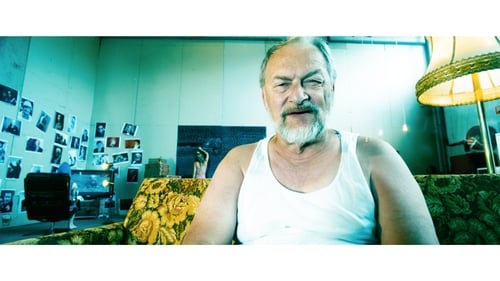
Normality is a human state of good intentions, empathy, caring and wanting to do the best for those we love and the world at large.