
Action
Adventure
Animation
Comedy
Crime
Documentary
Drama
Family
Fantasy
History
Horror
Music
Mystery
Romance
Science Fiction
Thriller
War
Western
Found 13 movies, 0 TV shows, and 0 people
Can't find what you're looking for?
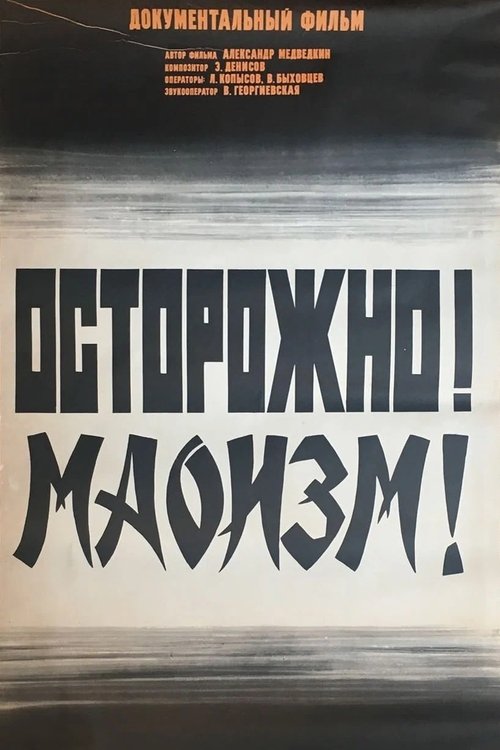
A full-length documentary film directed by Alexander Medvedkin tells about the nature of Maoism, the events in China in the 1960s and early 1970s
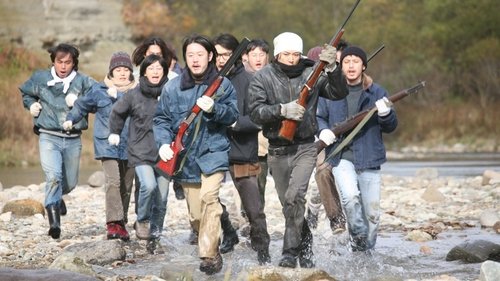
Two of the most radical student groups form the United Red Army (URA) and head into the mountains to conduct a training camp. Ideology devolves into despotism, and the URA's leaders begin to arbitrarily persecute their followers, a harrowing ordeal that culminates in violence and murder.
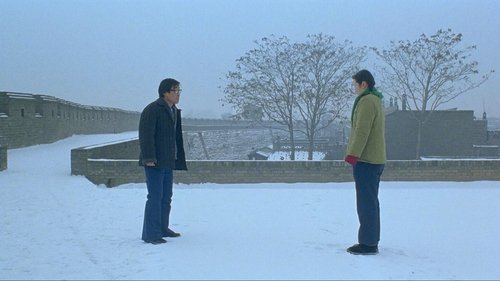
China’s rapid changes from the late 1970s to the early 1990s, as seen through the lives of four performers in a theater troupe.
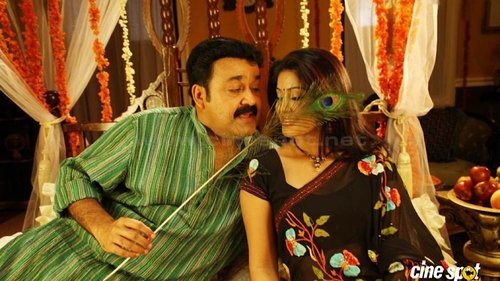
The story of Shikkar takes place at Chittazha, a mountainous terrain where bamboo reeds flourish. After much wandering from place to place, Balraman (Mohanlal) a lorry driver has finally settled down with his daughter (Ananya) at Chittazha. Peace evades the man as his past catches up with him, and Balaraman has to risk everything to safeguard his own life and that of his daughter's.
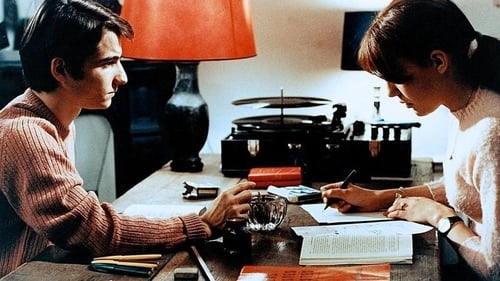
A small group of French students are studying Mao, trying to find out their position in the world and how to change the world to a Maoistic community using terrorism.
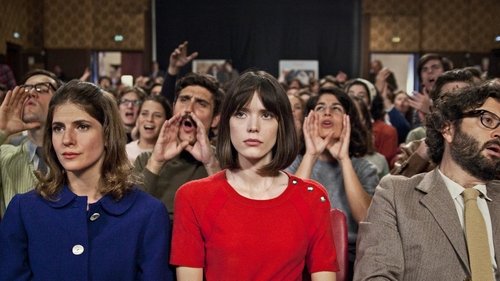
In 1967, during the making of “La Chinoise,” film director Jean-Luc Godard falls in love with 19-year-old actress Anne Wiazemsky and marries her.
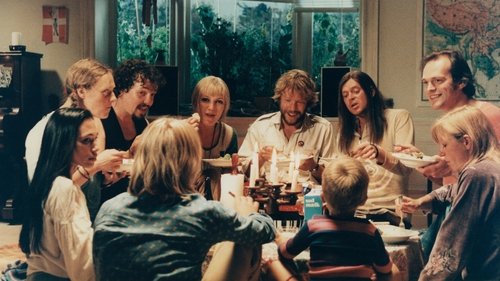
Denmark in the 70's. The teenager Christoffer's parents Nisse and Maria have decided to move into a commune because they want to try the alternative lifestyle. But Christoffer doesn't like it and has trouble adapting. In school the others tease him because he lives in a commune. As a plan from the elders in the commune he starts in a Maoist group to learn about the real ways of the society. He doesn't like it but when his new girlfriend starts to see what he does as cool he goes into it. But at the same time the police start to suspect him to be the terrorist who blows up telephone booths around Copenhagen.

In 2013, three women emerged from a flat in Brixton. They had been held there for decades by Aravindan Balakrishnan, a revolutionary Maoist who controlled the women with brainwashing techniques and tales of a sinister, world-controlling machine he called 'Jackie'.
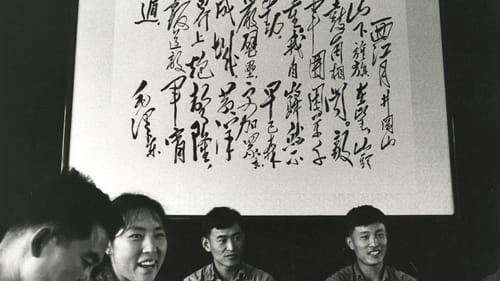
Mao Zedong was not only a revolutionary leader and thinker, he was also a poet. In poems written in the classic calligraphic tradition he expresses his experiences and visions. In this film, 8 of Mao's poems are sung, recited and interpreted: 'Changsha' (1925), 'Jinggang Mountains' (1928), 'The Long March' (1935), 'Snow' (1936), 'The People's Liberation Army Captures Nanjing' (1949), 'Swimming' (1956), 'Reply to Comrade Guo Moruo' (1961) and 'Reascending Jinggang Mountains' (1965). Through these poems we get a picture of the Chinese revolution from its first beginning in 1921 until the Cultural Revolution. The poems of Mao Zedong have been published in more than 57 million copies
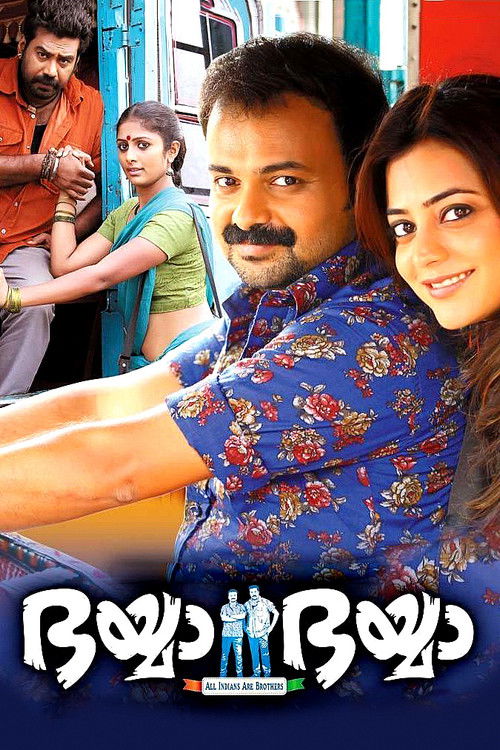
Bhaiyya Bhaiyya (Theatrical name: Bhayya Bhayya) is a 2014 Malayalam-language comedy film directed by Johny Antony and scripted by Benny P. Nayarambalam starring Kunchacko Boban and Biju Menon in lead roles. The film also features Nisha Agarwal, Vinutha Lal, Innocent, Suraj Venjarammood, Salim Kumar and Vijayaraghavan in other important roles. It features music by Vidyasagar and cinematography by Vinod Illampally and was largely shot at Kottayam, Tamil Nadu and Kolkata. Produced by Laisamma Pottoore under Nobel Andre Production, Bhaiyya Bhaiyya released on September 5, 2014.
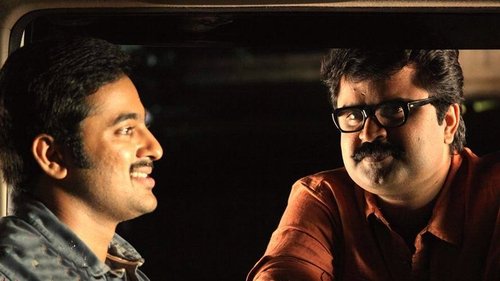
An anthology of three stories which portray various shades and motives of violence through different characters that are dissimilar in nature.
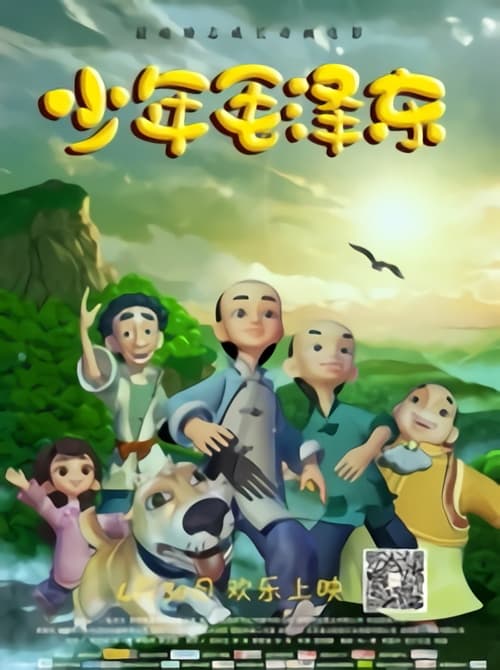
Young Mao Zedong and his friends' desire freedom and exploration.
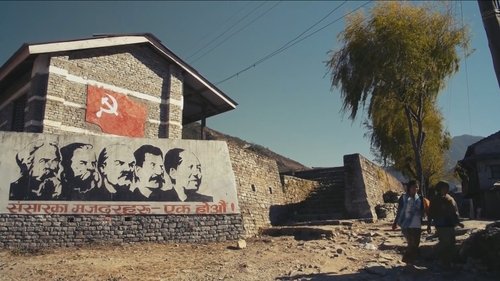
Documentary about the 2006 Maoist revolution in Nepal.