
Action
Adventure
Animation
Comedy
Crime
Documentary
Drama
Family
Fantasy
History
Horror
Music
Mystery
Romance
Science Fiction
Thriller
War
Western
Found 22 movies, 4 TV shows, and 0 people
Can't find what you're looking for?

Ten years of war (1910-20), more than one million dead. The struggle for political freedom is gradually transformed into a struggle for land and resources with the appearance of mythical figures such as Pancho Villa and Emiliano Zapata. With the roar of the battlefields silenced, today's Mexico emerges from the ruins left by the first great popular revolution of the 20th century.
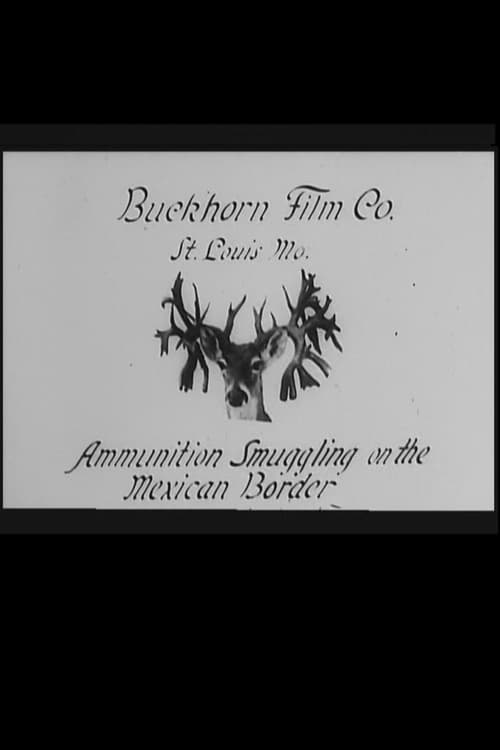
Around the film hang fascinating questions about border politics, which I’ll touch on in an introduction before the screening. One of Eugene Buck’s motivations for making the film may have been his rough cross-examination during his kidnappers’ first trials, in October 1913, when defense attorneys cast him as a confused and unreliable witness against idealistic freedom fighters. On film he could reproduce the pursuit, the shootouts, his kidnapping, and his friend’s murder just as he had testified. Reenacting the crime on film may have been the best revenge—and a way to honor the sacrifice of Deputy Ortiz, a twenty-year police veteran and, for the era, a rare Mexican American lawman.
In 1914, the Mexican revolutionary Pancho Villa invites studios to shoot his actual battles against Porfírio Diaz army to raise funds for financing guns and ammunition. The Mutual Film Corporation, through producer D.W. Griffith, interests for the proposition and sends the filmmaker Frank Thayer to negotiate a contract with Pancho Villa himself.

At the behest of local revolutionaries, a mercenary enlists four specialists in various combat styles to help him rob a Mexican Army train carrying $500,000 in gold.
A Yankee gunman, Hallelujah, is hired by Mexican Juarista, General Ramirez to confiscate a case of jewels to fund the revolution. For this, Hallelujah will receive a percentage. But other parties are interested in the case and when they turn out to be fakes, it all deteriorates into a cat and mouse style game with Hallelujah, gunrunners, the French, and a Russian outlaw(!) all searching for the real jewels. - SWDB
Juan Preciado, son of Pedro Páramo, goes to Comala to claim his inheritance; but when he arrives he finds an abandoned and sinister town, inhabited by mysterious voices and whispers…
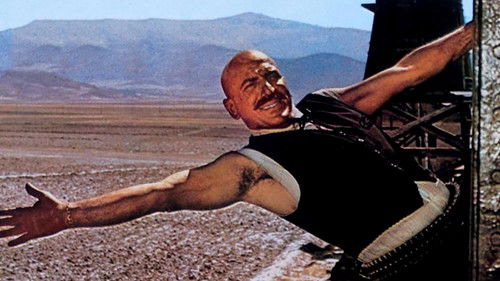
In 1916, during the Mexican Revolution, General Pancho Villa manages to escape from the clutches of General Goyo, his greatest enemy, only to face an even greater problem when he meets McDermott, a mysterious adventurer who promises to get him weapons and ammunition for his troops.
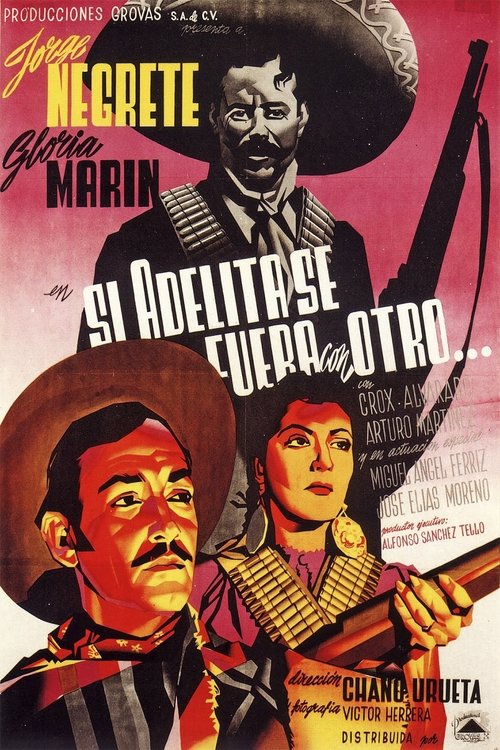
Young couple run off to join the Mexican Revolution, in part because she has a crush on Francisco Villa.

Tita is passionately in love with Pedro, but her controlling mother forbids her from marrying him. When Pedro marries her sister, Tita throws herself into her cooking and discovers she can transfer her emotions through the food she prepares, infecting all who eat it with her intense heartbreak.
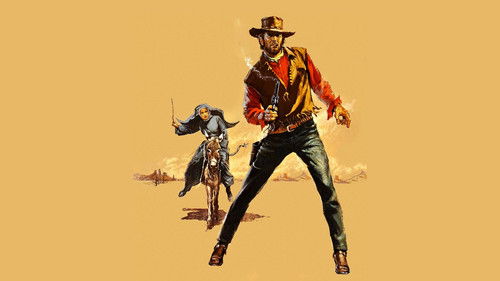
When a wandering mercenary named Hogan rescues a nun called Sister Sara from the unwanted attentions of a band of rogues on the Mexican plains, he has no idea what he has let himself in for. Their chance encounter results in the blowing up of a train and a French garrison, as well as igniting a spark between them that survives a shocking discovery.
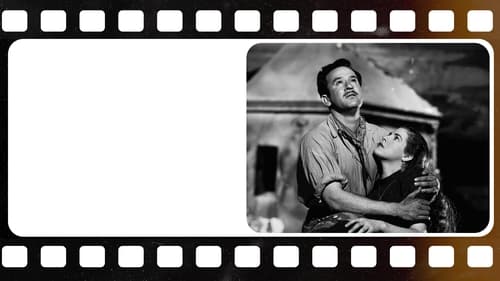
A farmer is in love during revolutionary times.
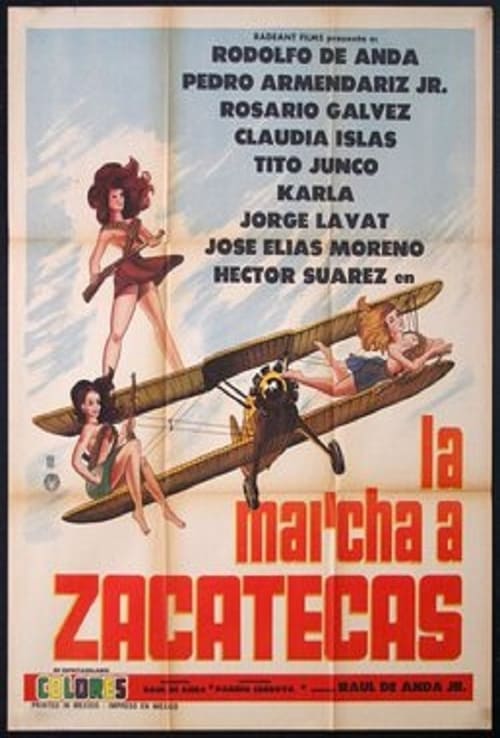
Villistas, army officers, heirs and heiresses all gather at the home of a recently deceased hacendado. Everybody has an agenda, everybody butts heads in comical ways. Or not so much.
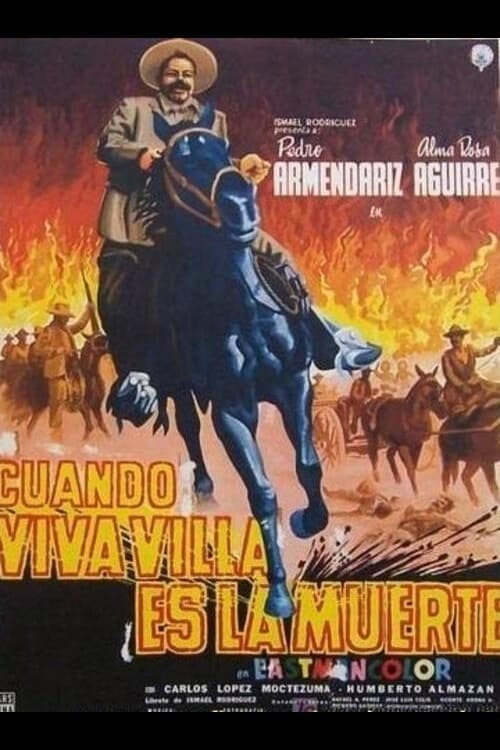
The third and final chapter of director Ismael Rodríguez's series about Pancho Villa. Several stories about the life and death of the famous mexican revolutionary general.
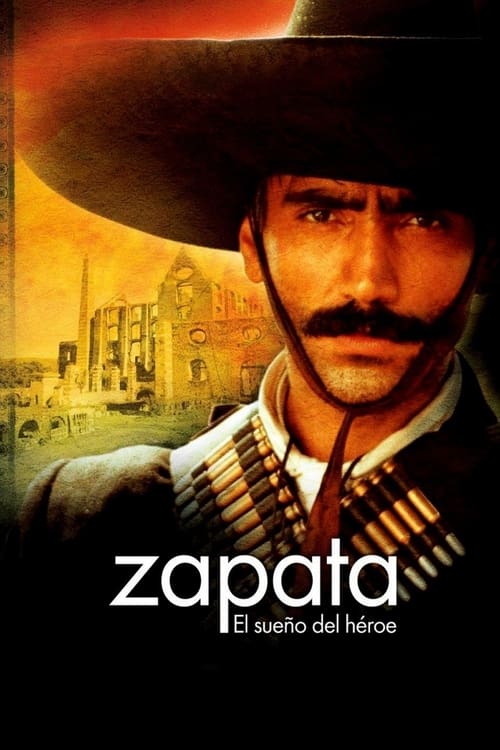
This fictionalized portrayal of Emiliano Zapata as an Indigenous Mexican shaman, directed by Alfonso Arau, was reportedly the most expensive Mexican movie ever produced, with a massive ad campaign, and the largest ever opening in the nation's history. Unusual in the Mexican film industry, Zapata was financed independently.

An aging group of outlaws look for one last big score as the "traditional" American West is disappearing around them.
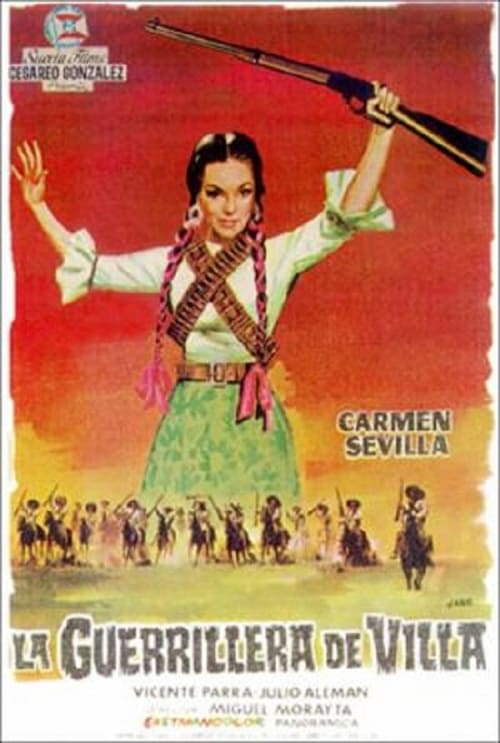
No description available for this movie.
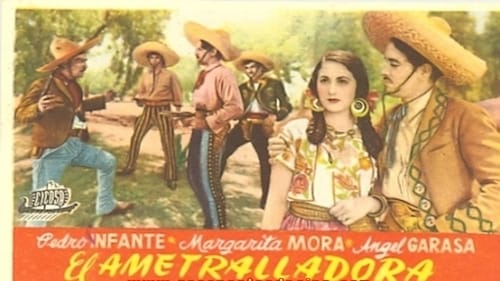
Peasant farmer and landowner are rivals for a woman. Sequel to Ay Jalisco No Te Rajes.
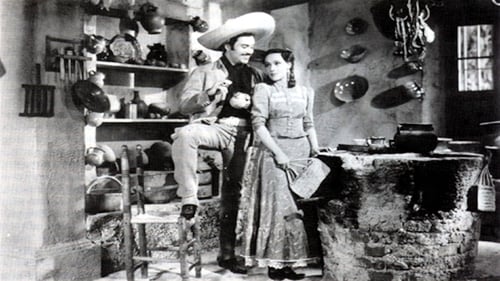
The film features Fernandez himself as a character named Rogellio Torres. The lion's share of the footage, however, is devoted to the romance between Esperanza, granddaughter of a common laborer, and Jose Luis Castro, the firebrand son of a landowner. Joining a revolutionary movements, Castro is disowned by his father, but Esperanza remains loyally by his side. Later on, Castro's father is killed by outlaws; in seeking vengeance, he sacrifices his own life, while Esperanza carries on his revolutionary work with their young son in tow.

Chapter 4 of the series 18 decades of life in Mexico in the twentieth century. Images of the cultural, social and political life in Mexico between 1915 and 1919.
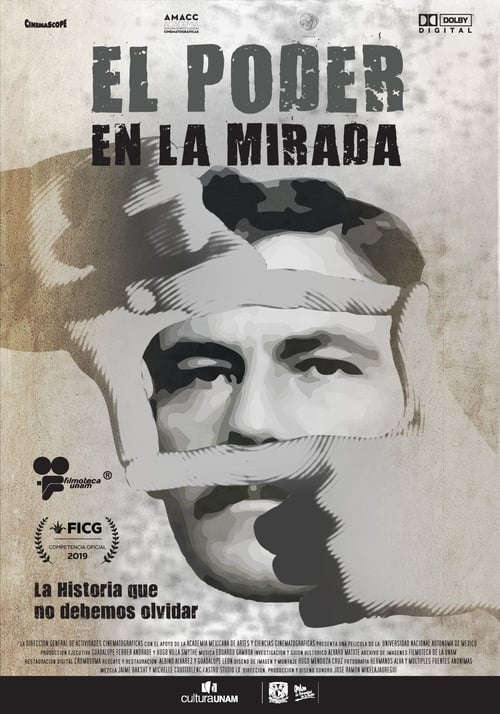
An emotional journey through the film archives of the Mexican Revolution, ranging from Venustiano Carranza's administration to the creation of the PNR party by Plutarco Elias Calles.
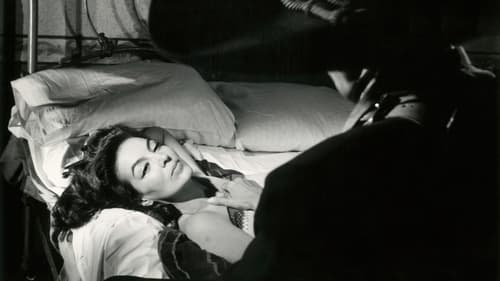
The Mexican Revolution serves as a backdrop to a torrid love triangle composed of three freedom fighters: a colonel, a widow, and a fiery female soldier.
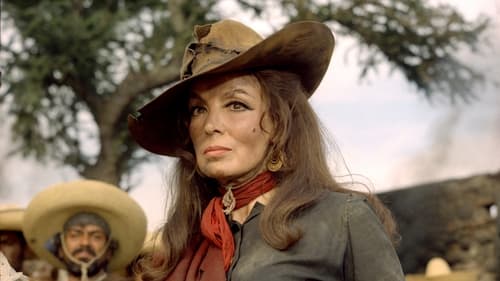
During the Mexican Revolution, a hardened and rich lady landowner is overtaken by the violence of the times. Losing her land and house, she falls in love with a revolutionary leader that is killed by a sadistic and corrupt federal officer. She takes the revolutionary flag and leads a rampage of violence and destruction.