
Action
Adventure
Animation
Comedy
Crime
Documentary
Drama
Family
Fantasy
History
Horror
Music
Mystery
Romance
Science Fiction
Thriller
War
Western
Found 19 movies, 1 TV show, and 0 people
Can't find what you're looking for?
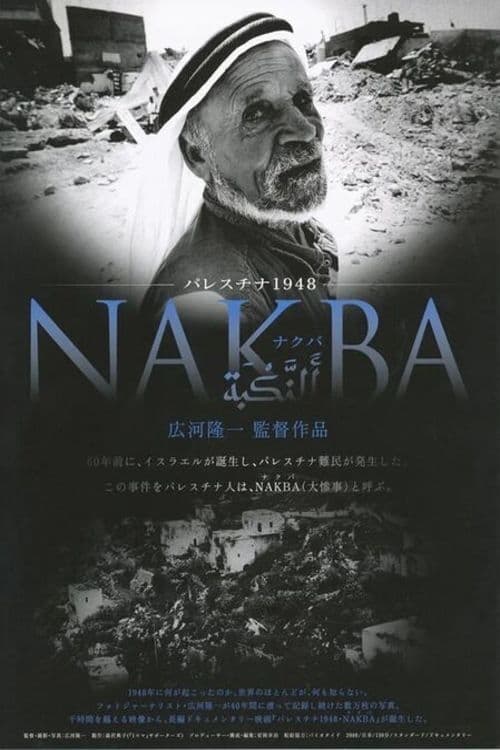
The year 2008 marks the 60th anniversary of the foundation of Israel. It marks also the beginning of 60 years of the suffering for the Palestinian people. This tragedy is referred to as the “Nakba,” meaning catastrophe in Arabic. Since 1948 at least 420 Palestinian villages have vanished. The photo journalist Ryuichi Hirokawa has filmed over 1,000 hours of footage and has taken thousands of photographs of the Palestinian people and their vanished villages. This film is a distillation of this footage
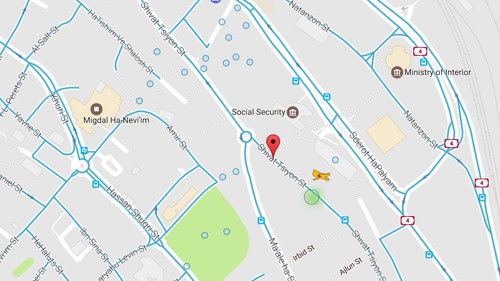
Oum, a Palestinian grandmother, returns to her hometown of Haifa, where she explores the urban landscape the only way she can: as a digital ghost via Google Streetview.

Al Nakba: The Palestinian Catastrophe 1948 is a groundbreaking documentary film that comprehensively examines the events that resulted in the creation of over 700,000 Palestinian refugees and the destruction of approximately 400 Palestinian villages at the end of the first "Israeli-Arab war" in 1948. Featuring historian Benny Morris and drawing on his book “The Birth of the Palestinian Refugee Problem, 1947-1949,” this film is conducted in both Hebrew and Arabic with English voice-over. It is widely regarded as the first film to seriously tackle these historic events.
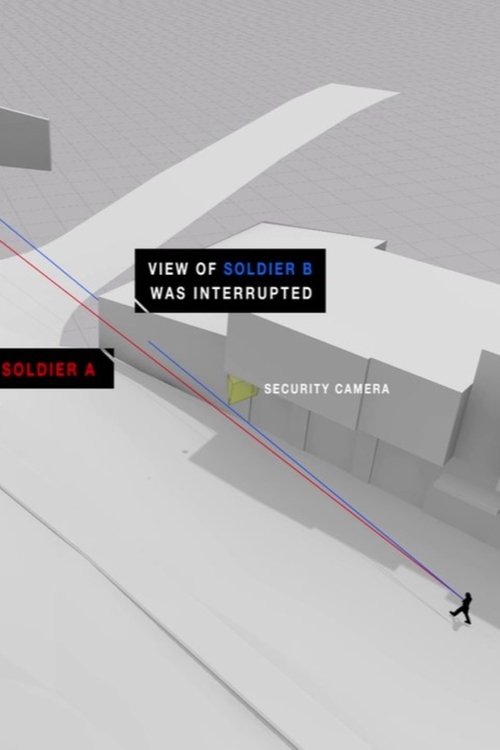
Every year on 15 May, acts of memorialization and resistance take place throughout Palestine to commemorate the Nakba catastrophe of 1948, when Palestinian people were violently displaced from the land that subsequently became Israel. On Nakba Day 2014, a protest culminated in clashes with Israeli security forces outside of the Ofer Prison in the town of Beitunia, next to Ramallah. Two teenagers, Nadeem Nawara, 17, and Mohammad Mahmoud Odeh Abu Daher, 16 were shot dead in front of security cameras and TV film crews. The videos showed that the two Palestinian teens were shot while walking unarmed and posing no threat. One video, shot by CNN, captured two different members of the Israeli security forces on site discharging their weapons in the protestor’s direction, and then panning to show Nawara’s body being carried towards an ambulance. Despite this footage, the Israeli security forces denied committing this massacre.

No description available for this movie.
May 15, 1948, is the date of the founding of the State of Israel on more than half of the territory of historic Palestine, from the Mediterranean Sea to the Jordan River. But for Palestinians, that day means NAKBA - catastrophe: the forced expulsion, through the use of violence and weapons, of over 800,000 people, the destruction of 600 villages and homes in the cities of Haifa, Jaffa, and others. This film aims to commemorate this date and the ongoing Israeli occupation of the Palestinian Territories, which continues to this day. All this in disregard of the plan to partition Palestine into two states, one Arab and one Jewish, voted by the United Nations in 1947. A great injustice that has now lasted for 72 years.
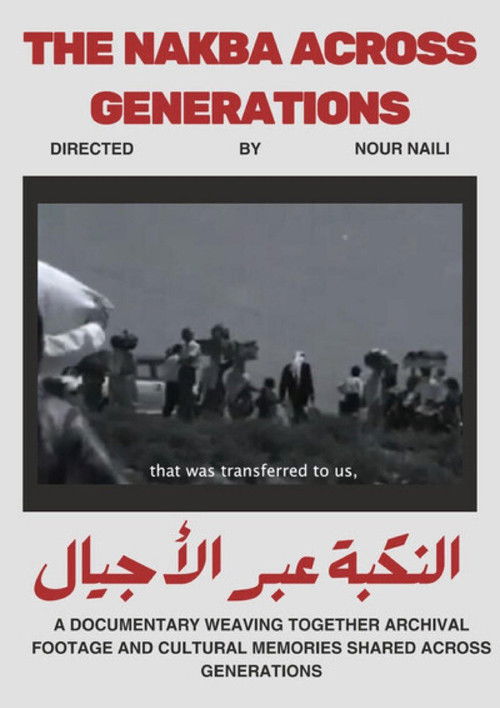
No description available for this movie.
Chronicles of A Refugee is a documentary series that looks at the Palestinian refugee experience, in its global context, over the past 60 years. The first episode focuses on the Nakba in 1948.

Abdelkarim Hassan Ibrahim Mohamed Moustafa Mahmoud ABOUSROUR Al Natifi, recounts the 1948 Nakba (catastrophe) and the exodus of the Palestinian Arab population during the Israeli occupation. 700,000 to 750,000 Palestinian Arabs fled or were expelled from their towns and villages during this war. They were generally denied the right to return. 400 Arab villages were abandoned, evacuated or destroyed. Their descendants now number more than 5,000,000.
Chronicles of A Refugee is a documentary series that looks at the Palestinian refugee experience, in its global context, over the past 60 years. The second episode focuses on the expulsion of Palestinians from host countries.
This short documentary collects the oral history testimonies of five Palestinian women living inside Israel today. Four of the women are internally displaced refugees, unable to return to their villages and homes despite remaining within the boundaries of what became Israel in 1948, the fifth remains a resident of her original village, Tarshiha in the northern Galilee. The film aims to convey through these testimonies a sense of women's lives in rural Palestinian communities prior to, during, and after the Nakba, and by doing so to contribute to a fuller understanding of the different and vital roles played by Palestinian women during this period. The documentation forms part of a wider series of oral history projects undertaken by the Zochrot organisation in Israel.

An Iranian filmmaker participates in a series of video calls with a young Palestinian photojournalist who describes her life confined in Gaza during the current regional conflict.
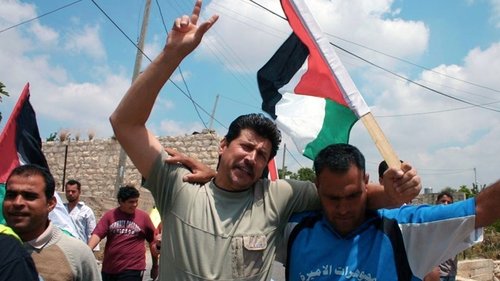
Five broken cameras – and each one has a powerful tale to tell. Embedded in the bullet-ridden remains of digital technology is the story of Emad Burnat, a farmer from the Palestinian village of Bil’in, which famously chose nonviolent resistance when the Israeli army encroached upon its land to make room for Jewish colonists. Emad buys his first camera in 2005 to document the birth of his fourth son, Gibreel. Over the course of the film, he becomes the peaceful archivist of an escalating struggle as olive trees are bulldozed, lives are lost, and a wall is built to segregate burgeoning Israeli settlements.

When, in the late 1990s, Israeli student Teddy Katz exposed the massacre of Palestinian civilians by Israeli forces in the village of Tantura, in May 1948, during the first Arab-Israeli war, he was initially praised for his pioneering work; but he was soon infamous and branded a traitor. Decades later, incendiary new evidence emerges that corroborates Teddy's findings.
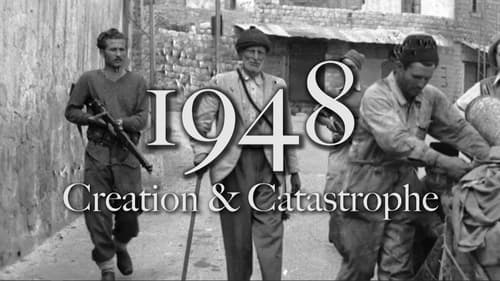
The shocking story of the establishment of the state of Israel told from the perspective of those who lived through the end of the British Mandate for Palestine in 1948.
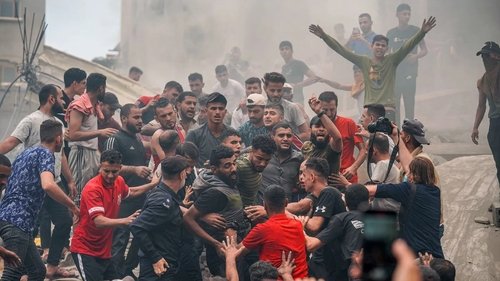
This deeply affecting documentary follows a small number of Israelis and Gazans through the most dramatic and tragic year of their lives. Using personal and previously unseen footage, it tells the story of the war in Gaza and the October 7 attacks through deeply emotional stories from both sides of the conflict. In Gaza, the film follows three individuals from reaction to the October 7th attacks to the start of the bombing by the Israeli military and to the loss of family members that all three suffer. In Israel, we witness footage of the Israeli characters, as they and their family members are attacked by Hamas on October 7th and then follow their stories through the year.
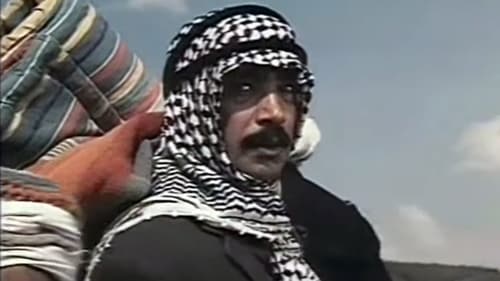
The story of a young Palestinian who left his refugee camp to become a resistance fighter in the Palestine Liberation Organization.

A documentary on the historic first-ever visit of a Palestinian National team to Europe, following the Palestinian women's team as they arrive in Ireland to a heroes' welcome and play a solidarity friendly against Bohemian FC on May 15th, 2024. The sold-out match marked the 76th anniversary of the Nakba and highlighted the ongoing genocide and human rights violations happening every day in occupied Palestine. It was one of the most emotional and important games ever held at Dalymount Park in its long and storied history since 1901, and the event raised over €100,000 for three Palestinian humanitarian organizations.
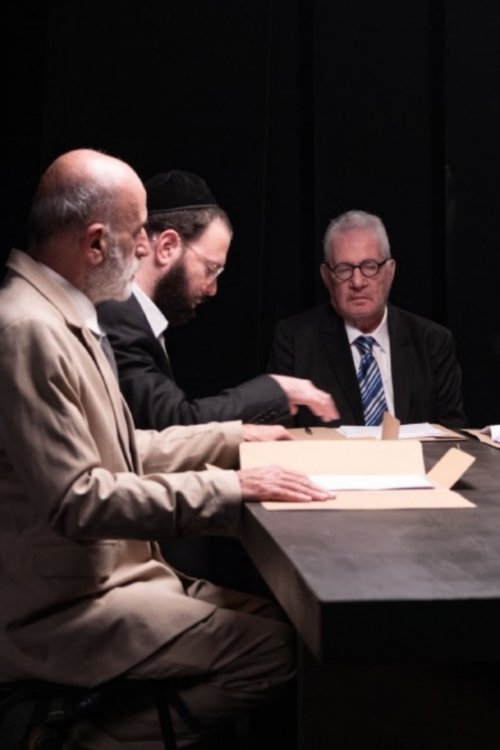
Seven political activists from Israel come together in a theater in Tel Aviv and read from the transcripts of government meetings dating back to 1948, which had been classified until recently.