
Action
Adventure
Animation
Comedy
Crime
Documentary
Drama
Family
Fantasy
History
Horror
Music
Mystery
Romance
Science Fiction
Thriller
War
Western
Found 37 movies, 2 TV shows, and 11 people
Can't find what you're looking for?
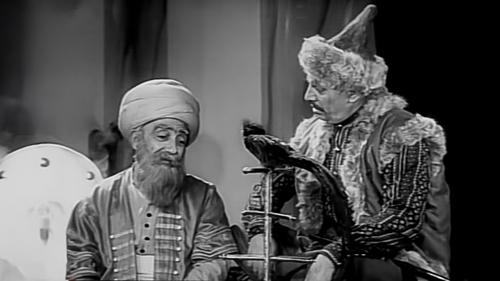
Nasreddin Hodja's son Firuz and Kadi Cafer's daughter Gulfem reunite with each other and Timurlenk's involvement in the events is narrated in a humorous way in the movie, which depicts the difficult situations that Nasreddin Hodja has faced due to Kadı Cafer and his recovery from these situations.

Smart Man Nassredin easily penetrates into Bukhara Emir inner circle posing as Wise Man from Damascus. He becomes Emir trusted advisor, and even convinces the tyrant to relax the rule and release a lot of political prisoners (because stars favor this arrangement).

A story about Nasreddin - a funny and adventurous hero of many Mid-Asian tales.
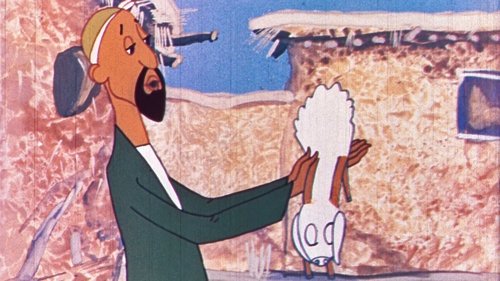
The story of how the witty Khoja Nasreddin taught the greedy rich a lesson.
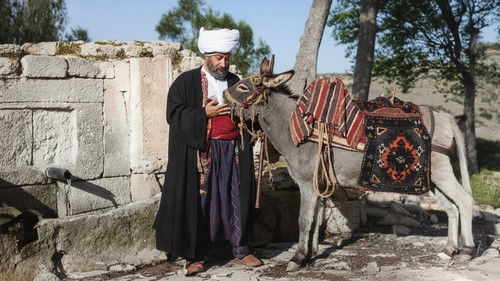
No description available for this movie.
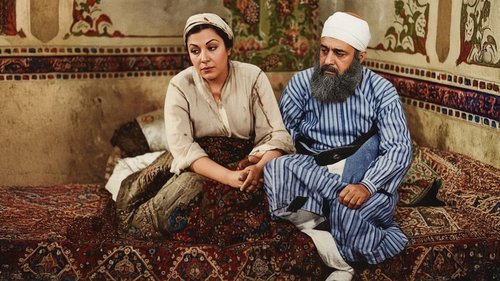
First Turkish film about Nasreddin Hodja. On wedding day one of the guests tells the jokes when the circumcised child asks Nasreddin Hodja anecdotes.

The stories of Nasreddin carry out a reversal of 'point of view' which shatter our established way of seeing things, people, the world and their relationships.

An ingenuous film about the eternal, about the meaning of human life on earth. In a word, about what has been said a thousand times and a thousand times retold. The famous hero of Eastern legends, Hodja Nasreddin - a serious joker, thinker and truth-seeker - by the will of the authors became a foster brother and a friend of youth, no less famous, but in everything opposite to him - the tyrant and autocrat Timur Tamerlane.
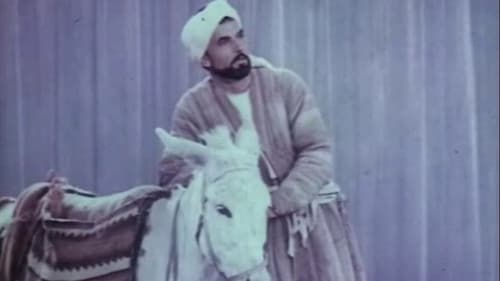
Soviet film following Nasreddin
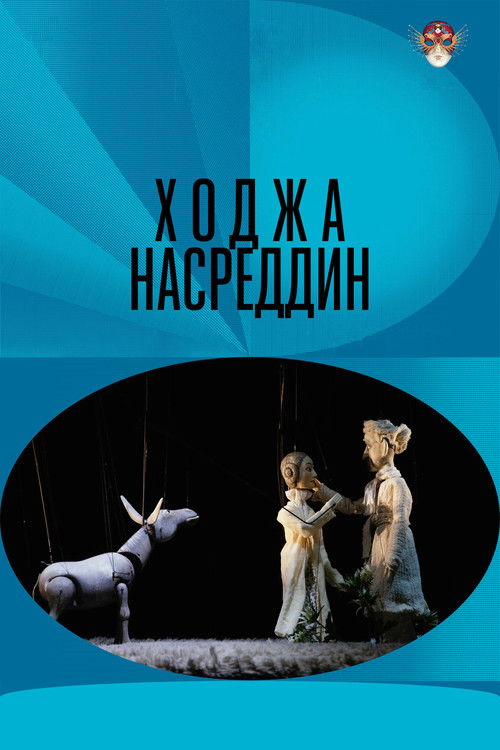
Khodzha Nasreddin saves the donkey from the heat. Now he is in the service of Khodzha, from which all his adventures begin. Donkey lives, works, cannot raise his head, but meeting with Khodzha will turn his world upside down.
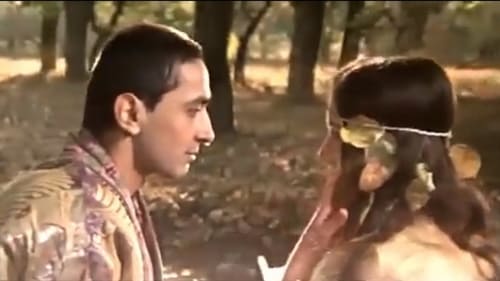
Based on the work of the same name by Timur Zulfikarov about the adventures of the famous hero of Oriental fairy tales Khoja Nasreddin.
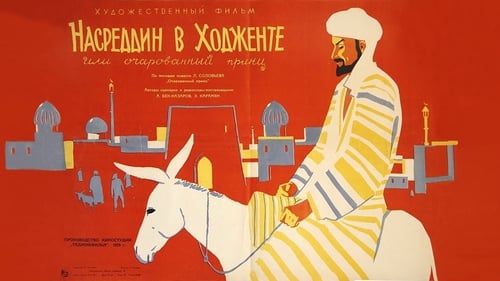
Based on the popular comedy novel, as well as many international anecdotes about Nasreddin Hodja, a witty Muslim traveler.
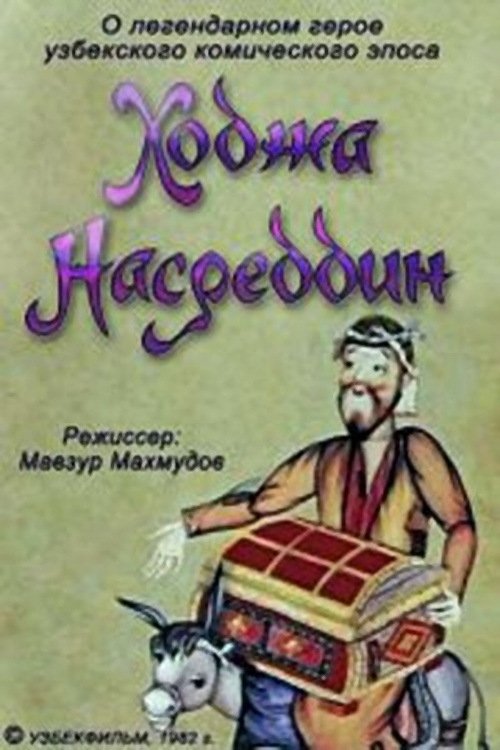
No description available for this movie.

Étienne Dinet, born March 28, 1861 in Paris, where he died on December 24, 1929, was a French painter and lithographer. Having lived much of his life in Algeria and recognized during his lifetime, he called himself Nasreddine Dinet after converting to Islam.
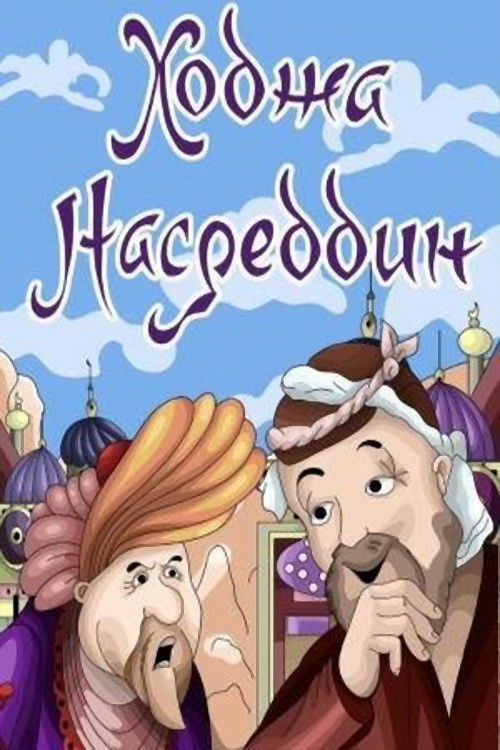
No description available for this movie.
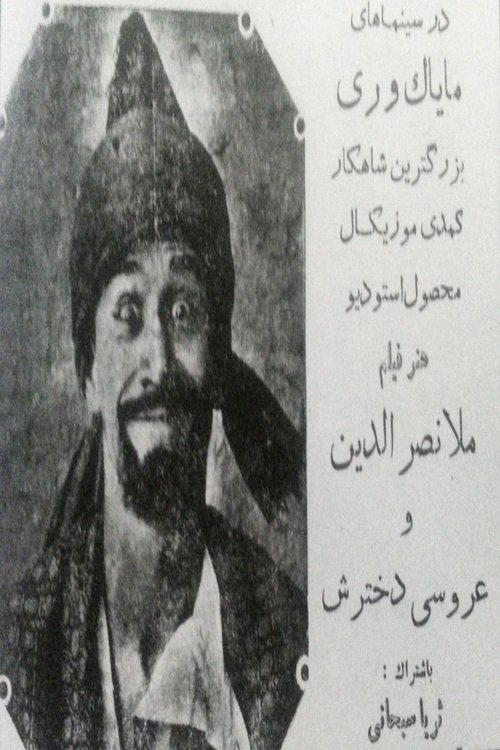
The tales of Nasreddin.

A story consisting of Nasreddin Hodja anecdotes
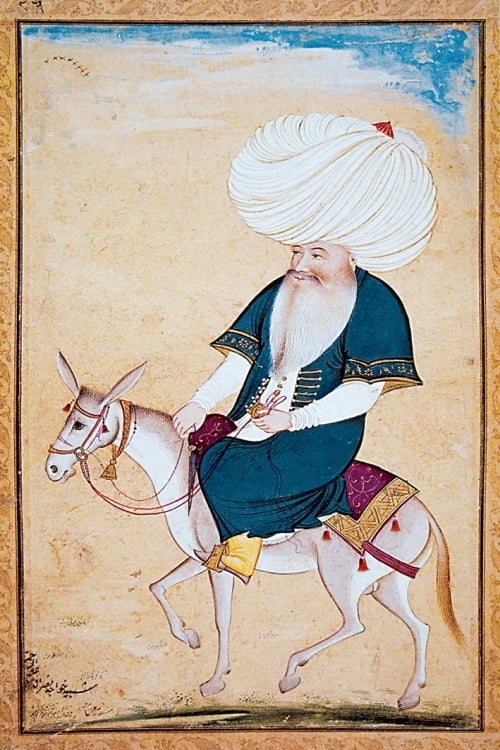
A Turkish film about Nasreddin Hoca
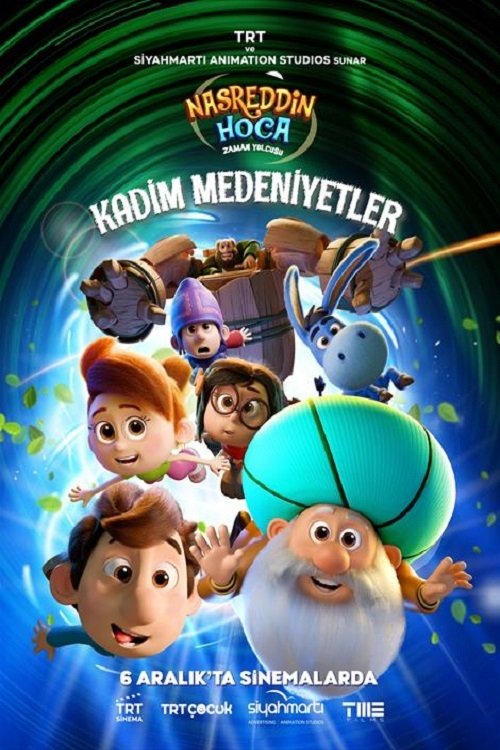
The film tells the story of Nasreddin Hoca and his young friends' adventures as they travel through time to the mysterious world of ancient civilizations.

When two treasure hunters who sneak into the tree house accidentally go to the past, Nasreddin Hoca and the children go after them to bring them back, when the treasure hunters go to prison there, they come back with the thought that everything is done, but when they come back, t... Read all

Étienne Dinet (إتيان دينيه), born March 28, 1861 in Paris, where he died on December 24, 1929, was a French painter and lithographer. He was one of the leading representatives of Orientalist painting at the turn of the 19th and 20th centuries. Obtaining a scholarship in 1884, Dinet undertook his first trip to southern Algeria in the region of Bou-Saâda, the Naili culture having a profound impact on him, as he would return there many times until he settled in his first Algerian studio in Biskra in 1900. In 1905, he bought a house in Bou-Saâda to spend three-quarters of the year there. In 1907, on his advice, the Villa Abd-el-Tif was created in Algiers, modeled on the Villa Medici in Rome. Having lived much of his life in Algeria, he called himself Nasreddine Dinet (نصر الدين ديني) after converting to Islam. On January 12, 1930, he was buried in the Bou-Saâda cemetery, where a museum that houses many of his works bears his name.
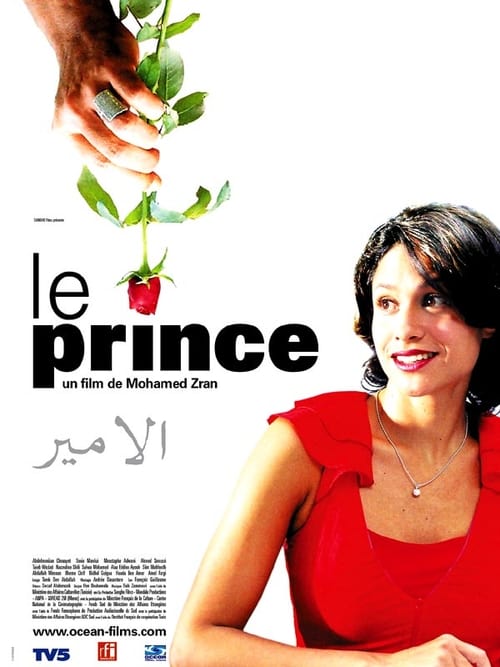
In Tunis, Adel a dreamer florist, falls in love with a pretty woman Dounia a director of a bank branch. To win her love, he uses the language of flowers and delivers her each morning the bouquets under a mysterious admirer.
A couple escapes their financial problems and decides to make a living on love and fresh water.
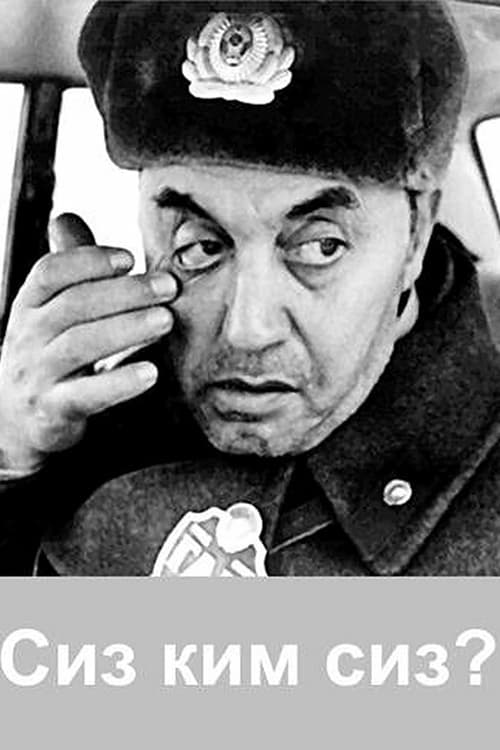
A young doctor serving cotton growers goes to the city. On the highway, when trying to overtake a motorcade, the traffic police stops the car. The events that take place next are an accurate and witty model of a life permeated through and through with absurd relationships, ridiculous demands and inexplicable prohibitions...

The inhabitants of a city awake one morning to find that never-before-seen trees, plants, and flowers suddenly erupted throughout the streets and in the squares. Strange and mysterious events start taking place as Camelia and Nahla investigate the origins of these new and peculiar creatures.
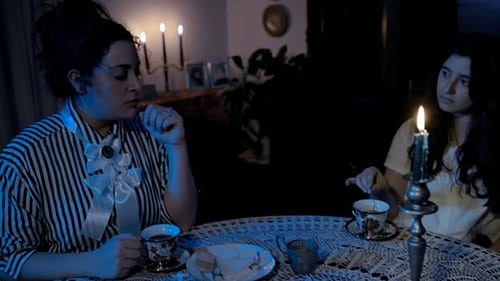
When upholding the family's clean image is more sacred to a mother than saving her daughter. The daughter, in the name of vengeance and salvation, learns to embrace destruction.
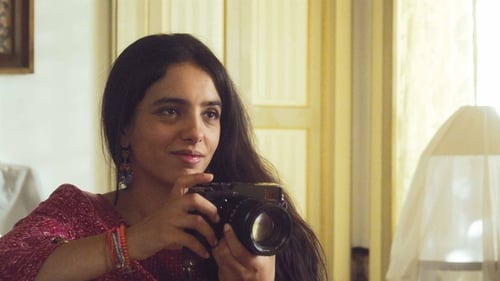
Amel is a young photographer. When she loses her husband, her life changes. Encouraged by her father-in-law, she takes a taste of life by photographing street boys. Without fear of being scandalous, she makes the choice to look at men as men look at women.
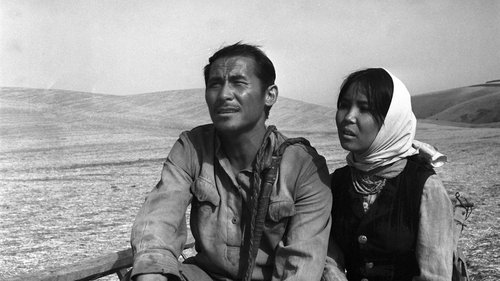
In a remote Kyrgyz village, Dzhamilya follows her parents' orders when she marries a man without loving him. Then World War II breaks out and her new husband has to leave the village. While being alone, Dzhamiliya meets the returning soldier Daniyar and falls in love with him instead. Years later, their young friend Seid reminisces about the couple.
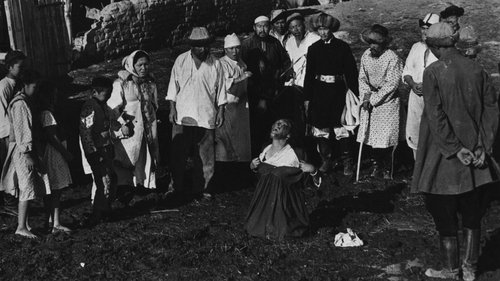
Dyuishen is assigned to the mountainous Kirghiz region of Central Asia by the Young Communist League after he is discharged from the Red Army. It is 1923 and the Civil war has ended. The former soldier becomes a teacher, bringing the Leninist doctrine to the remote Moslem area where elders did not allow children to go to school. He falls in love with one of his students, but the young woman is sold by her father to a wealthy chieftain. When the school is burned down, the majestic poplar trees that are a source of local pride are cut down to rebuild the new structure.

Bakai is an old shepherd who lives in the country while his children have long grown accustomed to life in the city. When his youngest son pays him a visit, Bakai wants him to stay and help with the rigors of rural living.

Maia, a single mother, lives in Montreal with her teenage daughter, Alex. On Christmas Eve, they receive an unexpected delivery: notebooks, tapes, and photos Maia, from 13 to 18 years old, sent from Beirut to her best friend who left for Paris to escape the civil war. Maia refuses to open the box or confront its memories, but Alex secretly begins diving into it. Between fantasy and reality, Alex enters the world of her mother’s tumultuous, passionate adolescence during the Lebanese civil war, unlocking mysteries of a hidden past.
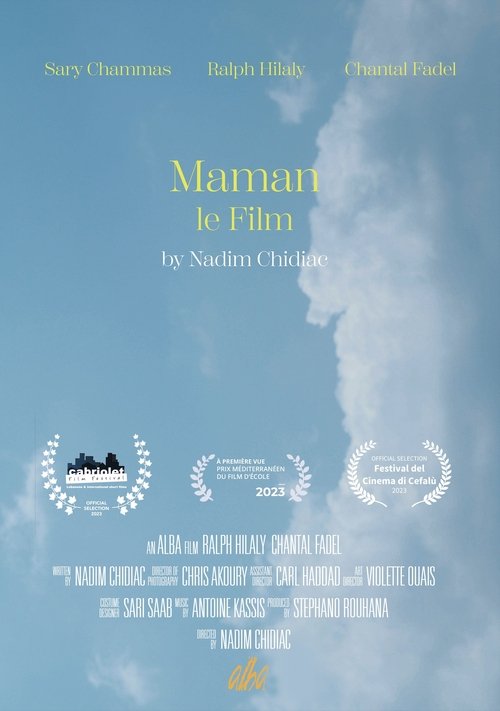
Lebanon, Mother's day. Joey (20 years old) is preparing a surprise diner for his mom who is always abroad. but today is a special day because she is here, but not willing to stay till the evening, until they celebrate. Tortured with the idea of her leaving again, Joey tries to convince her mom to stay. But the mother is here for another reason: pushing her son to tidy his house and to accept change.
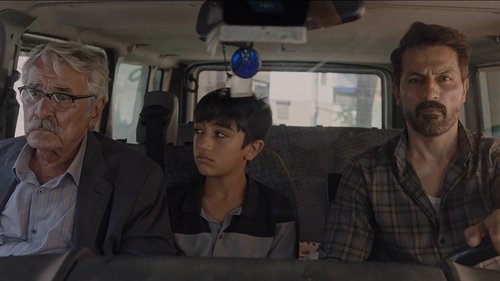
When retired engineer Refik learns that he’s terminally ill, he gives his Syrian refugee carer, Gülizar money to flee to Greece with her two boys. As he is preparing for the upcoming Eid to announce his diagnosis to his children, Gülizar vanishes, leaving the boys behind with Refik. He struggles to find the woman in İzmir, the city of hope.
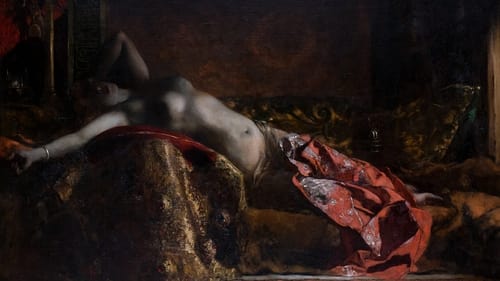
Orientalism is a literary and artistic movement born in Western Europe in the 18th century. Through its scale and popularity, throughout the 19th century, it marked the interest and curiosity of artists and writers for the countries of the West (the Maghreb) or the Levant (the Middle East). Orientalism was born from the fascination of the Ottoman Empire and followed its slow disintegration and the progression of European colonizations. This exotic trend is associated with all the artistic movements of the 19th century, academic, romantic, realistic or even impressionist. It is present in architecture, music, painting, literature, poetry... Picturesque aesthetics, confusing styles, civilizations and eras, orientalism has created numerous clichés and clichés that we still find today in literature or cinema.

In 1962, René Vautier, together with some Algerian friends, organised the audio-visual formation centre Ben Aknoun to encourage a "dialogue in images" between the two factions. Together with his students he made a film that shows the history of the Algerian War and of the ALN (National Liberation Army), and life during the reconstruction.
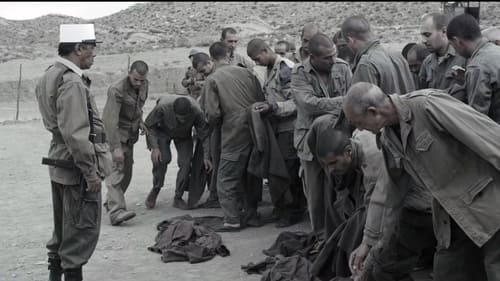
The city of Lambèse is the scene of torture, both physical and moral, for the resistance fighters of the Algerian War. In the form of a fictional account adapted from the novel "Le camp" by Abdelhamid Benzine, the conditions in the special camps of the colonial army, where we accompany a group of detainees, in their daily life animated by violence are depicted. are former Nazi officers, whose mission is to abandon all resistance, and all ideological faith, through humiliation and drudgery.

No description available for this movie.