
Action
Adventure
Animation
Comedy
Crime
Documentary
Drama
Family
Fantasy
History
Horror
Music
Mystery
Romance
Science Fiction
Thriller
War
Western
Found 20 movies, 10 TV shows, and 0 people
Can't find what you're looking for?
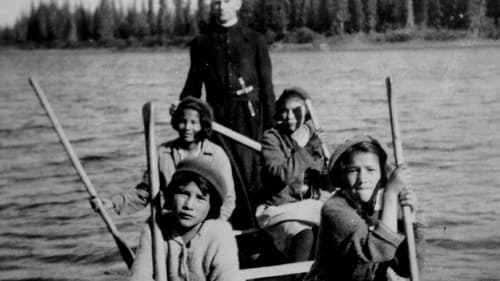
The Indian Act, passed in Canada in 1876, made members of Aboriginal peoples second-class citizens, separated from the white population: nomadic for centuries, they were moved to reservations to control their behavior and resources; and thousands of their youngest members were separated from their families to be Christianized: a cultural genocide that still resonates in Canadian society today.
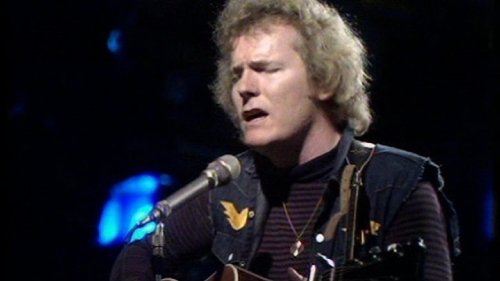
A classic concert by Gordon Lightfoot from 1972, accompanied by Red Shea and Richard Haynes. They perform songs including Summer Side of Life, Saturday Clothes, That's What You Get For Loving Me, Affair on 8th Avenue, If I Could Read Your Mind, Steel Rail Blues, Ten Degrees and Getting Colder, Early Morning Rain, Me and Bobby McGee, Minstrel of the Dawn and Canadian Pacific Trilogy.
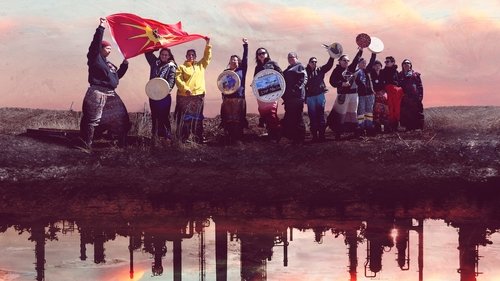
Elliot Page brings attention to the injustices and injuries caused by environmental racism in his home province, in this urgent documentary on Indigenous and African Nova Scotian women fighting to protect their communities, their land, and their futures.
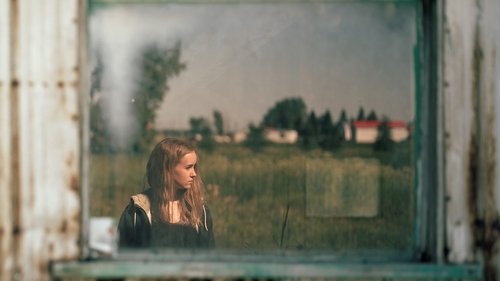
Camille wanders through the countryside talking with frogs and chickens: she sails through life as a carefree soul. But for her older sister, the introverted Mylia, things are more complicated. Mylia is lost between the uncertainty in her family life, the superficial atmosphere at her new school and her first experiences at house parties. It is Camille who eventually introduces Mylia to Jimmy. The boy from the nearby Abenaki reserve is different and he encourages her to break free.
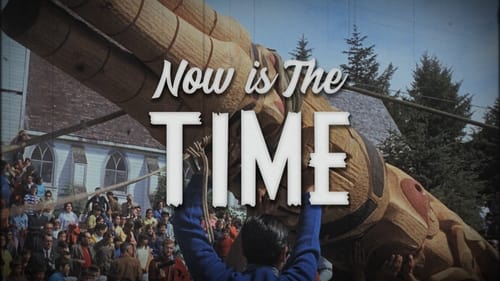
When internationally renowned Haida carver Robert Davidson was only 22 years old, he carved the first new totem pole on British Columbia’s Haida Gwaii in almost a century. On the 50th anniversary of the pole’s raising, Haida filmmaker Christopher Auchter steps easily through history to revisit that day in August 1969, when the entire village of Old Massett gathered to celebrate the event that would signal the rebirth of the Haida spirit.
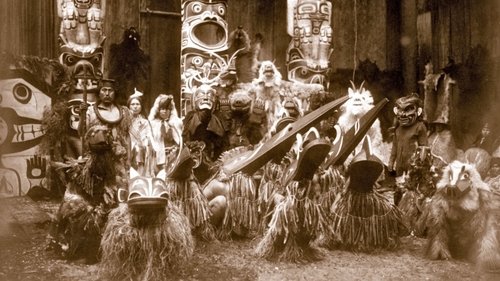
In the Land of the Head Hunters is a 1914 silent film fictionalizing the world of the Kwakwaka'wakw (Kwakiutl) peoples of the Queen Charlotte Strait region of the Central Coast of British Columbia, Canada, written and directed by Edward S. Curtis and acted entirely by Kwakwaka'wakw natives. It was the first feature-length film whose cast was composed entirely of Native North Americans; the second, eight years later, was Robert Flaherty's Nanook of the North.

The territory of Akwesasne straddles the Canada-U.S. border. When Canadian authorities prohibited the duty-free cross-border passage of personal purchases - a right established by the Jay Treaty of 1794 - Kanien'kéhaka protesters blocked the international bridge between Ontario and New York State.
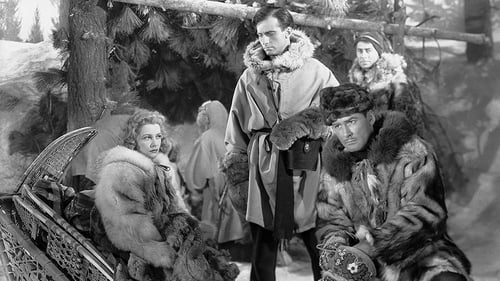
Canadian Mountie Steve Wagner captures a German Luftwaffe officer on a spy mission, who later escapes from the prison camp. To catch the spy ring, the Mounties employ a ruse so that the spies, believing Steve to be sympathetic, enlist him in their plans.
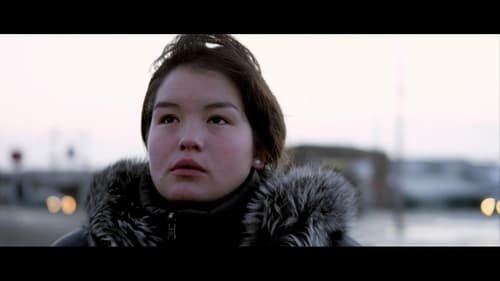
In a small town in the Canadian Arctic, Ippik, a young Inuit woman, suffers in an abusive relationship. She starts to heal when she connects with other victims of violence and finds her voice.
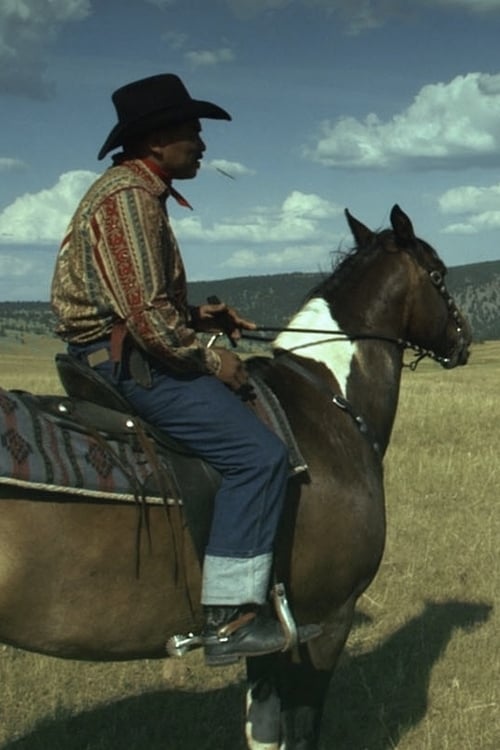
A hunter on horseback accidentally discovers a portal to another world in this fantastical true Tsilhqot'in story.
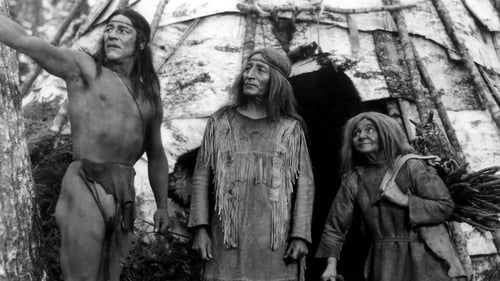
In the Canadian Northwest, the Chippewa tribe struggles to find food before the onset of winter.
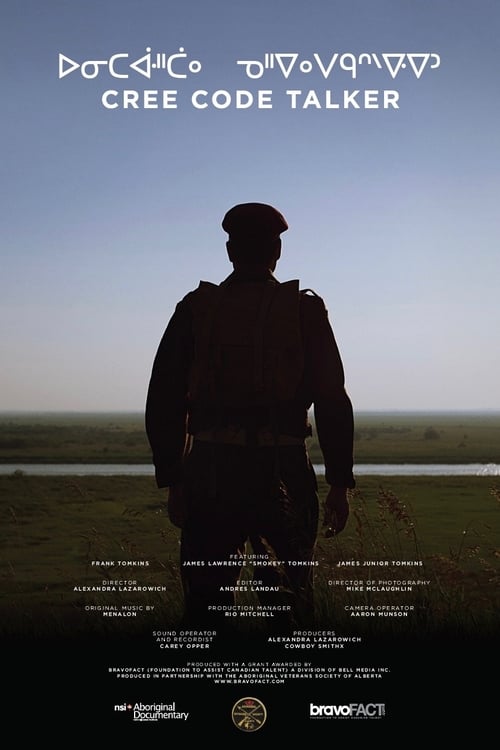
CREE CODE TALKER reveals the role of Canadian Cree code talker Charles 'Checker' Tomkins during the Second World War. Digging deep into the US archives it depicts the true story of Charles' involvement with the US Air Force and the development of the code talkers communication system, which was used to transmit crucial military communications, using the Cree language as a vital secret weapon in combat.
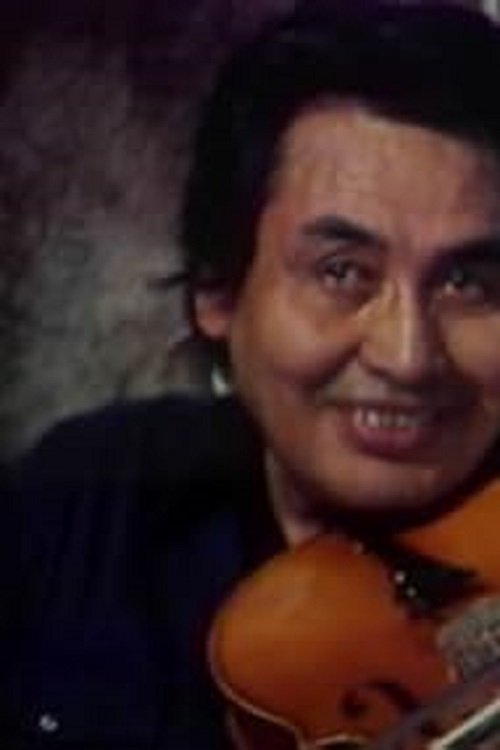
The village of Old Crow and the people from the Vuntut Gwitchin First Nation are located on the banks of the Porcupine River 80 miles inside the Arctic Circle. The film shows the lifestyles and spirit of the people of Old Crow, reflected in the writings of Gwich'in Edith Josie and the stories told by Elder Kenneth Nukon. Alanis Obomsawin wanted to document life in the community before the proposed Mackenzie Valley Pipe line was to go through. "Everything will be changed -- it will never be the same again".
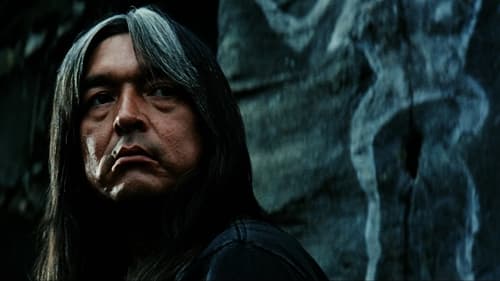
A white lawyer finds his values shaken when he is paired with an angry Indigenous activist who insists on kidnapping the head of a logging company to teach him the price of his destruction.

ARCTIC SUMMER is a poetic meditation on Tuktoyaktuk, an Indigenous community in the Arctic. The film captures Tuk during one of the last summers before climate change forced Tuk's coastal population to relocate to more habitable land.
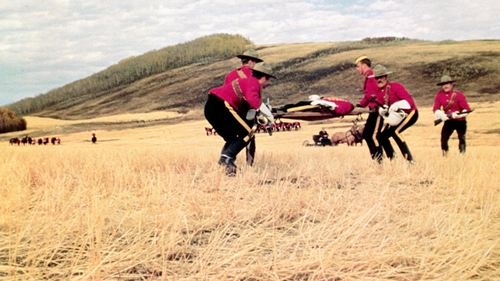
Saskatchewan, Canada, late 19th century. The negligence of Dan Candy, sergeant of the Royal Canadian Mounted Police, allows Almighty Voice, a young Cree warrior, to escape.
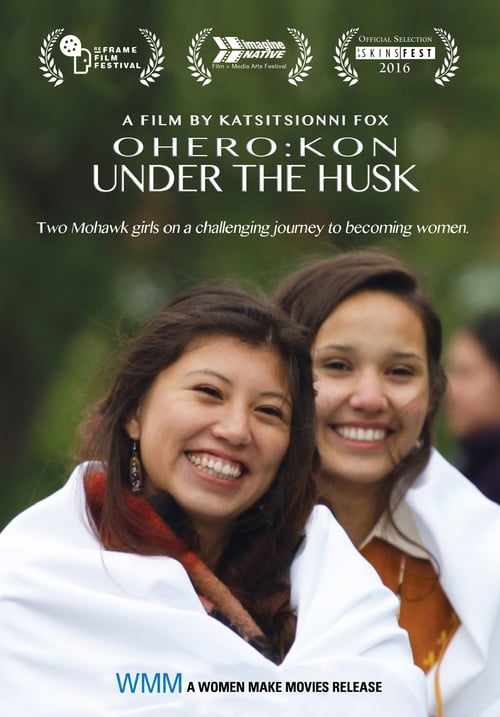
This documentary follows two Mohawk girls on their journey to become Mohawk women. Friends since childhood, Kaienkwinehtha and Kasennakohe are members of the traditional community of Akwesasne on the U.S./Canada border. Together, they undertake a four-year rite of passage for adolescents, called Oheró:kon, or "under the husk." The ceremony had been nearly extinct, a casualty of colonialism and intergenerational trauma; revived in the past decade by two traditional leaders, it has since flourished. Filmmaker Katsitsionni Fox has served as a mentor, or "auntie," to many youth going through the passage rites.

No description available for this movie.
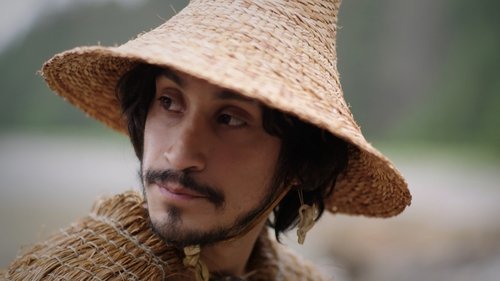
Island of Haida Gwaii, northern Canada, 19th century. During a fishing gathering, Adiits'ii commits an unfortunate act. Tormented, he runs away to the wilderness as his mind embraces madness.
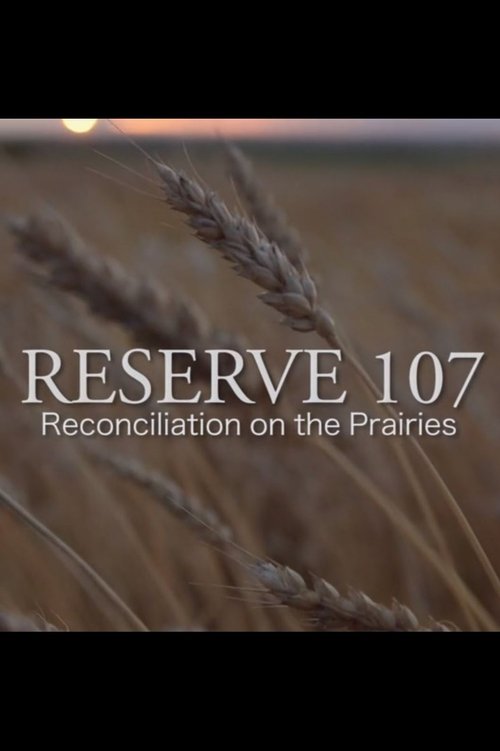
Indigenous rights and title to the land remains a taboo topic for many across Canada, but in the small town of Laird, Saskatchewan, an old injustice is providing new opportunities for dialogue, friendship and a fierce determination to right the wrongs of the past.