
Action
Adventure
Animation
Comedy
Crime
Documentary
Drama
Family
Fantasy
History
Horror
Music
Mystery
Romance
Science Fiction
Thriller
War
Western
Found 40 movies, 27 TV shows, and 0 people
Can't find what you're looking for?
"From there to here...from then to now. The soundtrack feature 33 frogs, 22 birds, lion growls, bomb whistles, a heartbeat and the chromatic scale."
An eight-part animated portrait of various species, accompanied by a different style of music. The various parts are: Aquatilia (foxtrot), Hexapoda (bolero), Pisces (blues), Reptilia (tarantella), Aves (tango), Mammalia (minuet), Simiae (polka) and Homo (waltz). Each animation mixes drawings, pictures, real animals and animated skeletons.
Several painted figures are superimposed.
In 54 static shots, Benning provides a picture of the Natural History Museum in Vienna. With the exception of the first three shots, he chooses areas that are normally closed to the public: offices, store rooms and empty corridors. A characteristically meditative Benning, even though this time he chooses to stay indoors.
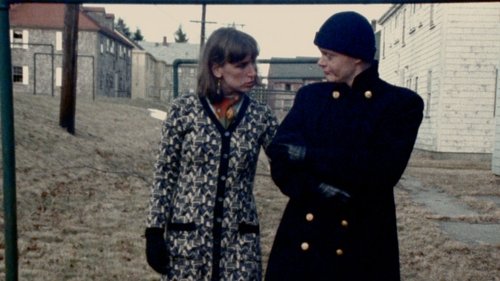
The parents of an adult infant named "Child", played by Todd Haynes, attempt to expel him from their home, by casting magical spell seen in a television documentary about Malaysian rites of passage.
Charlie and Rachel, two high school sweethearts, reconnect at a natural history museum, all while a narrator watches carefully.

A ritual of living rocks on a desert stage. Stop motion animation.
For how long have we been laughing? Are human beings the only ones to laugh? In the past, scientists tended to neglect such questions of laughter, leaving them to the philosophers. Jacques Mitsch's A NATURAL HISTORY OF LAUGHTER explores recent scientific attempts to explicate this most elusive of human faculties, undertaken by scientists who see it as a means of approaching some of the larger mysteries of neurology and human behavior.
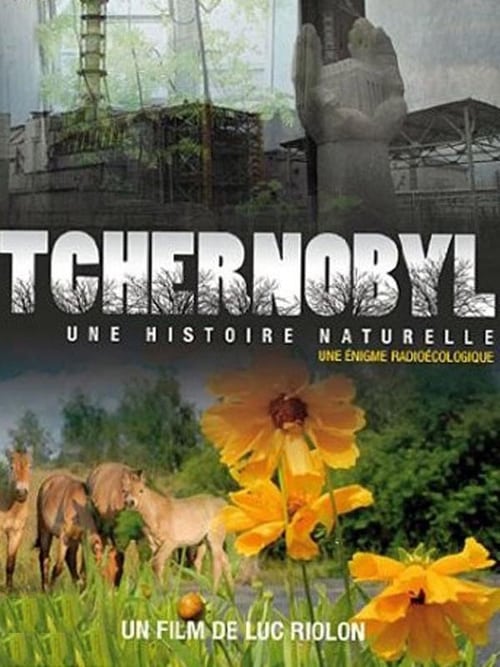
Documentary exploring the aftermath of the nuclear disaster that struck the city on April 26th 1986, uncovering how nature has survived in the radioactive zone. This compelling film explores how nature has survived in the radioactive ghost town.
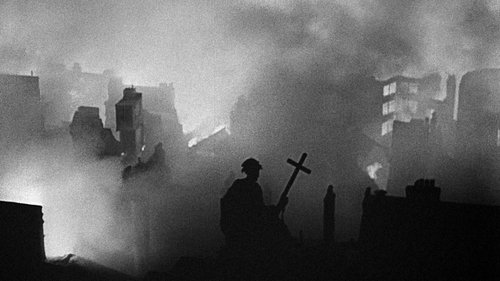
Is it morally acceptable to use the civilian population as yet another tool for waging war? Is it possible to justify death and destruction for the sake of supposedly lofty ideals? The question remains as pertinent today as it was at the beginning of World War II, and it is becoming increasingly urgent to answer, as countless tragedies have been caused by unethical political decisions.

A study of the landscape and of the traces left by time and man in the mountainous areas of northern Tuscany, between the Apennines and the Apuan Alps, following the rhythm of the seasons, the movements of light and stages of transformation of matter.
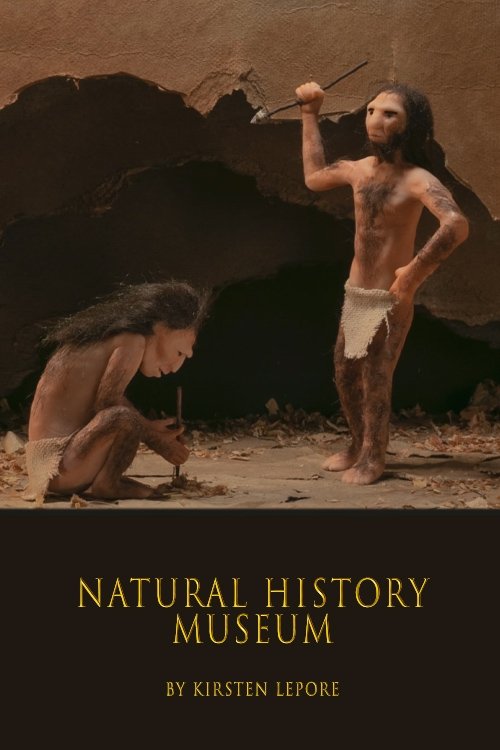
A short film around the theme of “a beautiful future”
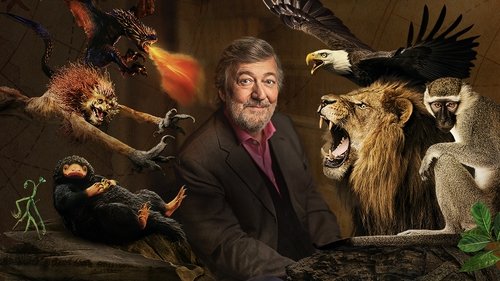
Stephen Fry embarks on a journey to discover the stories behind some of the world's most fantastic beasts that have inspired myths and legends in history, story-telling and film.

When a high school senior, Chris, gets in trouble with the West L.A. police for joy riding in stolen cars, his wealthy but neglectful dad hires Chris's older brother Lance to spend time with him and keep him out of trouble. Lance is in the underworld, running guns, so caring for Chris starts out as a good cover. Then, he warms to his brother, and the two develop a strong bond; Chris gets serious about school and starts to come out of his shell. But, will the relationship be strong enough to weather pressures from Lance's business, Chris's discovery that dad is paying Lance for the care, and Lance's enjoyment of female companionship?

Regular opening times do not apply as we accompany Sir David Attenborough on an after-hours journey around London’s Natural History Museum, one of his favourite haunts. The museum's various exhibits come to life, including dinosaurs, reptiles and creatures from the ice age.
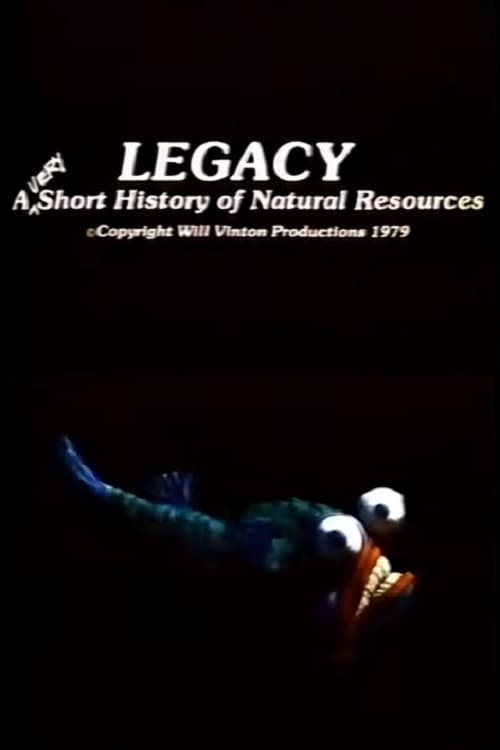
Legacy takes the audience on a rapid-fire journey through the evolution of the world, starting with a cosmic bang, evolving through billions of years of plants, animals and the creation of natural resources, ending with man and his bounty – “sitting on his world contemplating his coconut”. Preserved by the Academy Film Archive in 2012.
23 natural history films by Coral Morphologic, remixed/remastered and compiled into a half-hour odyssey of the sea.
In 1881 a group of Kawéskar natives from Tierra del Fuego were exhibited in human zoos across Europe, organized by the merchant of wild animals Carl Hagenbeck from Hamburg.
For how long have we been laughing? Are human beings the only ones to laugh? In the past, scientists tended to neglect such questions of laughter, leaving them to the philosophers. Jacques Mitsch's A NATURAL HISTORY OF LAUGHTER explores recent scientific attempts to explicate this most elusive of human faculties, undertaken by scientists who see it as a means of approaching some of the larger mysteries of neurology and human behavior.

No description available for this movie.
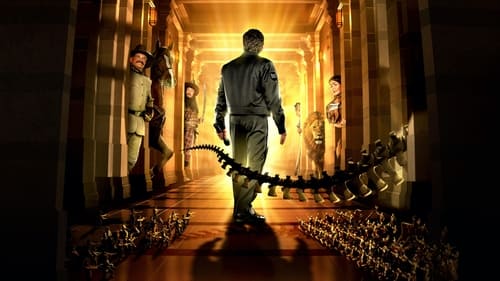
Chaos reigns at the natural history museum when night watchman Larry Daley accidentally stirs up an ancient curse, awakening Attila the Hun, an army of gladiators, a Tyrannosaurus rex and other exhibits.
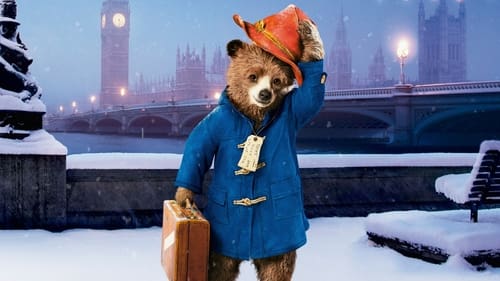
A young Peruvian bear travels to London in search of a home. Finding himself lost and alone at Paddington Station, he meets the kindly Brown family, who offer him a temporary haven.
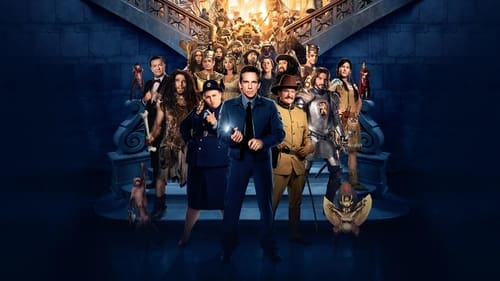
When the magic powers of The Tablet of Ahkmenrah begin to die out, Larry Daley spans the globe, uniting favorite and new characters while embarking on an epic quest to save the magic before it is gone forever.
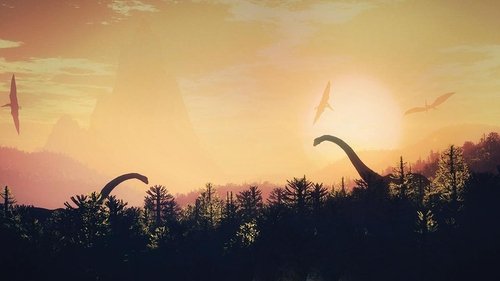
Five times, Earth has faced apocalyptic events that swept nearly all life from the face of the planet. What did these prehistoric creatures look like? What catastrophes caused their disappearance? And how did our distant ancestors survive and give rise to the world we know today?

When The Man in the Yellow Hat befriends Curious George in the jungle, they set off on a non-stop, fun-filled journey through the wonders of the big city toward the warmth of true friendship.
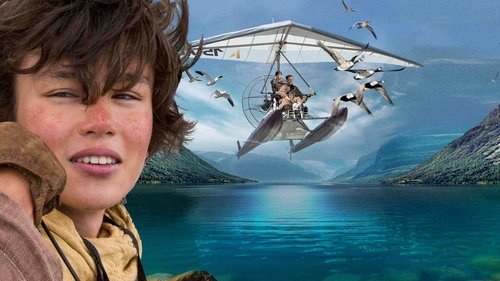
Christian, a visionary scientist, studies wild geese. For his son, a teenager obsessed with video games, the idea of spending a holiday with his father in the wilderness is a nightmare. However, father and son will get together around a crazy project: save a species endangered, thanks to the ultralight of Christian! Then begins an incredible and perilous journey ...
Did you know that 1% of the white noise you see on old televisions is background radiation from The Big Bang? That the gold on a wedding ring comes from a star that exploded 5 billion years ago? And, that we're connected to the salt water of the first oceans through the water in our bodies? Our human story is actually 14 billion years old and the clues are all around us. This CGI-driven special will tell the history of our world in two hours, an ambitious story that will give surprising connections to our daily lives. From the formation of the earth and the emergence of life, to the advance of man and the growth of civilization, it’s a rapid-fire view of our unforgettable story.
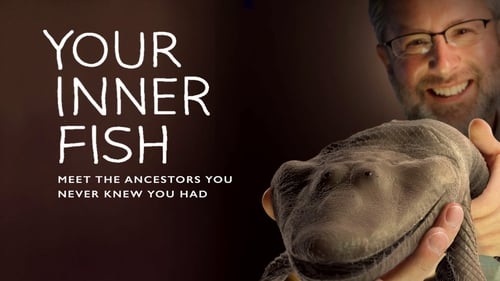
How did your body become the complicated, quirky, amazing machine it is today? Anatomist Neil Shubin uncovers the answers in this 3-part science series that looks at human evolution. Using fossils, embryos and genes, he reveals how our bodies are the legacy of ancient fish, reptiles and primates — the ancestors you never knew were in your family tree.
A documentary that explores the natural world of the sea, from the single-celled organism to more complex forms of life, OCEAN ORIGINS was originally filmed in the IMAX large format, which adds a crispness and clarity to the images. This documentary film seeks to examine the process of evolution by looking at the many creatures of the sea that can illustrate the way multi-cellular life emerged over the course of four billion years. OCEAN ORIGINS is a creative film that uses fascinating documentary footage to look at scientific theories and principles in an interesting manner
Linguistics Ph.D. student Julie Walters can speak almost every language you can imagine. Things turn upside down for Julie when handsome Dan, the curator at the museum she dreams to work at, contacts her to get some French classes, and is all about doing it the fun way!
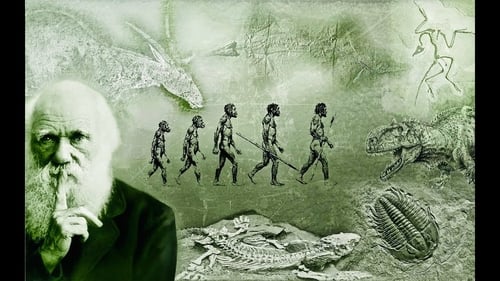
Earth teems with a staggering variety of animals, including 9,000 kinds of birds, 28,000 types of fish, and more than 350,000 species of beetles. What explains this explosion of living creatures—1.4 million different species discovered so far, with perhaps another 50 million to go? The source of life's endless forms was a profound mystery until Charles Darwin brought forth his revolutionary idea of natural selection. But Darwin's radical insights raised as many questions as they answered. What actually drives evolution and turns one species into another? To what degree do different animals rely on the same genetic toolkit? And how did we evolve?

Siblings Enzo and Magda have drifted apart, and in an attempt to reconnect, Magda invites her brother on a trip to Helsinki. Over a weekend, the sibling duo encounters a series of eccentric characters and confronts situations that necessitate conversations about life, art and existence. Memories blend with the present, and dreams and reality merge for the two travelers adrift in the atmospheric city of Helsinki.
Geologist Ian Stewart explain in three stages of natural history the crucial interaction of our very planet's physiology and its unique wildlife. Biological evolution is largely driven bu adaptation to conditions such as climate, soil and irrigation, but biotopes were also shaped by wildlife changing earth's surface and climate significantly, even disregarding human activity.
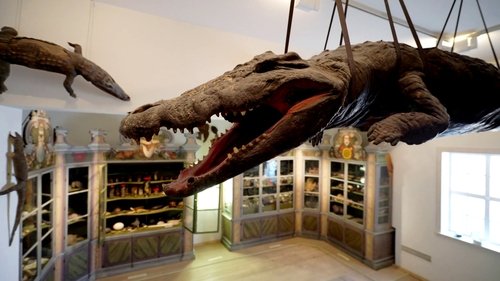
From the cabinets of curiosities created in Italy during the 16th century to the prestigious cultural institutions of today, a history of museums that analyzes the social and political changes that have taken place over the centuries.
A documentary series from Channel 4, hosted by professor Richard Dawkins, well-known darwinist. The series mixes segments on the life and discoveries of Charles Darwin, the theory of natural selection and evolution, and Dawkins' attempts at convincing a group of school children that evolution explains the world around us better than any religion.
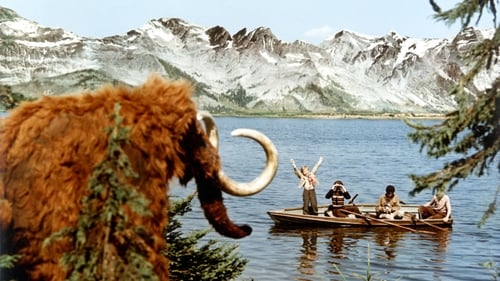
Four schoolboys go on an awe-inspiring expedition back through time, where they behold landscapes and creatures that have long since vanished from the earth.
The Scorpions belong to the oldest land-based arachnides with over 1800 different species known to exist. Usually, they do not surpass the size of 10cm in length, but exceptions are know, such as the Emperor Scorpion (Pandinus imperator) which can grow up to become over 20cm in size. Scorpions are mostly active at night and hide away during the day. Take a look into the live of these amazing creatures!
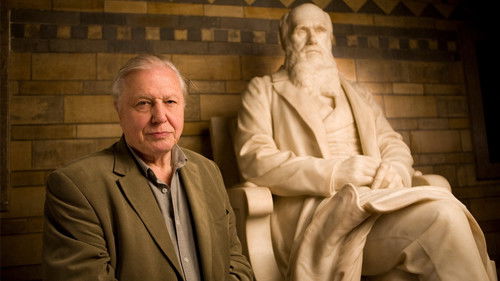
Darwin's great insight – that life has evolved over millions of years by natural selection – has been the cornerstone of all David Attenborough’s natural history series. In this documentary, he takes us on a deeply personal journey which reflects his own life and the way he came to understand Darwin’s theory.

Featuring Michael Pollan and based on his best-selling book, this special takes viewers on an exploration of the human relationship with the plant world — seen from the plants' point of view. Narrated by Frances McDormand, the program shows how four familiar species — the apple, the tulip, marijuana and the potato — evolved to satisfy our yearnings for sweetness, beauty, intoxication.

Zoo-archeologists, biologists, ethologists and geneticists are leading the investigation. For one thing is certain, the dog is still far from revealing all its secrets.