
Action
Adventure
Animation
Comedy
Crime
Documentary
Drama
Family
Fantasy
History
Horror
Music
Mystery
Romance
Science Fiction
Thriller
War
Western
Found 22 movies, 20 TV shows, and 0 people
Can't find what you're looking for?
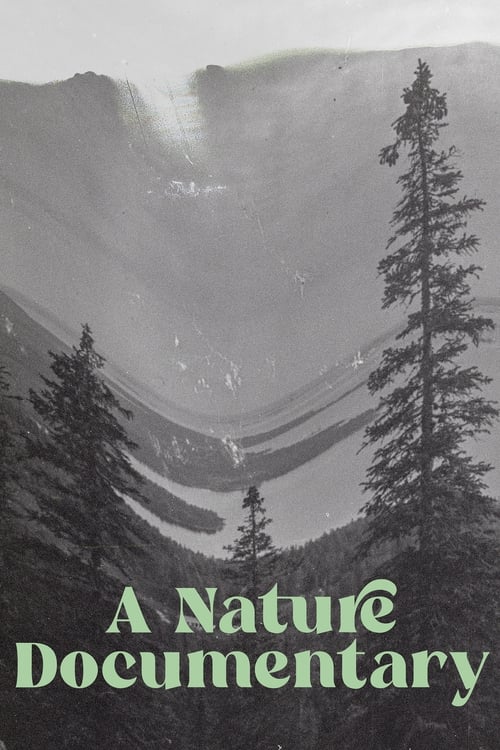
Seasons change and decades pass as bears roam in the forest and nature photographers wait at their hides.

Melanie Bonajo’s video installation Progress vs Sunsets: Reformulating the Nature Documentary is the second work in a trilogy focusing on the effects of technological advances on vulnerable, marginalized groups. While the first installation in the series concentrates on the elderly, Progress vs Sunsets invites children to consider the ways that viral animal photos and videos have redefined the relationships between humans, wildlife, and the environments they share. Bonajo asks which voices are ignored during processes of growth and development, and draws attention to the extinctions and casualties that are the inevitable side effects of innovation. She approaches her work from an intuitive, feminist point of view, emphasizing the importance of process over product, and casting doubt on narratives of progress.
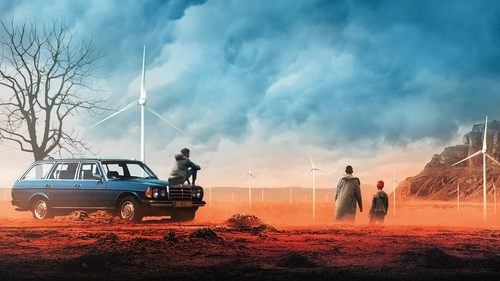
In a dystopian 2054, three young rebels go on a journey to find traces of the long lost beauty of nature, hoping to discover what happened to their planet.
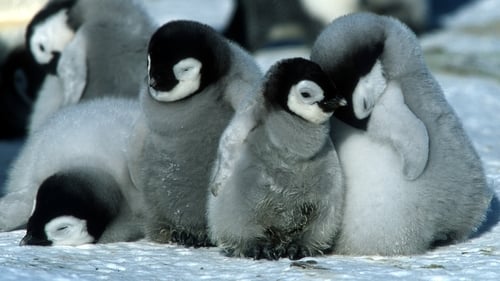
Every year, thousands of Antarctica's emperor penguins make an astonishing journey to breed their young. They walk, marching day and night in single file 70 miles into the darkest, driest and coldest continent on Earth. This amazing, true-life tale is touched with humour and alive with thrills. Breathtaking photography captures the transcendent beauty and staggering drama of devoted parent penguins who, in the fierce polar winter, take turns guarding their egg and trekking to the ocean in search of food. Predators hunt them, storms lash them. But the safety of their adorable chicks makes it all worthwhile. So follow the leader... to adventure!!
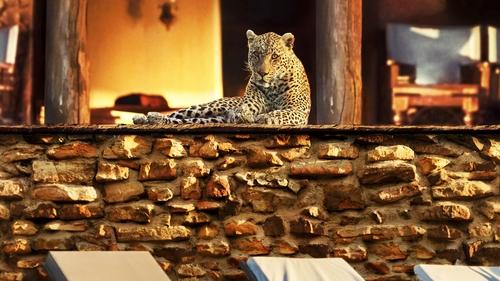
Never-before-seen footage shows how our living in lockdown opened the door for nature to bounce back and thrive. Across the seas, skies, and lands, Earth found its rhythm when we came to a stop.

Do animals have feelings? Empathy even? A documentary with some insights due to advancing technology.
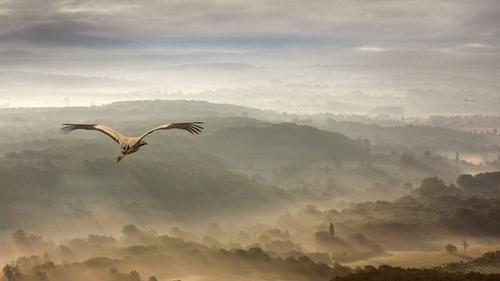
Jacques Perrin and Jacques Cluzaud travel throughout Europe to film brown bears, wild horses, wolves and other animals in their natural habitat.
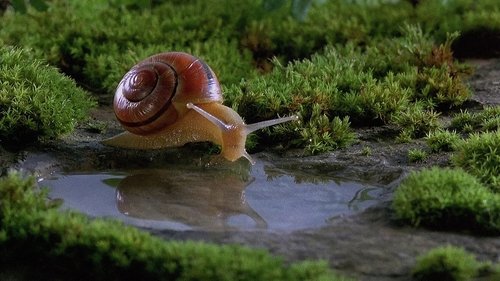
A documentary of insect life in meadows and ponds, using incredible close-ups, slow motion, and time-lapse photography. It includes bees collecting nectar, ladybugs eating mites, snails mating, spiders wrapping their catch, a scarab beetle relentlessly pushing its ball of dung uphill, endless lines of caterpillars, an underwater spider creating an air bubble to live in, and a mosquito hatching.
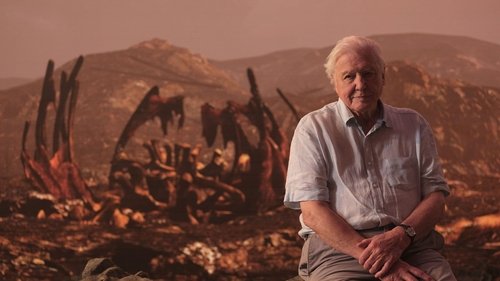
David Attenborough brings to life, in unprecedented detail, the last days of the dinosaurs. Palaeontologist Robert DePalma has made an incredible discovery in a prehistoric graveyard: fossilised creatures, astonishingly well preserved, that could help change our understanding of the last days of the dinosaurs. Evidence from his site records the day when an asteroid bigger than Mount Everest devastated our planet and caused the extinction of the dinosaurs. Based on brand new evidence, witness the catastrophic events of that day play out minute by minute.
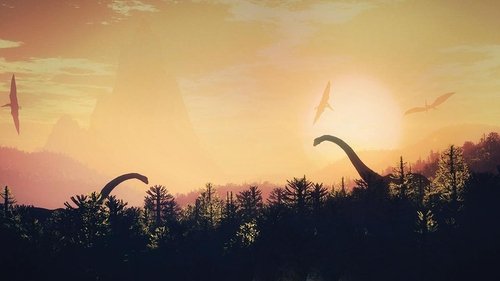
Five times, Earth has faced apocalyptic events that swept nearly all life from the face of the planet. What did these prehistoric creatures look like? What catastrophes caused their disappearance? And how did our distant ancestors survive and give rise to the world we know today?
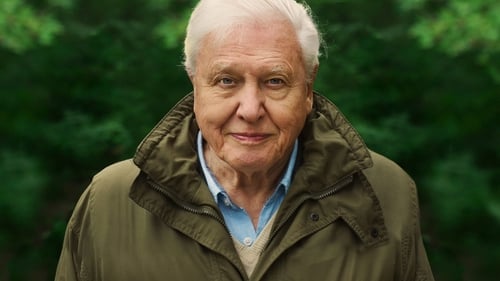
The story of life on our planet by the man who has seen more of the natural world than any other. In more than 90 years, Attenborough has visited every continent on the globe, exploring the wild places of our planet and documenting the living world in all its variety and wonder. Addressing the biggest challenges facing life on our planet, the film offers a powerful message of hope for future generations.
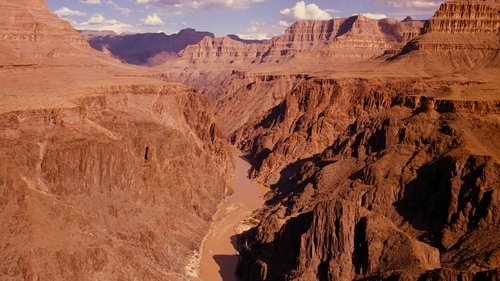
A documentary about a 15-day river-rafting trip on the Colorado River aimed at highlighting water conservation issues.

No description available for this movie.
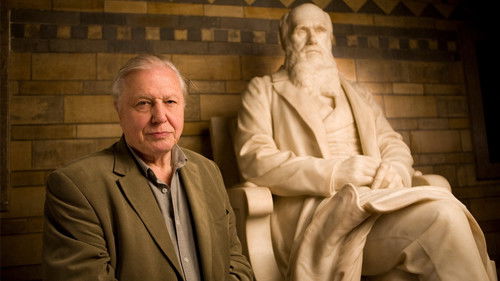
Darwin's great insight – that life has evolved over millions of years by natural selection – has been the cornerstone of all David Attenborough’s natural history series. In this documentary, he takes us on a deeply personal journey which reflects his own life and the way he came to understand Darwin’s theory.
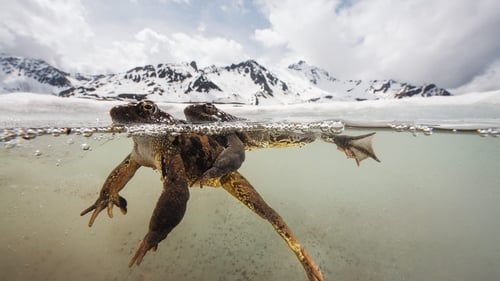
A dive inside a wild land where nature hides some of her greatest secrets: The Alps. Steep slopes, wind swept cutting edge rocks. An air desperately lacking of oxygen. A biting cold. How do living beings adapt to those extreme conditions?
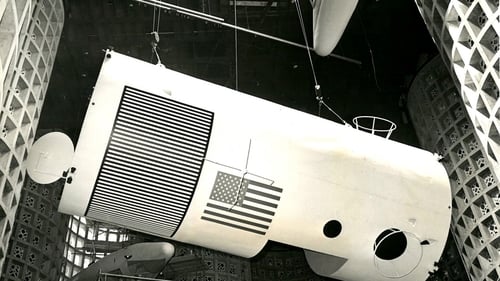
This documentary, the final film directed by Frank Capra, explores America's plans for the future of space exploration. It was produced by the Martin-Marietta Corporation for exhibition in the Hall of Science at the 1964 New York World's Fair.
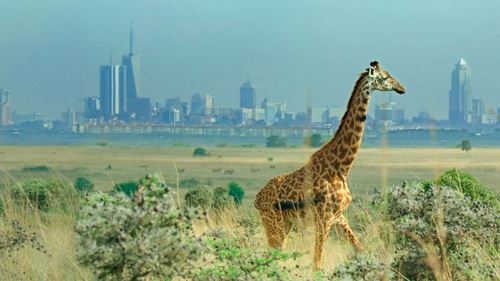
David Attenborough and scientist Johan Rockström examine Earth's biodiversity collapse and how this crisis can still be averted.
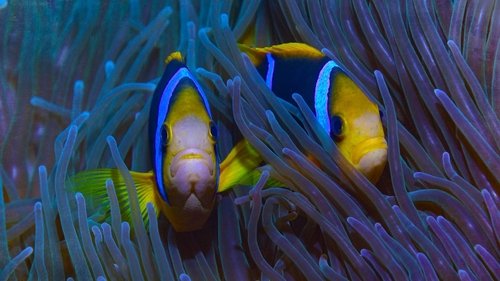
The documentary follows leaders and community members from the tropical Pacific island nation who are making bold changes to move the needle on marine protection. With a population of under 2,000 people and a marine reserve covering 40% of its waters, Niue has demonstrated the ways in which traditional knowledge and contemporary science can live in harmony for the benefit of people and the planet.
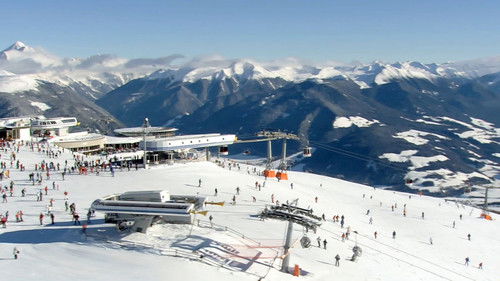
The most important mountain range in Europe is more than a holiday destination for sports and relaxation. The Alps are not just an unpredictable force of nature against which humans have to assert themselves again and again, or an area steeped in history, but also a landscape that enchants. The documentary takes a foray through the history and geography of the Alps.
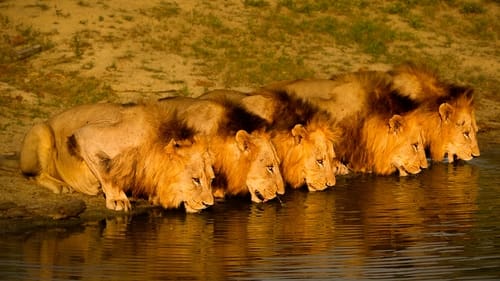
This is a powerful documentary, filmed over a 16 year span, about the rise of a Coalition of six lions, branded The Mapogo Lions, and their takeover of the largest territory by a pride.
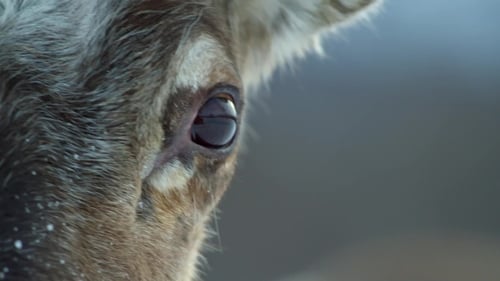
In a seasonal special, Gordon Buchanan meets the animals who live in nature's winter wonderlands. He reveals their survival secrets, from the polar bear mother who gives her cubs the best possible start in life to the owl that finds food hidden beneath a blanket of snow, plus the plucky penguins that huddle together to keep warm. Gordon also unwraps the lives of our favourite Christmas characters - those wonderful reindeer and our very own robin redbreast!
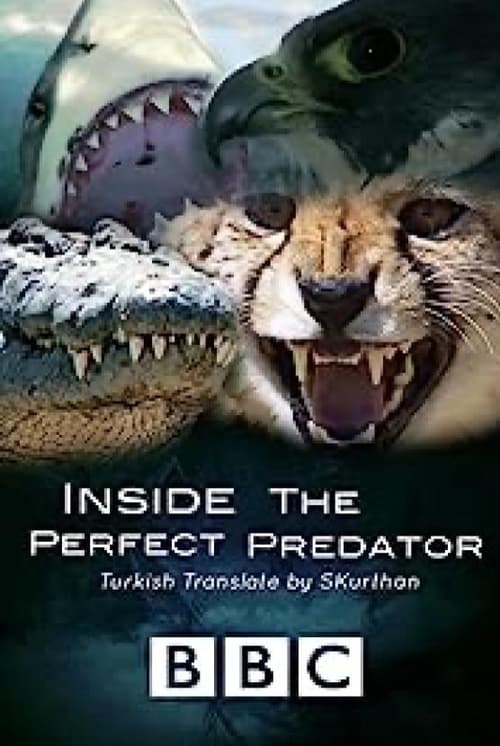
Four top predators are compared, each champion in a type of environment, with key adaptations. On the ground, the cheetah outruns prey (approached in masterly stealth) and enemies. In the air, the peregrine falcon is a flight and diving machine. In sweet water, the Nile crocodile survives since the Dino age, without natural enemies, with several amazing metabolism stunts. Lurking under water, it snaps blindly at migrating wildebeest, then waits underground. In the oceans, the equally ancient shark, notably the great white, migrates seasonally to find abundant prey, such as young seals around South Africa.