
Action
Adventure
Animation
Comedy
Crime
Documentary
Drama
Family
Fantasy
History
Horror
Music
Mystery
Romance
Science Fiction
Thriller
War
Western
Found 47 movies, 8 TV shows, and 4 people
Can't find what you're looking for?
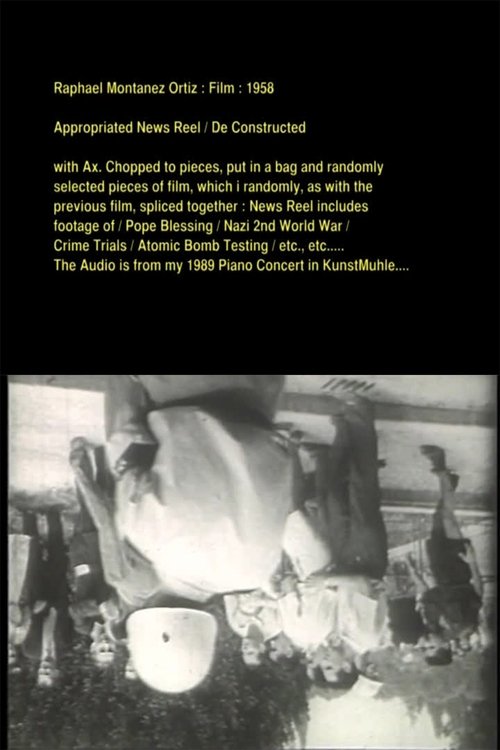
Randomly spliced pieces of a newsreel featuring notable news from 1946.
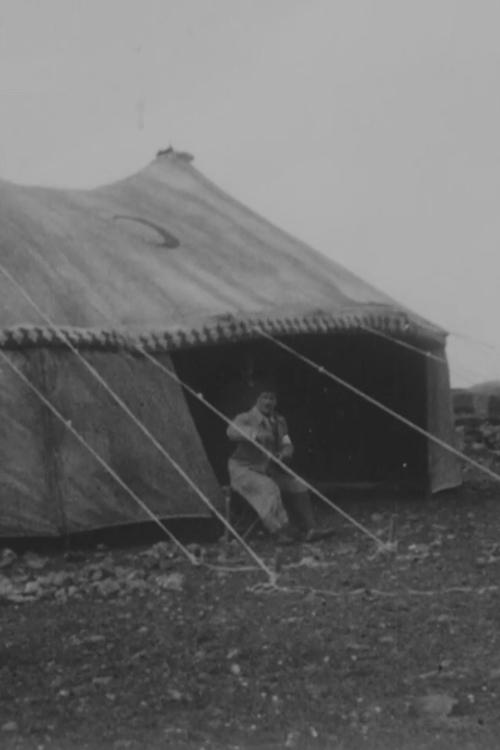
A footage from Gaumont Graphic Newsreel shows a tent of the Turkish Red Crescent.
Break and Enter documents Operation Move In and the New York squatter’s movement in the 1970s. In 1970, several hundred Puerto Rican and Dominican families reclaimed housing left vacant by the city. They pulled the boards off the doors, cleaned and repaired the buildings and moved in.
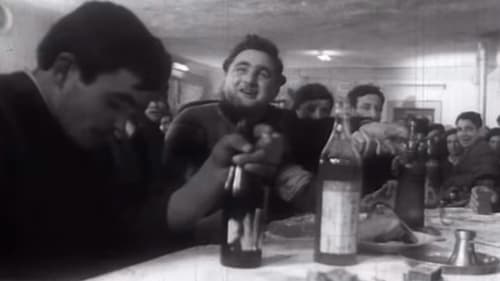
Story follows a weekend in a village where young adults after a hard working week let there steam off in taverns eating, drinking, singing, breaking glasses and occasionally other things every Sunday.
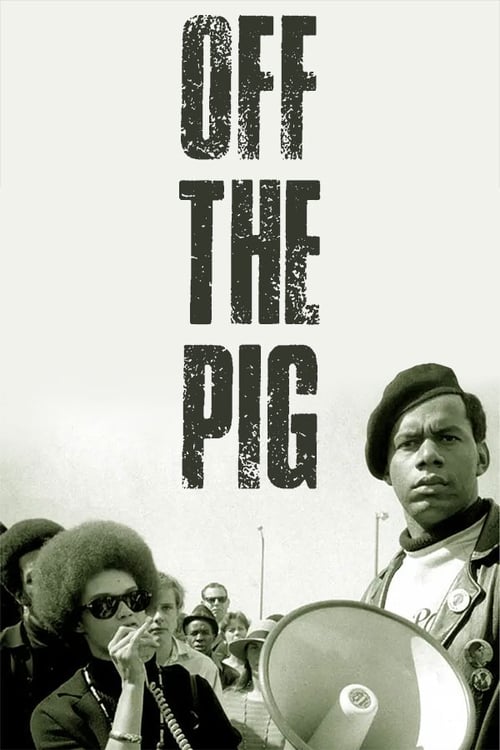
A compelling document of the Black Panther Party leadership in 1967. This film contains a prison interview with Minister of Defense Huey P. Newton as well as an interview with Minister of Information Eldridge Cleaver, footage of the aftermath of the police assault against the Los Angeles Chapter headquarters, demonstrations to free Huey at Hutton Memorial Park and the Alameda County Court House and a recitation of the party's Ten-Point Platform by co-founder Bobby Seale. Newsreel's 19th, and one of their most widely distributed films, it was originally released as "Off the Pig," but has since seen release under the name Black Panther. This short film features drawings from activist artist Emory Douglas.
Newsreel magazine from December 1951.
Newsreel magazine dated June 1953.
Newsreel 62 reflects on the participation of two Syrian artists in a 1966 Yugoslavian art show celebrating the Universal Declaration of Human Rights, showcasing the relative ease with which objects (as opposed to people) can pass across borders.
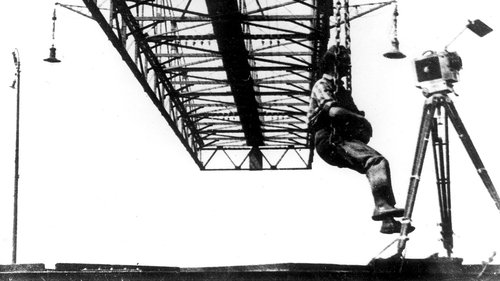
Dziga Vertov-directed Soviet newsreel covering: Arts and crafts exhibition / Actions against hunger / Eisenstein's first film "Dnevnik Glumova" ("Glumov's Diary") / Young Pioneers / May 1, parades
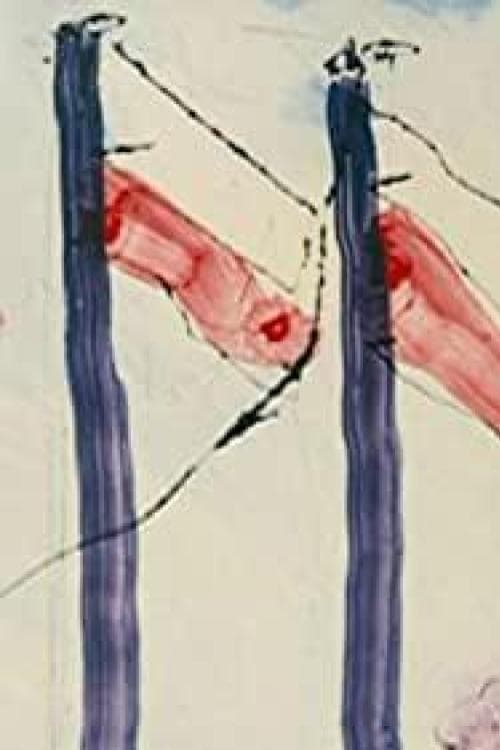
First edition of an animated newsreel containing - in the manner of newsreels - the latest news from the country and the world: "Polish economy in the grip of krill", "Oil spill in Karlin", "U-25 mystery deciphered", "Sensational-secession photoplasticon liquidated", "Situation in space".
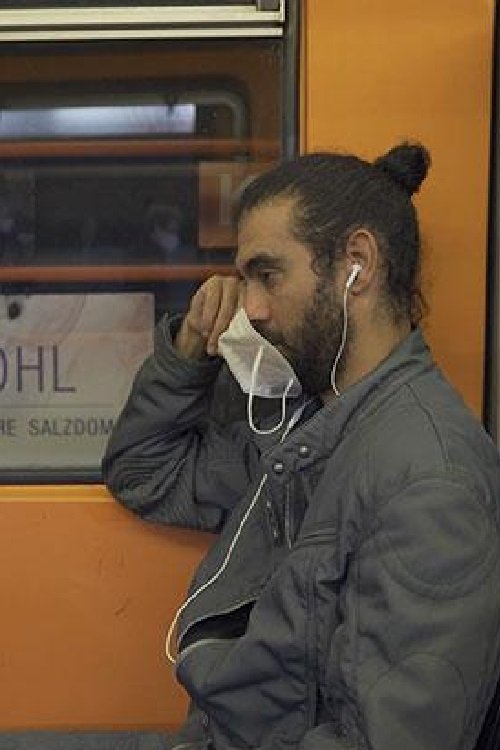
The film presents a portrait of Zied Abdellaoui who – seeking a better life – came to Austria through the Balkan route. He walked 4517km, experienced 26 illegal push-backs, several violent abuses and now resides without documents in Austria.

In Yugoslavia in 1947, 211,000 of the country's young people, joined by 5,735 from abroad, worked with great enthusiasm building the 242 kilometer railroad between Sarajevo and Samac. A newsreel from the period shows them toiling away with spades, pickaxes and shovels to complete the job in just seven months. Newsreel 242-Sunny Railways is both a tribute to these idealistic young people and an elegy for the loss of hope for a better world. "The visions of the future suffocated in the rivers of blood and mass graves," we hear in voice-over, referring to the bloody breakup of Yugoslavia and to a broader context. The railroad, laid over the rubble of the Second World War, damaged during the Bosnian War, and neglected in the new millennium now looks like the ruins of some ancient civilization. This documentary essay argues that the story of the railroad harbors enduring ideas for a world beyond capitalism, and that we must rediscover the values of times past.

"Fighting the Snow", which was subsequently also known as "Blizzard" represents a double feature, 6&7, of the "Actualitatea în Imagini" series. Directed by Mirel Ilieșu, it was filmed during the rough days of February 1954, when Romania faced a massive blizzard which targeted the capital city, eastern and south-eastern parts of the country, in three waves: 1-14, 17-19 and 22-24 of February. Part of the series made at "Alexandru Sahia" Studios. Awarded newsreel at Karlovy-Vary in 1954.

Red Forests is a rethinking of the erection of the razor wire on the EU borders. It considers and reflects how the razor wire plays a role of a tool of governance and power. Additionally, the film is rethinking the forests along the EU borders – as geographical, natural as well as political spaces – that bear history of clandestine refuge as well as of clandestine solidarity practices.
No description available for this movie.
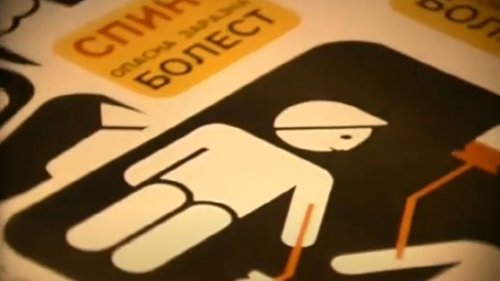
The first film about people living with HIV/AIDS in Bulgaria. А powerful and deeply moving documentary that exposes the harsh treatment faced by people living with HIV/AIDS in Bulgaria at the hands of the state, medical institutions, and society at large. Told through the voices of several HIV-positive men, healthcare professionals (including gay cardiologist Chavdar Dragoychev), and poet Miryana Basheva, the film is a powerful call for compassion and justice.
Celebrates the 500th journal made since August 23rd 1944.

It presents a fragmented glimpse into the life of people on the move hiding in the unofficial camps in the forests on the EU border.

The Newsreel reports on student demonstrations in Belgrade and Ljubljana and on Tito’s response to the riots.

How to relate the first Lumière film about a train to dangerous scenes shot on a smartphone by contemporary refugees hidden between iron wheels? The maker is part of an activist movement striving to revive the independent, critical newsreel efforts of the 1960s and 1970s.
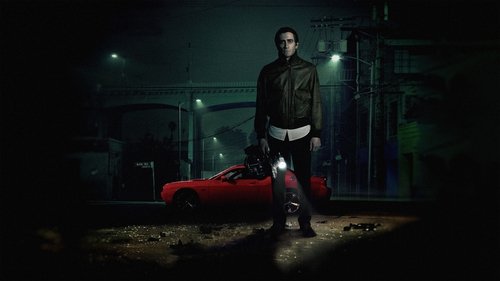
When Lou Bloom, desperate for work, muscles into the world of L.A. crime journalism, he blurs the line between observer and participant to become the star of his own story. Aiding him in his effort is Nina, a TV-news veteran.

A newsreel photographer neglects his love life to get the perfect shot.
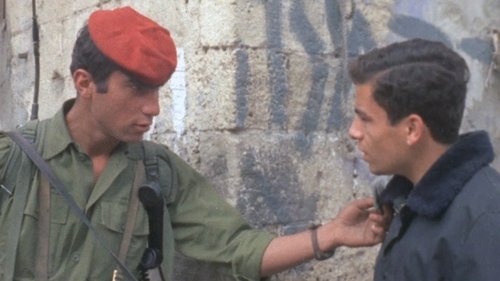
Archival film maestro Göran Hugo Olsson has assembled—from a vast catalogue of footage in the vaults of Sweden’s national television service SVT—accounts of the Israeli-Palestinian conflict as witnessed and represented by Swedish journalists. Stories of the beginning of the Israeli state interwoven with the Palestinian struggle for independence. News coverage with Yasser Arafat and interviews with Israeli foreign minister Abba Eban during a visit to Sweden unseen since first broadcast. From the tenth anniversary of Israel’s founding to the First Intifada, perspectives and encounters with statesmen, civilians, revolutionaries, and intellectuals tell the story from myriad angles of an evolving media landscape, revivifying a history of the ongoing conflict.
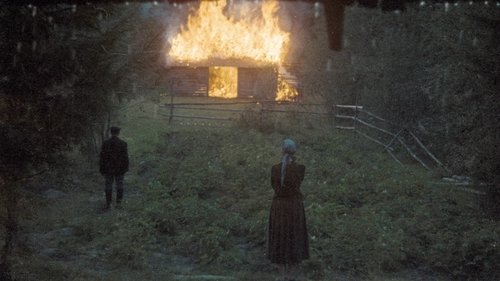
A dying man in his forties recalls his childhood, his mother, the war and personal moments that tell of and juxtapose pivotal moments in Soviet history with daily life.
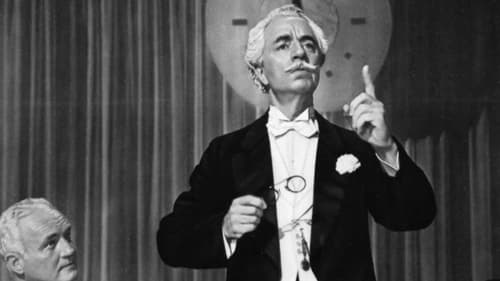
A bumbling, long-winded and crooked Southern senator, considered by some as a dark horse for the Presidency, panics his party when his tell-all diary is stolen.
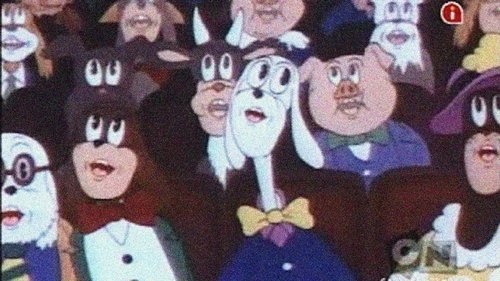
An evening at the local movie theater, including a sing-along led by Maestro Stickoutski at the Mighty Fertilizer organ, a Goofy-Tone newsreel, and the feature, Petrified Florist, featuring caricatures of Bette Davis and Leslie Howard.
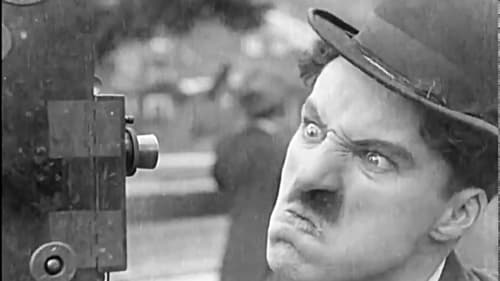
The Tramp interferes with the celebration of several kid auto races in Venice, California (Junior Vanderbilt Cup Race, January 10 and 11, 1914), standing himself in the way of the cameraman who is filming the event.
Newsreel footage from both sides of World War II make a case for convicting Nazi war criminals.

Glamour artist Bob Randolph is world famous for his paintings of a stunning beauty dubbed "The Randolph Girl". What the world doesn't know is that his pin-up creation is really a composite of parts of the anatomy of 12 different models. In an effort to find one girl who possesses all the proper physical attributes, Randolph and PR man Chuck Donovan pursue Ruth Wilson, a beauteous schoolteacher who prefers to be admired for her brain rather than her curves. Ruth changes her tune, however, when a published photo of her in a swimsuit causes her to be fired by the uptight schoolboard. She sues for reinstatement and in the process learns that swimsuits and sex appeal do have a place in her world, after all. Written by Dan Navarro

Featurette about the demise, during the early 1940s, of the once-popular Mr. Moto B-films series that starred Peter Lorre.
President Harding and his wife paying tribute to a group of Indians (Fragment of a longer piece)
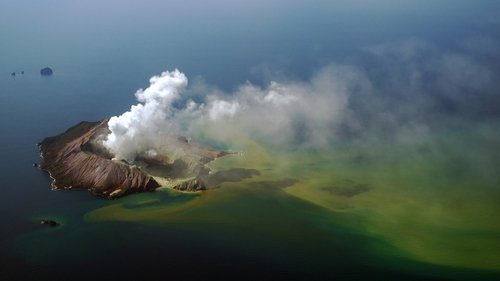
A close examination of the Whakaari / White Island volcanic eruption of 2019 in which 22 lives were lost, the film viscerally recounts a day when ordinary people were called upon to do extraordinary things, placing this tragic event within the larger context of nature, resilience, and the power of our shared humanity.
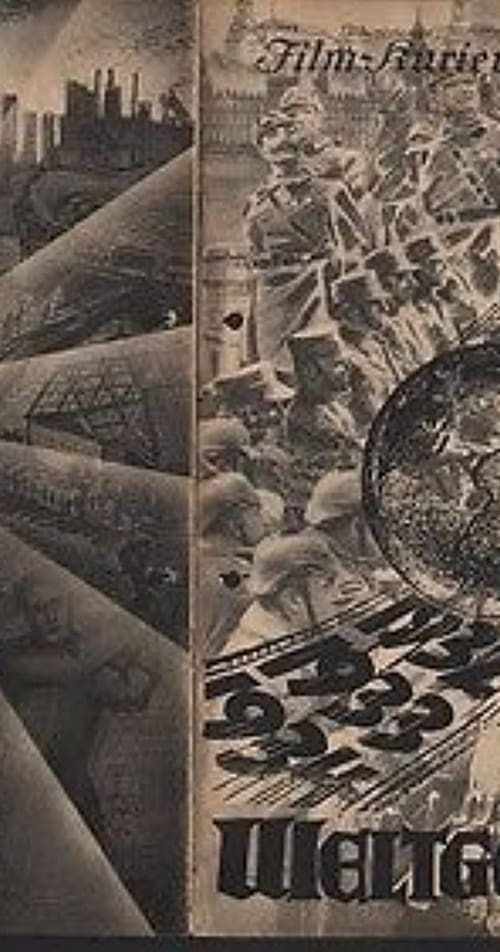
Produced by the Fox Movietone News arm of Fox Film Corporation and based on the book by Lawrence Stallings, this expanded newsreel, using stock-and-archive footage, tells the story of World War I from inception to conclusion. Alternating with scenes of trench warfare and intimate glimpses of European royalty at home, and scenes of conflict at sea combined with sequences of films from the secret archives of many of the involved nations.
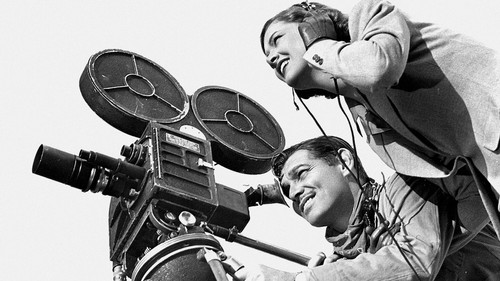
While in Shanghai reporting on the Sino-Japanese war, Chris Hunter, a shrewd news reporter, meets pilot Alma Harding. She does not trust him, but he manages to hire her as his assistant. During an adventurous expedition through the jungles of South America, her opinion of him begins to change.
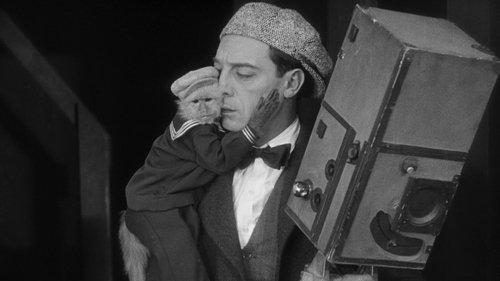
A photographer takes up newsreel shooting to impress a secretary.
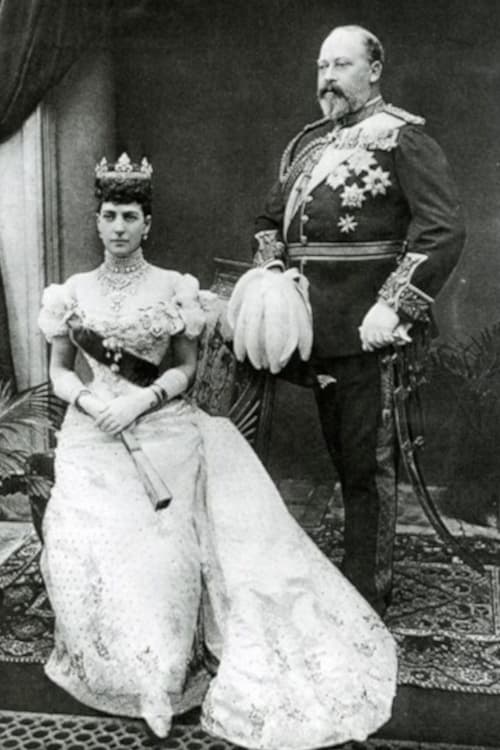
Newsreel coverage of the Prince and Princess of Wales' visit of the 1896 Cardiff Exhibition. Now a lost film, it's considered the first time the British Royal Family was filmed.
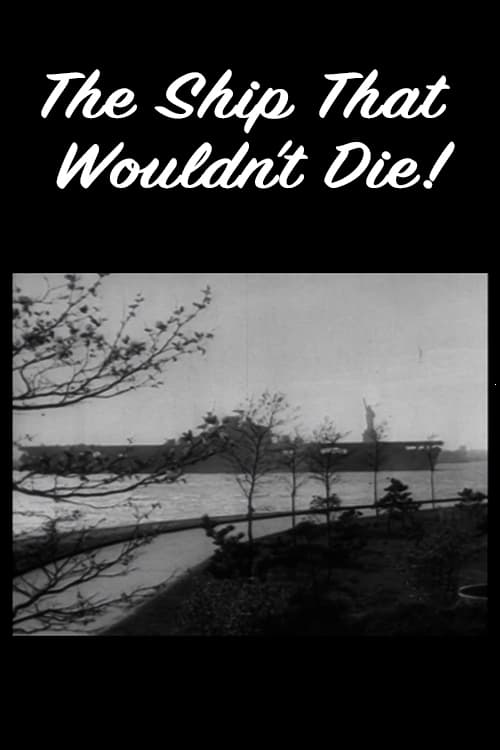
This short film focuses on the USS Franklin, an aircraft carrier that in March 1945 suffered heavy bombing damages and a massive toll on servicemen before returning to the U.S.
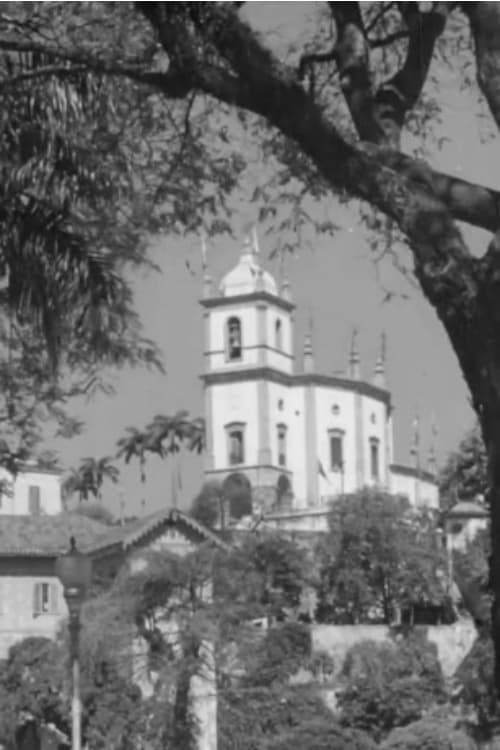
Fest organized by Irmandade do Outeiro Nossa Senhora da Glória with the attendance of president Eurico Gaspar Dutra.
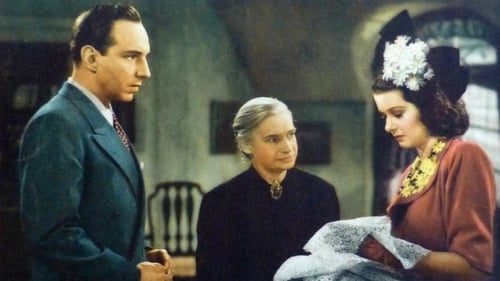
An American vacations in Europe with her husband and watches him turn into a Nazi.
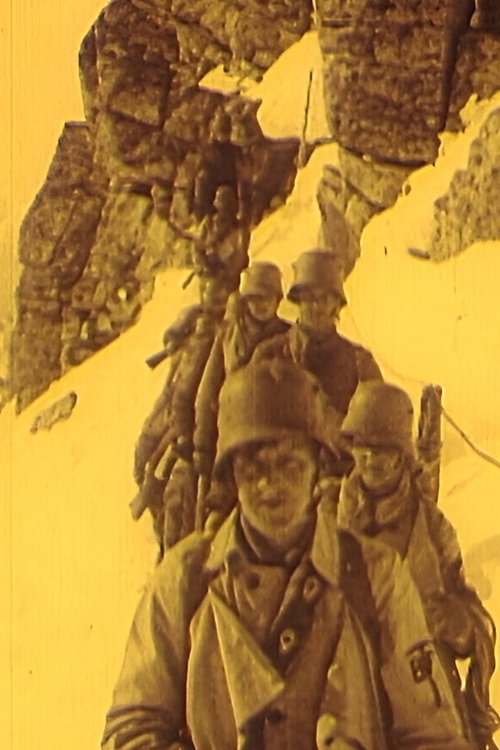
Heroic Struggle in Snow and Ice is a 1917 Austro-Hungarian propaganda newsreel film produced by Sascha-Film for the Imperial and Royal War Press Headquarters. The film is hand-colored and presented in two parts. It depicts the fighting on the Alpine Front between Italy and Austria-Hungary.

In April 1968, black and white students rebelled against the university administration, occupying five buildings, including the president's office in one of the first campus revolts of the Civil Rights/Vietnam War era. The revolt began as a protest against university expansion into neighboring communities and its role as a slum lord. After five days of student control, the administrators and trustees ordered the police to clear the buildings. What resulted was an unprecedented display of brutality and repression. Narrated by one of the student rebels, the detailed eyewitness account of this event galvanized other campus revolts around the country.
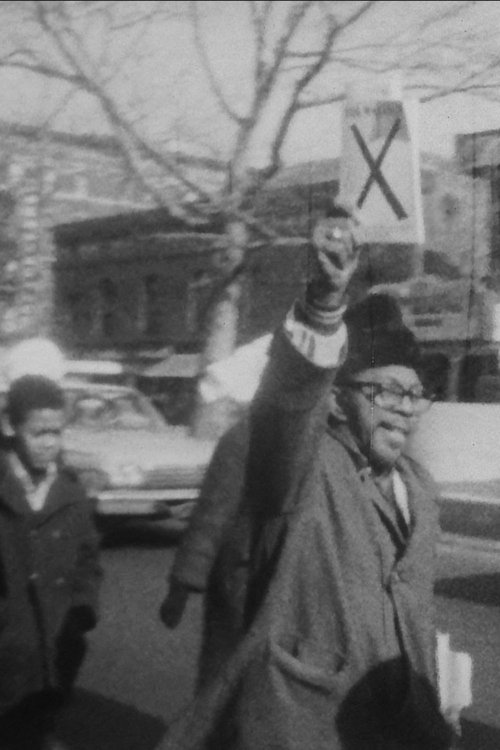
Nine months after the riot. Malcolm X Memorial Services held at I.S. 201 in New York, March 1968, and scenes from Newark, March 1968.
Filmed in Palestine by Newsreel, WE ARE THE PALESTINIAN PEOPLE shows the refugee camps of the Middle East, the rise of the Palestinian Liberation Movement and Israel's relation ship to the Western imperialism. There is footage of the guerrillas in training, and interviews with Palestinian leaders and militants who work in many programs of the liberation struggle of the time.
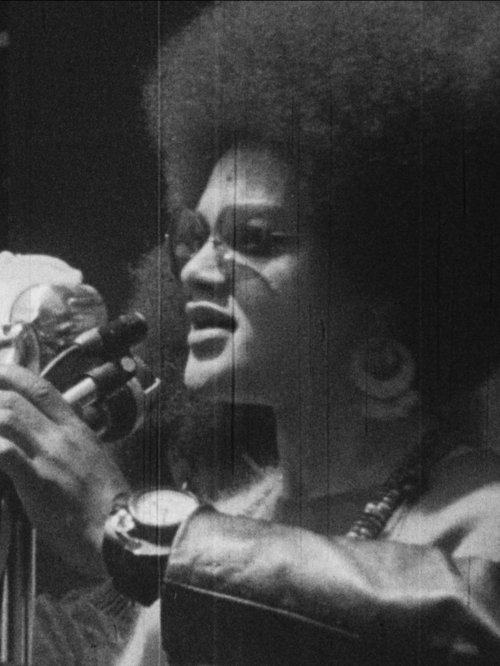
This film documents a rally in San Francisco sponsored by the Black Panther Party. Kathleen Cleaver, Bobby Seale, and other speakers addressed thousands of protesters demanding more rights for African Americans and calling for the release of Huey P. Newton.

This film is about the oppression of the Third World community in the Mission district of San Francisco, specifically seven Latino youths who were recruiting street kids into a college Brown Studies Program. Accused of killing a plainclothesman, they became victims of a press and police campaign to "clean-up" the Mission. Their defense became the foundation of a revolutionary community organization called Los Siete.
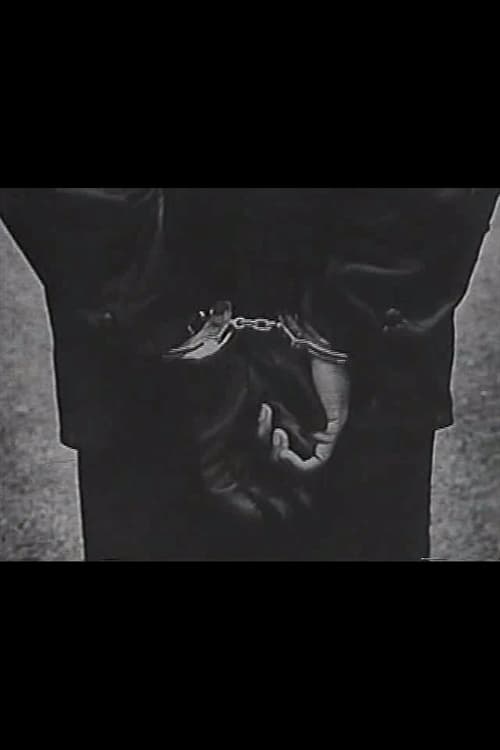
The important L.A. Newsreel film about the Black Panthers that was rediscovered and written about by USC professor David James. Featured in the film is rare footage of many of the important West Coast Panthers such as Masai Hewitt, David Hilliard, Alprentice “Bunchy” Carter, Eldridge Cleaver, John Huggins, and as well as footage of the aftermath of the LAPD raid on the Los Angeles Panther Headquarters. Musically the film begins with the opening jazz music by Ornette Coleman and later features the call to arms anthem, “The End of Silence” written and sung by Panther Elaine Brown.
An experimental super 8 short comprising of footage from the Oakland Commune that is typically only screened in encampments/occupations.