
Action
Adventure
Animation
Comedy
Crime
Documentary
Drama
Family
Fantasy
History
Horror
Music
Mystery
Romance
Science Fiction
Thriller
War
Western
Found 20 movies, 0 TV shows, and 0 people
Can't find what you're looking for?
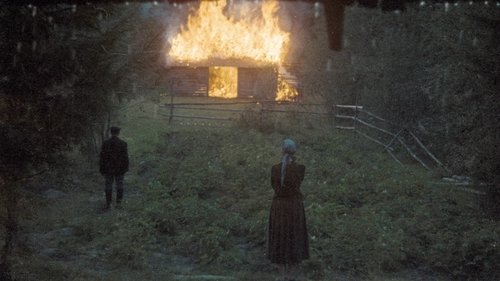
A dying man in his forties recalls his childhood, his mother, the war and personal moments that tell of and juxtapose pivotal moments in Soviet history with daily life.
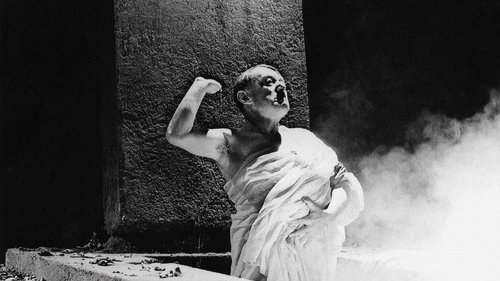
A structure-free, four-part examination of the rise and fall of the Third Reich. Each part explores a different topic, from Hitler's cult of personality in propaganda to how said propaganda was associated with pre-Nazi German cultural, spiritual, and national heritage to the Holocaust and the ideology behind it, particularly from Himmler's point of view.
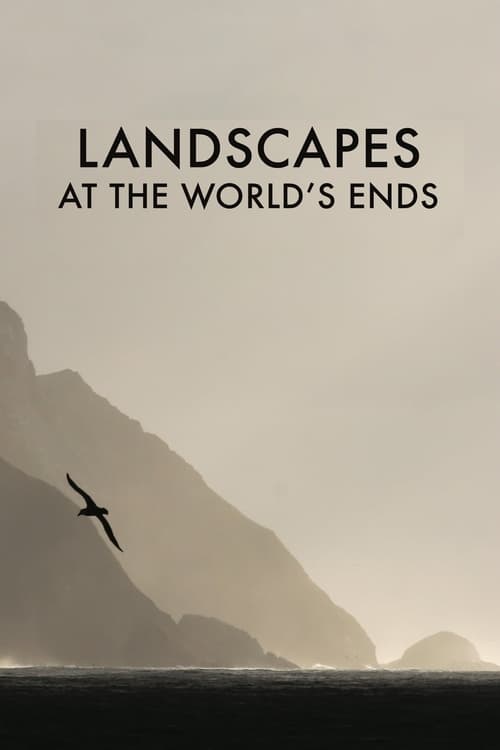
A non-verbal visual journey to the polar regions of our planet portrayed through a triptych montage of photography and video. Landscapes at the World's Ends is a multi-dimensional canvas of imagery recorded above the Arctic Circle and below the Antarctic Convergence, viewed through the lens of whom is realistically an alien in this environment, the polar tourist. Filmed during several artist residencies on-board three expedition vessels, New Zealand nature photographer and filmmaker Richard Sidey documents light and time in an effort to share his experiences and the beauty that exists over the frozen seas. Set to an ambient score by Norwegian Arctic based musician, Boreal Taiga, this experimental documentary transports us to the islands of South Georgia, the Antarctic Peninsula, Greenland and Svalbard. Landscapes at the World's Ends is the first film in Sidey's Speechless trilogy, and is followed by Speechless: The Polar Realm (2015) and Elementa (2020).
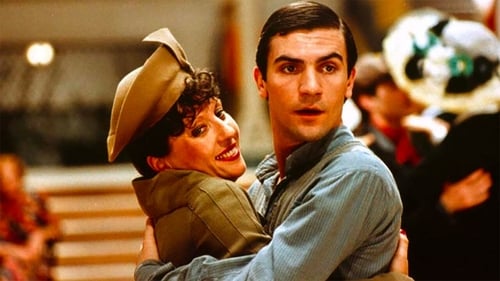
In a French nightclub, choreographed song and dance routines are performed, rather than a streamlined narrative. They tell the story of Parisian culture and politics from the 1920s—1980s. A disparate, anachronistic series of characters, including an ordinary waiter, a Nazi collaborator, resistance fighters, and 1960s student protestors gather to celebrate and satirize 20th century France's icons, demons, and social changes.
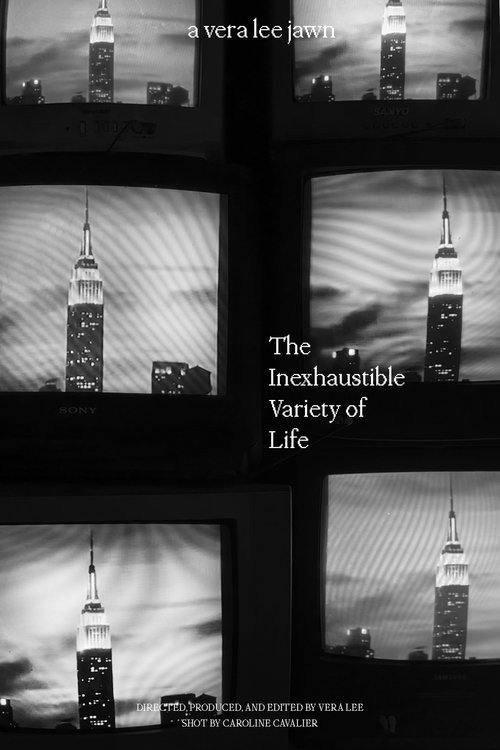
A conversation between reality and consciousness.

"Beyond Noh" rhythmically animates 3,475 individual masks from all over the world, beginning with the distinctive masks of the Japanese Noh theater and continuing on a cultural journey through ritual, utility, deviance, and politics.
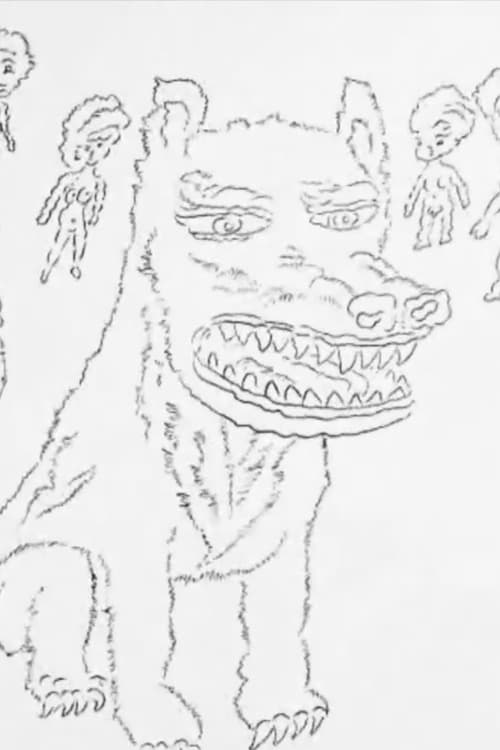
A 5 minute, 2D, straight-ahead animated film by Bruce Bickford.
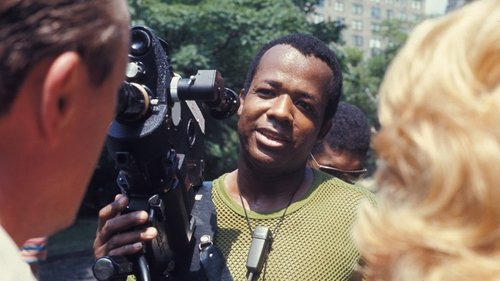
In Manhattan's Central Park, a film crew directed by William Greaves is shooting a screen test with various pairs of actors. It's a confrontation between a couple: he demands to know what's wrong, she challenges his sexual orientation. Cameras shoot the exchange, and another camera records Greaves and his crew. Sometimes we watch the crew discussing this scene, its language, and the process of making a movie. Is there such a thing as natural language? Are all things related to sex? The camera records distractions - a woman rides horseback past them; a garrulous homeless vet who sleeps in the park chats them up. What's the nature of making a movie?

Rudra has come back one morning, has return to his friend Saruar's home. He had disappeared from home leaving no cue, a year ago. Saruar first came to know about Rudra's disappearance in Rudra's mother's call. Then he had gone to Rudra's home and saw how his agitated parents and elder brother were tracing out reasons of his desertion. Rudra do not answer any of these questions of Saruar now. He become immutable and eloquent. He only replies that he is tired and cinema experience Rudra's exhaustion from this world's journey in a non-narrative way. Rudra's consciousness become aware of a bigger crisis. Rudra just express interest to go to sleep for a while.
AGAINST FILIAL PIETY ponders one of the oldest Chinese beliefs; the gravest offense of filial piety is not to have offspring to carry on the family name and blood. The film also relates to feelings of failure in not being able to fulfill the filial responsibility. This five minute, single framed, 16mm experimental film includes the word “barren” from 34 different written languages, which were extracted from dictionaries. The individual word or symbol disintegrates as it being enlarged to resemble landscapes or graphic shapes. The colorful technical drawing s of human anatomy and the cycle of childbirth are combined and contrasted against the monotone enlargement of Xerox copies of the word “barren” which breaks up and converges through out the progression of film.

how i prefer to remember things
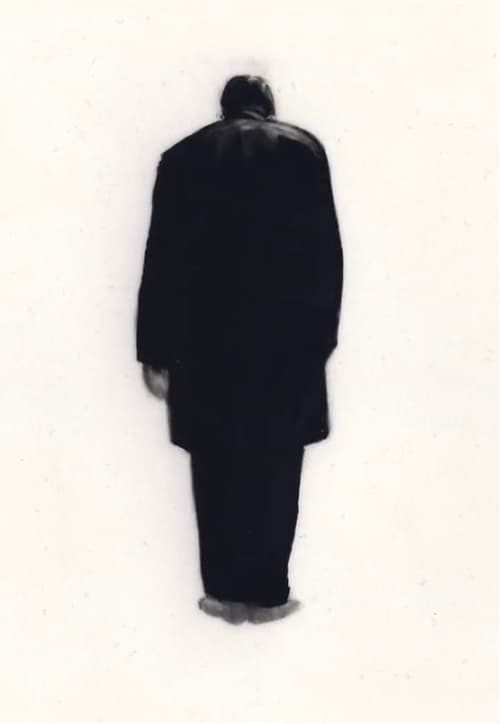
Iwasaki’s ink oscillates like an evil lava lamp that might actually be alive and its progression into more and more disturbing images create an impressive sense of dread in a film that is basically just some pencil drawings on a blank background. (Film School Rejects)

No description available for this movie.
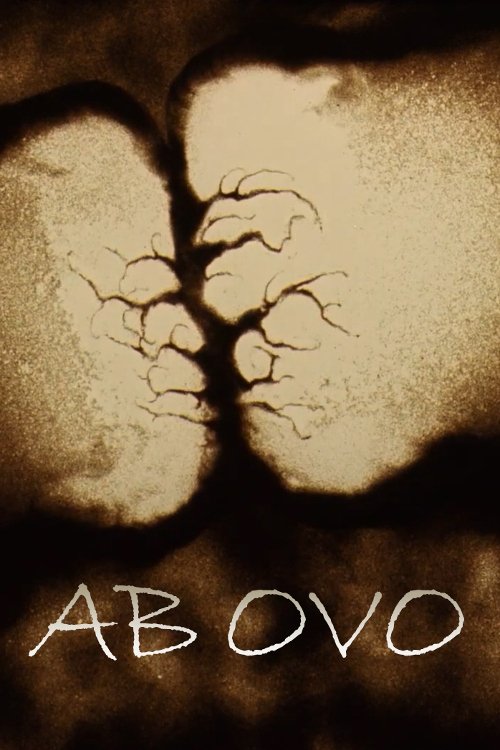
A non-narrative film thematising the eternal struggle of human life in a series of scenes connected by associations and accompanied by a strong music motif.
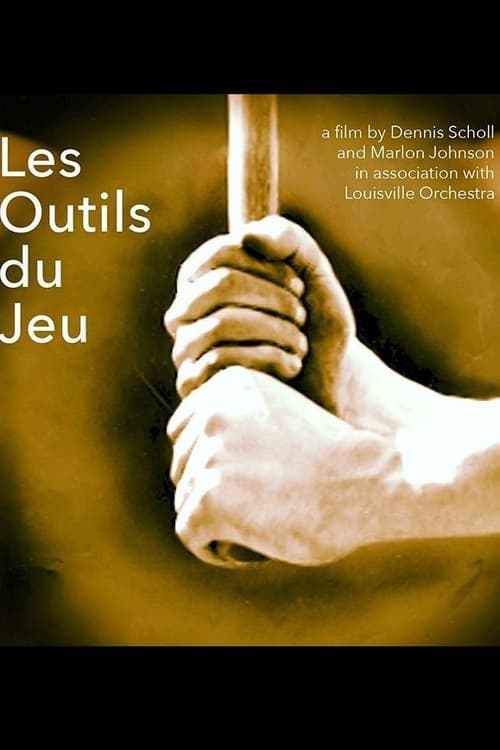
This non-narrative short film examines one of the great American icons: the Louisville Slugger baseball bat. The film was conceived by its co-directors, Marlon Johnson and Dennis Scholl, along with the Louisville Orchestra's conductor, Teddy Abrams, to be screened set to a live performance by the orchestra of Claude Debussy's "Jeux".

A constant journey from outer space to a town in Norway, where we encounter small pieces of people’s lives.
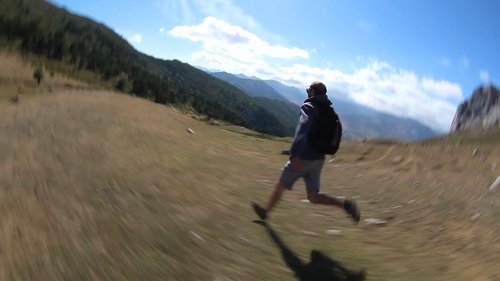
A cinematic journey through the world. Non-verbal.

A dedicated bird watcher observes a hawk and journeys to the limits of what it means to be human.
A secluded house in the countryside. And in it? A family cocktail of love, care, shared history and all kinds of gadgets and unfinished things. Or a space for living out the rest of one’s life peacefully.
A boy conjures the stars out of yogurt.