
Action
Adventure
Animation
Comedy
Crime
Documentary
Drama
Family
Fantasy
History
Horror
Music
Mystery
Romance
Science Fiction
Thriller
War
Western
Found 40 movies, 1 TV show, and 0 people
Can't find what you're looking for?
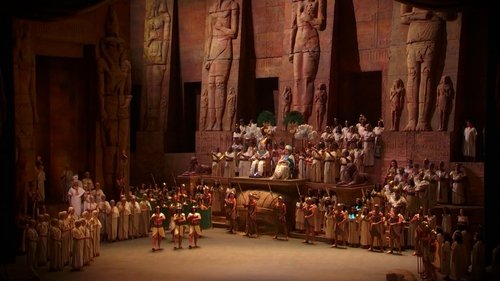
The Met’s spectacular production of Verdi’s Egyptian epic captures both the grandeur and the intimacy of this powerful tale of love and politics. Liudmyla Monastyrska is Aida, the Ethiopian princess-turned-slave in love with the Egyptian warrior Radamès, sung by Roberto Alagna. Olga Borodina is her rival, Amneris, daughter of the Pharao, and George Gagnidze sings Aida’s father, Amonasro, the King of Ethiopia. Principal Conductor Fabio Luisi is on the podium.
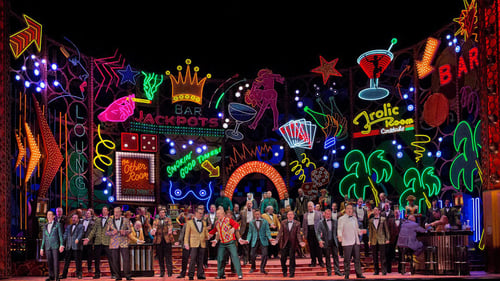
Michael Mayer’s acclaimed production, first seen in the 2012–13 season, sets the action of Verdi’s masterpiece in 1960 Las Vegas—a neon-lit world ruled by money and ruthless, powerful men. Piotr Beczała is the Duke, a popular entertainer and casino owner who will stop at nothing to get what he wants. Željko Lučić sings Rigoletto, his sidekick and comedian, and Diana Damrau is Rigoletto’s innocent daughter, Gilda. When she is seduced by the Duke, Rigoletto sets out on a tragic course of murderous revenge. Štefan Kocán is the assassin Sparafucile and Michele Mariotti conducts.
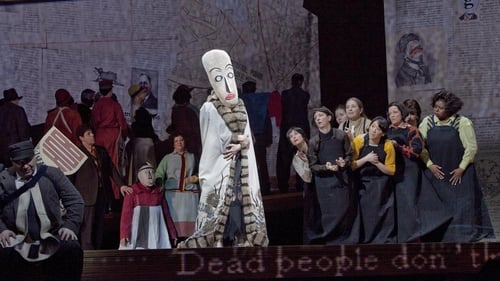
Acclaimed artist William Kentridge directed and designed this visually dazzling Met premiere production of Shostakovich’s satirical opera, adapted from the classic short story by Nikolai Gogol. Baritone Paulo Szot leads the cast as Kovalyov, the hapless bureaucrat whose nose has mysteriously gone missing. Alexander Lewis and Andrey Popov co-star, and Pavel Smelkov conducts.
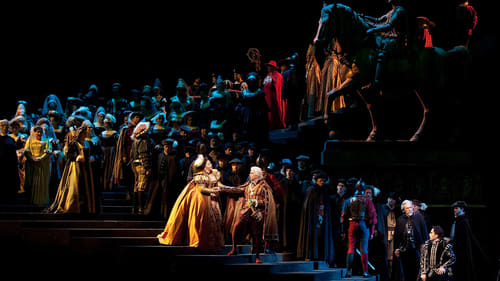
Rising Met star Angela Meade is Elvira, the young woman caught between three men: her lover, the nobleman-turned-outlaw Ernani (Marcello Giordani); her guardian, the rich, elderly de Silva, who wants her for himself (Ferruccio Furlanetto); and Don Carlo, the King of Spain, who also desires Elvira (Dmitri Hvorostovsky). Verdi’s early drama is full of sweeping melody and rousing rhythms, delivered masterfully by the Met Orchestra and Chorus conducted by Marco Armiliato.

Rossini's "Le Comte Ory" tells the story of a libidinous and cunning nobleman who disguises himself first as a hermit and then as a nun in order to gain access to the virtuous Countess Adele, whose brother is away at the Crusades. The 2011 Met production was directed by Tony Award winner Bartlett Sher, who presented the action as an opera within an opera, updating the action by a few centuries and giving the costume designer, Catherine Zuber, the opportunity to create some particularly extravagant headgear. Juan Diego Florez starred as the title role while Diana Damrau plays Countess Adele, and Joyce DiDonato was in breeches as his pageboy Isolier. Conducted with verve and finesse by Maurizio Benini, the production also features the stylish French baritone Stephane Degout as Ory's bibulous conspirator Raimbaud, charismatic Italian bass Michele Pertusi as the Count's long-suffering Tutor, and, formidable as Adele's housekeeper Ragonde, the Swedish dramatic mezzo Susanne Resmark.
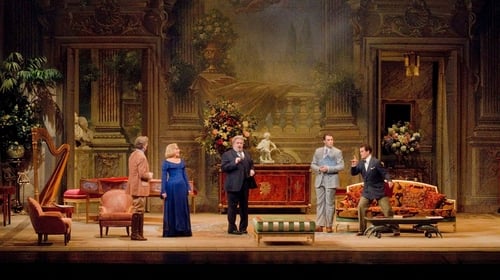
Renée Fleming is Countess Madeleine, the beautiful, enigmatic woman at the center of Strauss’s sophisticated “Conversation Piece for Music.” She is being courted by two men: Joseph Kaiser sings the composer, Flamand, and Russell Braun is Olivier, the poet. The stellar cast also includes Peter Rose as the theater director La Roche, Sarah Connolly as the actress Clairon, and Morten Frank Larsen as the Countess’s brother. John Cox’s elegant production places the action in the 1920s. Andrew Davis conducts.
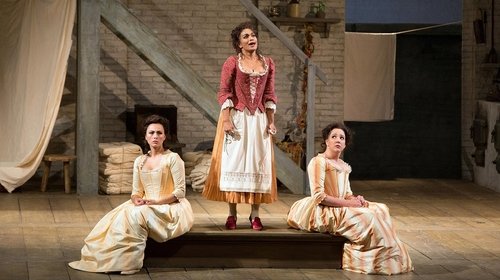
Met Music director James Levine conducts a cast of youthful stars in Mozart’s sophisticated comedy about testing the ties of love. Susanna Phillips and Isabel Leonard are the sisters Fiordiligi and Dorabella, who are led to believe their fiancés have gone off to war. Matthew Polenzani and Rodion Pogossov are Ferrando and Guglielmo, the lovers who return in disguise to test their girls' fidelity. Danielle de Niese sings the scheming maid Despina and Maurizio Muraro is Don Alfonso, the philosopher and mastermind pulling the strings.
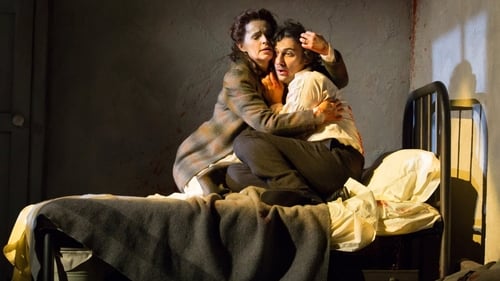
Star tenor Jonas Kaufmann brings aching intensity and vocal charisma to the tortured title hero of Massenet’s Goethe adaptation. Sophie Koch, in her Met debut, is an appealing and elegant Charlotte, the object of Werther’s passionate affection that will lead to tragedy. Lisette Oropesa as Sophie, David Bižić as Albert, and Jonathan Summers as Le Bailli co-star. Richard Eyre’s atmospheric production is conducted by rising maestro Alain Altinoglu.
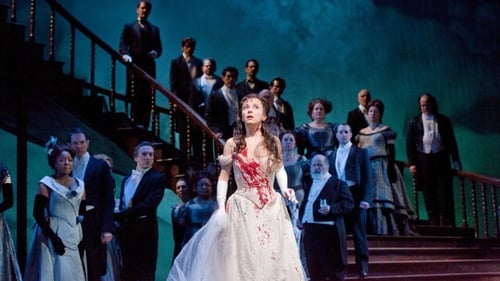
The tragic tale of "the bride of Lammermoor" has always been a favorite of opera-goers and sopranos alike. Yet with the riveting singing actress Natalie Dessay in the title role, Lucia's plight and descent into madness take on another dimension. Joseph Calleja is an ardent Edgardo, the man she loves but is not allowed to marry. Instead, her brother Enrico forces her into a union with the rich Arturo to save the family fortunes. It proves too much to bear for Lucia.
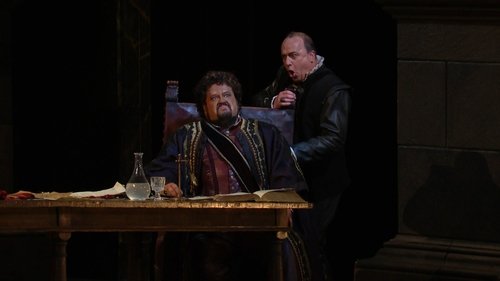
In Verdi’s retelling of Shakespeare’s towering tragedy, Renée Fleming gives a captivating performance as the innocent Desdemona, a role long considered one of her calling cards. Johan Botha as the title hero delivers an imposing portrayal of a proud warrior brought down by jealousy, and Falk Struckmann is thrilling as the villainous Iago. James Morris sings Lodovico. Elijah Moshinsky’s production is conducted by Semyon Bychkov.
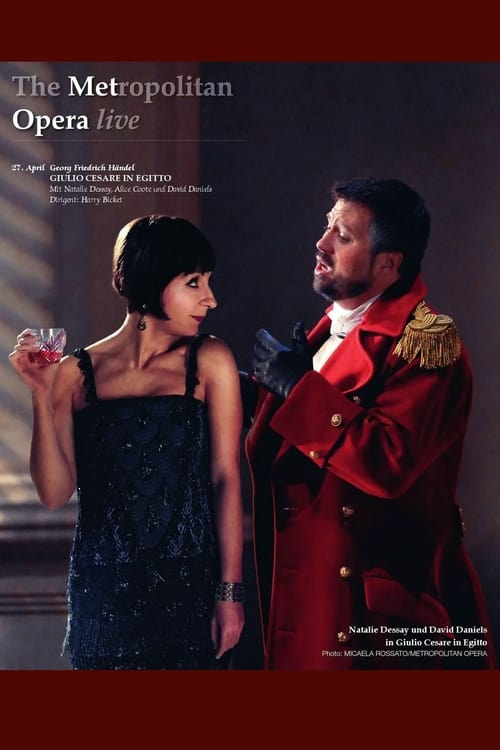
David McVicar’s inventive hit production of Handel’s most popular opera sets the story of Caesar’s conquest of Egypt—and of its queen, Cleopatra—in the era of British 19th-century imperialism while also including elements of Baroque theater and Bollywood movies. David Daniels in the title role and Natalie Dessay as Cleopatra lead the cast. Christophe Dumaux is Ptolemy, Cleopatra’s brother, and Alice Coote and Patricia Bardon star as Sesto and Cornelia, son and widow of Caesar’s opponent Pompey. Early music specialist Harry Bicket conducts and plays harpsichord continuo.
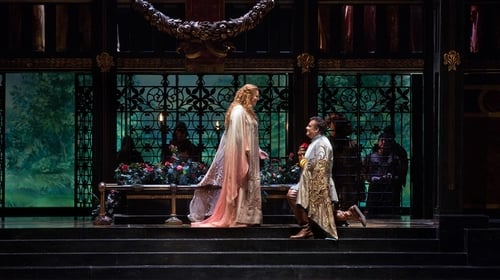
Eva-Maria Westbroek stars in the title role of Zandonai’s sensuous drama, opposite Marcello Giordani as Paolo. Piero Faggioni’s lush production provides the perfect setting for one of the all-time great tales of tragic passion, adapted from an episode in Dante’s Inferno. Mark Delavan co-stars as Giovanni, the husband and brother of the star-crossed lovers, whose jealousy leads him to kill them both. Robert Brubaker is Malatestino and Marco Armiliato conducts.
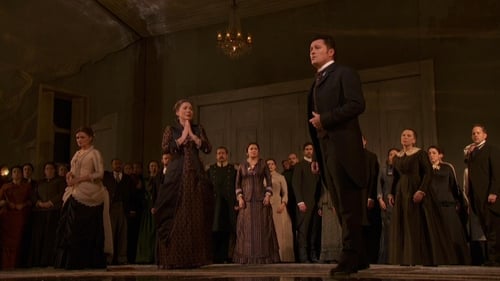
The imperious Onegin rejects naive Tatiana's proposal of love and also incites a duel with his best friend turned rival Lenski (Piotr Beczala). This sets the scene for a dramatic story of love, loyalty and betrayal. Acclaimed theatre director Deborah Warner presents this lavish new interpretation of the timeless tale. Set in the 19th century and moving episodically from farmhouse to ballroom, the production culminates in an unforgettable finale set during a snowstorm.
Imbuing the familiar Don Juan myth with a captivating combination of comedy, seductiveness, danger, and damnation, Mozart created an enduring masterpiece that has been a cornerstone of the repertory since its 1787 premiere. An early entry in the Met’s series of PBS telecasts, this 1978 performance captures a young James Morris in a smooth portrayal of the title role, with the legendary Joan Sutherland showing off her unsurpassed technique as Donna Anna and Gabriel Bacquier as a masterful Leporello.
Jean-Pierre Ponnelle’s dramatic production brings ancient Rome to life for this gripping tale of revenge, terror, and attempted murder. Giuseppe Filianoti is the Emperor Tito who chooses Servilia to be his Empress. But when she tells him she is already in love with Annio he decides to wed Vitellia instead. Unaware of the honor about to be bestowed on her, Vitelllia, daughter of the deposed emperor, is determined to seek revenge on Tito and ensnares her lover Sesto in her dark plot. Early music specialist Harry Bicket conducts.
Stephen Wadsworth’s production of Mussorgsky’s epic masterpiece brilliantly captures the suffering and ambition of the Russian people at a critical time in their nation’s history. René Pape is riveting as the Tsar of the title, giving a commanding and charismatic performance of one of the greatest bass roles in the repertoire—his Boris is dominating, tortured, flawed and utterly unforgettable. The extraordinary cast and the Met Orchestra and Chorus are led by Russian maestro Valery Gergiev, the foremost Mussorgsky interpreter of our time.
Renée Fleming sings one of her signature roles, the title character in Dvořák’s sumptuously melodic Rusalka. The story of the opera, which is about a water spirit’s tragic romance with a human prince, is drawn from several folktale sources including Hans Christian Andersen’s “The Little Mermaid.” Star conductor Yannick Nézet-Séguin leads a cast that also includes Piotr Beczala as the handsome Prince whom Rusalka yearns to love; Dolora Zajick as the cackling swamp witch Ježibaba; Emily Magee as the Foreign Princess, Rusalka’s rival; and John Relyea as Rusalka’s father, the Water Sprite.
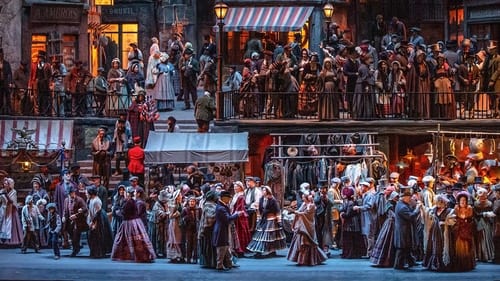
A new generation of rising stars shines in Franco Zeffirelli’s classic production of Puccini’s most popular opera. Vittorio Grigolo is the poor poet Rodolfo who falls head over heels for his neighbor, the seamstress Mimì, sung by the radiant Kristine Opolais. Susanna Phillips is the flirtatious Musetta, Massimo Cavaletti is her sweetheart Marcello, and Patrick Carfizzi as Schaunard and Oren Gradus as Colline complete the ensemble. Stefano Ranzani conducts.
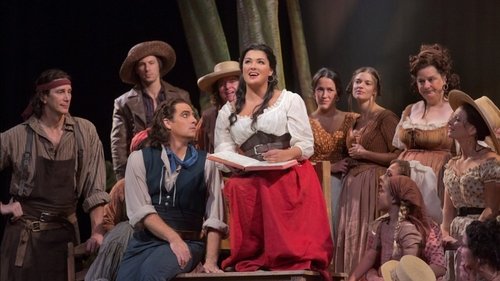
Anna Netrebko as the beautiful and wealthy Adina leads the cast in Barlett Sher’s production of Donizetti’s charming comedy, first seen on Opening Night of the Met’s 2012–13 season. Matthew Polenzani is Nemorino, the poor but good-hearted country boy who wins her love—with the help of the magic “elixir” sold by the quack Dulcamara, played by Ambrogio Maestri. Mariusz Kwiecien is the swaggering Sergeant Belcore and Maurizio Benini conducts.
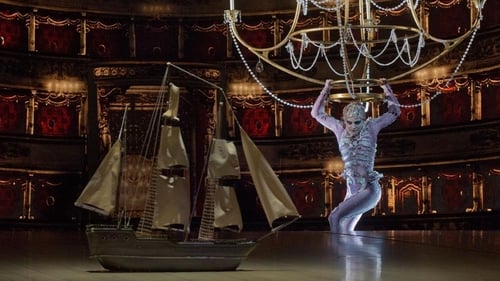
Composer Thomas Adès conducts the Met premiere of his powerful opera based on Shakespeare’s last play, in Robert Lepage’s brilliantly inventive production. Simon Keenlyside is the magician Prospero, who conjures the storm that shipwrecks his enemies and sets in motion the course of events. Rising Met stars Isabel Leonard and Alek Shrader are the young lovers, Miranda and Ferdinand, Alan Oke sings the sinister Caliban, and Audrey Luna gives a memorable performance as the sprite Ariel.
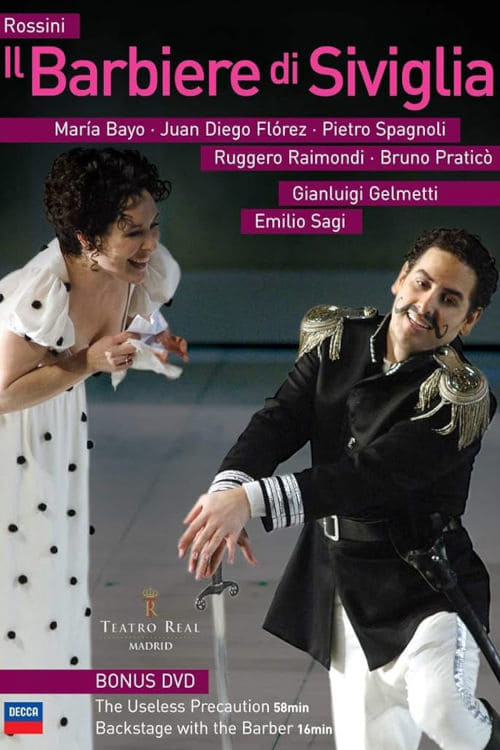
Stage director Emilio Sagi's production of the legendary Barber of Seville is enriched by a bright distribution. Maria Bayo returns to one of her signature role as Rosina, opposite Juan Diego Florez, the Rossini expert tenor. The title role is embodied by the Italian baritone Pietro Spagnoli, while Ruggero Raimondi and Bruno Pratico reconcile the audience with Don Basilio and Don Bartolo.
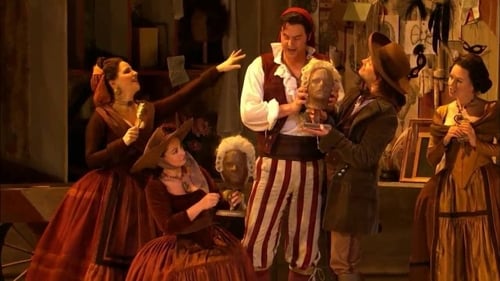
Audiences went wild for Bartlett Sher’s dynamic production, which found fresh and surprising ways to bring Rossini’s effervescent comedy closer to them than ever before. The stellar cast leapt to the challenge with irresistible energy and bravura vocalism. Juan Diego Flórez is Count Almaviva, who fires off showstopping coloratura as he woos Joyce DiDonato’s spirited Rosina—with assistance from Peter Mattei as the one and only Figaro, Seville’s beloved barber and man-about-town.

No description available for this movie.
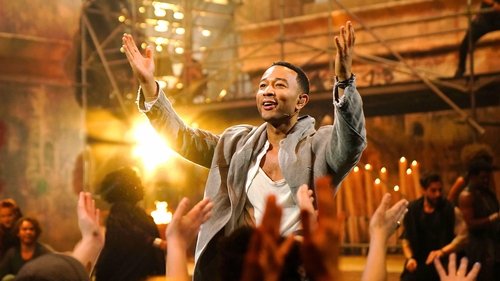
The award-winning show is re-imagined as a live concert event, featuring an all-star cast of recording artists, set during the last week of Jesus' life as he deals with betrayal, love and jealousy, and told from the perspective of Judas.

Live from Glyndebourne 1994. The first production to be filmed Live in Glyndebourne´s new opera house May 1994. The Marriage of Figaro is a continuation of the plot of The Barber of Seville several years later, and recounts a single “day of madness” in the palace of the Count Almaviva near Seville, Spain. Rosina is now the Countess; Dr. Bartolo is seeking revenge against Figaro for thwarting his plans to marry Rosina himself; and Count Almaviva has degenerated from the romantic youth of Barber into a scheming, bullying, skirt-chasing baritone. This follows the Count trying to obtain favours from Susanna, Figaro’s bride to be, under the nose of the Countess.
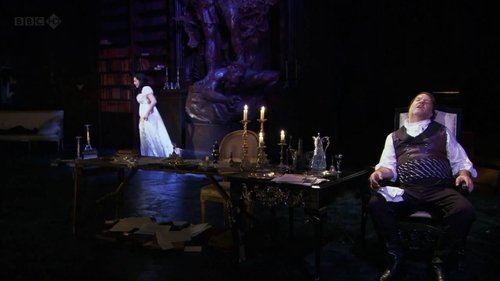
The star singers in this revival of the 2006 production were Angela Gheorghiu, Jonas Kaufmann and Bryn Terfel; the Royal Opera Chorus and the Orchestra of the Royal Opera House were under the baton of Antonio Pappano, the Music Director of the Royal Opera House. The pageantry of church ritual, the darkness of a brooding study with its hidden torture chamber and the false optimism of the light of a Roman dawn - all throw into relief the love of the beautiful diva Tosca, the idealism of her lover Cavaradossi and the deadly, destructive obsession of the malevolent Chief of Police, Scarpia. Drama, passion and fabulous music.
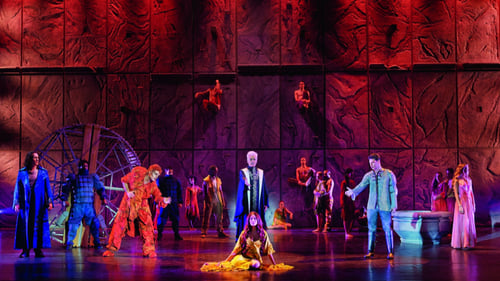
A musical adaptation of Victor Hugo's novel "Notre Dame de Paris" which follows the gypsy dancer Esmeralda and the three men who vie for her love: the kind hunchback Quadimodo, the twisted priest Frollo, and the unfaithful soldier Phoebus.

Count Almaviva lives with his Countess on their estate near Seville. The Count has his eye on his wife’s maid Susanna, who is betrothed to the Count’s servant, Figaro. Much to Figaro’s dismay, the Count plans to seduce Susanna on wedding night. Meanwhile, Cherubino, the Count’s young page, is infatuated with the Countess, but has just been dismissed after being discovered with Barbarina, the gardener Antonio’s daughter.

At a glittering party in 18th-century Paris, the poet Andréa Chenier delivers an impassioned denunciation of Louis XVI. Five years later, the Revolution has given way to the Terror, transforming the power balance between Chénier, his beloved Maddalena, and Gérard, the man who could destroy him...
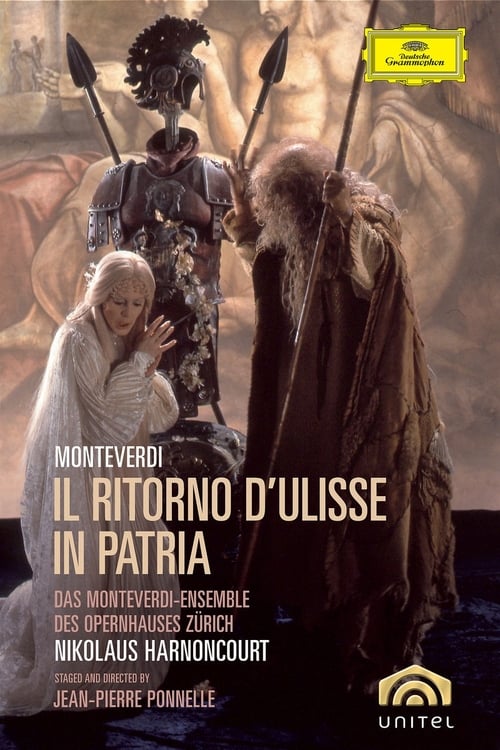
Live performance, part of Monteverdi cycle staged by Oper Zürich with Nikolaus Harnoncourt conducting the Zürich Opera House Monteverdi Ensemble. Staged and directed by Jean-Pierre Ponnelle
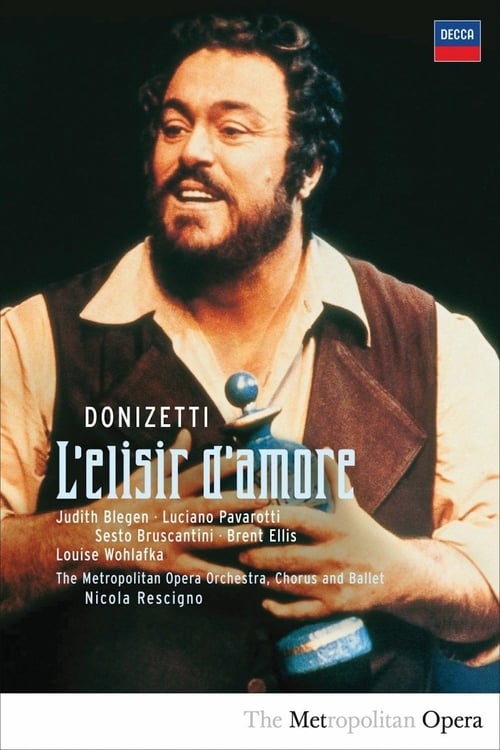
The Metropolitan Opera performance of L'Elisir d'Amore is conducted by Nicola Rescigno and features Luciano Pavarotti in the title role. Donizetti's graceful melodies have long endeared his L'Elisir d'Amore to operatic audiences and performers alike. Judith Blegen, Louise Wohlafka, Luciano Pavarotti, Nicola Rescigno, Sesto Bruscantini.
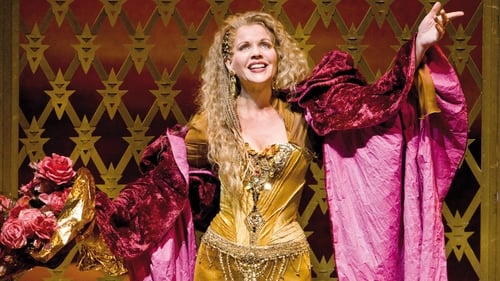
When the most voluptuous, sought-after courtesan in the world meets an ascetic monk whose life is devoted to God, you know erotic sparks are going to fly. And when the clash takes place in a glorious, but rarely performed, opera by Massenet, it’s a delight to the ear just as much as to the eye. Renée Fleming is every inch the glamorous Thaïs, swathed in elegant gowns designed by Christian Lacroix. Thomas Hampson is Athanaël, the tortured man of God. This production by John Cox, which premiered in December 2008, brilliantly sets the stage for a confrontation as old as civilization itself.
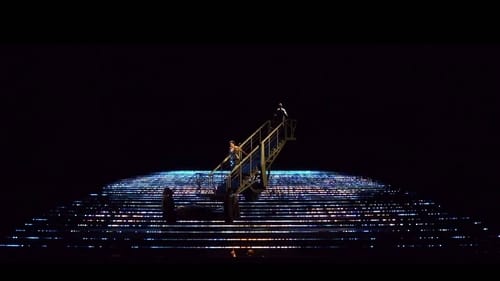
Robert Lepage’s dreamlike production, with its thousands of twinkling LED lights stretching across the stage to represent the sea, encapsulates the mystic feeling of L’Amour de Loin, Saariaho’s haunting opera of distant love. Eric Owens is Jaufré Rudel, a troubadour in 12th century France who has become tired of his hedonistic life and longs for an idealized love. Enter the Pilgrim (Tamara Mumford) who tells him his perfect love does, in fact, exist, far across the sea. She is Clémence, Countess of Tripoli (Susanna Phillips). The magic of the characters’ inner lives as they explore the meaning of love, longing, life, and death is heightened by Saariaho’s hypnotic and bewitching score, conducted by Susanna Mälkki.
Live performance from the Teatro Comunale di Modena
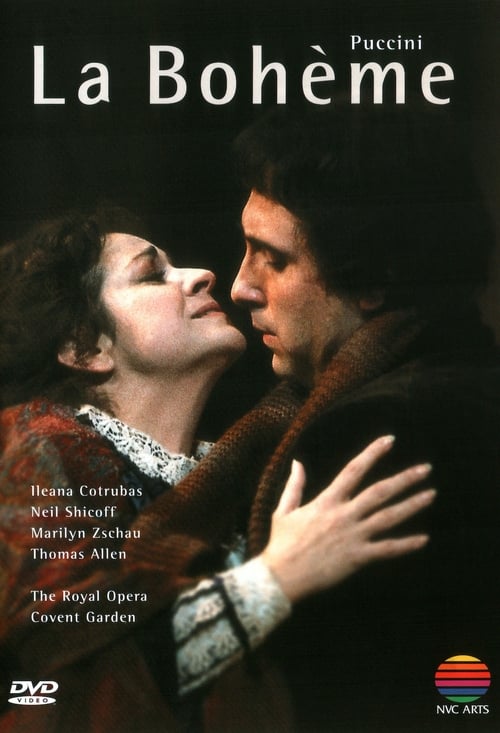
1982 revival of 1974 John Copley production.
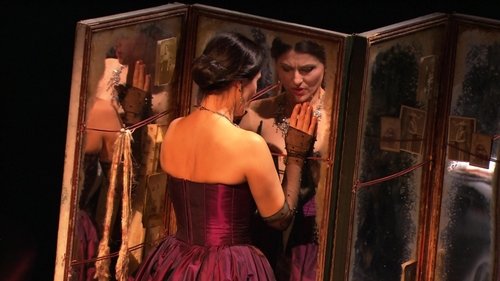
Part of Tutto Verdi series - La Traviata (2007) Parma. 'La traviata' ('The Fallen Woman') is an opera in three acts by Giuseppe Verdi set to an Italian libretto by Francesco Maria Piave. It is based on 'La dame aux Camélias' (1852), a play adapted from the novel by Alexandre Dumas, fils. The opera was originally titled 'Violetta', after the main character. It was first performed on 6 March 1853 at the La Fenice opera house in Venice. Piave and Verdi wanted to follow Dumas in giving the opera a contemporary setting, but the authorities at La Fenice insisted that it be set in the past, "c. 1700". It was not until the 1880s that the composer and librettist's original wishes were carried out and "realistic" productions were staged.
The prestigious Gran Teatre del Liceu from Barcelona presents Mozart's beloved opera in an elegant, dramatic twist with a sparkling cast of world-class stars, led by coloratura soprano Diana Damrau as Constance and rising star Olga Peretyatko as Blonda. Director Christophe Loy has created a thought-provoking and surprisingly original script in which both Constance and Blonda feel respect, admiration and even deep love for their captors. As a result of this tantalizing, torturous approach, traditional norms and concepts of good and evil were turned upside down.
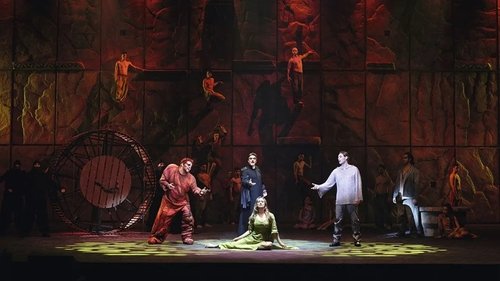
Notre Dame de Paris tells the story of Quasimodo, the hunchbacked bell-ringer of the cathedral of Notre-Dame and of his impossible and tragic love for Esmeralda, a beautiful gypsy. A love condemned by injustice and hypocrisy. Quasimodo forced by his ugliness to look at the world from the top of a tower one day he falls madly in love with Esmeralda who sees dancing and singing on the square in front of the cathedral. But Esmeralda is in love with Febo, the handsome captain of the King's guards. Febo is fiancé of Fiordaliso, a young and rich bourgeois, but the exotic and sensual beauty of the gypsy does not leave indifferent the man who immediately falls in love with her. Even Frollo, the archdeacon of the cathedral, is attracted by the gypsy and spying on the moves of the two lovers in a raptus of jealousy and repressed carnal desire to get rid of the rival stabbing Febo behind.
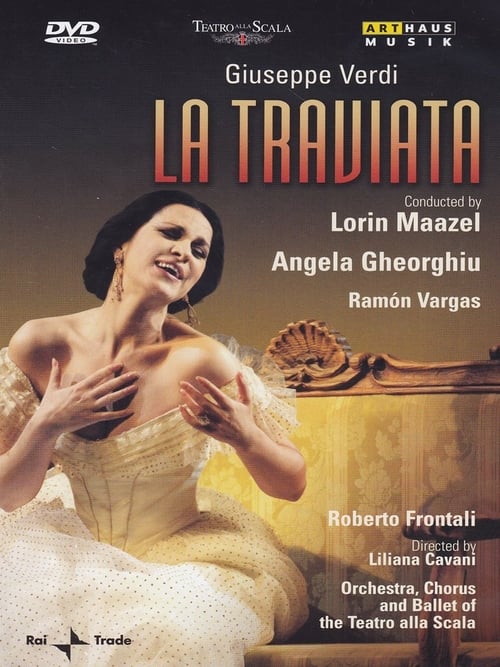
Live from La Scala Saturday 07 July 2007. In this live performance of Giuseppe Verdi's opera, Violetta, a courtesan much wooed by Parisian society, organises a grand party that is attended, amongst others, by the young Alfredo Germont. He confesses his feelings to Violetta, who is already suffering from consumption. She vacillates between genuine affection and a realistic assessment of her situation as a "fallen woman", which precludes any lasting relationship with a man.
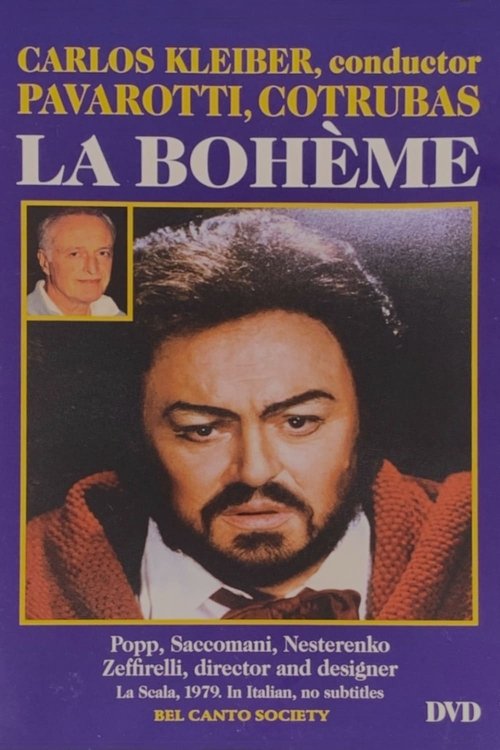
Performance of La Bohème in Teatro alla Scala, 1979.