
Action
Adventure
Animation
Comedy
Crime
Documentary
Drama
Family
Fantasy
History
Horror
Music
Mystery
Romance
Science Fiction
Thriller
War
Western
Found 40 movies, 22 TV shows, and 0 people
Can't find what you're looking for?

Natasha goes to Limburg to collect her brother Ramses, who has joined a sect, so he can consent to cutting their father's life support.
Shot in Lebanon in 1975 just before the civil war. The director delivers a nuanced account of the complexities surrounding the Palestinian issue.

In 1982, Israel invaded Lebanon and occupied its capital, Beirut. The film is a rare example of a PLO film made after the PLO’s departure from Beirut. It documents the burned and destroyed cultural and educational centers from which Israelis stole films, photographs, and historical and contemporary manuscripts. It includes interviews with key members of the Palestinian cultural scene such as Mahmoud Darwish and Ismail Shammout and those in charge of cultural and educational centers that were destroyed.
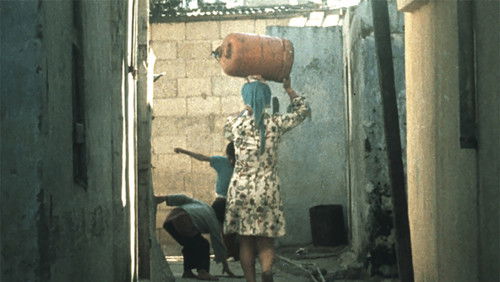
Palestinian women, the often-forgotten victims of the Israeli-Palestinian war, are here given a voice by Jocelyne Saab. The film was commissioned by Antenne 2 (France), but it was censured while still in the editing stage and never shown. This print was specially made for this retrospective by the conservation centre at Cinemateca Portuguesa.
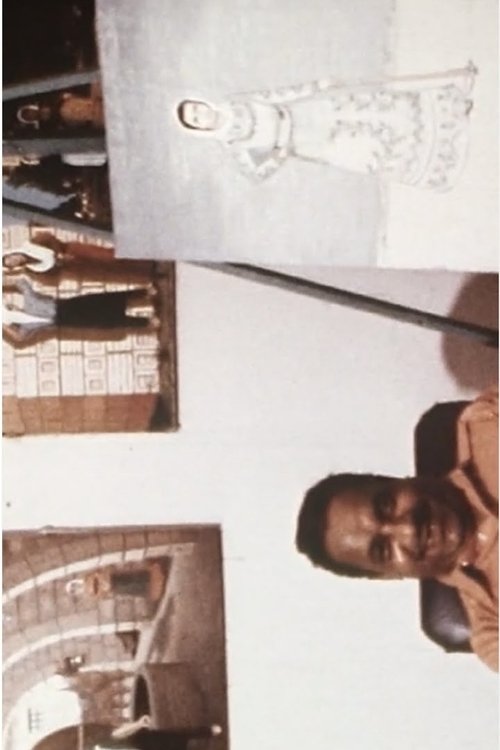
A short film about Palestinian artist Ibrahim Ghannam. A production of the Palestine Cinema Institute (PCI).
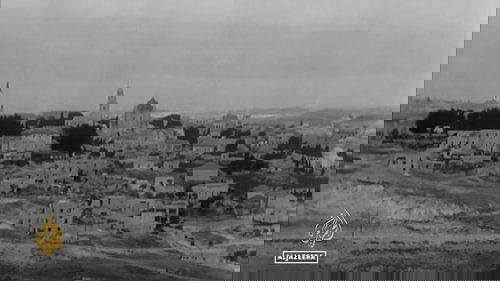
“A land without a people, and a people without a land” is how the relationship between Palestine and the Jewish people was described by Christian writers in the 1800s. And the 20th-century history of the Middle East has largely been written through these eyes. But this film from Al Jazeera Arabic looks at Palestine from a different angle. It hears from historians and witness accounts, and features archive documents that show Palestine as a thriving province of Greater Syria and the Ottoman Empire at the dawn of the 20th century. The evidence suggests that its cities had a developing trade and commercial sector, growing infrastructure, and embryonic culture that would enable it to meet the challenges of the decades ahead. This film is the other side of the Palestinian story.

Ismail, a Palestinian director long denied the freedom to travel, finally sets out on a journey tracing the path Christ walked two thousand years ago, from Nazareth to Jerusalem, seeking stories of miracles and legends. He is surprised to find the route now crowded with refugee camps, witnessing their stories, dreams, and resilience. This cinematic journey blends history with the present, the spontaneous with the deliberate, and explores the ongoing impact of the Nakba on Palestinian life and identity.
The films in the PLO Media Unit were supposed to show a self-determined image of Palestinian reality – and they went missing during the Israeli invasion of Beirut in 1982. In a « road movie » from Palestine to Jordan, Syria and Lebanon, director Azza El-Hassan follows the contradicting and confusing clues as to the whereabouts of the lost archive.
The film provides a historical overview of the history of the Palestinians between 1948-1974 and shows the living conditions of Palestinians in territories occupied by Israel since 1967.

A young Palestinian man living a carefree life undergoes a personal awakening after the loss of a loved one. This transformation leads him to become a committed militant. He trains for special operations and successfully breaks through an Israeli siege using his expertise. Returning to his commando base, he prepares for further resistance efforts.

Children express their experiences of war and diaspora through drawings and testimonials.

Palestine, the Land of the Free. a Palestinian teacher "Waheed" and he's stories.
A short social reportage with a working-class aesthetic and Brechtian alienation effect, aimed at a politically educated German audience.
From Jerusalem to Haifa, stopping by Acre, Bethlehem and Ramallah, we travel across Israel and the West Bank to meet with Palestinian women shaping the cultural landscape. They are artists, chefs, performers, entrepreneurs, designers... and they tell us about their life, culture and identity in a divided and much disputed territory. The documentary features how these young women reinvent today their political and cultural battles.
BBC production consisting of work contributed by young Palestinian film makers.

A documentary film produced by the Central Newsreel and Documentary Film Studio of China in May 1971 in support of the just struggle of the Palestinian and Arab peoples against American imperialism and its Zionist running dog.
Starting with a scene of a refugee camp in Israeli-occupied Gaza in 1976, the film features shots of various districts, dispensing with narration and interspersing interviews with Palestinian people and fedayeen (guerrillas) in the rubble of Western Beirut. Children who lost their parents in bombings are educated to be soldiers at their orphanage. They say that they want to be soldiers or heroes. Boys and girls sing: "We don't want money. We don't want to play. We will carry guns and enter the Revolutionary Army." Two years after the filming began, the girls have grown but they have not changed their minds.
Revolutionary Palestinian film.
Separated from his roots, a young Palestinian man in the UK tries to define his own path of belonging.

A 55-minute documentary directed and edited by Mamoun Hassan when he was stationed with the United Nations Relief and Works Agency for Palestine Refugees (UNRWA) in Lebanon in 1974. The film opens with a day in the life of Dr Murad, a Palestinian doctor appointed by the UNRWA to look after the health of the Palestinian people in a Syrian refugee camp. It progresses to a recently bombed camp in Lebanon to the West Bank, via Jordan.
1936. As villages across Palestine rise against British colonial rule, Yusuf drifts between his rural home and the restless energy of Jerusalem, longing for a future beyond the growing unrest. But history is relentless. With rising numbers of Jewish immigrants escaping antisemitism in Europe and some arriving with nefarious Zionist-colonial ambitions, and the Palestinian population uniting in the largest and longest uprising against Britain’s 30-year dominion, all sides spiral towards inevitable collision in a decisive moment for the British Empire and the future of the entire region.

An Israeli counterterrorism soldier with a secretly fabulous ambition to become a Manhattan hairstylist. Zohan's desire runs so deep that he'll do anything -- including faking his own death and going head-to-head with an Arab cab driver -- to make his dreams come true.

This film made by a Palestinian-Israeli collective shows the destruction of the occupied West Bank's Masafer Yatta by Israeli soldiers and the alliance which develops between the Palestinian activist Basel and Israeli journalist Yuval.
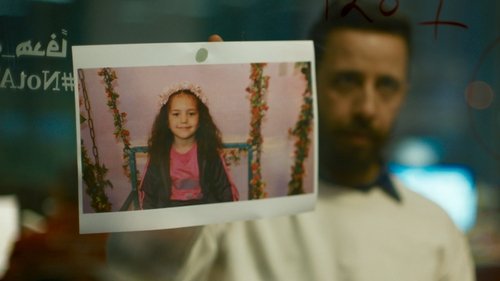
January 29, 2024. Red Crescent volunteers receive an emergency call. A 6-year old girl is trapped in a car under fire in Gaza, pleading for rescue. While trying to keep her on the line, they do everything they can to get an ambulance to her. Her name was Hind Rajab.
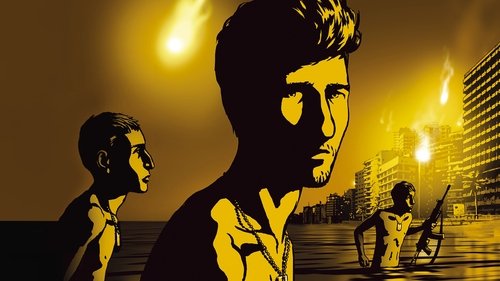
An Israeli film director interviews fellow veterans of the 1982 invasion of Lebanon to reconstruct his own memories of his term of service in that conflict.
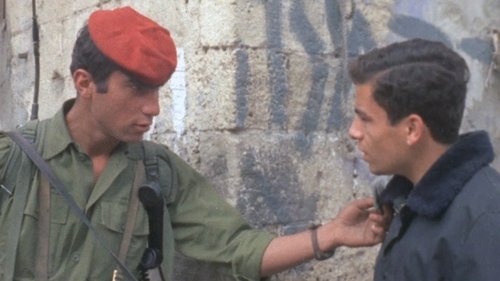
Archival film maestro Göran Hugo Olsson has assembled—from a vast catalogue of footage in the vaults of Sweden’s national television service SVT—accounts of the Israeli-Palestinian conflict as witnessed and represented by Swedish journalists. Stories of the beginning of the Israeli state interwoven with the Palestinian struggle for independence. News coverage with Yasser Arafat and interviews with Israeli foreign minister Abba Eban during a visit to Sweden unseen since first broadcast. From the tenth anniversary of Israel’s founding to the First Intifada, perspectives and encounters with statesmen, civilians, revolutionaries, and intellectuals tell the story from myriad angles of an evolving media landscape, revivifying a history of the ongoing conflict.
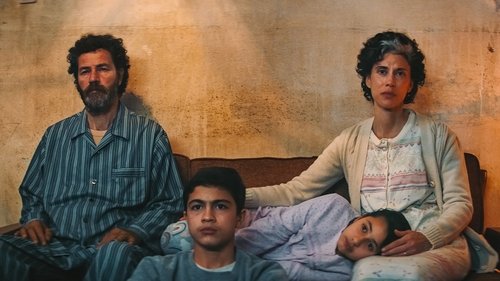
In the Occupied West Bank of the 1980s, a Palestinian teenager is swept into a protest that changes the course of his family's life. Reeling from its aftermath, his mother, Hanan, shares the story that led them to that fateful moment. Spanning seven decades, this epic drama traces the hopes and heartaches of one uprooted family, revealing not only the scars of displacement, but the unbreakable spirit of survival.

Eyal, an Israeli Mossad agent, is given the mission to track down and kill the very old Alfred Himmelman, an ex-Nazi officer, who might still be alive. Pretending to be a tourist guide, he befriends his grandson Axel, in Israel to visit his sister Pia. The two men set out on a tour of the country, during which Axel challenges Eyal's values.
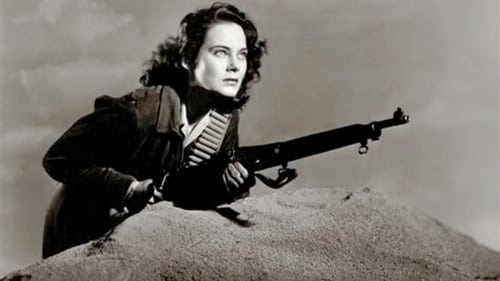
First American film about the conflict between Jewish nationalists and the British in the creation of the state of Israel.

From Gaza’s Jabaliya refugee camp, to the University of Toronto and the Supreme Court of Israel, I Shall Not Hate follows the uncharted path of Dr. Izzeldin Abuelaish, The first Palestinian doctor that worked in an Israeli hospital delivering babies, whose ethos of forgiveness and reconciliation is put to the ultimate test when an Israeli tank bombs his house, killing his three daughters. Against all odds, he turns his tragedy into a global campaign to eradicate hate.

An Iranian filmmaker participates in a series of video calls with a young Palestinian photojournalist who describes her life confined in Gaza during the current regional conflict.
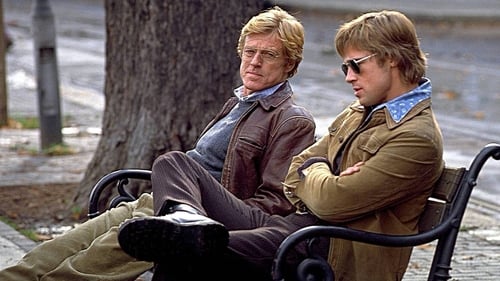
On the day of his retirement, a veteran CIA agent learns that his former protégé has been arrested in China, is sentenced to die the next morning in Beijing, and that the CIA is considering letting that happen to avoid an international scandal.

Rebecca, an American who has been living in Jerusalem for a few months now, has just broken off her engagement. She gets into a cab driven by Hanna, an Israeli. But Hanna is on her way to Jordan, to the Free Zone, to pick up a large sum of money.
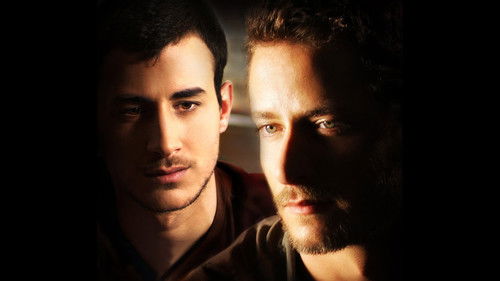
Two young men — a Palestinian grad student and an Israeli lawyer — meet and fall in love amidst personal and political intrigue.

A detailed investigation into the political and economic interests that, since the beginning of the 20th century, have pulled the strings of the arms trade, hidden in the shadows, feeding the shameful corruption of politicians and government officials and promoting a state of permanent war throughout the world, while they cynically asked for a lasting and universal peace.
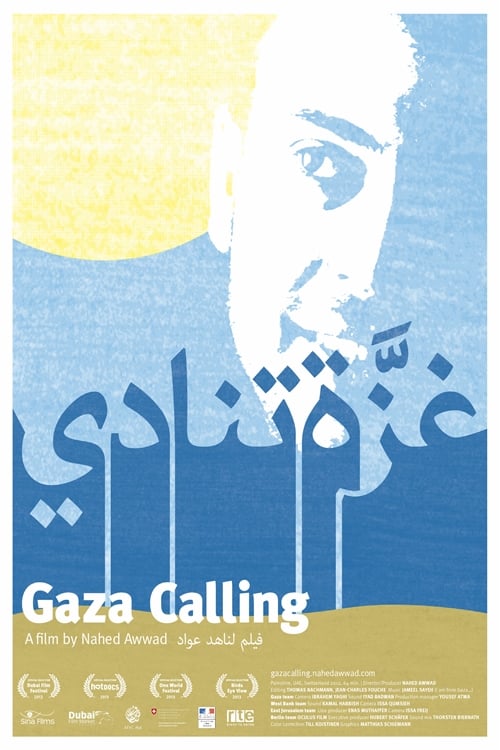
Samer lives in Ramallah in the West Bank. His family lives in Gaza, one hour away. They have not seen each other for six years. When Mustafa went for a visit to Gaza in 2006, he was 18 years old. He was never allowed to return – his mother Hekmat has been fighting to see him again for seven years now. Two families torn apart. They share the same “crime”: being registered with a Gaza address in their Identity Cards. Under Israeli rule, they are considered “infiltrators” in their own country. Their lives have turned into a permanent struggle. Parents can only talk to their sons on the phone; sisters can only see their brothers on the internet – mothers and their children fighting to be together at last…
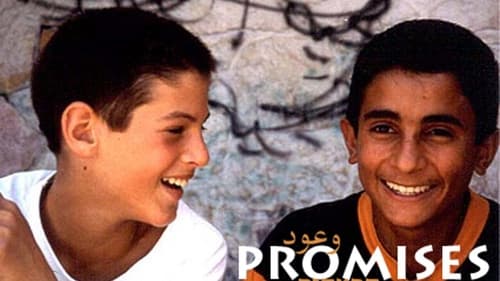
Documentarians Justine Shapiro and B.Z. Goldberg traveled to Israel to interview Palestinian and Israeli kids ages 11 to 13, assembling their views on living in a society afflicted with violence, separatism and religious and political extremism. This 2002 Oscar nominee for Best Feature Documentary culminates in an astonishing day in which two Israeli children meet Palestinian youngsters at a refugee camp.
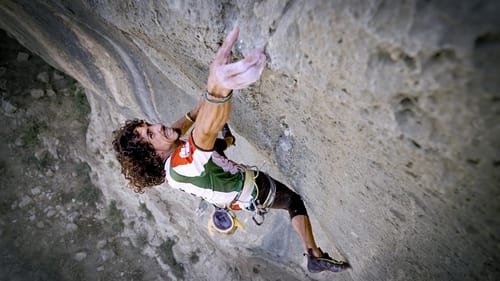
In 2014, during a trip, American Tim Bruns discovered cliffs in a small village five minutes north of Ramallah in Palestine and got to work equipping all the easy routes, then setting up climbing routes so that we can start teaching people how to climb. Bruns and Harris also opened Wadi Climbing, the first indoor climbing gym in Palestine. Today, gathered in the conflict-torn hills of Palestine, a diverse team of Bedouins, activists and urban professionals have embraced climbing as a much-needed respite from the burden of Israeli occupation. American writer and climber Andrew Bisharat visits the West Bank to explore his own roots and the power of climbing to transform lives. This documentary is part of the Reel Rock 17 series released in 2023.
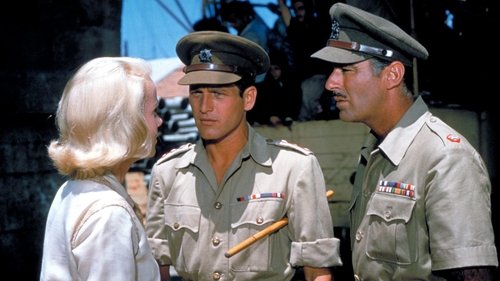
Ari Ben Canaan, a passionate member of the Jewish paramilitary group Haganah, attempts to transport 600 Jewish refugees on a dangerous voyage from Cyprus to Palestine on a ship named the Exodus. He faces obstruction from British forces, who will not grant the ship passage to its destination.

In Killing Gaza, independent journalists Max Blumenthal and Dan Cohen documented Israel’s 2014 war on Gaza. Yet this film is much more than a documentary about Palestinian resilience and suffering. It is a chilling visual document of war crimes committed by the Israeli military, featuring direct testimony and evidence from the survivors.