
Action
Adventure
Animation
Comedy
Crime
Documentary
Drama
Family
Fantasy
History
Horror
Music
Mystery
Romance
Science Fiction
Thriller
War
Western
Found 24 movies, 1 TV show, and 0 people
Can't find what you're looking for?
In the working-class neighborhoods of France, trust is broken between young people and the police. The slightest identity check carries within it the germs of a possible skid, rebellion or blunder. A case is emblematic of this impasse. For the first time in France, teenagers filed a complaint collectively for intentional violence against a police brigade of the 12th arrondissement of Paris. During this trial, it is the very mission of the police that will be indicted. Citizens, educators, lawyers or police officers, look for a way out and denounce the systematic use of violence that they consider illegitimate. By following their fight, this film lifts the veil on the mechanisms of this violence and the silences that surround it.

Fault Lines investigates how the Albuquerque police force has become one of the most violent and deadliest police departments in the US and asks if any of the officers will face any accountability.

Media artists and social activists Jodi Darby, Julie Perini, and Erin Yanke’s film speaks to the history of police violence in our society, providing a framework for understanding the systems of social control in Portland and its history of exclusion laws, racial profiling, redlining, and gentrification practices. Through conversations with community leaders that include Walidah Imarisha, author of the “Oregon Black History Timeline,” JoAnn Hardesty, and Rev. LeRoy Haynes of the Albina Ministerial Alliance Coalition for Justice & Police Reform, Dan Handelman of Portland Copwatch, and Kent Ford, founder of the Portland Chapter of the Black Panther Party, the filmmakers explore alternatives to current policing practices and consider strategies for community safety that do not employ constant surveillance and unneeded violence.
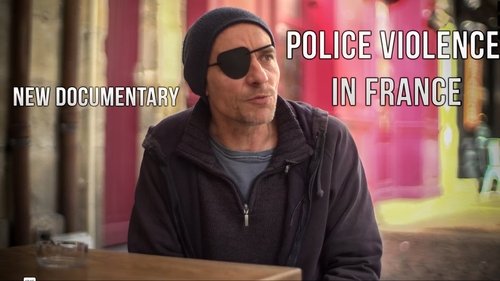
In December 2018: three lives are affected by police violence amongst the chaos of the Yellow Vest protests in France. This film is dedicated to people all over the world mutilated and killed by police weapons.
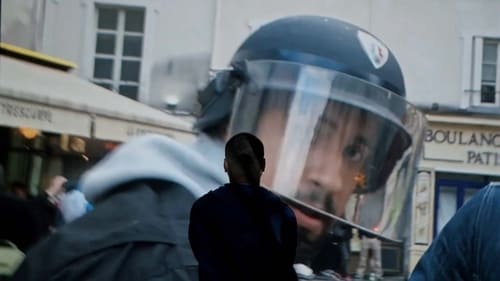
As anger and resentment grow in the face of social inequalities, many citizens-led protests are being repressed with an ever-increasing violence. In this documentary, David Dufresne gathers a panel of citizens to question, exchange and confront their views on the social order and the legitimacy of the use of force by the State.
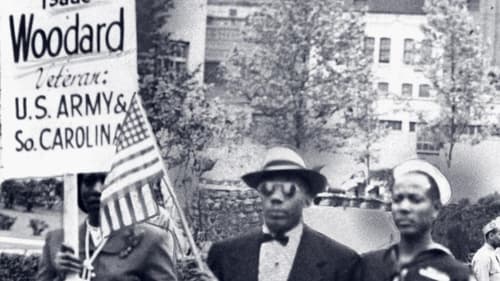
In 1946, Isaac Woodard, a Black army sergeant on his way home to South Carolina after serving in WWII, was pulled from a bus for arguing with the driver. The local chief of police savagely beat him, leaving him unconscious and permanently blind. The shocking incident made national headlines and, when the police chief was acquitted by an all-white jury, the blatant injustice would change the course of American history. Based on Richard Gergel’s book Unexampled Courage, the film details how the crime led to the racial awakening of President Harry Truman, who desegregated federal offices and the military two years later. The event also ultimately set the stage for the Supreme Court’s landmark 1954 Brown v. Board of Education decision, which finally outlawed segregation in public schools and jumpstarted the modern civil rights movement.
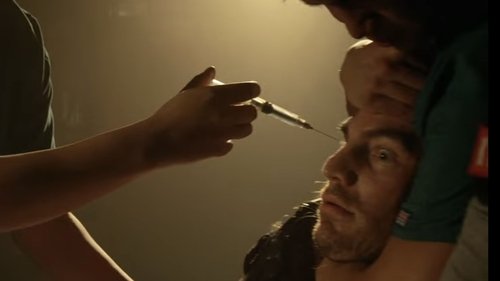
A man wakes up in the middle of the street with no idea where he is or how he ended up there. Soon he is forced to confront the demons he is battling within before a gateway to the underworld unlocks the secret of Algea the God of Pain.

After the Battle of Algiers, France and its army exported, as true experts, anti-subversive methods to Latin America and the United States in the 1960s. After more than a year of investigation in Argentina , in Chile, Brazil, the United States and France, the director collected, sometimes under the cover of a hidden camera, recorded conversations, the exclusive testimonies of the main protagonists. From General Aussaresses to former Minister of the Armed Forces Pierre Messmer, including General Reynaldo Bignone (head of the military junta in Argentina from 1982 to 1984), General Albano Harguindéguy, General Manuel Contreras, and Generals John Johns and Carl Bernard, this investigation gives us a hidden reality of the country of Human Rights.

No description available for this movie.
No description available for this movie.
On May 25th, 2020, Derek Chauvin, a Minneapolis police officer, murdered George Floyd, a black man, by driving his knee into George's neck for 8 minutes and 45 seconds until he died. This film chronicles New York City's overwhelming response.
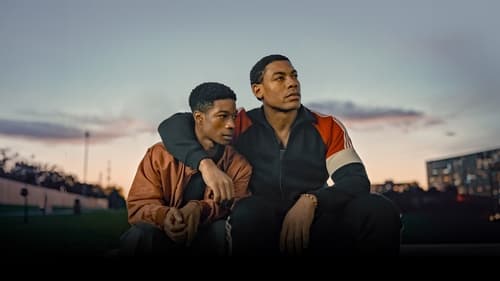
Sons of Caribbean immigrants, Francis and Michael face questions of masculinity, identity and family amid the pulsing beat of Toronto's early hip-hop scene. A mystery unfolds when escalating tensions set off a series of events which changes the course of the brothers’ lives forever.

A girl from St. Petersburg walks around protest-ridden Moscow, talking to riot police and believing that sooner or later they will go over to the side of the demonstrators. An 18-year-old student of a St. Petersburg college introduces herself as Alice and tells about herself that from the age of four she lived in an orphanage and in foster families. In Moscow, Alisa, for whom this is the first rally in her life, walks along the police cordons and looks under the OMON helmet. "Under the mask you can't see, are you even human?"
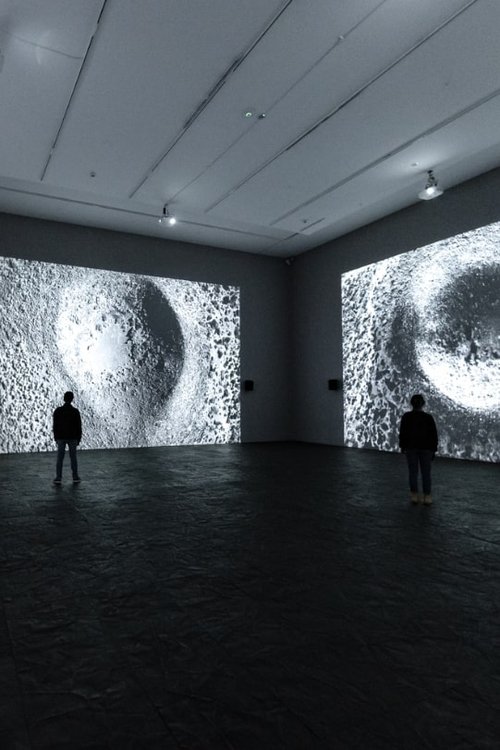
Arrancar los ojos is a project that proposes a constellation of works around the gaze and its political dimension. A reflection on the concepts of institutional violence, repression and collective trauma, focusing on the pattern of eye attacks by state security forces.
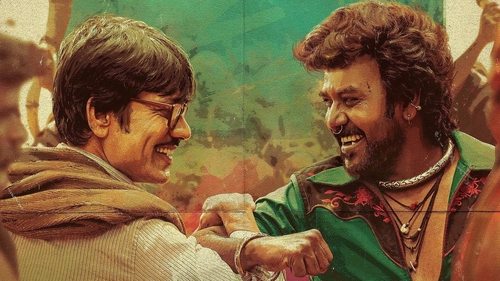
A notorious gangster is incited to transform into a film hero and opts for a filmmaker and their project descends into a scenario they had never anticipated.
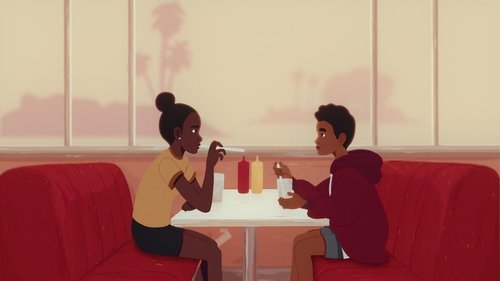
A fragmented portrait of a moment, a person, and a place, seen through the subjective memories of a young Black girl, Imani, and a rookie police officer, David, who both have wildly different recollections of the same fateful moment in a corner store that will leave their lives altered forever.

Based on true events, a Belarusian journalist is arrested after covertly livestreaming brutal government crackdowns on peaceful demonstrators following rigged elections. Her husband, refusing to leave her, also faces recriminations from a regime determined to break them both.

No description available for this movie.
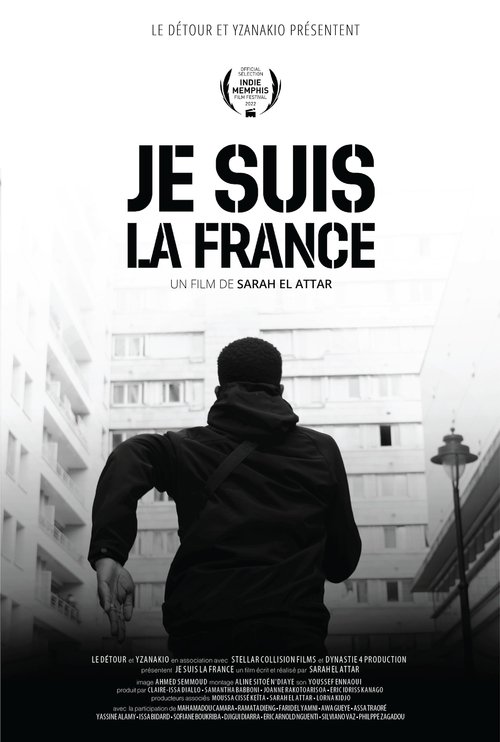
The film features emblematic figures of the fight against police brutality in France: Ramata Dieng, sister of Lamine Dieng, Assa Traoré, sister of Adama Traoré, as well as Mahamadou Camara, brother of Gaye Camara, Farid El Yamni, brother of Wissam El Yamni, and Awa Gueye, sister of Babacar Gueye. The film also includes rare intimate interviews of young men of color from 'Banlieues' (working class neighborhoods) who expose how they have endured police repression throughout their lives and how it has impacted them.
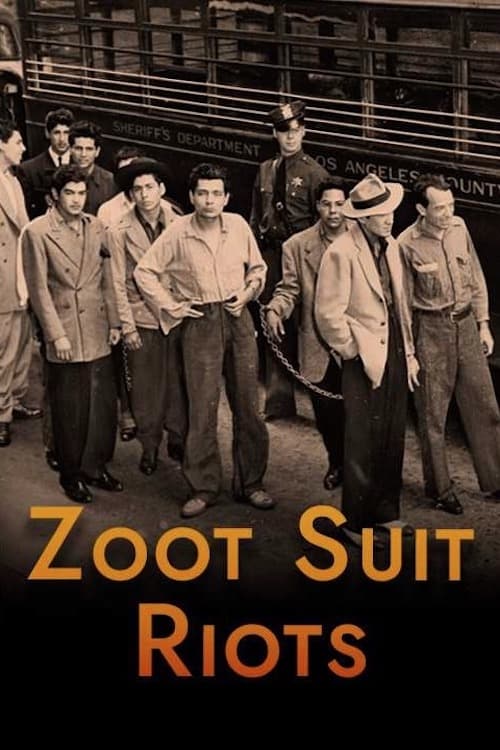
On August 1, 1942, a 22-year-old Mexican American man was stabbed to death at a party. To white Los Angelenos, the murder was just more proof that Mexican American crime was spiraling out of control. The police fanned out across LA, netting 600 young Mexican American suspects. Almost all those taken into custody were wearing the distinctive uniform of their generation: Zoot Suits. The tragic murder and the injustice of the trial that followed, coupled with sensational news coverage of both, fanned the flames of the racial hostility that was already running rife in the city. Within months of the verdict, Los Angeles was in the grip of some of the worst violence in its history.
A documentary about to police situation in France after the institution of a prolonged state of emergency. From the anger of the police to that of the victims of their violence, through the words of activists and inhabitants of working-class neighborhoods, everyone expresses here a moment of unease in the face of order and its maintenance.
No description available for this movie.
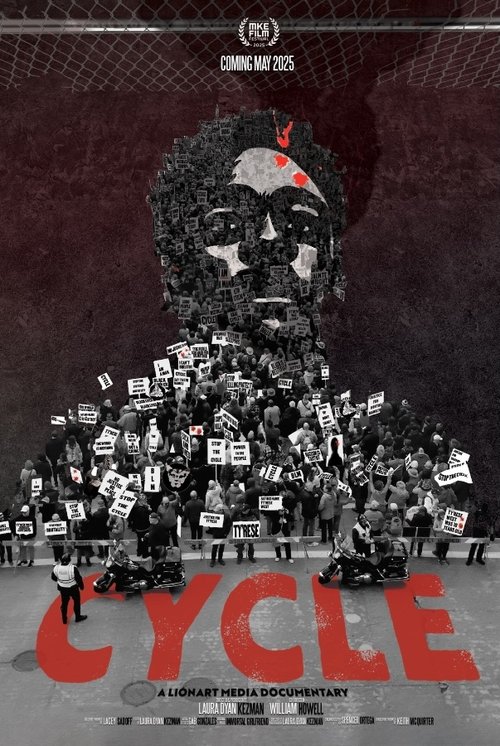
The narrative of police violence in the United States is shaped by viral videos, hashtags, and a cycle of profiling and abuse, followed by law enforcement immunity. The killing of Racine"s Ty’rese West pushes this narrative forward, exposing the truth behind unchecked police reports when incidents aren’t captured for the world to see. CYCLE investigates this systemic whitewashing and gives a voice to the countless victims whose names have yet to be heard.

The personal stories lived by the Uncle, the Father and the Son, respectively, form a tragic experience that is drawn along a line in time. This line is comparable to a crease in the pages of the family album, but also to a crack in the walls of the paternal house. It resembles the open wound created when drilling into a mountain, but also a scar in the collective imaginary of a society, where the idea of salvation finds its tragic destiny in the political struggle. What is at the end of that line? Will old war songs be enough to circumvent that destiny?