
Action
Adventure
Animation
Comedy
Crime
Documentary
Drama
Family
Fantasy
History
Horror
Music
Mystery
Romance
Science Fiction
Thriller
War
Western
Found 14 movies, 0 TV shows, and 0 people
Can't find what you're looking for?
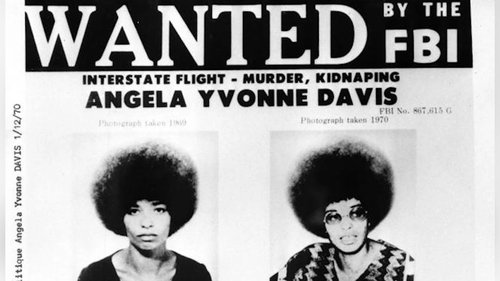
The story of how, in 1970, the social activism of young UCLA philosophy professor Angela Davis led her to become involved in a failed kidnapping attempt that ended in a shootout, four deaths, and her name on the FBI's Ten Most Wanted list.
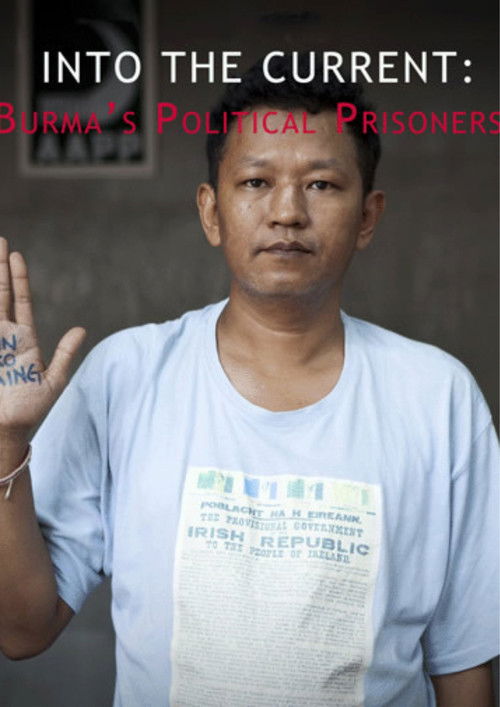
Into the Current tells the story of Burma's unsung heroes -its prisoners of conscience -and the price they pay for speaking truth to power in a military dictatorship.
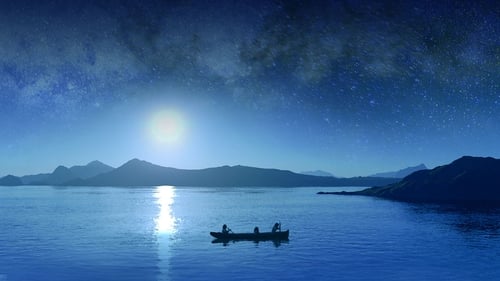
The ocean contains the history of all humanity. The sea holds all the voices of the earth and those that come from outer space. Water receives impetus from the stars and transmits it to living creatures. Water, the longest border in Chile, also holds the secret of two mysterious buttons which were found on its ocean floor. Chile, with its 2,670 miles of coastline and the largest archipelago in the world, presents a supernatural landscape. In it are volcanoes, mountains and glaciers. In it are the voices of the Patagonian Indigenous people, the first English sailors and also those of its political prisoners. Some say that water has memory. This film shows that it also has a voice.
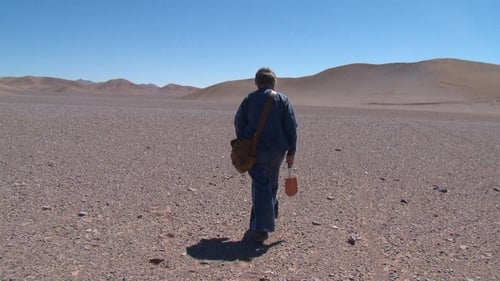
In Chile's Atacama Desert, astronomers peer deep into the cosmos in search for answers concerning the origins of life. Nearby, a group of women sift through the sand searching for body parts of loved ones, dumped unceremoniously by Pinochet's regime.
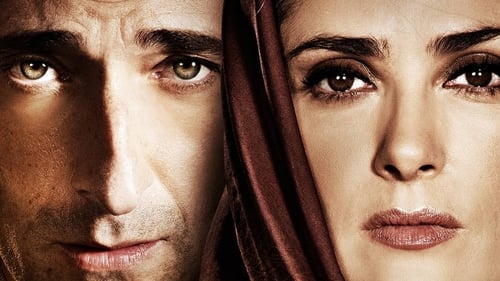
In this adaptation of the critically acclaimed debut novel by Iranian American author Dalia Sofer, a secular Jewish family is caught up in the maelstrom of the 1979 Iranian Revolution.
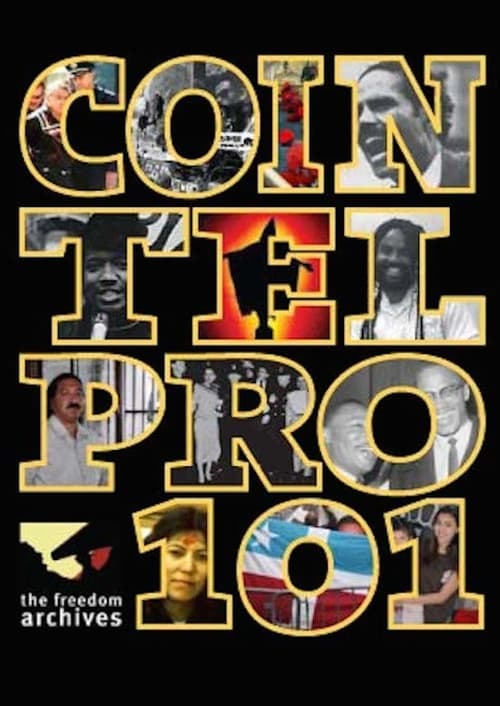
COINTELPRO 101 exposes illegal surveillance, disruption, and outright murder committed by the US government in the 1950s, 60s, and 70s. “COINTELPRO” refers to the official FBI COunter INTELigence PROgram carried out to surveil, imprison, and eliminate leaders of social justice movements and to disrupt, divide, and destroy the movements as well. Many of the government's crimes are still unknown. Through interviews with activists who experienced these abuses first-hand, with rare historical footage, the film provides an educational introduction to a period of intense repression and draws relevant lessons for the present and future.
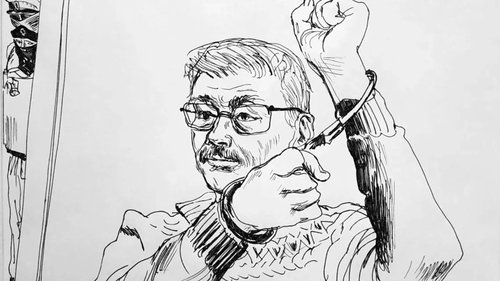
In Russia, criticizing the war in Ukraine or Vladimir Putin’s regime has become a crime. Thousands of ordinary citizens are being arrested, tried, and imprisoned. They are called “Politzek”: political prisoners. Filmed clandestinely over the course of more than a year, Politzek gives a platform to those who, despite the fear, continue to speak out against Putin’s repressive Russia. Through the intersecting stories of a teenager sentenced to five years in prison for criticizing the government on social media, a young artist jailed for placing anti-war stickers, a human rights activist, and two theater directors facing Kafkaesque trials, the film unveils the machinery of state repression in Russia. With rare footage, broken yet unyielding voices, this is a story of silenced resistance.

In the USSR, political prisoners who were scientists were not always sent to GULAG, but also to The First Circle (named after Dante's Inferno), a special incarceration unit near Moscow where they could work for the government.
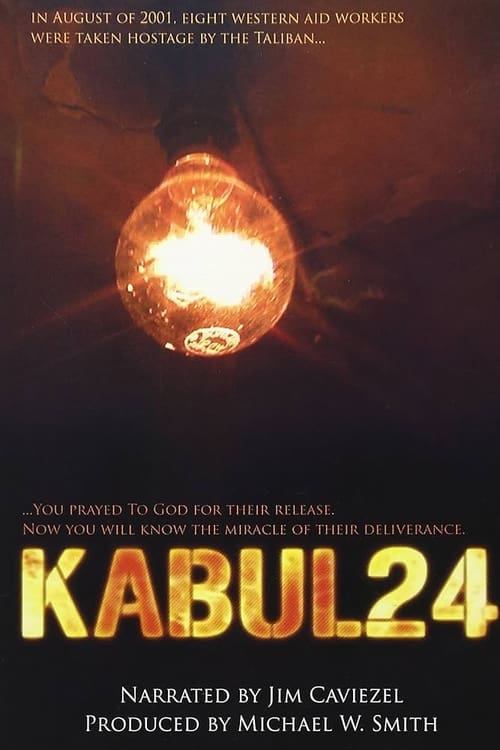
In the summer of 2001 the Taliban strategically captured 24 Shelter Now International Aid hostages that captured the attention of the world for more than three months. With representatives from the United States, Australia, Germany and Afghanistan, the Taliban set out to create an insurance policy against the pending attacks of September 11th. What transpired through their story was an overwhelming journey of faith, grace and endurance. Based on the true story as told by the captives, Kabul 24 captures the gantlet of their 105 days in captivity and the cruel treatment of the Muslim co-workers at the hands of the Taliban who accused them of converting to Christianity. Revisit their journey from the grueling interrogation to their sham "trial" before the Taliban Supreme Court, to the dangers endured during the bombing of Kabul and a crushing sense that the world had abandoned them.
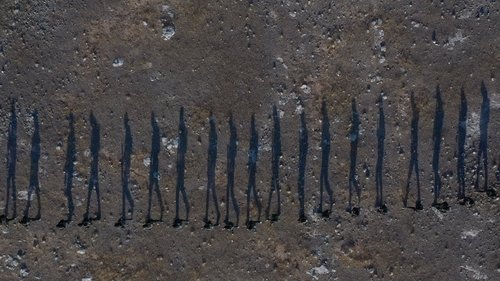
After the impressive Gulistan, Land of Roses (VdR 2016), the Kurdish filmmaker Zaynê Akyol returns with these conversations with imprisoned members of the Islamic State, alternating their words with aerial views of the countryside. An unexpected look at a far-reaching current political issue and a film whose subject matter and rhythm create an impressive cinematic object.
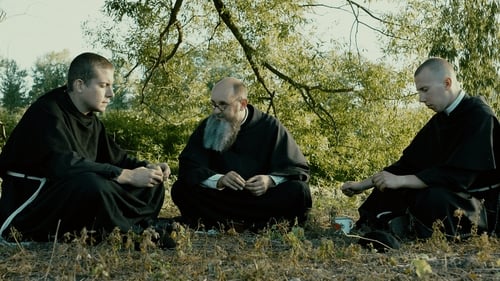
Recreation of facts and stories of both experts and people who met Maximilian Kolbe and were shocked by his words and actions.

Elderly inmates are dying mysteriously one after another in their prison cells.
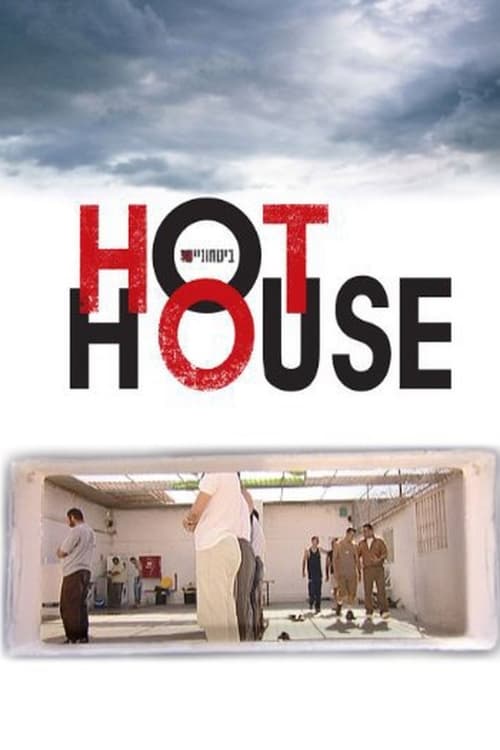
In a candid and unflinching portrait of Palestinian prisoners, Shimon Dotan takes viewers inside the highest security prisons in Israel where thousands of Palestinians fill these detention facilities.
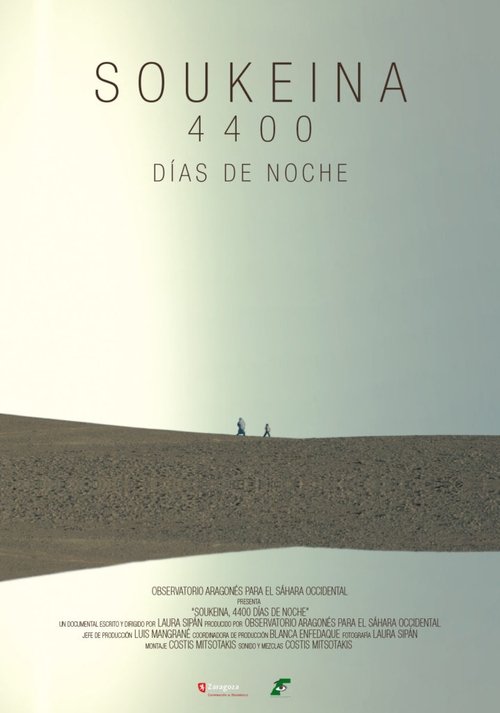
After the military occupation of Western Sahara in 1976, Moroccan government attacked the civil population with hard repression, forcing hundreds of Saharan people to “disappear” in clandestine jails. An invisible and slow death was the only horizon. However, some prisoners were able to survive after suffering their own “extinction” for more tan 10 years, ripped from their families, suffering torture, in total isolation. When they finally were released, their known world had changed radically.