
Action
Adventure
Animation
Comedy
Crime
Documentary
Drama
Family
Fantasy
History
Horror
Music
Mystery
Romance
Science Fiction
Thriller
War
Western
Found 12 movies, 0 TV shows, and 0 people
Can't find what you're looking for?

Dick Carew, the son of a soap-maker, and Dorothy Wilton, the daughter of a lawyer, meet in Paris, where they have gone from America to imbibe an atmosphere sicklied with artistic buncomb by the Cubists. The young man, visiting a cabaret, the meeting place of frowsy post-impressionists, is impressed with their windy theories, mainly denunciations of everything that common sense and decency understand. Dick is just ignorant enough about art to be impressed with this buncomb, and takes Dorothy to the Cubist.
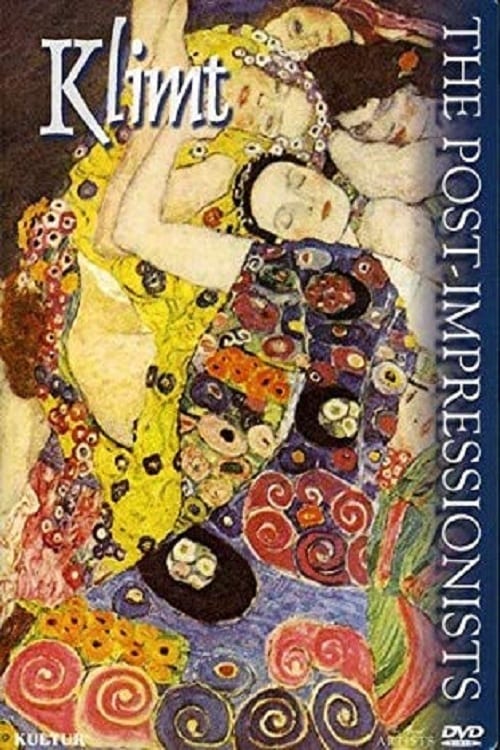
Gustav Klimt was an unlikely artistic rebel, but in early 20th century Vienna, the work of this mild-mannered painter created a scandal in his home city. Having enjoyed a conventionally successful early career, Klimt's art changed radically in his mid-thirties. He became leader of the Vienna Secession, a group of avant-garde artists who would change the conservative Viennese art scene forever. Klimt¹s own work became increasingly erotic in nature. His deeply sensual portraits of Viennese women still make a powerful impression upon the modern viewer.
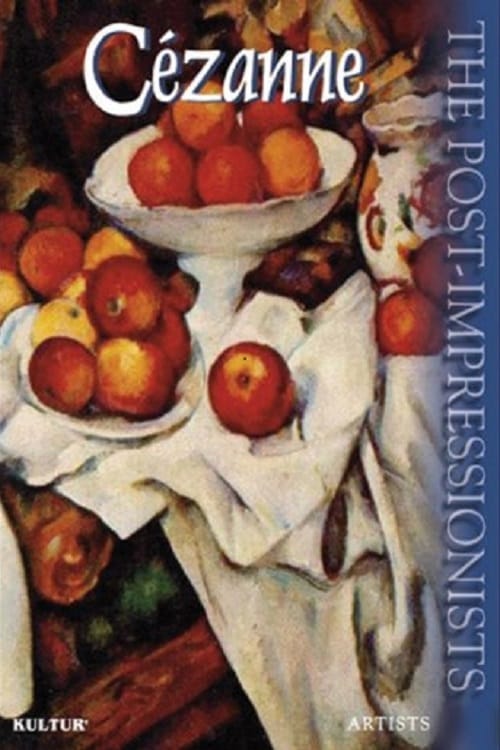
Paul Cézanne sought a method of capturing the underlying structure of any subject matter. His eventual triumph derived from a revolutionary new approach to color and to perspective. His paintings were often derided by the critics, but by the end of his life, his genius was beginning to be appreciated. Cézanne's influence on 20th century artists was so great that he is now referred to as the "Father of Modern Painting."
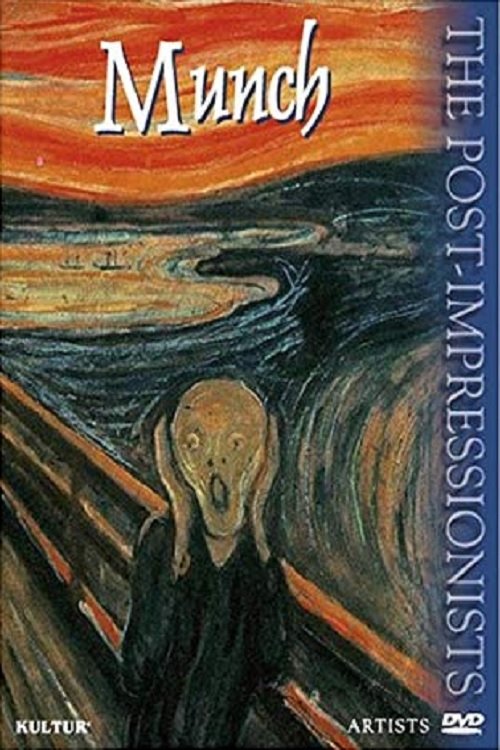
In 1893, a Norwegian artist created a masterpiece which became a defining image of the 20th Century. The Scream is a picture whose sense of anguish reveals much about our own lives, as well as the life of its creator. All his life, Edvard Munch suffered the consequences of a childhood surrounded by madness and death.
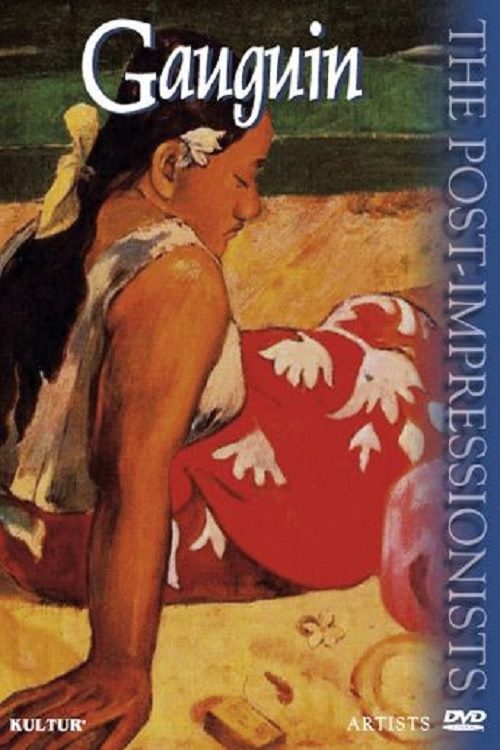
Paul Gauguin was thirty-five when he made the momentous decision to abandon his lucrative career as a Paris stockbroker and devote himself full-time to painting. Gauguin's bold use of flat, unmixed color gave his paintings a strong sense of personal expression, but his work struggled to find acceptance at the time. Poverty and obscurity dominated Gauguin's years as an artist. Not even a move to Tahiti could bring him happiness. Yet the paintings that he created there are now recognized as masterpieces of the Post-Impressionist age.
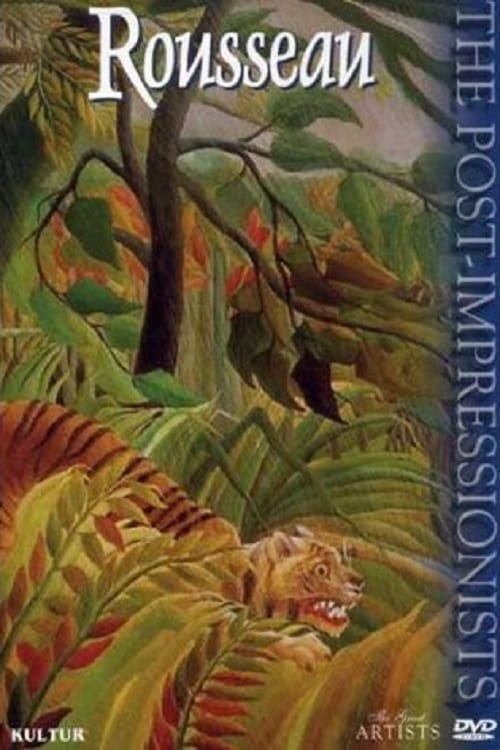
Henri Rousseau was a true amateur. His professional life was spent working as a customs official. But in his spare time, he painted and was utterly convinced of the greatness of his art, despite his complete lack of formal training. Although he was heavily criticized by many for his use of brightly colored images and child-like techniques, he did bring a sense of vitality, charm and innocence to his painting.
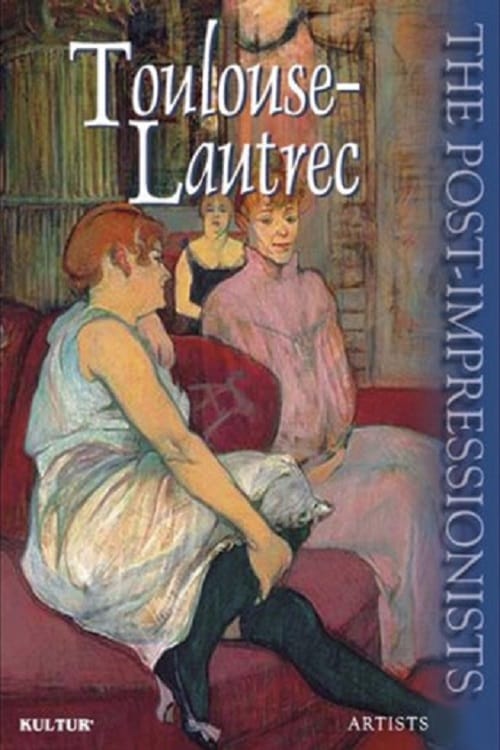
Henri Toulouse-Lautrec was ultimately, a tragic figure in the history of art. Crippled by an ill-proportioned body, he lived for just 36 years before the effects of alcoholism and syphilis took their final toll. His dissolute life spent in the brothels and nightclubs of late 19th century Paris provided the subject matter for his finest work. His radical, boldly-colored paintings and posters of the famous Moulin Rouge nightclub succeeded in conveying the unique feeling and energy of contemporary Parisian nightlife.
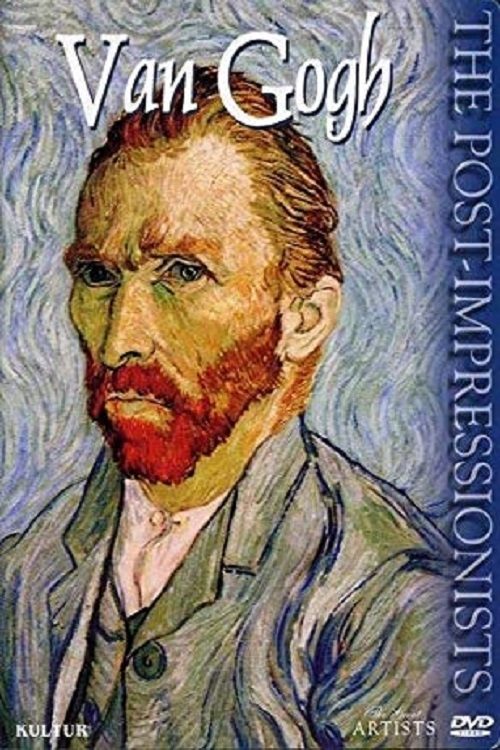
Brilliant but tormented Dutch painter Vincent van Gogh is profiled through his art, his letters and expert commentary in this engrossing documentary. Famous for his thick, swirling brushstrokes, van Gogh -- the son of a pastor -- battled frequent bouts of madness throughout his short life and committed suicide at age 37. Though he was once the quintessential starving artist, his masterpieces now fetch millions of dollars.

Two friends battle boredom with the power of their bong and marijuana, but failed to consider the perils of smoking on the couch.
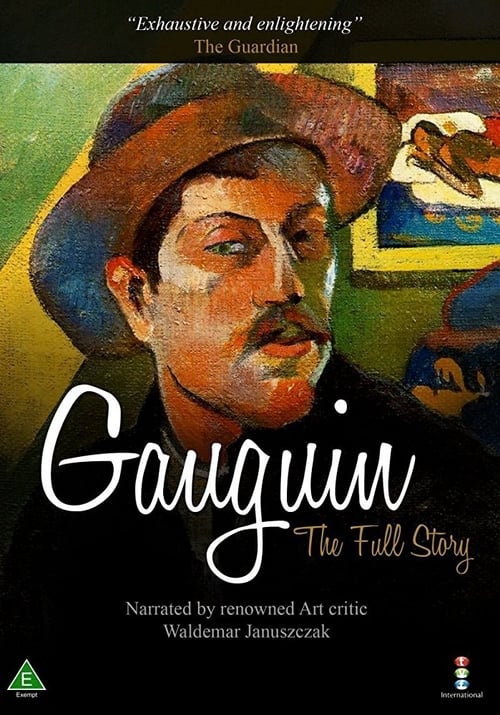
Art critic and broadcaster Waldemar Januszczak wrote and directed this examination of a man who was not only a great painter but sculptor, wood carver, musician, print maker, journalist and ceramicist. As well as telling the remarkable story of Gauguin's life, Januszczak also celebrates Gauguin's achievements and examines the various accusations of sexual misconduct, familial neglect and racism that are frequently made against him.
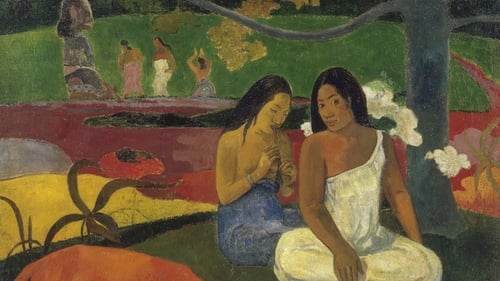
Gauguin’s vivid artworks sell for millions. He was an inspired and committed multi-media artist who worked with the Impressionists and had a tempestuous relationship with Vincent van Gogh. But he was also a competitive and rapacious man who left his wife to bring up five children and used his colonial privilege to travel to Polynesia, where in his 40s he took ‘wives’ between 13 and 15 years old, creating images of them and their world that promoted a fantasy paradise of an unspoilt Eden in the Pacific. Later, he challenged the colonial authorities and the Catholic Church in defence of the indigenous people, dying in the Marquesas Islands in 1903, sick, impoverished and alone.
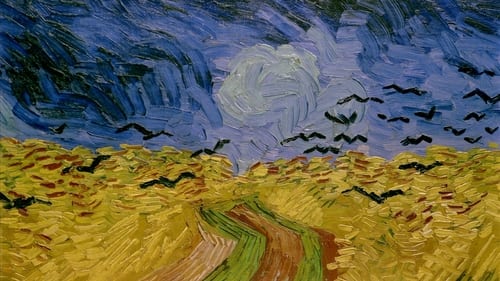
An artistic view of Van Gogh as if this movie is self narrated by himself.