
Action
Adventure
Animation
Comedy
Crime
Documentary
Drama
Family
Fantasy
History
Horror
Music
Mystery
Romance
Science Fiction
Thriller
War
Western
Found 7 movies, 0 TV shows, and 2 people
Can't find what you're looking for?
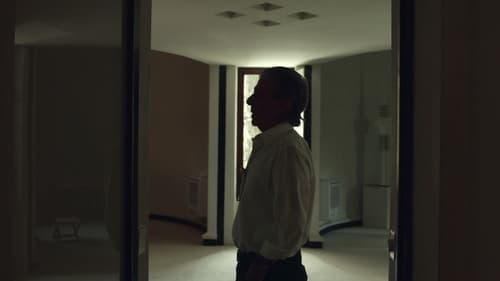
There are houses, and then there’s Ricardo Bofill’s house: a brutalist former cement factory of epic proportions on the outskirts of Barcelona, Spain. A grandiose monument to industrial architecture in the Catalonian town of Sant Just Desvern, La Fabrica is a poetic and personal space that redefines the notion of the conventional home. “Nowadays we want everyone who comes through our door to feel comfortable, but that's not Bofill’s idea here,” says filmmaker Albert Moya, who directed latest installment of In Residence. “It goes much further, you connect with the space in a more spiritual way.” Rising above lush gardens that mask the grounds’ unglamorous roots, the eight remaining silos that once hosted an endless stream of workmen and heavy machinery now house both Bofill’s private life, and his award-winning architecture and urban design practice.
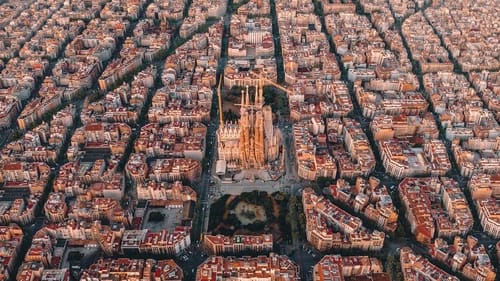
A native of the capital of Catalonia, the architect-urban planner, to whom we owe the Saint-Honoré market in Paris and the Donnelley Building in Chicago, speaks of Barcelona with infectious passion. "It's a unique city, difficult to understand with conventional diagrams, he explains, criss-crossing the main arteries of the city". It is an unfinished city, constantly changing, where everything has the charm of the unfinished". With a sharp eye, Ricardo Bofill observes and comments on volumes and scrolls. Standing, in the nave of the Sagrada Familia, arms outstretched, it pivots on itself as if to take in space. "You have to have your eyes wide open, move quietly, and at the same time remember what's behind. This is how we have the sense of space. Otherwise this art does not exist."

This session is based on an exceptional discovery: a series of silent Super-8 films found in the archives of Bofill Taller de Arquitectura, documenting the architectural practice of Ricardo Bofill and his circle in the late 1960s. The images bear witness to a period of creative effervescence and utopian impulses in which architecture expanded to embrace other artistic practices, including filmmaking.
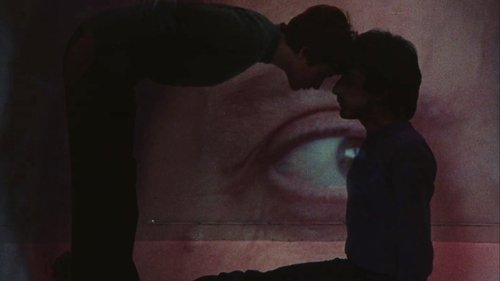
A mental patient in a psychiatric hospital is escorted into an operating room, where electrodes are attached to her scalp. The doctors dissect his brain and we enter the brain with a loud, jarring cry. In this space detached from reality, a group of actors perform elaborate interpretive dances. They jump, land on top of each other, place their hands on their bodies and form various shapes.
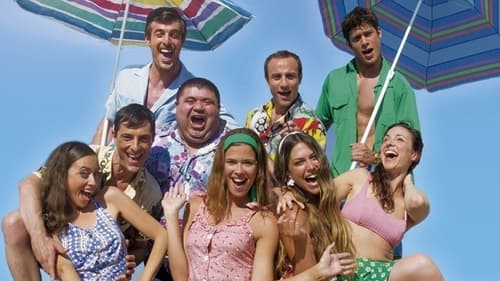
A crazy week-end in Ibiza for a farm girl who dreams of being a go-go dancer at a club. Her Fantasy almost fulfilled she will have to decide whether she is fitted for a tranquil life or the excitement of the last 48 hours. Un fin de semana loco en Ibiza para una chica campesina que suena con ser una bailarina a go-go en un club nocturno. Elegira la granja y su tranquilidad o la excitacion de las últimas 48 horas al borde del mar?
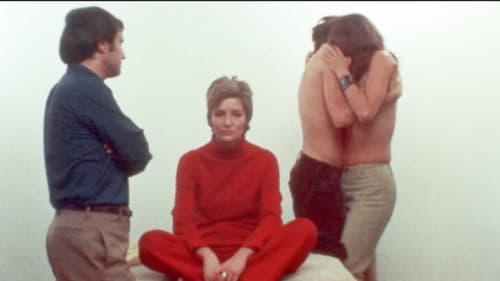
While waiting to get started on the production of his feature Liberxina 90 (1970), Carlos Duran shot this short (with very expressive support by several Escuela de Barcelona professors): a grimly colourful satire on modern society as such, and on its fascist Spanish variety in particular. "The intrusion into the private life of a human being, of the distinct tendencies that exist in the society we live in, until they fall into chaos." Carlos Durán
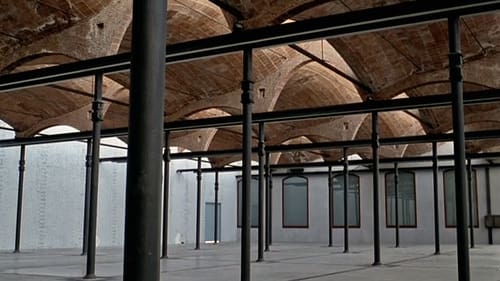
An itinerary through the great creations of Catalan art: Romanesque, Gothic, Modernist and Contemporary; with interviews to Catalan creators such as architect Ricardo Bofill, poet Pere Gimferrer, sculptor Susana Solano, and painter Antoni Tàpies.