
Action
Adventure
Animation
Comedy
Crime
Documentary
Drama
Family
Fantasy
History
Horror
Music
Mystery
Romance
Science Fiction
Thriller
War
Western
Found 34 movies, 2 TV shows, and 0 people
Can't find what you're looking for?

Throughout the vast universe, all celestial bodies move precisely within their own orbits. Under the heavens, mountains, rivers, and lakes all have their boundaries, and all creatures live and reproduce throughout the four seasons in accordance with the laws of life…. This is all so exquisitely designed—is there a Mighty One ruling and arranging all this?

Trump's Big FUSS is a powerful acronym capturing Trump's vision for America and his fight for US sovereignty, standing firm against globalist elitists.

It's 2047. Every human being is identified and traced by large surveillance and censorship networks. A few freethinkers have created an encrypted network of alternative research and information, making it harder for law enforcement to track down. Among them, a teenage girl, Serena, is secretly developing glasses to reveal vortices: doorways to other dimensions.
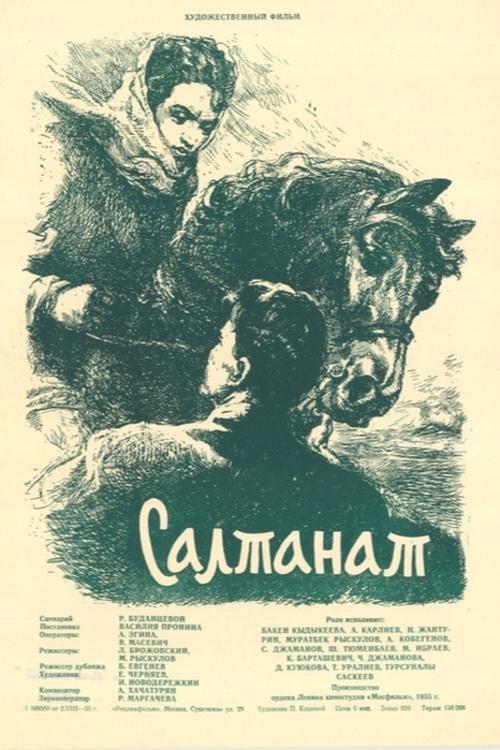
A high-mountainous region of Kyrgyzstan. A raging disaster nearly takes the life of a girl named Saltanat, a young zootechnician from a high-mountain collective farm. She is found in the snow and rescued by a researcher Joomart. From him Saltanat learns about plans to turn barren plateaus into abundant pastures. A bold idea fascinates Saltanat. She becomes Joomart's friend and ally in the struggle for the conquest of nature.

Indigenous curator Nigel Borell’s groundbreaking Māori art exhibition becomes both a cultural triumph and a battleground for power, captured with extraordinary behind the scenes access in Chelsea Winstanley’s directorial feature debut, TOITŪ: Visual Sovereignty.
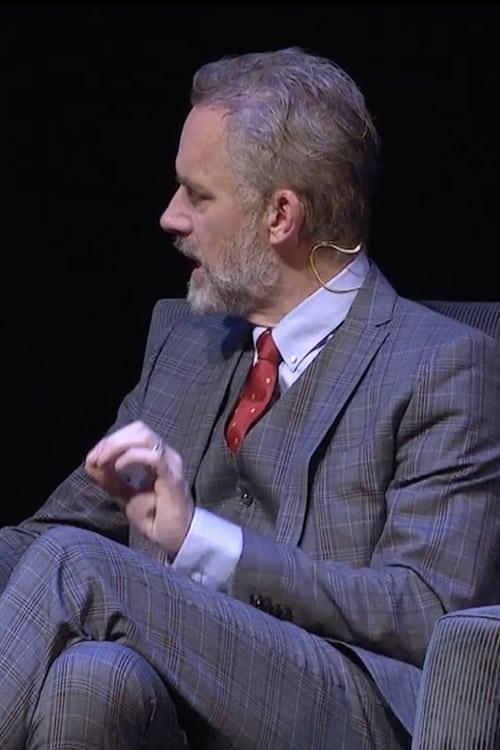
Why has the idea of individual sovereignty been granted such primacy of place in free Western societies? Why were the men who formulated the Declaration of Independence willing to declare: “We hold these truths to be self-evident, that all men are created equal, that they are endowed by their Creator with certain unalienable Rights, that among these are Life, Liberty and the pursuit of Happiness," and, further, to insist "That to secure these rights, Governments are instituted among Men, deriving their just powers from the consent of the governed." Why, as well, are ideas of individual sovereignty, which have proved so successful in guaranteeing freedom and prosperity in the West and, increasingly, around the world, under attack, by those on the left and the right who offer collective identity as an alternative?

The journey of a passionate violinist and a reclusive artist during Ireland's War of Independence. As they channel their creativity amidst the tumult of conflict, their paths converge in a moment of stillness when the sounds of battle fade, revealing the elusive promise of peace on the horizon.

No description available for this movie.
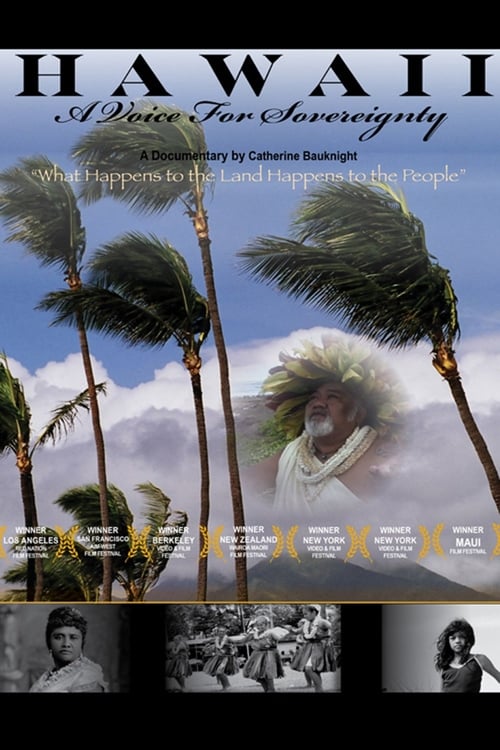
The goal of Hawaii, a Voice for Sovereignty is to raise awareness of the issues that threaten the Hawaiians ancient and once-environmentally-sustainable culture. It is an epic documentary about Hawaiian spirituality and the peoples close connection to the land. It focuses on the complicated social, economic and ecological issues that have arisen in Hawaii since the overthrow of Queen Liliuokalani by the United States in 1893. For Hawaiians, sovereignty is the legal, political and moral right to live on and care for the land; build and grow a sustainable economy; protect natural resources; practice spiritual and cultural traditions; honor their ancestral past; and care for family and community. The film is in the voice of native Hawaiian people who address the issues they continue to face in their long struggle to regain sovereignty over their rights and the native lands lost after the U.S. businessmen and military overthrew the Kingdom of Hawaii.
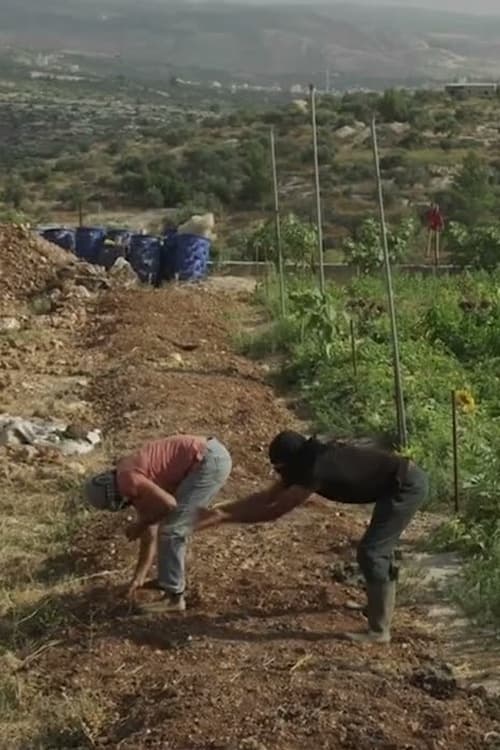
Untold Revolution documents the beginning of the journey of the agricultural movement towards food sovereignty in Palestine, from an emancipatory ideological standpoint that seeks to break away from the dependence on the Israeli occupier and the global monopolistic companies. The movement advocates for the adoption of food production systems that are based on natural resources, local production inputs, values of cooperation, and agricultural practices that are culturally, environmentally, socially, economically, and nationally appropriate for the Palestinian context.
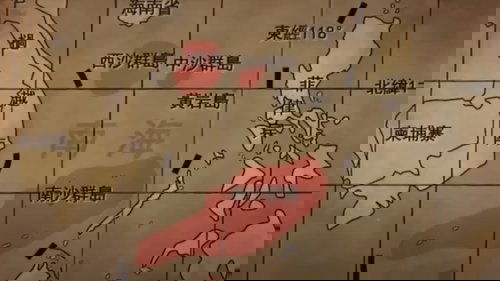
"Sovereignty at Stake" is a groundbreaking CGTN documentary that explores the complexities of the South China Sea issue, addressing global inquiries on this contentious topic. Through individual narratives and authoritative interviews, the documentary offers valuable insights into the historical background, legal principles and geopolitical dynamics.
The movement La Via Campesina and its struggle for peasant’s agriculture and food sovereignty all around the world.
On the Crow Reservation, where food sources are already scarce, the one affordable grocery store has burned down and tribal members are restricted from their traditional hunting grounds. Crow Country: Our Right to Food Sovereignty follows several tribal members who are fighting for better food and a better future for their community.
Path to Sovereignty
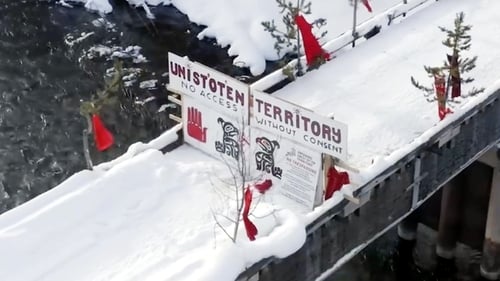
In this era of “reconciliation”, Indigenous land is still being taken at gunpoint. Unist’ot’en Camp, Gidimt’en checkpoint and the larger Wet’suwet’en Nation are standing up to the Canadian government and corporations who continue colonial violence against Indigenous people. The Unist’ot’en Camp has been a beacon of resistance for nearly 10 years. It is a healing space for Indigenous people and settlers alike, and an active example of decolonization. The violence, environmental destruction, and disregard for human rights following TC Energy (formerly TransCanada) / Coastal GasLink’s interim injunction has been devastating to bear, but this fight is far from over.

Struggling single father Jerry indoctrinates his son Joe into the sovereign citizen movement, teaching him that laws are mere illusions and freedom is something you take. But, as Jerry’s ideology consumes them, they are set on a collision course with a police chief who has spent his life upholding the rules that Jerry has spent his tearing down.
BREAKING POINT brings viewers back to those tense, critical moments when Canada's future as a country was at stake.
The documentary follows The Iroquois Nationals Lacrosse Team on the road as they compete in the 2015 World Box Lacrosse Championships. For the first time ever, the Championship Games were held on an Indian Reservation, in Onondaga in upstate New York, the Capitol of the Iroquois Confederacy.
In Nevada’s remote Thacker Pass, a fight for our future is playing out between local Indigenous tribes and powerful state and corporate entities hellbent on mining the lithium beneath their land. Vancouver-based Lithium Americas is developing a massive lithium mine at Thacker Pass, but for more than two years several local tribes and environmental organizations have tried to block or delay the mine in the courts and through direct action.
Presents the history of the conflict between the Canadian government and the Kwakiutl Indians of the Northwest Pacific over the ritual of the Potlatch. Archival photographs and films, wax roll sound recordings, police reports, the original potlatch files, and correspondence of agents form the basis of the reconstruction of period events, while the film centres on a Potlatch given today by the Cranmer family of Alert Bay.
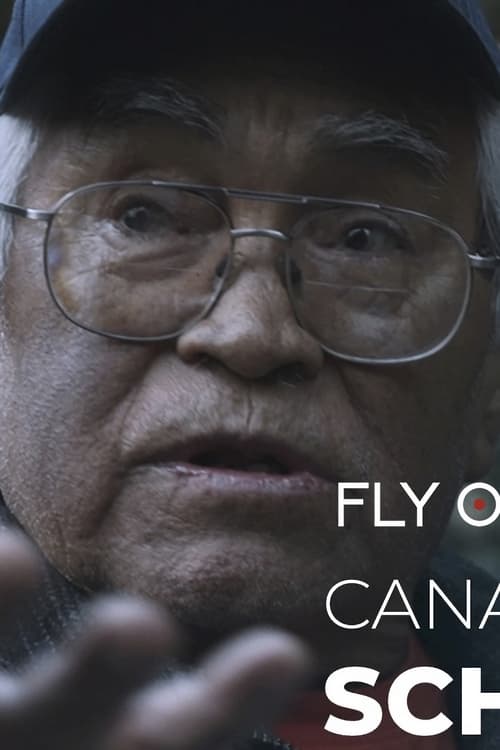
For more than 100 years, thousands of Indigenous children died while in Canada’s residential school system. Pacheedaht Elder Bill Jones survived, but he, like many others, experienced years of beatings and sexual abuse. The scandal has finally brought the Indigenous rights struggle into focus, none more so than at Fairy Creek, an area of forest on First Nations land that protesters are desperately trying to prevent from falling into the hands of logging companies.

In October 1970, members of the Front de Libération du Québec (FLQ) kidnapped and murdered Minister Pierre Laporte, part of an unprecedented crisis in Quebec. Fifty years later, Félix Rose tries to understand what could have led his father and uncle to commit such crimes. Thanks to his uncle Jacques, who agrees for the first time to speak on the subject, and to the traces left by his father Paul, he revives the heritage of a Quebec working class family. The fruit of ten years of research, Les Rose allows us to revisit a time and people that we knew through clichés, and gives a glimpse of the experiences of a rebellious youth and the crimes that followed.
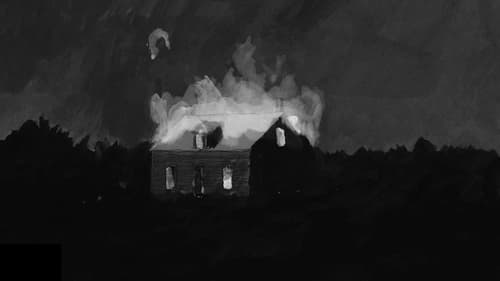
Determined to stop drinking, Joseph moves into a friend's house and convinces his ex-wife Emma to join him. In the troubled times of Quebec independence referendum, this is the account of their stormy reunion.
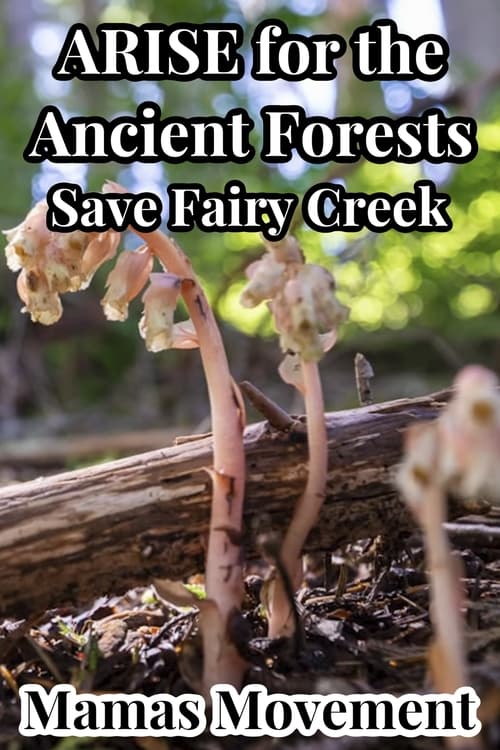
A film initially was released alongside an injunction granted from the BC court to Teal Jones, enabling them to forcibly remove forest protectors who have been sacrificing their worlds at home to stand and defend some of the last of the 2.7% remaining old-growth on Vancouver Island. In collaboration with filmmaker, Ian MacKenzie, the short-film depicts how much we truly depend on these Ancient Forests for our survival as well.
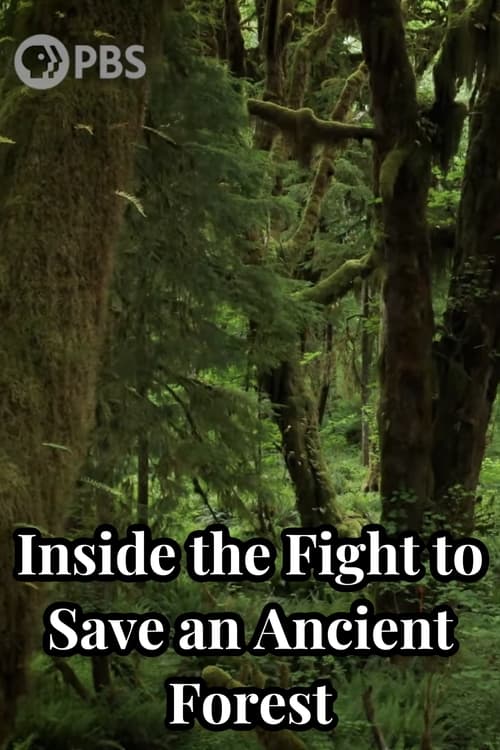
The ancient forests of the Pacific Northwest are home to giant trees and many secrets, which science is just beginning to understand. But these forests are at risk of disappearing. In British Columbia on First Nation territory, a small band of forest defenders are risking life and liberty to protect some of the last remaining ancient forests.

Opera by Harry Somers portraying Metis leader Louis Riel and his Northwest Rebellion. 1969 CBC-TV production based on the original 1967 opera.
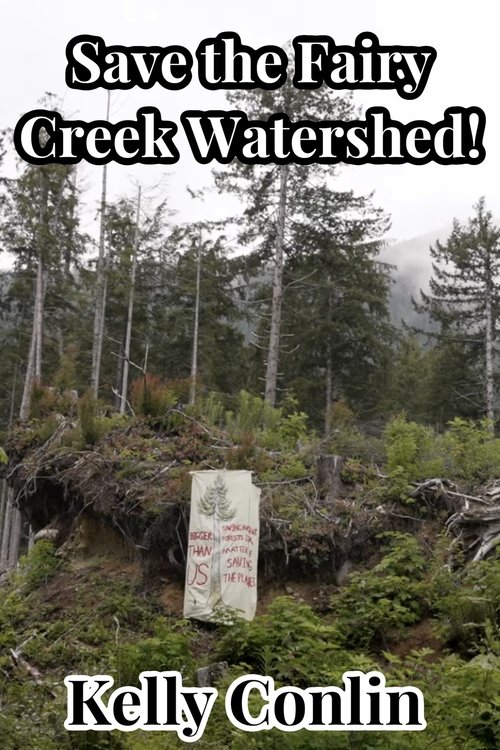
"A short documentary amplifying what I witnessed this past long weekend. I hope this film helps spread the word about the importance of the Fairy Creek Watershed. Ancient old growth trees, a watershed connecting waterways and endangered species are all on the chopping block at the Fairy Creek Blockade as RCMP have moved in to arrest peaceful protestors so Teal-Jones can log the watershed."
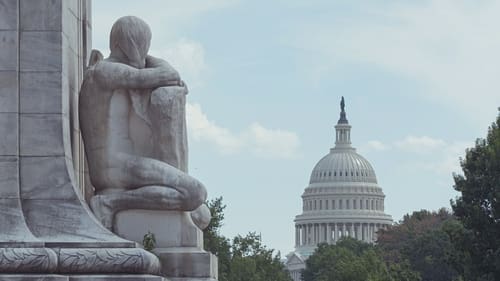
In a year of uprisings and political unrest, Stonebreakers documents the fights around monuments in the United States and explores the shifting landscapes of the nation's historical memory.
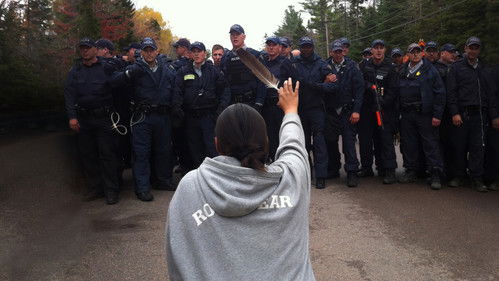
This short documentary revisits Mi’kmaq territory, where an iconic moment was captured in 2013—igniting into a symbol of Indigenous resistance and halting fracking exploration on unceded lands.
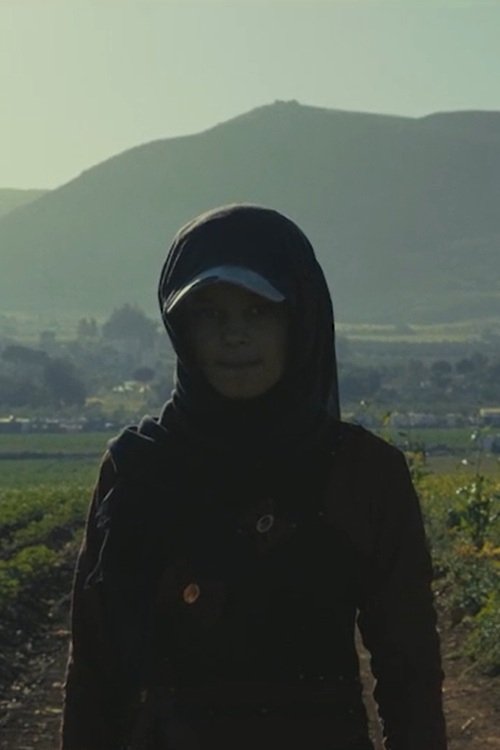
Wheat has long been vital to the Middle East, but the region relies on imports, leaving millions vulnerable. When Lebanon's grain silos exploded in 2020, the urgency of food sovereignty became clear.
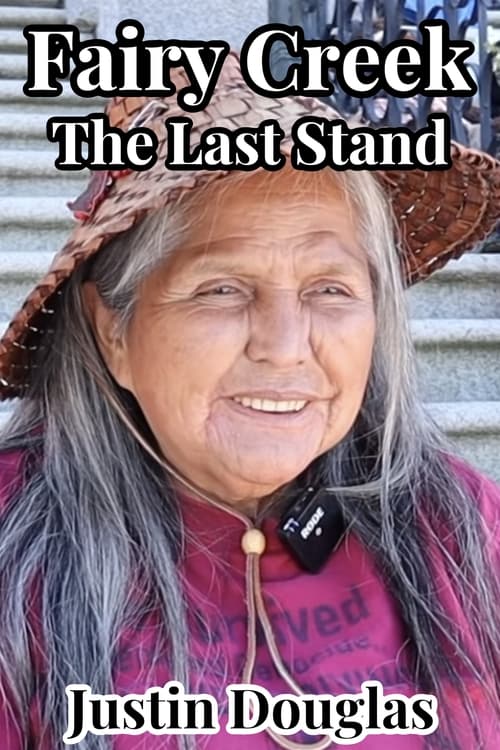
In less than 150 years, 97.3% of British Columbia's old growth forests have been logged. These ancient trees and their ecosystems have been lost forever. Fairy Creek (Ada'itsx), one of BC's last untouched old growth watersheds, lies on Southern Vancouver Island on the unceded territories of the Pacheedaht, Ditidaht and the Huu-ay-aht Nations. Despite Premier John Horgan's 2020 election promise to protect the remaining 2.7% of old growth forest, logging of Fairy Creek continues unabated. In August 2020, forest and land defenders began setting up blockades to prevent the destruction of this beautiful and fragile ecosystem. One year later, after mass civil action, over 500 arrests and intense public pressure, the conflict continues. This comprehensive and compelling documentary film sheds light on the issues around the logging and blockades, through conversations with Indigenous Elders, politicians, police, lawyers, front line activists, and many others.
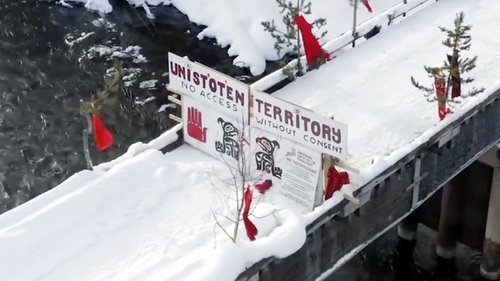
In this era of "reconciliation", Indigenous land is still being taken at gunpoint. INVASION is a new film about the Unist'ot'en Camp, Gidimt'en checkpoint, and the Wet'suwet'en Nation standing up to the Canadian government and corporations who continue colonial violence against indigenous people.
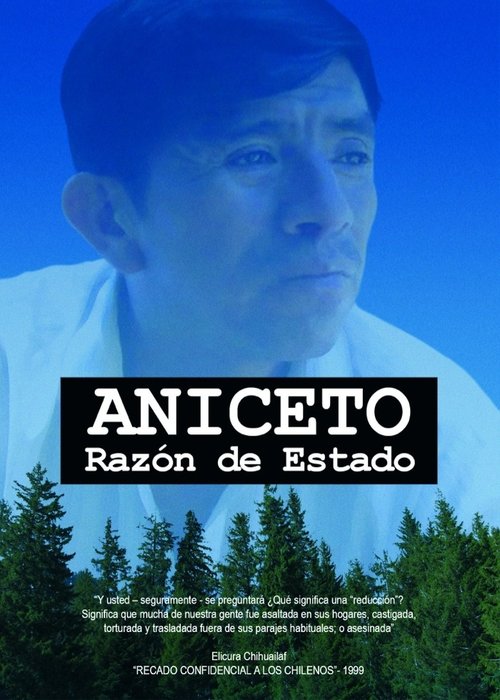
In the Araucanía Region, an area marked by historical relations between Mapuche and non-Mapuche people, the shooting of a police officer results in the death of a young Mapuche man. On the other hand, a community member who has been sentenced to 10 years in prison has been on a hunger strike for over one hundred days. In the background, we have the experience of Aniceto Norin, a Longko who has spent five years in prison for the crime of "Terrorist Threat," whose account allows us to understand his thoughts and the impact of assuming his role and his Mapuche identity.
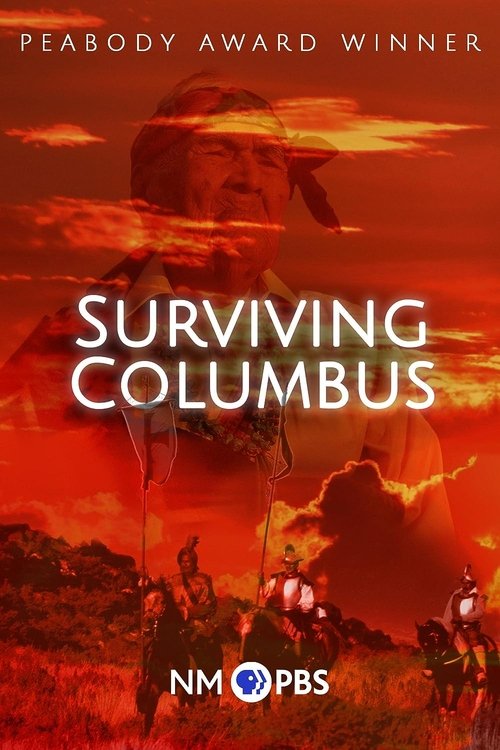
This Peabody Award-winning documentary from New Mexico PBS looks at the European arrival in the Americas from the perspective of the Pueblo Peoples.