
Action
Adventure
Animation
Comedy
Crime
Documentary
Drama
Family
Fantasy
History
Horror
Music
Mystery
Romance
Science Fiction
Thriller
War
Western
Found 13 movies, 1 TV show, and 0 people
Can't find what you're looking for?

No description available for this movie.
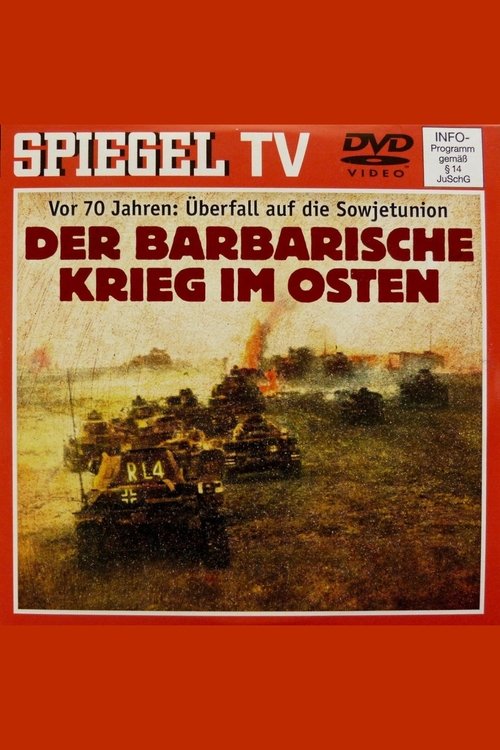
The documentary focuses on the German Wehrmacht’s invasion of Poland and the Soviet Union during World War II and its consequences for the German military. On June 22, 1941, “Operation Barbarossa” marked the start of a war of annihilation that claimed millions of lives. Hitler and his generals planned the destruction of the Soviet Union and its population. The Wehrmacht supported SS Einsatzgruppen in mass shootings and committed numerous war crimes. The anticipated quick victory failed to materialize due to a lack of reserves and alternative strategies, leading to the operation’s failure. Spiegel-TV author Nina Adler presents these events using previously unseen amateur footage from German soldiers and rare archival material from Russia. Expert interviews, including with military historian Rolf-Dieter Müller and authors Sönke Neitzel and Harald Welzer, round out the documentary and shed light on a war that forever changed the image of the Germans.
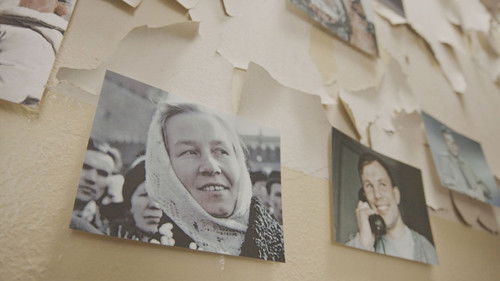
In the beginning, there was the dream of a better and fairer society. For millions of people; however, the Soviet dream became a nightmare. After all these years since its collapse, what still remains of the Soviet Union? How can one approach the complex history of the mighty Soviet empire today? Henrike Sandner (*1971 in Dresden) answers these questions in a very personal film. Her film episodically follows the history of the Soviet Union and the Soviet myths of greatness, heroes, new people and a new Soviet culture, based on her own story. The film lasts 52 minutes and spans the years 1917 to 1991 - a story of contrasts that juxtaposes different perspectives and realities. Private archive footage and photos contrast with "official" news, Soviet film material or DEFA film classics. A "short" and personal history of the Soviet Union.
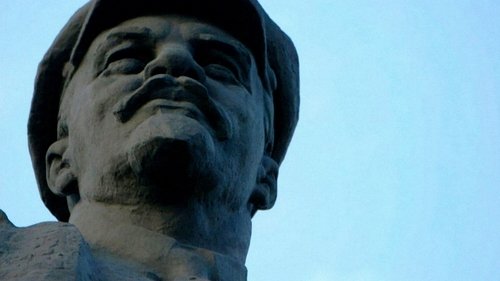
Thirty years ago, in 1991, the Soviet Union, founded in 1922, disappeared, giving birth to fifteen new states, located between the Baltic Sea and the Pamir mountain range, which went their own way. How many of these republics have succeeded? How much real influence does Moscow exert over them? What role do NATO and the European Union play in this very complicated economic and political maze?

No description available for this movie.
No description available for this movie.
No description available for this movie.
Amateur film by German ethnographer, church historian, and icon collector Martin Winkler, taken on several trips to the Soviet Union in the 1920s and 1930s.

French author Sylvain Tesson pays tribute to the heroes of the Russian Revolution as he crosses the Pamir mountain range in Tajikistan, which boasts a multitude of peaks at more than 7,000m. They will have the occasion to look back on some of the major figures and events of the Revolution. Lenin Peak, Revolution Peak, Karl Marx Peak, and also the October Glacier and the Soviet Officer range – all names which evoke the Revolution in these remarkable yet little-known locations. He is accompanied by two friends, author and lover of all things Russian, Cédric Gras, and the former Soviet mountaineering instructor, Nicolay Taran. Along the way, the author and his traveling companions observe the traces left by the former USSR on daily life here, and they listen to the memories of the populations who live in the Pamirs, whether Kyrgyz nomads on the high plateaus or Ismailis in the valleys. For Sylvain Tesson, the journey will serve as a source of inspiration for his future writing.
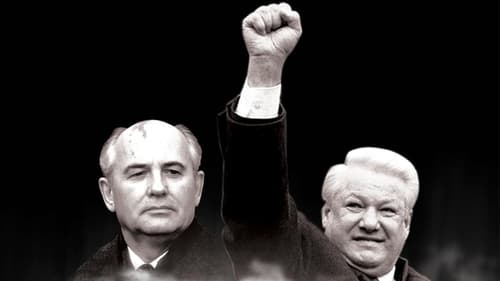
From 1989 to 1991 a string of unpredictable events happened that brought to light the rivalry between two men: Gorbachev, hindered by the economic results of his perestroika, and Yeltsin, embodying the hopes of the Russian people. Illustrated with interviews of top protagonists such as Mikhail Gobachev himself, the documentary recounts the critical last two years of the former USSR.
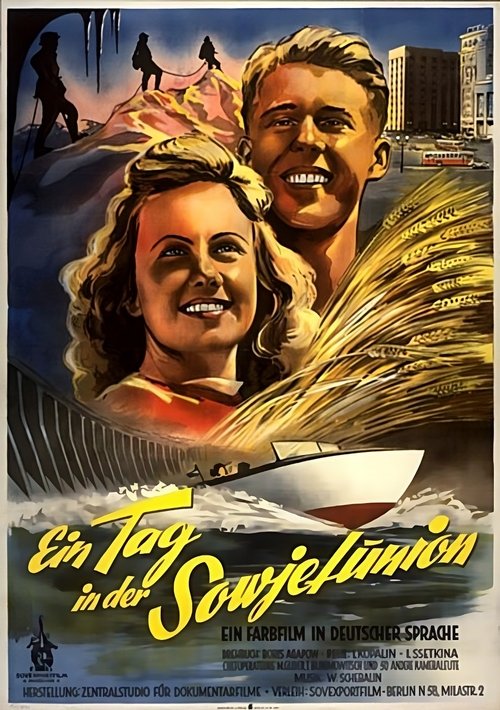
No description available for this movie.

A documentary released on DVD alongside the related documentary "Faithful Under Trials—Jehovah's Witnesses in the Soviet Union"
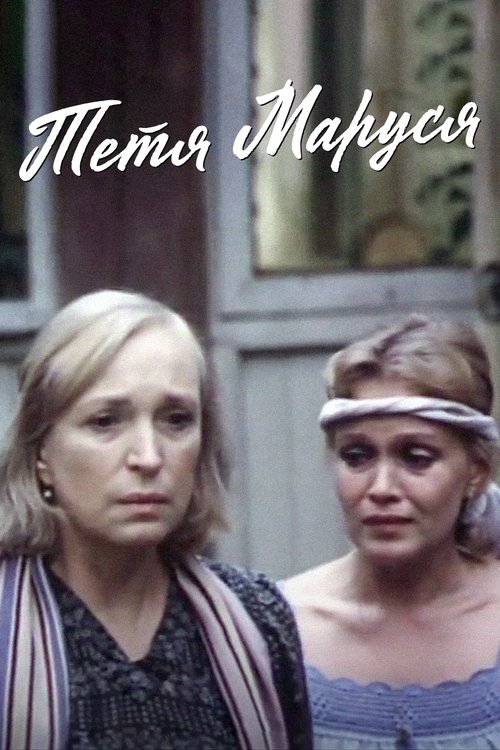
A simple Russian woman, having lost her husband and son, found herself in another family and raised someone else's child... Maria has been living with the Alimov family for over thirty years. Fate once brought her together with Larisa Alimova, who, due to illness, could not raise her son, Petya.