
Action
Adventure
Animation
Comedy
Crime
Documentary
Drama
Family
Fantasy
History
Horror
Music
Mystery
Romance
Science Fiction
Thriller
War
Western
Found 20 movies, 5 TV shows, and 0 people
Can't find what you're looking for?
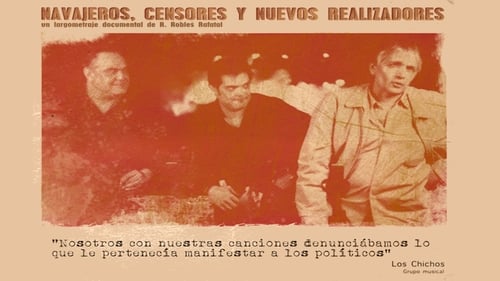
Spain. 1978. Year of the first democratic elections following the dictatorship, and of the birth cine quinqui (delinquent movies): films that rapidly became a big commercial success, showing things that were banned by the censorship not too long before.
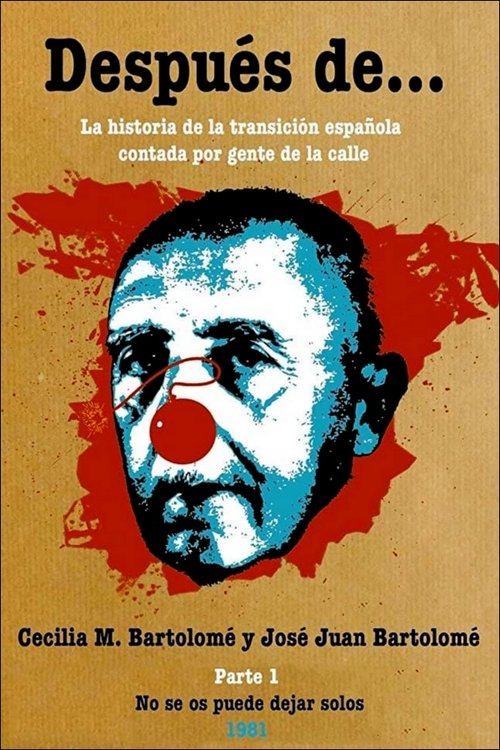
A history of the Spanish Transition told in first person by the main protagonists: on the one hand, the politicians, idealistic or merely opportunistic, who brought it to a successful conclusion in the tribunes and offices; on the other hand, the citizens who, in the streets, supported it sincerely or fought it with ferocity.
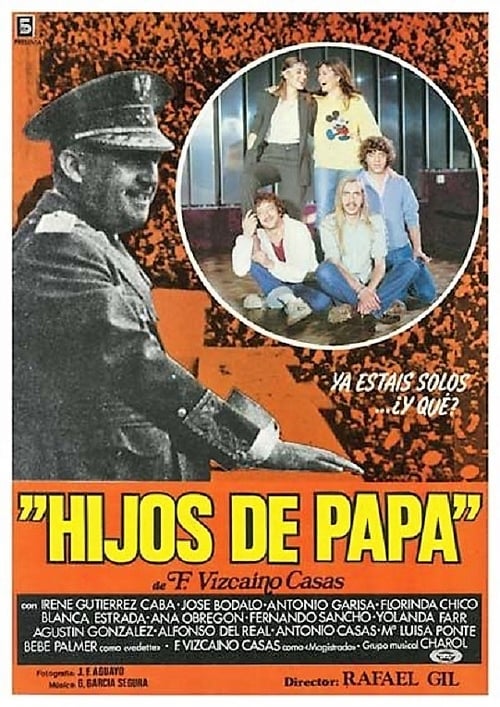
This satirical comedy follows the strict older generation pitting themselves against the pleasure-seeking youths, both in 1947 and in 1978.
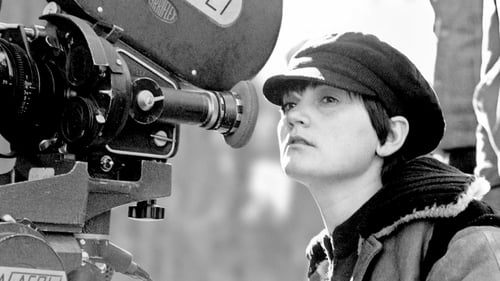
Forty years later, Guillermo Montesinos, the actor who played José María el Cepa in The Cuenca Crime (1980), directed by Pilar Miró, returns to the various locations where the shooting of the mythical film, narrating the infamous Grimaldos case (1910), took place.

A former Francoist becomes a democrat after the Spanish Transition
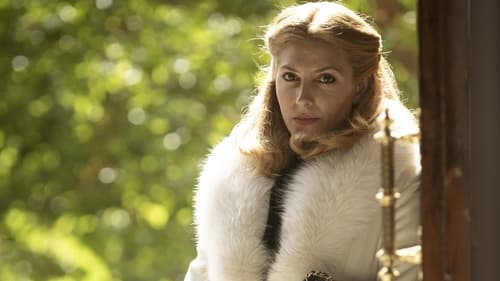
Alice Gould, a private investigator, pretends to be mentally ill in order to enter a psychiatric hospital and gather evidence for the case she is working on: the death of a patient in unclear circumstances.
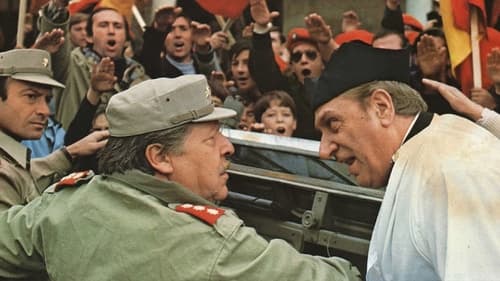
On November 20, 1978 a truck driver picks up a man on the road, that tells him to take him to Pardo's Palace. Soon, the truck driver begins to realize who this person is.
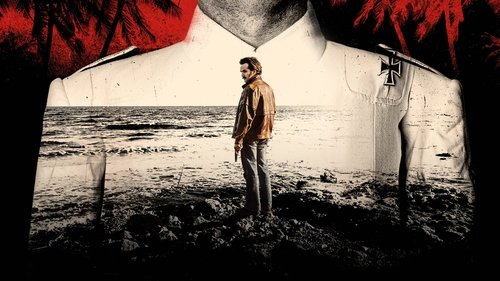
Spain, 1982. Andrés Expósito, a young police inspector, accepts a posting in Denia, a small town on the Mediterranean coast, in the hope of leading a quieter life and that the natural environment will help improve the fragile health of his daughter; but once in his new post he becomes involved by chance in the investigation of the strange death of the inspector he has come to replace.
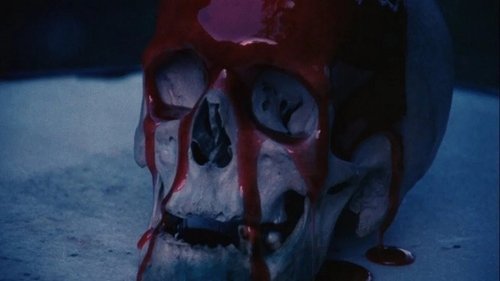
Spain, 1975. Franco's death opens the door to the possibility of uncensored cinema. After two years of relaxed censorship, it is abolished in 1977, and the “S” rating is created to protect viewers from films that may “offend their sensibilities.”
Barcelona, Spain, June 1977. A chronicle of a demonstration held to demand the repeal of a 1970 Francoist law criminalizing homeless, prostitutes and homosexuals.
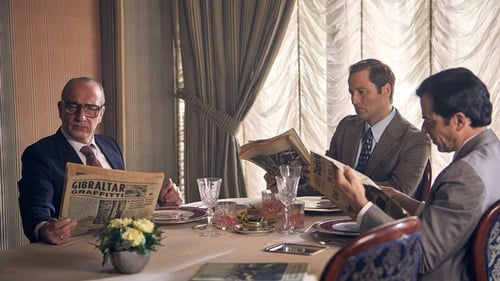
No description available for this movie.
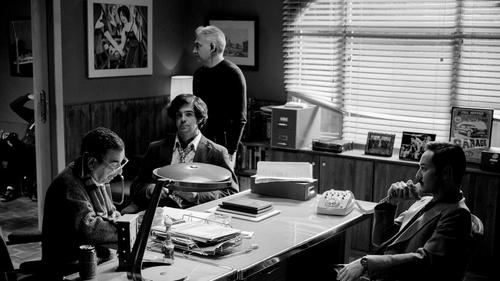
Madrid, Spain, 1975; shortly after the end of the Franco dictatorship. Six months after the mysterious death of his lover, a prestigious tailor, a married woman visits the office of the young Germán Areta, a former police officer turned private detective, to request his professional services.
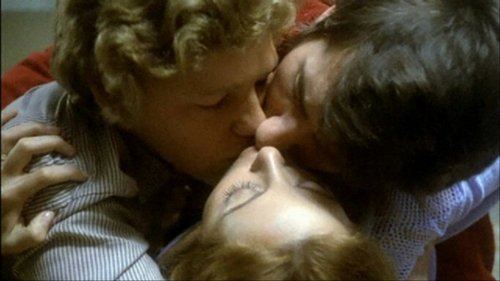
Roberto, a leader and follower of the ideals of his radical leftist opposition party, can’t resist the cheap beautiful street teenagers that are thrown his way for various pleasures.
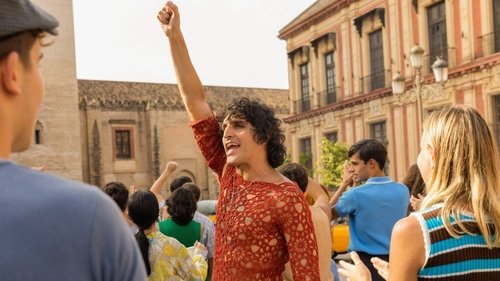
Seville, 1977. At a time when homosexuality is a crime, Reme, a traditional mother moved by the love of her son, an adolescent aspiring artist, will become involved in the Andalusian LGBTQ+ movement, paradoxically born in the bosom of the Church.

Marina, 18, orphaned at a young age, must travel to Spain’s Atlantic coast to obtain a signature for a scholarship application from the paternal grandparents she has never met. She navigates a sea of new aunts, uncles, and cousins, uncertain whether she will be embraced or met with resistance. Stirring long-buried emotions, reviving tenderness, and uncovering unspoken wounds tied to the past, Marina pieces together the fragmented and often contradictory memories of the parents she barely remembers.
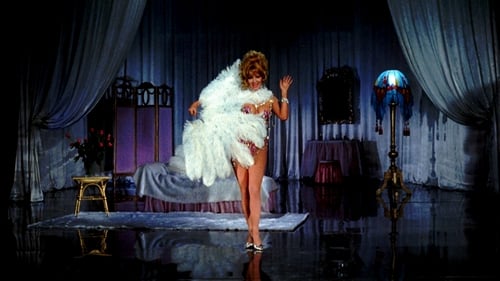
What was the role of women in Spanish cinema from the 1930s to the present explained through fragments of different films, both fiction and non-fiction. (Followed by “Manda huevos,” 2016.)
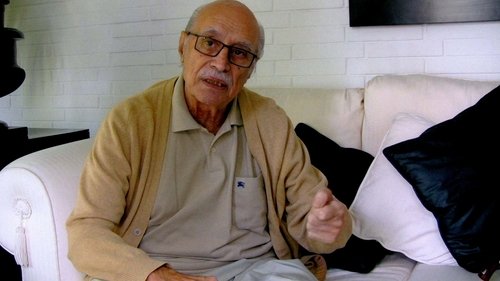
Spanish jurist and republican thinker Antonio García-Trevijano (1927-2018) expounds his political thought and reflects on the recent political history of Spain.
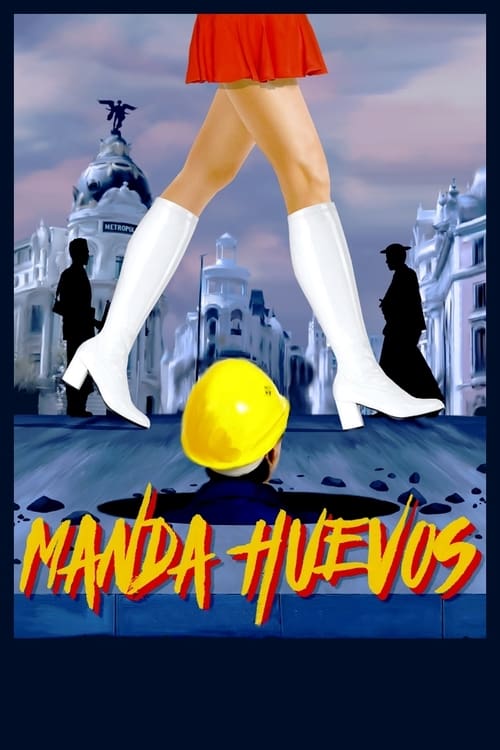
A look at the different masculinities portrayed in Spanish cinema through time. (A sequel to “Barefoot in the Kitchen,” 2013.)
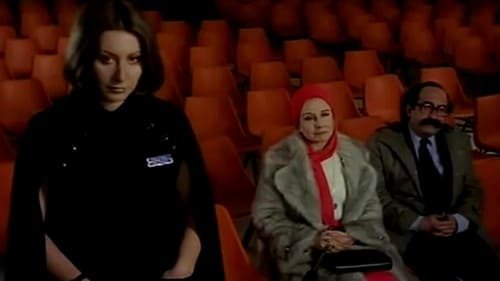
Manoli and Fernando, a couple of communist ideas, want to live their love freely, fleeing from any bourgeois convention. At first, the couple rejects the help of her parents, but soon they will begin to give in and accept all kinds of comforts.
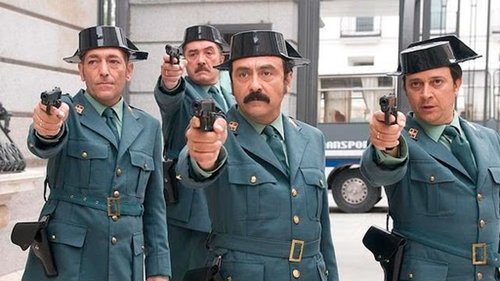
The failed coup d'état of February 23, 1981, which began with the capture of the Congress of Deputies and ended with the release of parliamentarians, put at serious risk the Spanish democracy.