
Action
Adventure
Animation
Comedy
Crime
Documentary
Drama
Family
Fantasy
History
Horror
Music
Mystery
Romance
Science Fiction
Thriller
War
Western
Found 21 movies, 2 TV shows, and 0 people
Can't find what you're looking for?

July Revolution was a pro-democratic mass uprising in Bangladesh. It began as a quota reform movement in early June 2024, led by university students, after the Bangladesh Supreme Court invalidated the government's 2018 circular regarding job quotas in the public sector. The movement escalated into a full-fledged mass uprising after the government carried out mass killings of protesters, known as July massacre, by the late of July. By early August, the movement evolved into a non-cooperation movement, ultimately leading to the ouster of the then-Prime Minister, Sheikh Hasina, who fled Bangladesh to India.
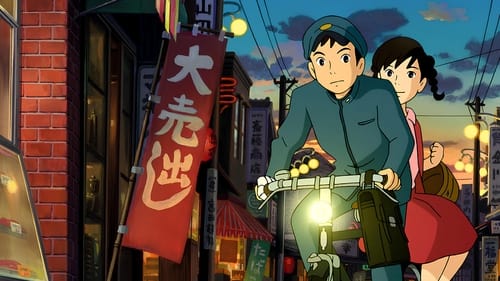
Yokohama, 1963. Japan is picking itself up from the devastation of World War II and preparing to host the 1964 Olympics—and the mood is one of both optimism and conflict as the young generation struggles to throw off the shackles of a troubled past. Against this backdrop of hope and change, a friendship begins to blossom between high school students Umi and Shun—but a buried secret from their past emerges to cast a shadow on the future and pull them apart.

When Isabelle and Theo invite Matthew to stay with them, what begins as a casual friendship ripens into a sensual voyage of discovery and desire in which nothing is off limits and everything is possible.

A swinging, hypocritical college student cat raises hell in a satirical vision of the 1960s.
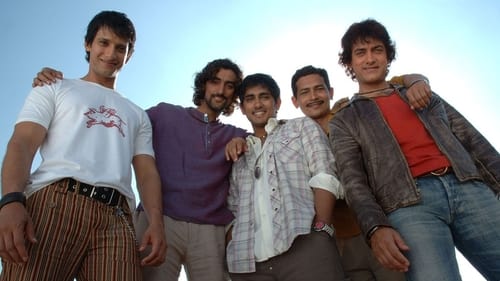
After a group of friends graduate from Delhi University, they listlessly haunt their old campus, until a British filmmaker casts them in a film she's making about freedom fighters under British rule. Although the group is largely apolitical, the tragic death of a friend owing to local government corruption awakens their patriotism. Inspired by the freedom fighters they represent in the film, the friends collectively decide to avenge the killing.

21 sequence shots depict moments in a defining night of the Battle of Rua Maria Antônia, in October 1968, from the point of view of the students and professors of the Left-wing Student Movement, in the Philosophy Faculty building of USP.
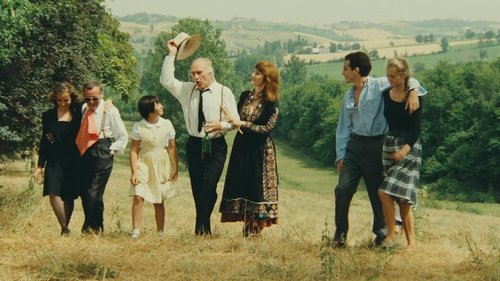
During the events of May 1968 in France, different worldviews of conflicting relatives collide in their family estate.
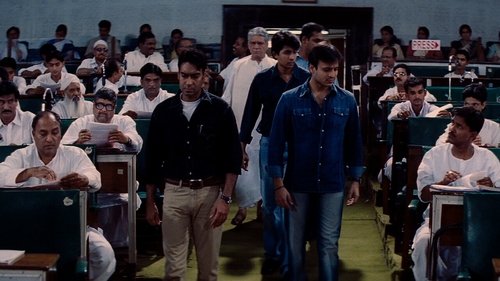
An accident on a bridge ties together three young men from different social classes, sparking a course of events that will forever alter their lives.
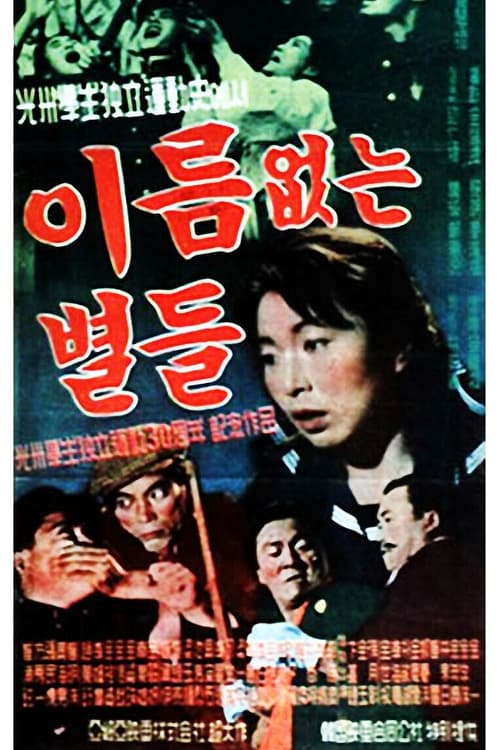
The son of a freedom fighter, Sang-hun is a member of an anti-Japanese resistance group called "Seongjinhoe," composed of students who share a dedication to the cause of liberation. Their spiritual guide is a teacher named Song Un-in. One day, Yeong-ae, whose brother is a detective in the Japanese police force charged with monitoring independence movements, joins their group. Following a series of sporadic incidents, the students gather one night to resolve on an uprising, but are discovered by the police. Young-ae is wrongfully accused of betraying their plans, but she risks her life in order to allow the group members to escape. The morning after, the students of Gwangju rise up against the Japanese government.
In the summer of revolt 1968, student Leobardo López Aretche captured the protests in Mexico City, and the state’s brutal response, up close – and like many of his subjects and fellow comrades, would pay a high price for his audacity. Fifty years later, his movie is no longer a secret.
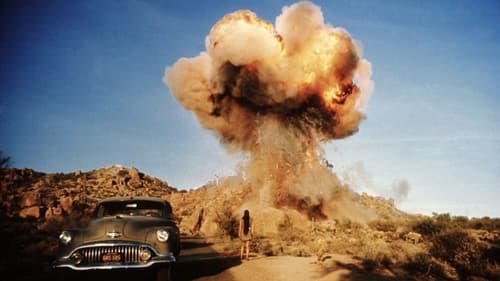
Anthropology student Daria, who's helping a property developer build a village in the Los Angeles desert, and dropout Mark, who's wanted by the authorities for allegedly killing a policeman during a student riot, accidentally encounter each other in Death Valley and soon begin an unrestrained romance.
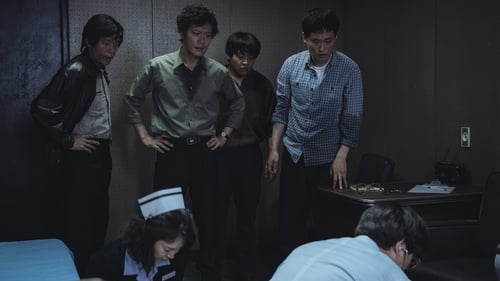
In January 1987, a 22-year-old college student dies during a police interrogation. Under the orders of Director Park, the police request the body to be cremated in order to destroy evidence. Public Prosecutor Choi, who was on duty on the day of the incident, denies the request and calls for an autopsy. The police maintain the lie that the death was a simple accident, resulting from shock. The autopsy results, however, point to torture as the cause of death. Yoon, a journalist following the case, reports that the death was a result of asphyxiation during torture. Director Park attempts to conceal the truth by ending the case, arresting two detectives including inspector Cho. While in prison, inspector Cho reveals the truth to prison guard Han Byung-yong, who embarks on a dangerous mission to relay the information to an opposition politician through his niece, Yeon-hee.
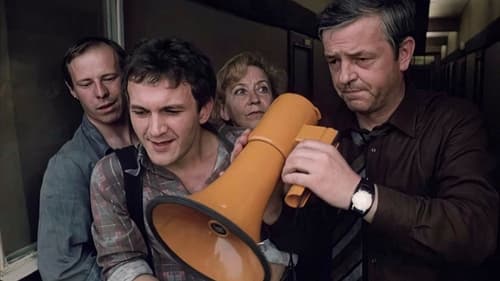
A dramatisation of the workers' protests in June 1976 in Radom, seen from the perspective of the local Secretary of the Polish United Workers' Party.
Directed in 1980 and released in 2013. On the issue of addiction in Iran in the 1980s. Mohsen's father is going to pass away soon due to an illness, however, Mohsen himself has been missing for 6 months. A BSc medicine student, he has become a drug addict and lost himself in the slums. Setting out to help him out of his conditions, and deliver his mother's care to him, his father starts searching for him. The movie is embedded in the social conditions of the 70s AD Iran, has a 70s Iranian chivalric tincture, religious color-as was the climate of the Iranian society at the time- and is blended with historic state propaganda. For the audience of that time, this movie would have received a fair score, as it touches on religious notions. However, the issue it addresses is far more complicated and sophisticated at this age, and its propaganda outlook can no longer attract significant commercial or critical attention.
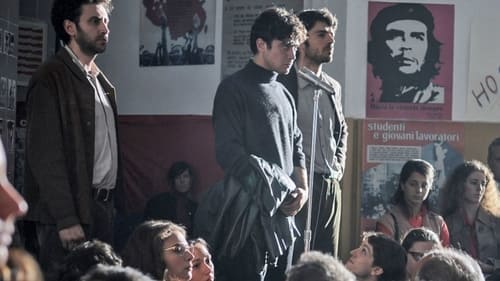
Italy, 1968. Aspiring actor Nicola enrolls in the police to pay for his studies, ending up undercover among college students protesting the government, the Vietnam War and the values of their parents' generation. However, he complicates his mission by falling for Laura, a bourgeois girl dreaming of a better world.
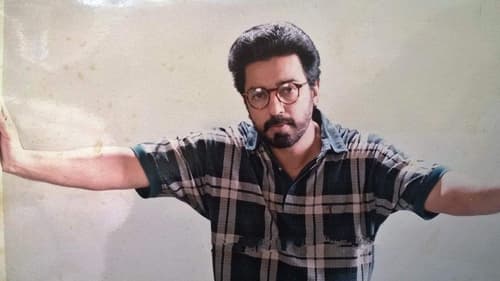
Selvam, the new vice principal of a college, tries to transform the behaviour of troublemaking students while fighting an inner war.
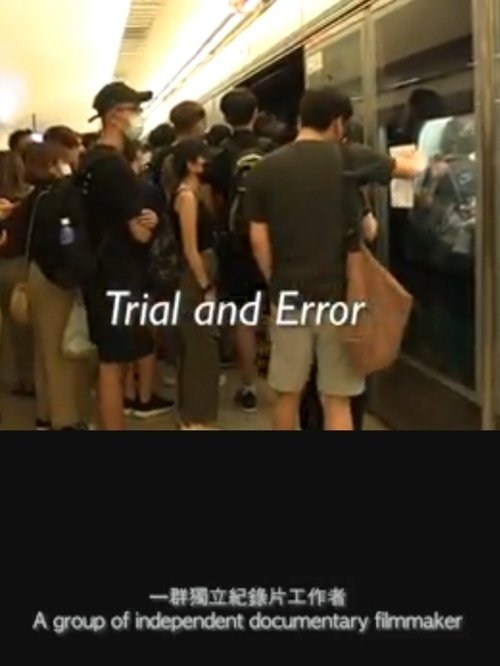
This Anti-ELAB (Anti-Extradition Law Amendment Bill) Movement documentary short takes us back to the airport occupation on 12 August 2019. Although this new form of protest soon turned into a crisis, it became an important lesson for the protesters. Compared to the tension inside the airport terminal, the long walk home at sunset on the Lantau highway, which connects the Hong Kong International Airport to the residential areas, felt like a reminiscence of a school field trip.
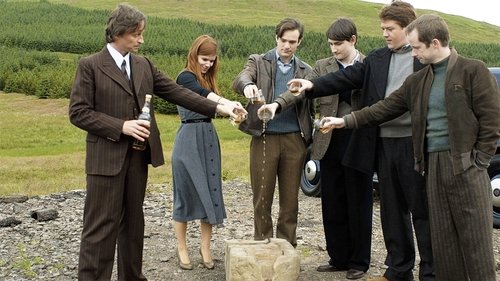
Tells of the daring heist of The Stone of Destiny in the 1950s by a charming group of idealistic Scottish undergraduates, whose action rekindled Scottish nationalistic pride.
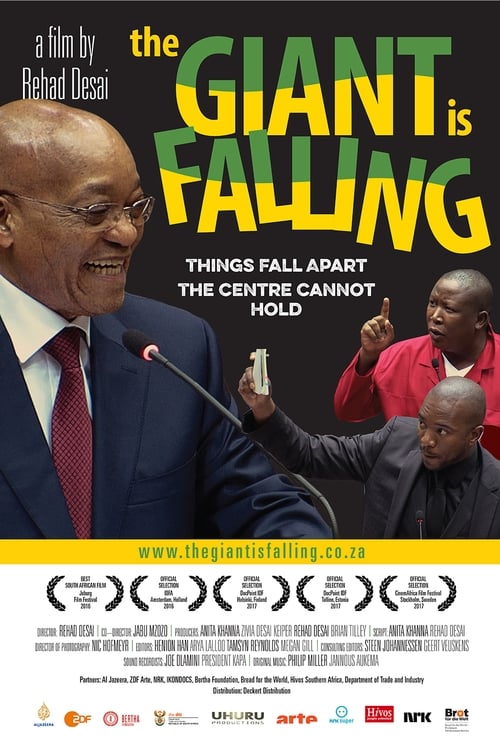
The film documents the key political issues in recent years in South Africa that have marked the demise of the African National Congress (ANC). These include the Marikana massacre in August 2012, whereby 34 striking miners were gunned down by the ANC government's police force. Rehad Desai documented this historic event in his 2013 film MINERS SHOT DOWN. He refers to the incident once again in his latest film and shows how the ANC is undermining its close connections to the trade unions it set up as a freedom movement under Nelson Mandela, and how students have also turned on the party to protest against tuition fees under the motto #FeesMustFall. The film's compelling footage unmasks the cynical despotism of corrupt president Jacob Zuma, who is chiefly responsible for the ANC's demise and its catastrophic losses at the most recent elections. It also introduces opposition movements that are challenging his now-untenable position.
On April 11, 1968, Rudi Dutschke is assassinated in West Berlin. He is regarded as the spokesman and symbolic figure of the socially critical, left-wing student movement. As a hate figure of right-wing media and neo-Nazis, he stands like no other for the radicalization of an anti-authoritarian movement. The assassination triggers the biggest political unrest in the still young Federal Republic of Germany. Alongside contemporary witnesses such as Knut Nevermann, Rainer Langhans, Stefan Aust, Barbara Sichtermann, Peter Wensierski, Thomas Giefer, Bahman Nirumand and Gretchen Dutschke, Rudi Dutschke himself provides the most important description of his person.
Divided into three parts (two documentary and one fictional), the film explores the early stages of the 1977 movement, between demonstrations and heated assemblies at the Circoli del Proletariato Giovanile of the State University of Milan. The daily difficulties and the search for redemption are told without rhetoric, but with a raw reflection on social marginalization.