
Action
Adventure
Animation
Comedy
Crime
Documentary
Drama
Family
Fantasy
History
Horror
Music
Mystery
Romance
Science Fiction
Thriller
War
Western
Found 54 movies, 21 TV shows, and 20 people
Can't find what you're looking for?

No description available for this movie.

Celebrating its 125th anniversary, the Viennese orchestra arrives in Trieste, Italy, to perform at the splendid Teatro Rossetti. Soloists include Michael Spyres and Tara Stafford, performing operetta arias by Johann Strauss and Franz Lehár. The Wiener Symphoniker are conducted by their new conductor Petr Popelka with pieces by Pyotr Ilyich Tchaikovsky completing the programme.
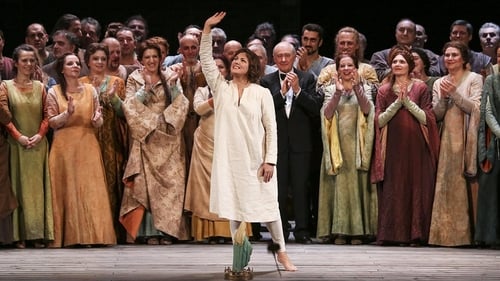
"Giovanna d'Arco; ossia, la pulzella d'Orléans" is an operatic dramma lirico with a prologue and three acts by Giuseppe Verdi to an Italian libretto by Temistocle Solera. The opera partly reflects the story of Joan of Arc and is based on a play by Friedrich von Schiller, although claimed by the librettist to be "an entirely original Italian drama." If the thought of Anna Netrebko strutting her stuff in a suit of armour and tin hat sets your factor tingling then this is a must. It's an inconsistent opera but has some quite wonderful music along the way. The rest of the cast is good and the production won't offend either. Get it for Ms Netrebko's incredible performance alone.
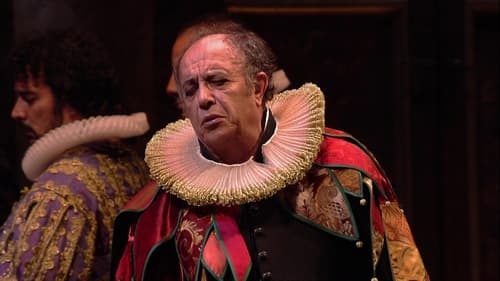
Live recording at Parma Verdi Festival 6 October, 2008. Massimo Zanetti conducting Orchestra e Coro del Teatro Regio di Parma. Stage director Stefano Vizioli.
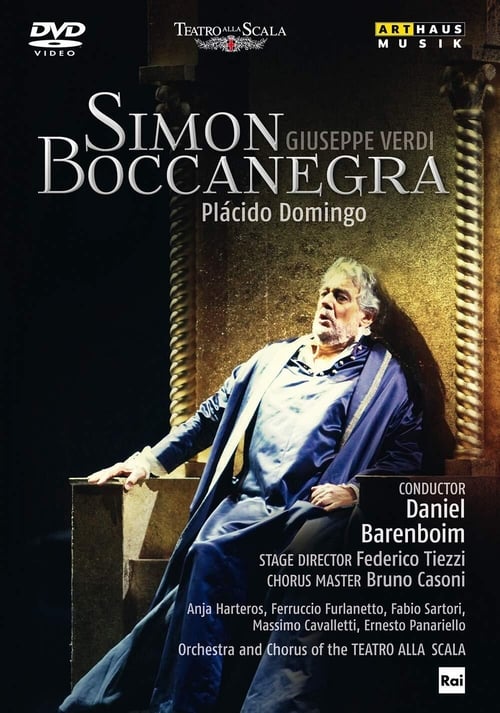
Opera di Giuseppe Verdi a Milano.

The world's largest classical music event. A blend of tradition and modernity, the 2022 edition of the New Year's Concert welcomes Daniel Barenboim to conduct one of the greatest orchestras in the world, the Vienna Philharmonic.

“The Suppliants of Aeschylus were part of a trilogy consisting of Supplicants, Sons of Egypt and Danaids, followed by a satyr drama Amirnon. It was first performed at the Theater of Dionysus in Athens, probably in 463 BC."
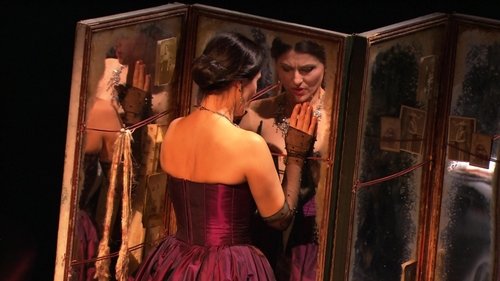
Part of Tutto Verdi series - La Traviata (2007) Parma. 'La traviata' ('The Fallen Woman') is an opera in three acts by Giuseppe Verdi set to an Italian libretto by Francesco Maria Piave. It is based on 'La dame aux Camélias' (1852), a play adapted from the novel by Alexandre Dumas, fils. The opera was originally titled 'Violetta', after the main character. It was first performed on 6 March 1853 at the La Fenice opera house in Venice. Piave and Verdi wanted to follow Dumas in giving the opera a contemporary setting, but the authorities at La Fenice insisted that it be set in the past, "c. 1700". It was not until the 1880s that the composer and librettist's original wishes were carried out and "realistic" productions were staged.
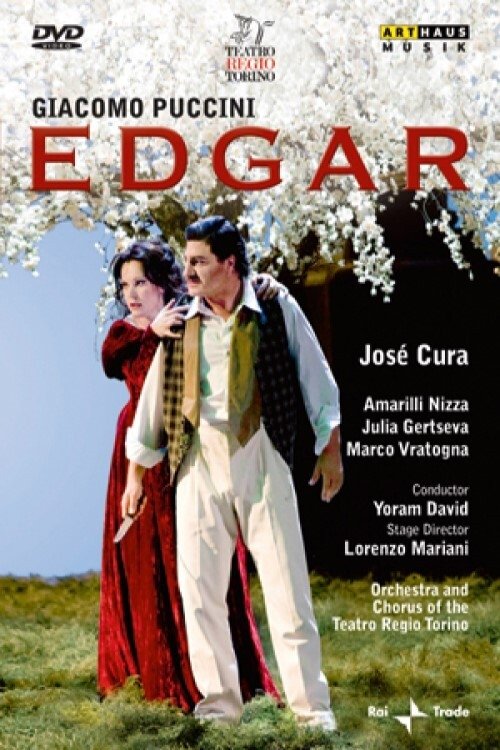
Puccini’s operas are among the most beloved and best-known works in the classical repertoire, but Edgar may be unknown even to aficionados, at least as it is presented here. This original four-act version of Edgar, first performed in 1889, was believed lost for over a century when Puccini’s granddaughter Simonetta discovered the score fully intact in 2008. In addition to the third act’s funeral music, which Arturo Toscanini conducted at Puccini’s funeral in 1924, listeners may recognize the duet from the now-restored fourth act, cut by Puccini in subsequent revisions of the work: it bears more than a passing similarity to the third-act duet in Tosca.
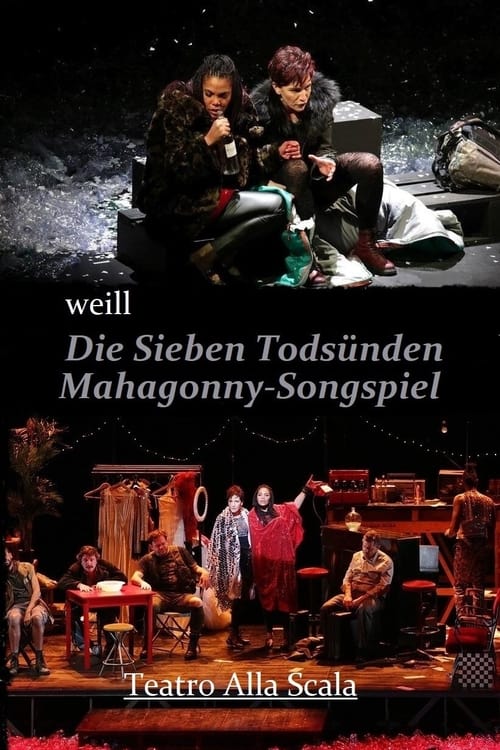
The Seven Deadly Sins tells the story of two sisters, Anna I and Anna II. The sisters set out from the banks of the Mississippi River in Louisiana to find their fortune in the big cities, intending to send their family enough money to build a little house on the river. Along the way they encounter the seven deadly sins. Meanwhile, the fleshpots of Mahagonny attract many visitors, but prove disappointing and expensive; God orders the inhabitants to hell, but they revolt, claiming they are there already"

The history of the Teatro Amazonas in Manaus, an opera house located in the middle of the Amazon rainforest, whose construction, between 1884 and 1896, depended on the labor exploitation of the local indigenous populations, provides an insight into the cultural, social and political situation in Brazil.
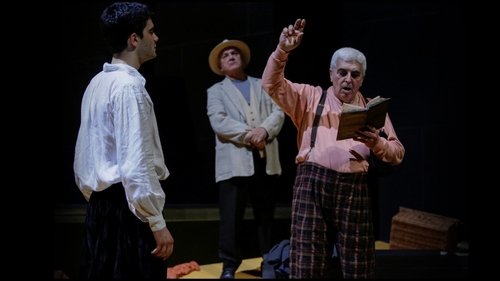
A renowned symbol of Portuguese interventionist theatre, Cornucópia emerged from the darkness of fascism to fight dictatorship on stage. Among the classics, a project is born and dies, but one face remains emblematic: Luís Miguel Cintra, who shared his art with the constant complicity of set designer Cristina Reis. Together, guided by images, they bear witness, telling this story.
Founded by a Jesuit priest from St. Louis, a grassroots theatre company takes its shows on the unpaved roads of Honduras to enlighten and inspire villagers in the impoverished countryside.
"Despite the multitude of characters and situations, the plot is simple: the eternal flow of life. It is based on Les contes fantastiques d’Hoffmann, a play by Jules Barbier and Michel Carré, who were inspired by some of the stories of the German E.T.A. Hoffmann. On a drunken night in the city, Hoffmann tells how he courted and lost three girls, his impossible loves: Olympia, a mechanical doll that only he believes to be truly human; Giulietta, the courtesan who steals his reflection in a mirror; and Antonia, a young woman who sings until she literally dies." Venue & Opera Company: Teatro Regio di Parma Recorded: 1988 Singers: Alredo Kraus, Ruth Welting, Jonathan Omilian, Barbara Hendricks, Elena Zilio, Nicola Gjiuselev, Bruno Buulgarelli, Francis Egerton, Aldo Bottion Orchestra: Orchestra Sinfonica dell'Emilia-Romagna "Arturo Toscanini" Chorus: Coro del Teatro Regio di Parma Chorus Master: Adolfo Tanhzi Stage Director: Beppe de Tomasi

La traviata, an opera in three acts with music by Giuseppe Verdi and libretto by Francesco Maria Piave, was staged at the Teatro del Libertador in December 2023. It was an innovative staging using recycled materials, with the performance of the Orquesta Sinfónica de Córdoba and the Cordoba Polyphonic Choir together with a notable cast of soloists and the general direction of maestro JongWhi Vakh.

Comedy special of the first live show of the popular podcast by Pau San Martin and Ignacio Socias.
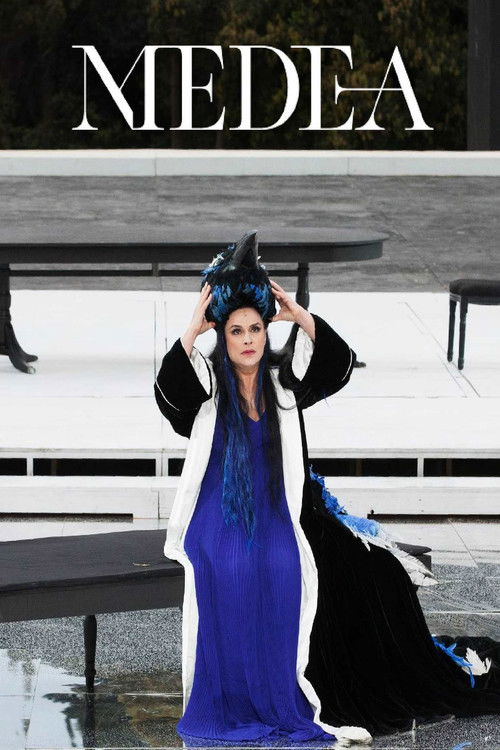
From the Greek Theater in Syracuse, Euripides' tragedy staged by Federico Tiezzi, starring Laura Marinoni.
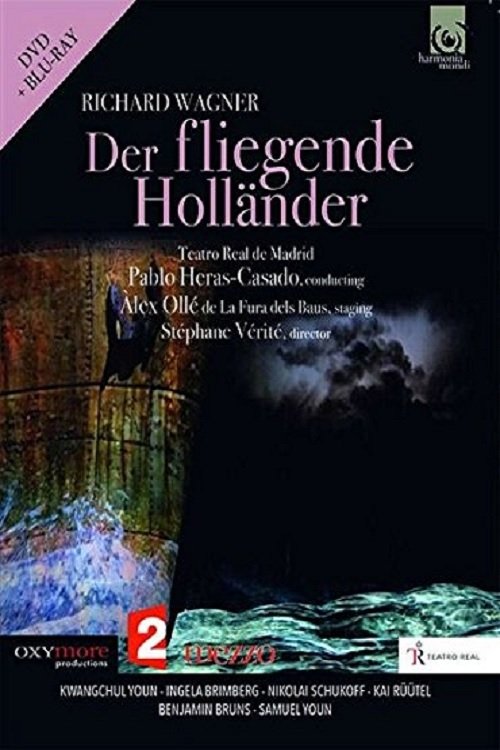
Spectacular! Opera in three acts. Filmed at a series of outstanding performances at the Teatro Real de Madrid in December 2016, this recording will especially delight lovers of Wagnerian music drama with its faithful reflection of the grandiose staging of Alex Olle, a member of La Fura dels Baus, whose earlier productions have attracted widespread attention. A conductor equally at home in Monteverdi, Boulez, Praetorius and Schumann, Pablo Heras-Casado can rely on a cast totally committed to this breathtaking musical hurricane!
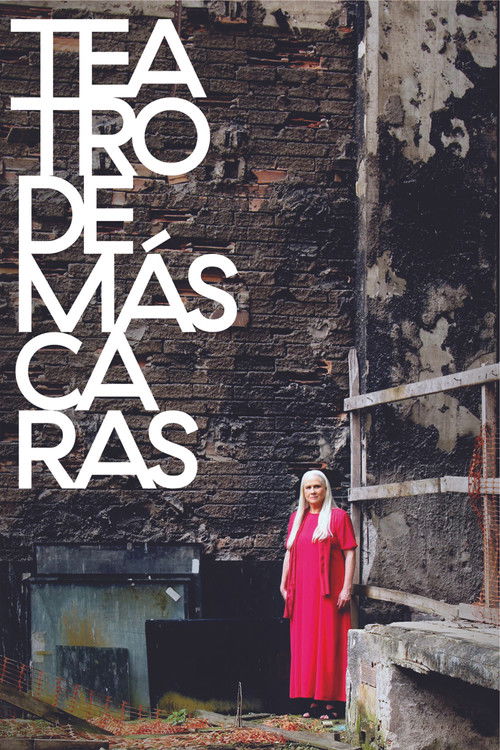
Sara, a theater aficionado, begins to experience episodes of mental confusion. At this difficult stage in her life, she resorts to memories of the plays she has seen.
Conducted by Riccardo Muti, the master of the Scala in Milan for twenty years, the Verdian melodrama unfolds before our eyes. This Cavani's approach is ageless and excellence is pre-eminent: to start with, the role of Riccardo is played by the wonderful Salvatore Licitra. As for Maria Guleghina, she plays an exceptionally good Amelia. Riccardo Muti proves once again what a wonderful Verdian he is.
Filmed during Tarja’s The Shadow Shows World Tour, during which the influential heavy rock singer circled the world for 7 ½ times with over 300.000 km travelled and played over 200 shows in 40 countries in front of 1 million people. Act II consists of the singer’s very intimate set filmed and recorded live at the Metropolis Studio in London, UK and the breathtaking live performance of one of her shows in Milan, Italy, as well as previously unreleased interviews and photo galleries. Set-List: 1. No Bitter End / 2. 500 Letters / 3. Demons in You / 4. Little Lies / 5. Eagle Eye / 6. Diva / 7. Calling from the Wild / 8. Supremacy (Muse Cover) / 9. Tutankhamen / Ever Dream / The Riddler / Slaying the Dreamer / 10. Undertaker / 11. Lanterna dos Afogados (Os Paralamas do Sucesso Cover) / 12. Love to Hate / 13. Victim of Ritual / 14. I Walk Alone / 15. Innocence / 16. Die Alive / 17. Until My Last Breath.
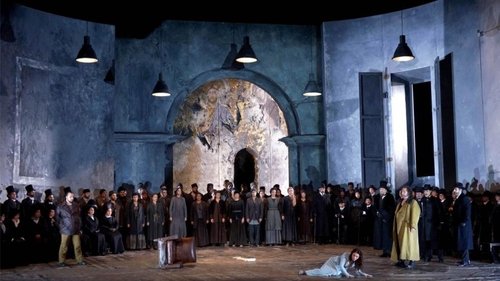
The classic opera by Giuseppe Verdi, brought to Teatro Real Madrid with stars such as Ermonela Jaho and Gregory Kunde in 2016, conducted by Renato Palumbo.

No description available for this movie.
No description available for this movie.
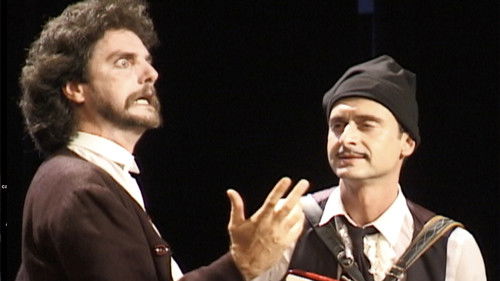
No description available for this movie.
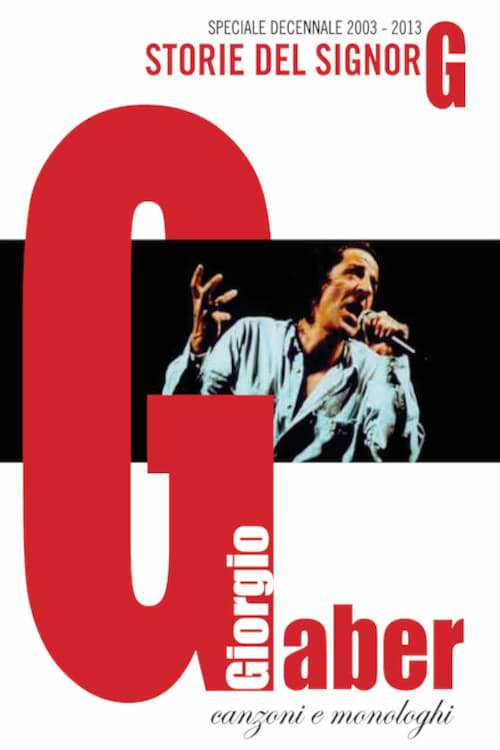
No description available for this movie.
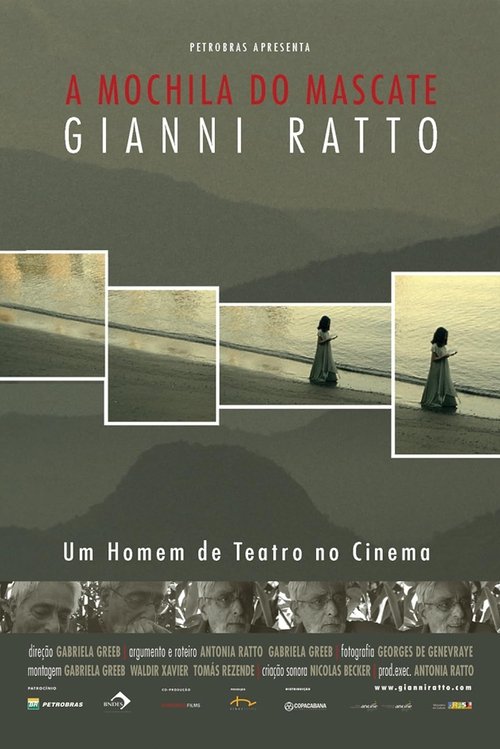
From Italian set designer to Brazilian stage director, Gianni Ratto, born in Italy in 1916 and based in Brazil since 1954, retraces the geographical path of his life, accompanied by his daughter, passing through Genoa, Milan, Florence, São Paulo, and Rio de Janeiro, visiting places and people who marked his journey. At each encounter, Gianni speaks of his work and reveals the ideas of someone who not only executes but also thinks about theater from a humanist perspective.
No description available for this movie.
No description available for this movie.
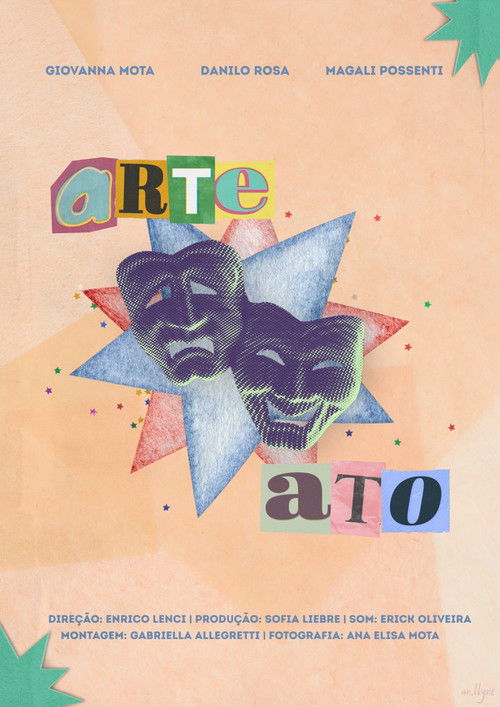
No description available for this movie.
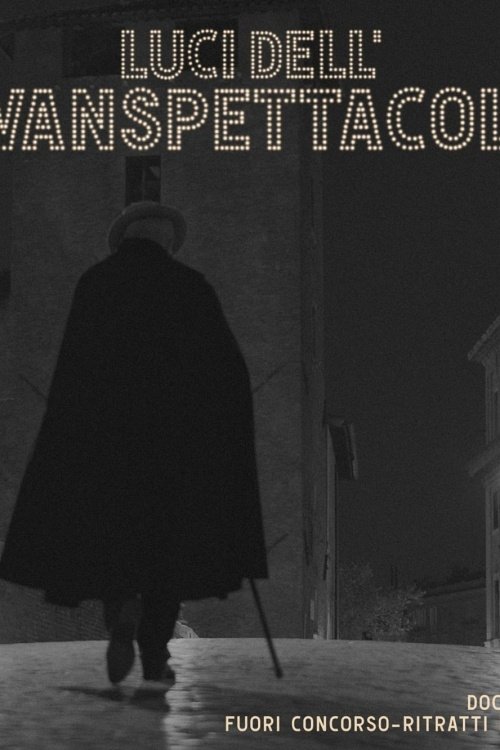
No description available for this movie.

No description available for this movie.
No description available for this movie.
Children of Icarus is an emotional and temporal journey through a disorienting Milan. A group of teenagers put their lives on the line by exploring the city from unusual perspectives. In their urban pilgrimage, they pursue a new form of freedom, in open contrast to a world that seems to deny them a future.
Foggia, 1731. After a violent earthquake, two brothers, belonging to a renowned family of barons, are forced to discuss the fate of their family. Overwhelmed by memories and unresolved issues, both will discover how their bond seems irrevocable, as is the land in which they have their roots.
Teatro Satanico was founded in Bassano del Grappa, Italy, 1993, as the "Charles Manson Satanic Theater", by Devis Granziera and Alberto Maria Kundalini. Despite the name, the band does not refer to Satanism , but to an attitude shown by romantic and decadent artists, towards religion, considered as an "obstacle to creative freedom". Including a black chant, sabbath and mass.
No description available for this movie.
Fighting for Our Lives is a 1975 documentary film produced and directed by Glen Pearcy. The film documents the striking of California grape workers from Coachella to Fresno as they negotiate for a United Farm Workers (UFW) contract in 1973. The film also depicts their non-violent struggle against police brutality on the picket lines. It was nominated for the 1976 Academy Award for Best Documentary Feature.
Portrays the Chicano experience, from its roots in pre-Columbian history to the present, by dramatically recreating key events in Mexican history and by presenting interviews with Chicano leaders, Dolores Huerta, Reies Lopez Tijerina, Rodolfo Gonzalez, and Jose Angel Gutierrez, who discuss solutions to the oppression of Chicanos.

"Die tote Stadt" is a psychologically layered drama with Hitchcock-like features, about Paul who, after the loss of his beloved Marie, slowly but surely becomes entangled in a dream world of obsessions and delusions. This impressive opera is a passionate as well as a surrealistic plea for mourning. "He who cannot live with death has no life."
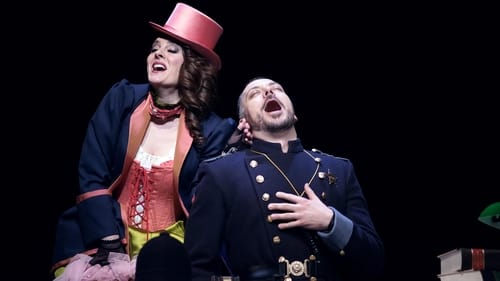
This Wagner opera is rarely performed because of the scandals that engulfed the Magdeburg Theatre when it was performed in 1836 under the title The Novice of Palermo, and became known as a cursed opera from which the composer had to distance himself. Wagner's adaptation of the story reflects the rebellious mood of a Revolutionary Germany, vindicating sensual love and attack the fanatical repression of sexuality by a puritanical and hypocritical authority. As the prose says, "Shame to him whose cruel striking/Kills for faults of his own liking!". One of the most extraordinary musicals based on a text by Shakespeare, especially worthy of a new performance as it is four hundred years since the death of the Bard.
Il sangue e la parola (Blood and Words) “Not the sword but words illuminate the way” is a cantata by maestro Nicola Piovani with lyrics freely adapted from Aeschylus' The Eumenides. Performed by the orchestra and choir of the Teatro dell'Opera di Roma with Andrea Pennacchi as narrator. The concert also includes performances of symphonic suites from La notte di San Lorenzo (The Night of San Lorenzo) and La vita è bella (Life is Beautiful).
Opera in one prologue and one act. Music and libretto by Luigi Dallapiccola. Mattia Olivieri in the title role, Ángeles Blancas Gulín as La Madre. Orchestra and Chorus of the Teatro dell'Opera di Roma conducted by Michele Mariotti. Directed by Calixto Bieito.
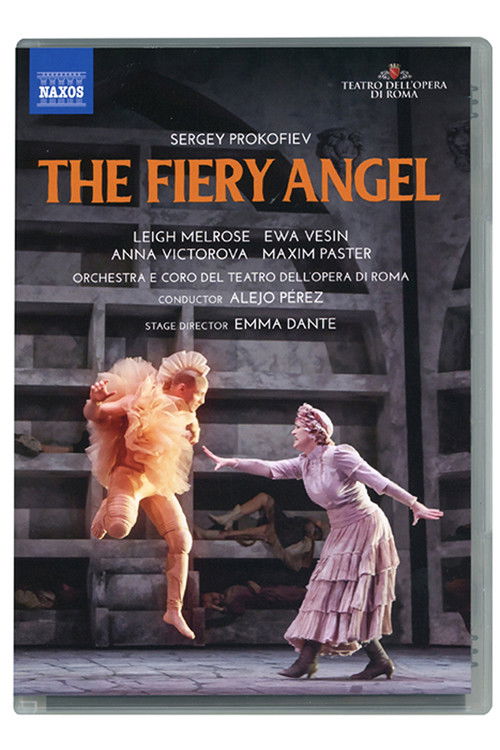
From the Teatro dell'Opera in Rome, The Fiery Angel, with music by Sergei Prokofiev. Orchestra and choir of the Teatro dell'Opera in Rome, conducted by Alejo Pérez in a visionary production by Emma Dante. Ewa Vesin gives voice to Renata and her tragic obsession with Madiel, her guardian angel.
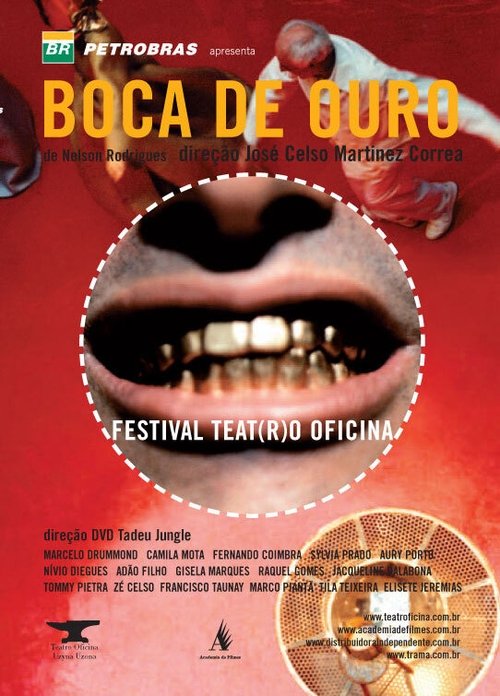
Boca de Ouro was born in a back room of a dance hall, and his first crib was a bathroom sink where his mother left him. The boy grows up and becomes a feared and respected bookie—an almost mythological figure in the community where he lives. Fascinated by the story of the recently deceased criminal, journalist Caveirinha seeks out the criminal's ex-lover, D. Guigui, to gather material for an article. Her accounts of Boca reflect her emotional state.
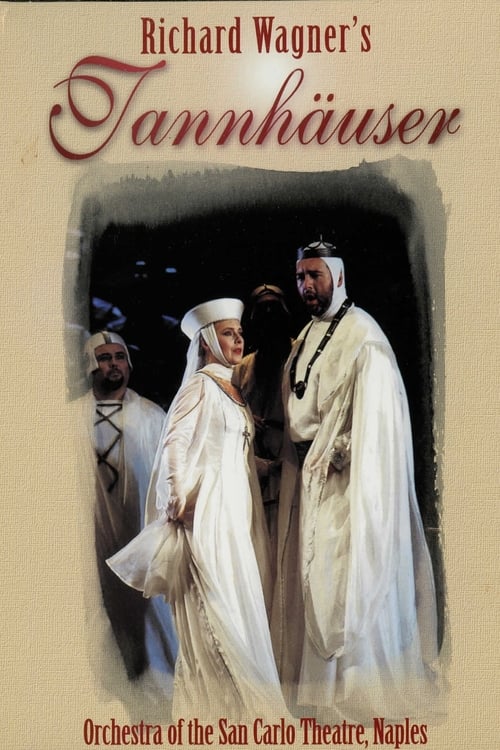
A romantic opera in three acts with music and libretto by Richard Wagner, performed by the Orchestra of the Teatro di San Carlo. The original title, Tannhauser und der Sangerkrieg auf Wartburg, reveals the real nature of the opera, born by a fusion of two traditional sagas and dedicated to the dualism of spirituality and sensuality and the possibility of redemption through love. Composed between 1843 and 1845, Tannhauser has a tormented musical theme, made up of constant variations. It debuted in Dresden in 1845 when Wagner was just over 30.
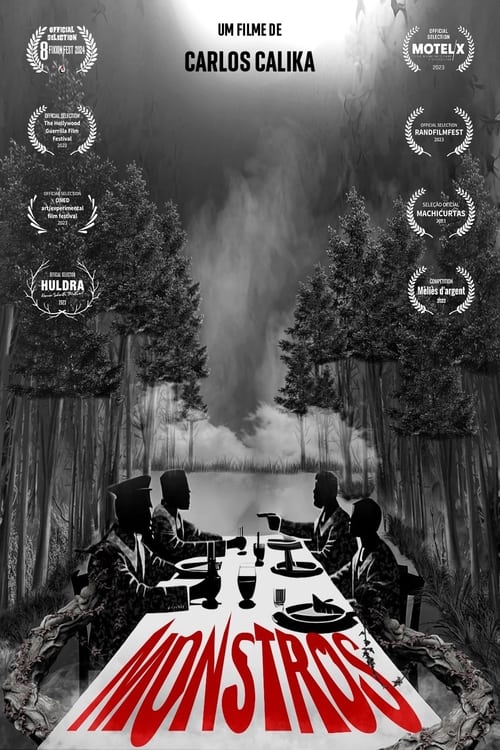
“War is a monster, war is madness, war is a self-feeding cancer, swallowing everything! War is a sacrilege, which destroys what is most precious in our planet, human life, the innocence of the little ones, the beauty of creation”.
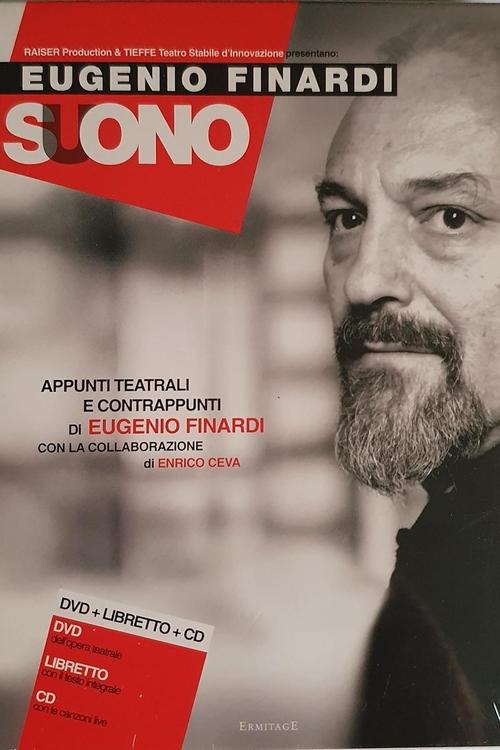
Eugenio Finardi recounts his life (and more) moving from one song to another proposed in a more intimate way and with new arrangements. With his always very charming voice that has led him to explore Rock, Blues, Fado and pop Finardi arrives with “Suono” to song theater telling and telling himself.
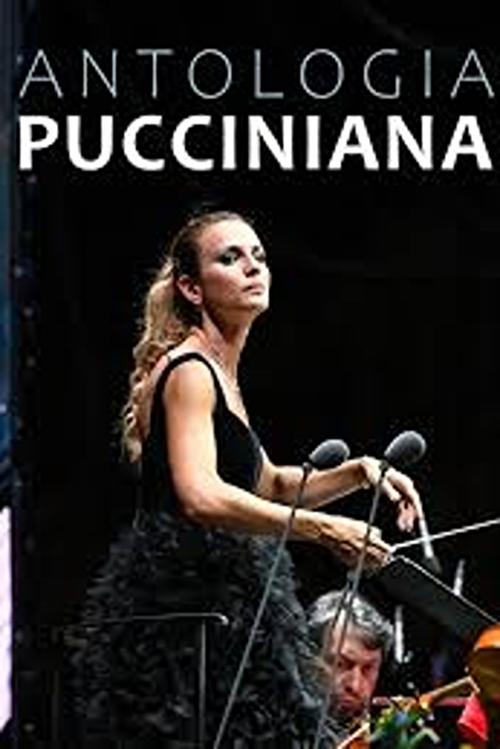
From Lucca, the Orchestra of the Carlo Felice Theater in Genoa, conducted by Maestro Beatrice Venezi, alternates symphonic pieces with the most famous operatic pages written by the composer.
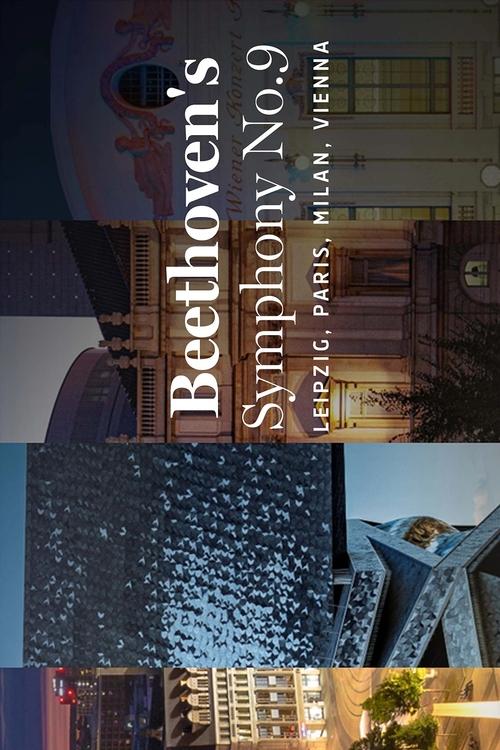
Conductors Andris Nelsons, Klaus Mäkelä, Riccardo Chailly and Petr Popelka conduct the four movements of Beethoven's 'Symphony No. 9' in succession across Europe. An epic concert celebrating the bicentenary of the creation of Beethoven's masterpiece.
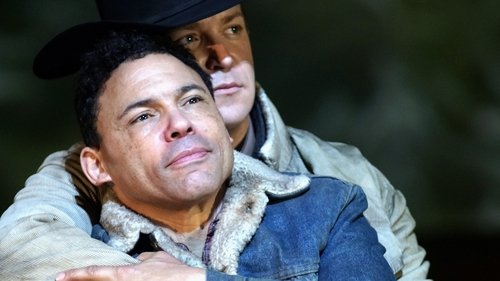
A tragic and secretive romance ensues over many years after two men meet while herding sheep on Brokeback Mountain in this opera based on Annie Proulx's short story and its subsequent Oscar-winning film adaptation.

The story is set in southern Italy and recounts the tragedy of Canio, the lead clown (or pagliaccio in Italian) in a commedia dell'arte troupe, his wife Nedda, and her lover, Silvio. When Nedda spurns the advances of Tonio, another player in the troupe, he tells Canio about Nedda's betrayal. In a jealous rage Canio murders both Nedda and Silvio. Although Leoncavallo's opera was originally set in the late 1860's, Zeffirelli's production is updated to the period between World War I and World War II.
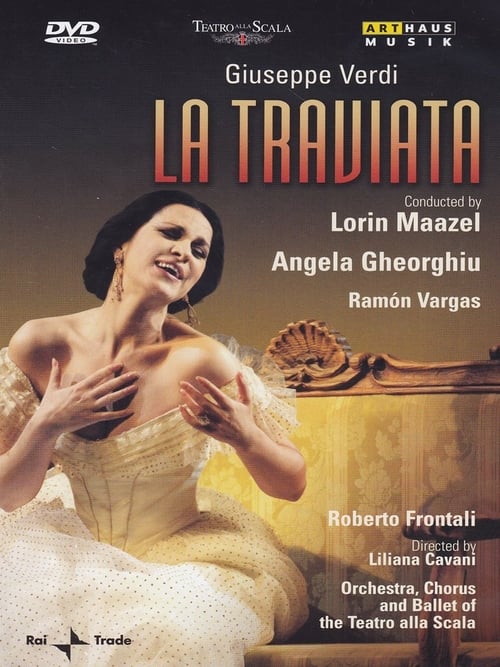
Live from La Scala Saturday 07 July 2007. In this live performance of Giuseppe Verdi's opera, Violetta, a courtesan much wooed by Parisian society, organises a grand party that is attended, amongst others, by the young Alfredo Germont. He confesses his feelings to Violetta, who is already suffering from consumption. She vacillates between genuine affection and a realistic assessment of her situation as a "fallen woman", which precludes any lasting relationship with a man.
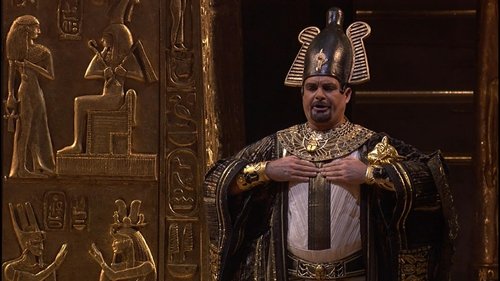
Early recordings of Franco Zeffirelli's 2006 production of Verdi's opera which saw Roberto Alagna's high-profile exit during the second performance. Egypt and Ethiopia are at war. Radames is appointed commander of the Egyptian forces by the King, whose daughter, Amneris, loves Radames. It is in fact Amneris' Ethiopian slave Aida whom Radames loves. Ramades wins the war against the Ethiopians, capturing Aida's father Amonasro in the process. On his return to Egypt he faces a choice between marrying Amneris or betraying his country through his love for Aida.