
Action
Adventure
Animation
Comedy
Crime
Documentary
Drama
Family
Fantasy
History
Horror
Music
Mystery
Romance
Science Fiction
Thriller
War
Western
Found 24 movies, 3 TV shows, and 0 people
Can't find what you're looking for?

"Fire in the House of Trade Unions" is the sixth film in the series of documentaries "Winter that changed us" about the events of the revolution of dignity. The fire in the House of trade unions occurred on the night of February 18-19, 2014. Who arranged it is still not known. And this is not the only secret that the fiery tragedy hides...

Made for the centenary of France’s trade union laws, Chris Marker’s 2084 imagines a future in which a computer looks back on the labor movement of the 20th century. Mixing documentary reflection with speculative fiction, the film envisions contrasting paths for the future of workers and unions.

A documentary by David Hoffman shot in 1965 on handheld 16mm. It presents one tough union negotiator working for New York's public employee union - DC37, a part of the AFL--CIO.

Using interviews, personal accounts, and archival footage, this program investigates the major events in the history of American trade unions, from the formation of the first “friendly societies” in the 18th century, to the challenges posed by new technologies in the 1980s and ’90s. Important issues such as minimum wages, health and safety conditions, discrimination, benefits, job security, and strikes are addressed. Veterans of labor struggles, labor historians, and business and government officials reveal fascinating personal insights into labor’s sometimes violent origins and how its influences have changed the workplace over the past 200 years.

Gdańsk, Poland, September 1980. Lech Wałęsa and other Lenin shipyard workers found Solidarność (Solidarity), the first independent trade union behind the Iron Curtain. The long and hard battle to bring down communist dictatorship has begun.
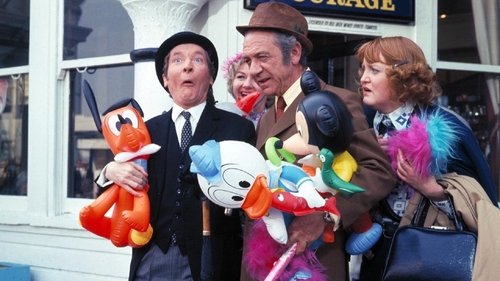
At WC Boggs' Lavatory factory, Vic Spanner is the union representative who calls a strike at the drop of a hat. However, eventually everyone gets fed up with him.
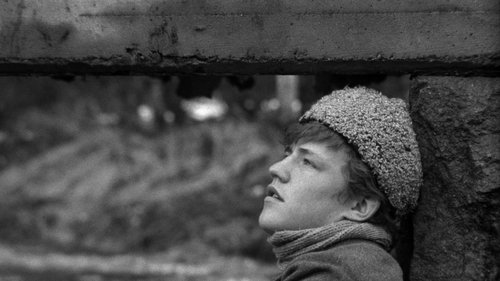
A working class teenager comes of age in 1910s rural Sweden, moving through a series of jobs and romances that gradually shape his future.
An exploration of the past and future of the steel industry in America.
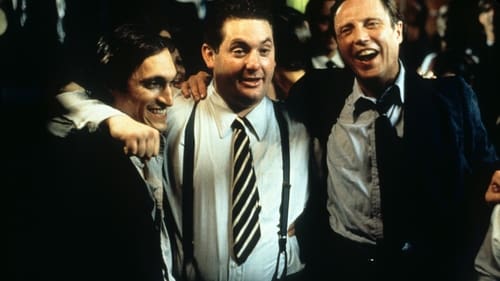
After the funeral of one of their own, a criminal family decides to embark on an emotionally unnerving journey in an attempt to exact bloody revenge.
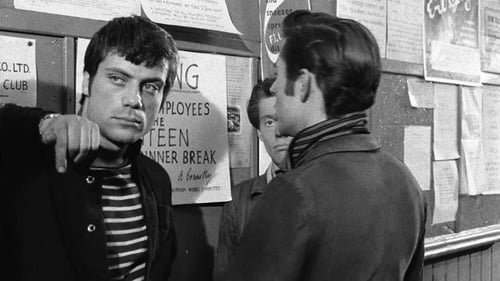
When the union in his factory walks out on strike, a family man refuses to participate, risking the wrath — and retaliation — of his fellow workers.
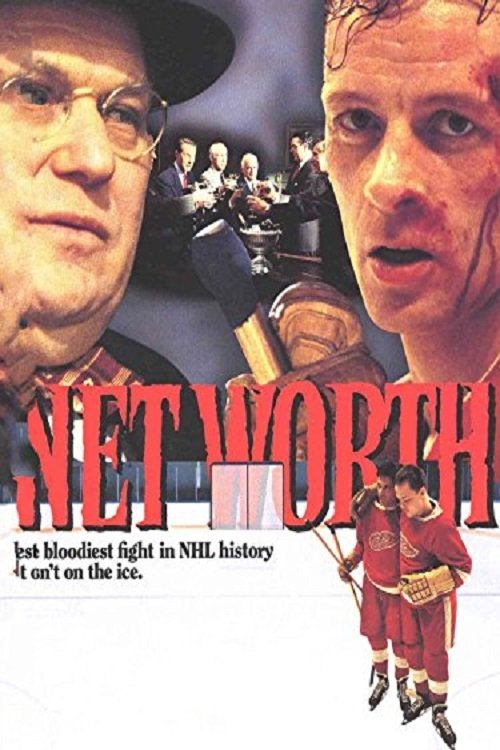
The story of the NHL in the 1950's, focusing on the battle between the players, led by Hall of Famer Ted Lindsay, and the owners, over issues of benefits and pensions. A dramatization based on the true story from the book of the same title.
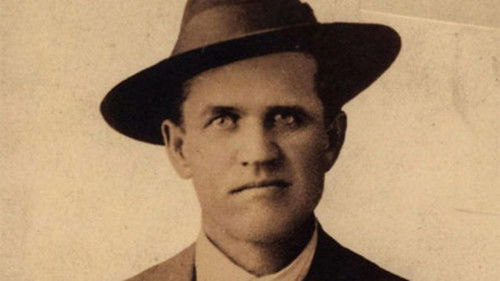
An experimental documentary exploring the turn-of-century lynching of union organizer Frank Little in Butte, Montana.
There are 200 miserably impoverished people working in the Dongseong Metalworks Factory. Ju Wan-ik is introduced to the forging team as a new member of the team and they all go drinking together to welcome him.
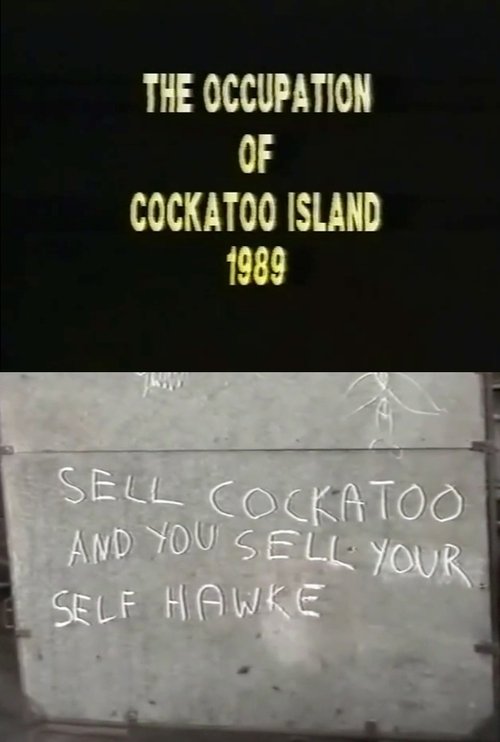
Documents the Cockatoo Island Dockyard occupation and industrial actions of 1989.
The workers in a small plough factory take over the firm, but when a large order falls through, the old management come back to help out.
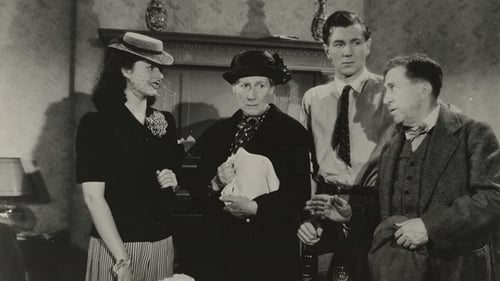
Davey Fenwick leaves his mining village on a university scholarship intent on returning to better support the miners against the owners. But he falls in love with Jenny who gets him to marry her and return home as local schoolteacher before finishing his degree.

Short documentary made under lockdown that looks at the crisis for renters during the pandemic.
Chronicles the industrial action leading up to the deregistration of the Builders Labourers Federation.
With Babies and Banners: Story of the Women's Emergency Brigade is a 1979 documentary film directed by Lorraine Gray about the General Motors sit-down strike in 1936–1937 that focuses uniquely on the role of women using archival footage and interviews. It provides an inside look at women's roles in the strike. The film was one of the first to put together archival footage with contemporary interviews of participants and helped spur a series of films on left and labor history in the US utilizing this technique. The film was also important in helping bring into view the history of American women being active in the public sphere, particularly in union and labor actions. The film was, further, ground breaking because it was produced and directed by women. It was nominated for an Academy Award for Best Documentary Feature.
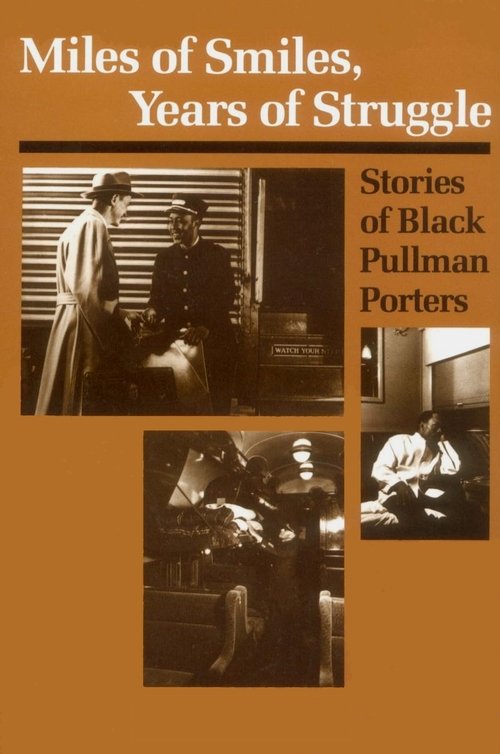
The story of the organizing of the first black trade union - The Brotherhood of Sleeping Car Porters - provides an account of African American working life between the Civil War and World War II. Miles of Smiles chronicles the organizing of the first black trade union - the Brotherhood of Sleeping Car Porters. This inspiring story of the Pullman porters provides one of the few accounts of African American working life between the Civil War and World War II. Describes the harsh discrimination which lay behind the porters' smiling service. Narrator Rosina Tucker, a 100 year old union organizer and porter's widow, describes how after a 12 year struggle led by A. Philip Randolph, the porters won the first contract ever negotiated with black workers. Miles of Smiles both recovers an important chapter in the emergence of black America and reveals a key source of the Civil Rights movement.
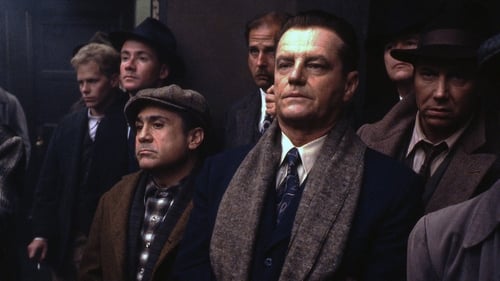
A portrait of union leader James R. Hoffa, as seen through the eyes of his friend, Bobby Ciaro. The film follows Hoffa through his countless battles with the RTA and President Roosevelt.
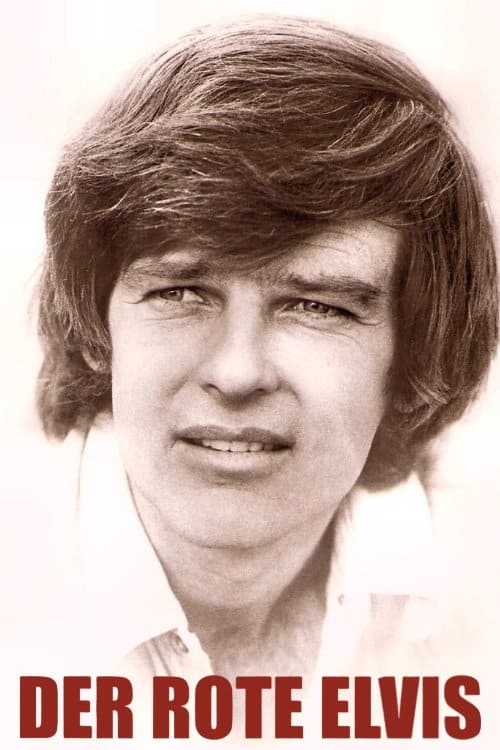
A documentary on the late American entertainer Dean Reed, who became a huge star in East Germany after settling there in 1973.
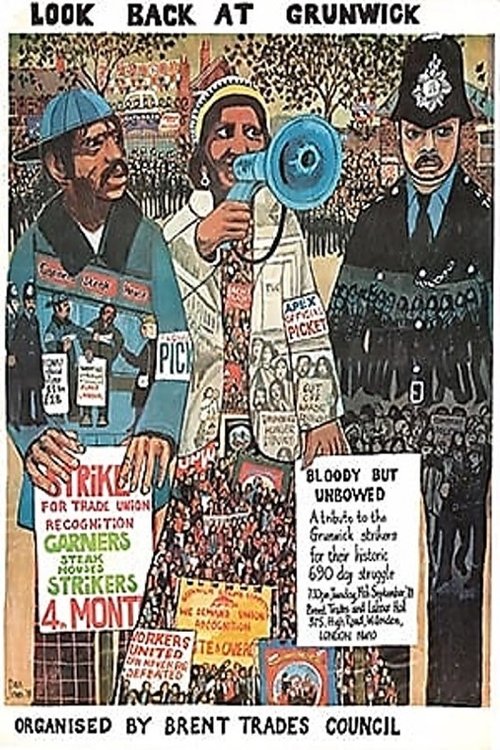
A RECORD OF THE STRIKE AT GRUNWICK IN 1977. The story of the continuing struggle at Grunwick’s by mainly Indian workers, from July 11th, 1977 until the struggle was lost. It shows the Special Patrol Group attack on the November 7th day of action, how the leadership of the struggle was taken out of the hands of the strike committee, how some of the strike leaders were disciplined by their own union for going on hunger strike outside the TUC in protest at the TUC’s inactivity, and how the post office workers were forced by their union to end their blacking of Grunwick mail. It also shows the beginnings of the similar struggle by immigrant workers at Garner’s Steak Houses in London.
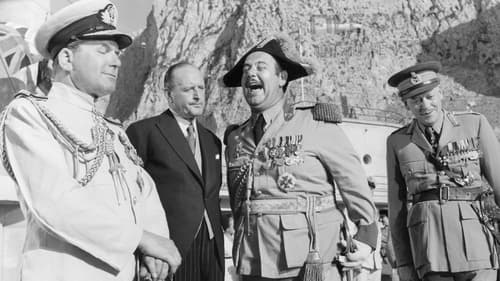
A trade union official becomes governor of a British island colony.