
Action
Adventure
Animation
Comedy
Crime
Documentary
Drama
Family
Fantasy
History
Horror
Music
Mystery
Romance
Science Fiction
Thriller
War
Western
Found 40 movies, 6 TV shows, and 0 people
Can't find what you're looking for?
When a mysterious train accident forces a man to change his plans, he is confronted with a series of choices. Each decision he makes leads to a different scenario, each one filmed by a different director with a different cast.

A 1955 lesbian love triangle.

A film about drug addiction and prostitution in Berlin that focuses exclusively on "show values" and mixes its completely implausible story with plot elements from relevant sex films. A lurid mixture of schoolgirl report and smear melodrama from the Karl Spiehs smithy.
The film documents migrant workers stranded at train stations during the pre-Lunar New Year rush, capturing fragmented vignettes across bridges, terminals, and waiting halls. Through collective portraits and a poetic lens, it spotlights the quiet resilience of a generation suspended between urban toil and rural roots.
Among two friends and classmates, one goes abroad to continue his studies but becomes unemployed, while the second one achieves great success with much effort and meets a girl and marries her. The friend who went abroad tries to deceive his friend's wife with his temptations upon his return. A struggle ensues between them, and in the end, the deceiver realizes his mistake when it's too late. Dr. 'Chang Lu', a Chinese scientist, has created destructive and evil facilities, and a secret intelligence organization has discovered this and assigns one of its elite agents, known as 'Golden Arm', to follow up on the matter. Golden Arm, after discovering the truth, bravely thwarts Dr. Chang Lu's evil plans.
This motion picture is released to coincide with the 180th anniversary of the founding of the world’s largest Russian railway. Like the locomotive, it attracted the rapid development of industry and economy in the country, repeatedly making Russia the world leader when it comes to the reach of communication routes. It was the steel highway that contributed to the development and prosperity of the great country, and where did it all begin? That’s right — at a train station, on October 30, 1837 the first railway in Russia opened.

Every day, Paris’ six railway stations welcome over 3,000 trains and more than a million travelers coming from France and all over Europe. The stations’ sizes are impressive: Gare du Nord is bigger than the Louvre or Notre-Dame de Paris. These railway stations are architectural landmarks and a model of urban planning despite the radical changes they’ve undergone since their construction in the middle of the 19th century. How did the railway stations manage to absorb the boom of travelers in just a few decades? What colossal works were necessary to erect and then modify these now essential buildings? From the monumental glass walls of Gare du Nord to the iconic tower of Gare de Lyon, to the first-ever all-electric train station, each has its own story, technical characteristics, and well-defined urban image.

Hayai, a single employee of a first-class trading company, enjoys groping women on the morning commuter train. One day, he is caught in the act by his boss, Director Sukegawa. However, he is also a veteran groper and his hobby is peeping.
One of a few versions of the "arrival of the train" narrative. While the film is lost, there is a new digital version based on re-creation from a flipbook produced by Léon Beaulieu around the same time. Shot in Joinville-le-Pont

Every Wednesday, Dr. Liza and her friend Petrovich arrive at the Paveletsky railway station in Moscow, where the homeless are waiting for them. Bandaging, treatment of wounds, feeding, distribution of medicines and things, but just human participation. It seems to us that all homeless people look the same. If we look at them through the eyes of Dr. Lisa, we can see how different they are.

Latvians have left their land for all corners of the earth over the last centuries – either driven out for disobeying the powers at large, or due to wars and revolutions, or with visions of a better life. And not always to an easier life. But there was only one place where an anti-Latvian campaign was waged, where every Latvian was treated as a spy, a traitor, and the enemy, and therefore deserved to be tortured and shot. This was during the 1937 repression in Russia, where the horror and pathologies, made Latvians into betrayers and murderers of their own kind.
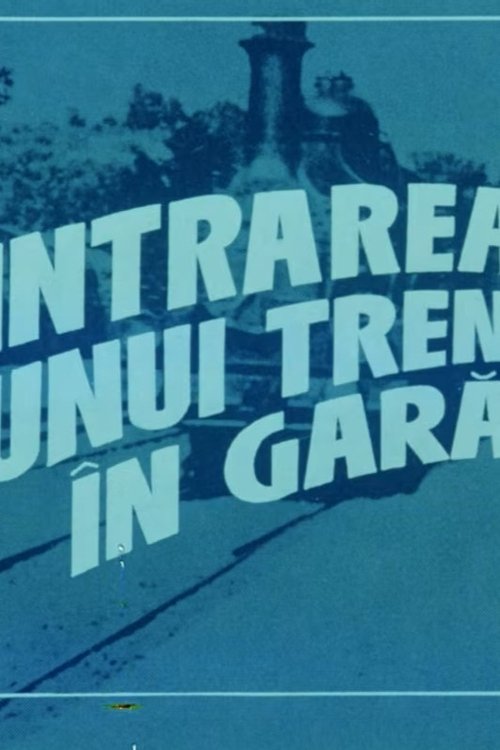
“Cinema, Poetry, and Trains in Tîrgu Neamț” might serve as the subtitle for this film, which Copel Moscu composes in a deliberately atomised manner, capturing the rhythm of a small provincial town in late-1980s Romania: cinema as escapism, pouring rain à la George Bacovia, and a vague love story between a woman projectionist and a railwayman come one after the other over the course of this somewhat comical elegy, whose meanings do not achieve the poignant depths of Moscu’s other films.
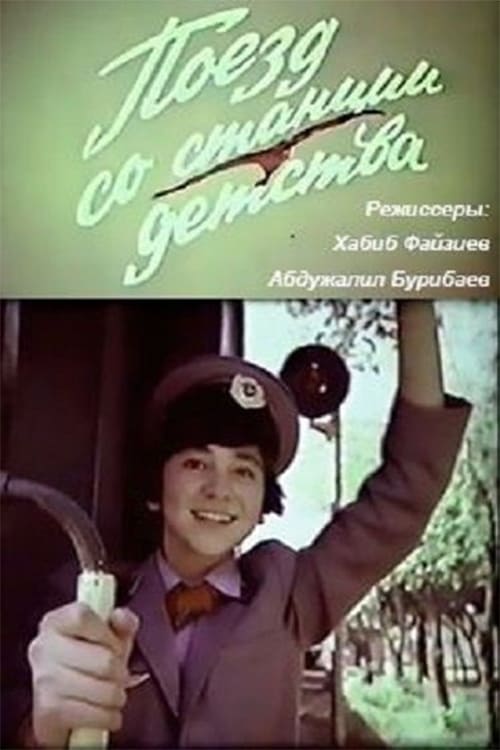
The events in the film revolve around the children's railway. Young railway workers have to confront the hooligan actions of a group of teenagers. One of them, Kamil, detained after another attack on an empty railway station, gets acquainted with her boss, Tahir Usmanovich, and young railway workers. Having met with their sympathy, a good attitude towards himself, Camil overestimated his actions and brought his friends to the children's railway.
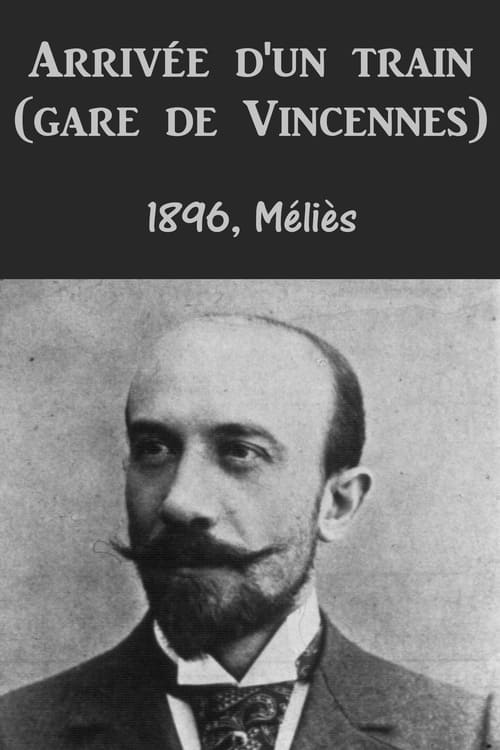
This lost film presumably features a train arriving at Vincennes station, eastern Paris. (Until 2020, was confused with Arrival at Joinville flipbook.)
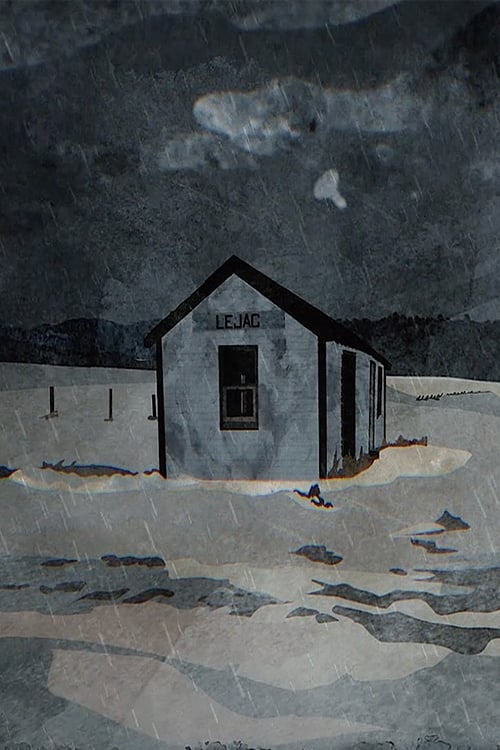
In this beautifully animated documentary short, filmmaker Lyana Patrick narrates her family’s powerful story of love and survival at Lejac Indian Residential School.
This short film follows a train journey from Roscommon to Dublin in 1947. When everyone is aboard the train leaves Castlerea Station and the camera captures the stunning landscape of the trip. -IFI Archive
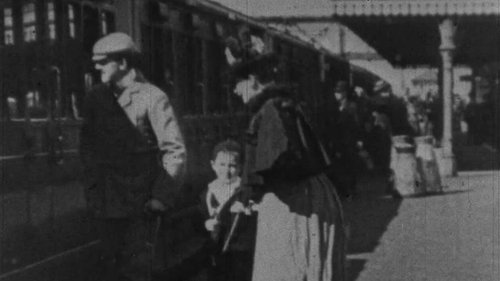
Most movie fans know that the first filmmakers liked to shoot trains entering stations. This example by Sussex film pioneer George Albert Smith illustrates why. The train's rush towards the audience brings movement and visual drama. The flurry of human activity offers plenty for the audience to engage with - who are these people and where are they going? And the time pressure exerted by the fact that the train must soon depart adds narrative tension - will everyone get on and off in time?
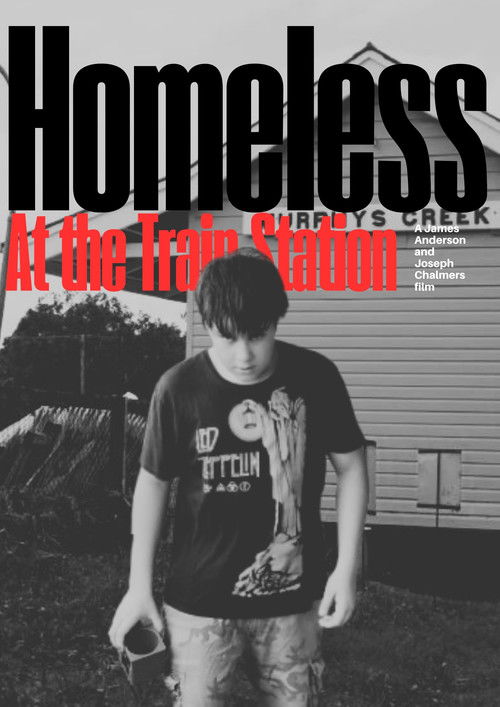
A council worker endures hell after checking on an abandoned train station.
The subject of the first essay is cinema itself: an apparatus of representation wherein fact and fiction are recreated. As such, the pro-filmic facts are necessarily drawn from two of cinema's "pioneers": Louis and Auguste Lumière and Abel Gance (La Roue), with additional material provided from a Warner Brothers featurette, Spills for Thrills.
1898 indian short
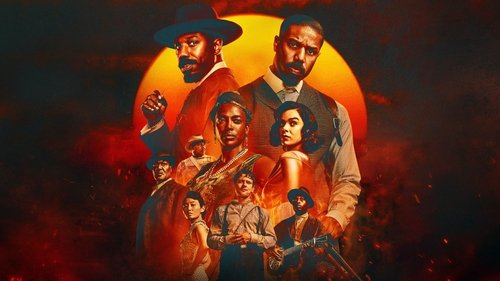
Trying to leave their troubled lives behind, twin brothers return to their hometown to start again, only to discover that an even greater evil is waiting to welcome them back.
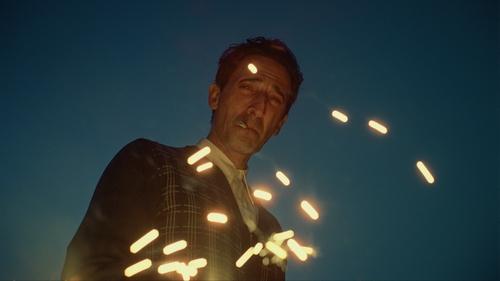
When an innovative modern architect flees post-war Europe, he is given the opportunity to rebuild his legacy. Set during the dawn of the modern United States (in Pennsylvania), his wife joins him, and their lives are forever changed by a demanding, wealthy patron.

Orphaned and alone except for an uncle, Hugo Cabret lives in the walls of a train station in 1930s Paris. Hugo's job is to oil and maintain the station's clocks, but to him, his more important task is to protect a broken automaton and notebook left to him by his late father. Accompanied by the goddaughter of an embittered toy merchant, Hugo embarks on a quest to solve the mystery of the automaton and find a place he can call home.
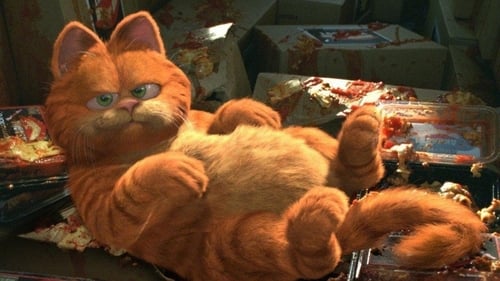
Garfield, the fat, lazy, lasagna lover, has everything a cat could want. But when Jon, in an effort to impress the Liz - the vet and an old high-school crush - adopts a dog named Odie and brings him home, Garfield gets the one thing he doesn't want. Competition.
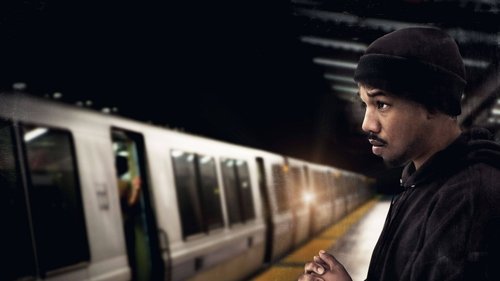
Oakland, California. Young Afro-American Oscar Grant crosses paths with family members, friends, enemies and strangers before facing his fate on the platform at Fruitvale Station, in the early morning hours of New Year's Day 2009.
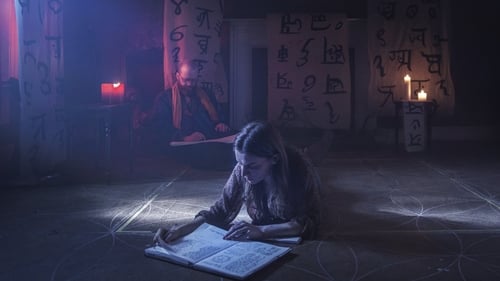
A determined young woman and a damaged occultist risk their lives and souls to perform a dangerous ritual that will grant them what they want.
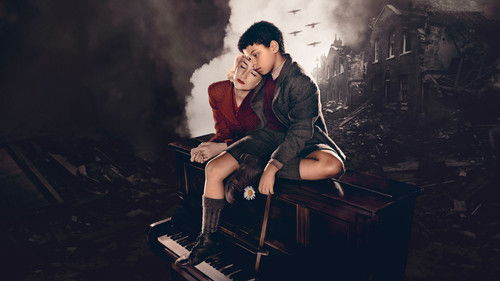
In World War II London, nine-year-old George is evacuated to the countryside by his mother, Rita, to escape the bombings. Defiant and determined to return to his family, George embarks on an epic, perilous journey back home as Rita searches for him.

The Driver specializes in driving getaway cars for robberies. His exceptional talent has prevented him from being caught yet. After another successful flight from the police a self-assured detective makes it his primary goal to catch the Driver. He promises pardons to a gang if they help to convict him in a set-up robbery. The Driver seeks help from The Player to mislead the detective.
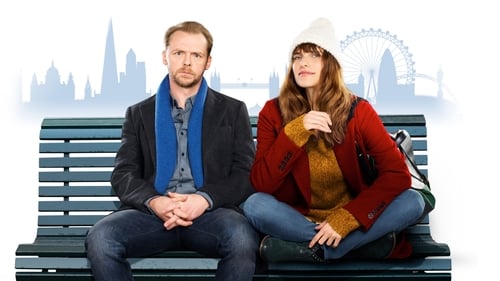
A 34 year old single woman, Nancy, hung-over again, exhausted by the endless fruitless set ups by her friends, traveling across London to toast another 10 years of her parent's successful happy magical marriage runs in with a 40 year old divorcee, Jack, who mistakes her for his 24 year old blind date. Nancy, deciding to go with it, happens to hop on the most chaotic yet hilarious journey of her life which neither of them will ever forget.
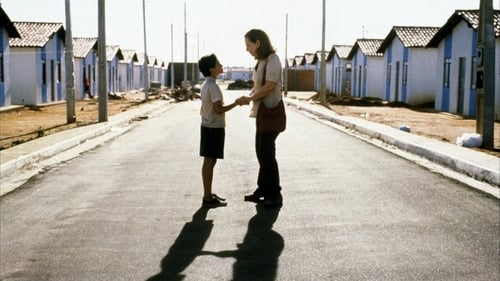
An emotional journey of a former school teacher, who writes letters for illiterate people, and a young boy, whose mother has just died, as they search for the father he never knew.
Àlex, Carles and Jordi have not seen each other for some time, the lockdown and the entrance to the university have cooled their relationship. When summer arrives, Àlex suggests to both friends to go to the beach they used to frequent during their high school years. Carles agrees while Jordi prefers not to go. When they arrive at the supposed beach, they realize that they are actually in an abandoned station. They decide to investigate the place and wait for the next train to take them to the beach.
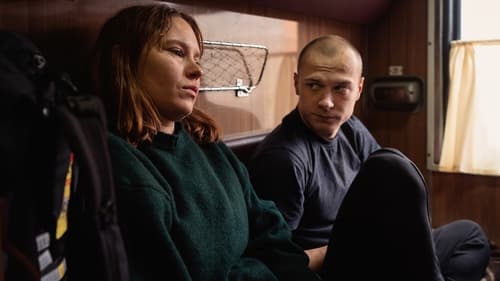
A young Finnish woman escapes an enigmatic love affair in Moscow by boarding a train to the arctic port of Murmansk. Forced to share the long ride and a tiny sleeping car with a larger than life Russian miner, the unexpected encounter leads the occupants of Compartment No. 6 to face major truths about human connection.
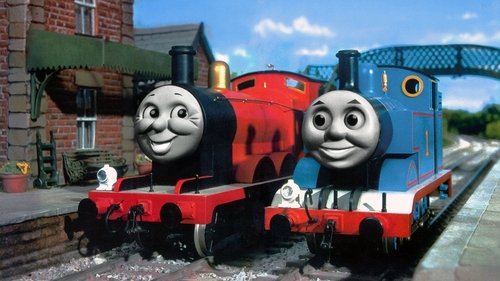
Mr. Conductor's supply of magic gold dust, which allows him to travel between Shining Time and Thomas's island, is critically low. Unfortunately, he doesn't know how to get more. Meanwhile, Thomas is fending off attacks by the nasty diesel engines. Getting more gold dust will require help from Mr. C's slacker cousin, his new friend Lily and her morose grandfather, plus the secret engine.

Crime boss Rex hires Frank and his crew to steal a priceless jewel stash — but the job goes wrong when someone tips off the cops. After Frank suffers a blow to the head, he wakes up to find the jewels gone and no memory of his attacker. Now, Frank must confront his team members one by one to find the traitor — before Rex covers his tracks by having Frank murdered.
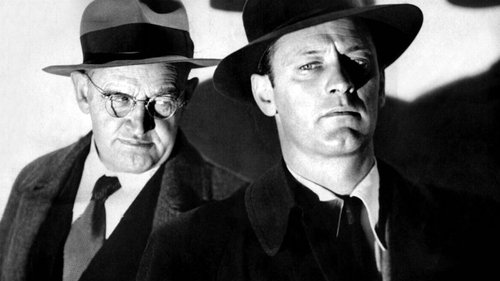
Police catch a break when suspected kidnappers are spotted on a train heading towards Union Station. Police, train station security and a witness try to piece together the crime and get back the blind daughter of a rich business man.
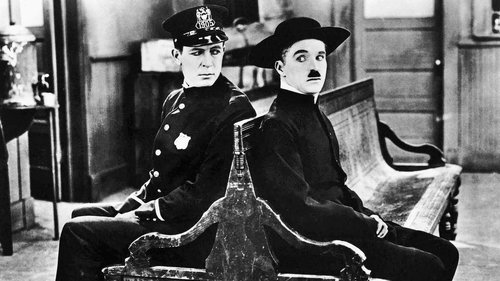
The Tramp is an escaped convict who is mistaken as a pastor in a small town church.
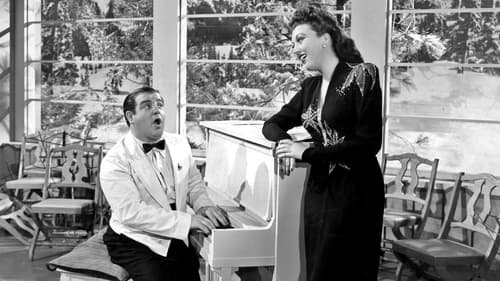
After Flash Fulton and Weejie McCoy take pictures of a bank robbery, they're lured to the mountain resort hideout of the robbers, where they meet an old friend and his band.

No description available for this movie.
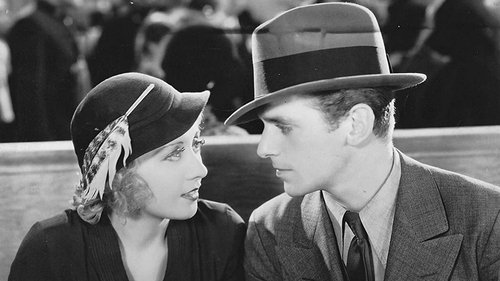
Among the travelers of varied backgrounds that meet and interact on one night at Union Depot, a metropolitan train station, are Chick and his friend Scrap Iron, both newly released from prison after serving time for vagrancy. Hungry and desperate for a break, Chick fortuitously comes across across a valise abandoned by a drunken traveler. In it he finds a shaving kit and a suit of clothes with a bankroll, which help transform the affable tramp into a dashing gent. After buying himself a meal, Chick seeks some female companionship among the many hustlers who walk the station. He propositions Ruth Collins, a stranded, out-of-work showgirl and takes her to the station's hotel.
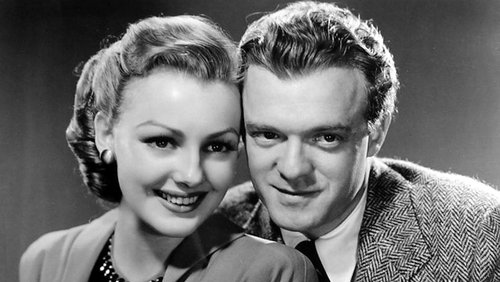
Conniving Broadway starlet Mida King has plenty of enemies, so when she's found murdered at Grand Central Station, Inspector Gunther calls together a slew of suspects for questioning. Mida's shady ex-flame, Turk, seems the most likely culprit, but when smart-mouthed private eye Rocky Custer -- also a suspect himself -- begins to piece together the crime, a few clues that Gunther has overlooked come to light.