
Action
Adventure
Animation
Comedy
Crime
Documentary
Drama
Family
Fantasy
History
Horror
Music
Mystery
Romance
Science Fiction
Thriller
War
Western
Found 21 movies, 3 TV shows, and 0 people
Can't find what you're looking for?

On the morning of October 10, editor Yury Marchenko was supposed to be running through Shevchenko Park, near his home, at the same time as the Russian rockets hit it. One of them — to the playground, the other — to the intersection of Shevchenko Boulevard and Volodymyrska Street. The blast wave damaged "strategic" objects: museums, educational institutions, restaurants, galleries, hospitals, the Ministry of Education, the Teacher's House and the protective structure around the monument to Mykhailo Hrushevskyi. We are looking for an answer not only with Yuriy Marchenko, but also with volunteer Serhii Prytula, architect Slava Balbek, historian Oleksandr Palii, military expert Serhii Kuzan, deputy director of the National Science and Natural History Museum of the National Academy of Sciences Oksana Chervonenko and director of the Khanenko Museum Yulia Vaganova.
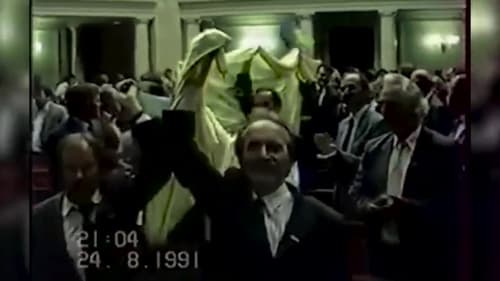
A film about the collective psychological traumas of Ukrainians.
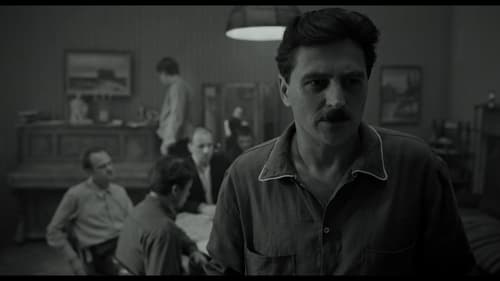
Kharkiv, the 1930s. The heyday of Ukrainian art. Ambitious young poet Vladimir Akimov happily settles in at the new luxury "Slovo" House built specifically for artists. He comes from the provinces and works as a proof-reader in a printing press, and has never even dreamed of living under one roof with prominent Ukrainian writers and artists. He thinks his own poetry is genius, but nobody takes his literary efforts seriously, not to mention the occasional chuckles over his epigone poems. But fate smiles at him. The head of the political intelligence agency suggests that he become the author of a play written earlier. Akimov agrees, signing a non- disclosure note. The poet has no idea what price he will pay for this success. “‘Slovo’ House” is a story about a generation of Ukrainian artists persecuted by the totalitarian system, unfolding against the backdrop of one of the largest genocides of the 20th century: the Holodomor, which caused the death of almost 7 million people.
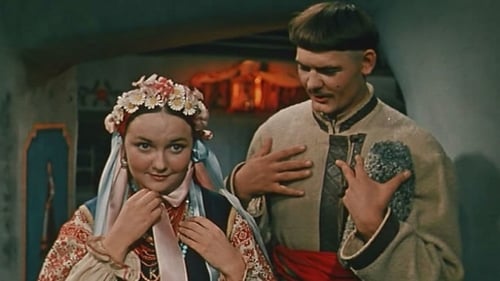
The story that happened on the farm near Dikanka on the night before Christmas, when the village blacksmith Vakula, having saddled the Devil, brought to his beloved Oksana, the daughter of a rich Cossack Chub, queen's "сherevichki"(the little women shoes) from the capital — St. Petersburg.
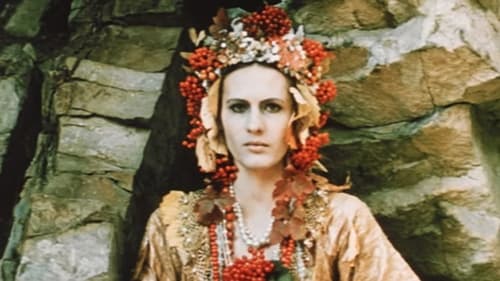
Mavka, a water nymph, loves Lukash, a country youth. Their brief happiness ends when Lukash is forced to marry the shrewish Kilina. The Spirit of the Forest turns Lukash into a wolf as punishment for his infidelity. The strength of Mavka's love breaks the spell, but Kilina curses the nymph, transforming her into a weeping willow. This beautiful and tragic story is based on a play written in 1912 by Lesya Ukrainka, a Ukrainian poet, writer and political, civil and female activist, and includes mythological characters taken from Ukrainian folklore.
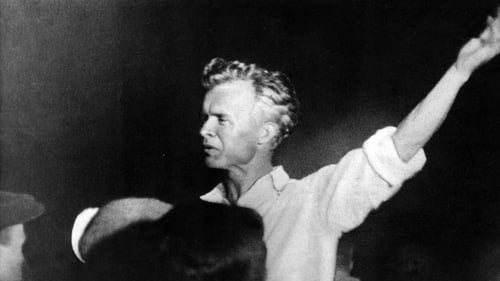
The film-remembrance of the creative fate of the Ukrainian Soviet film director Alexander Dovzhenko, shot on his diaries. It has his statements about his work, about the role of the artist in society, his plans and sources of inspiration, his artistic style and the peculiarities of his worldview. Used excerpts from his films and documentary footage taken during the director's life, as well as filmed fragments of the unfinished scripts " The Death of the Gods” and “Tsar”.
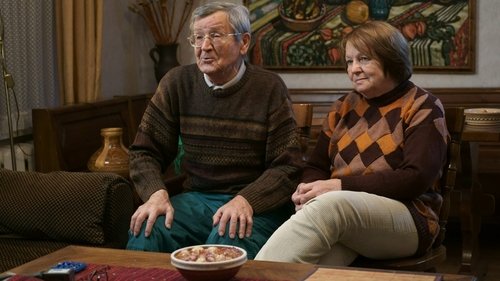
Ivan Dziuba - literary critic, public figure, academician of the National Academy of Science of Ukraine - belongs to the "sixties". He fully takes care of all the miscalculations and unfulfilled promises of his generation. Reflects on why the illusions were lost and why so few dreams came true ... Let's see and listen to him with his wife Martha, a Lviv woman who was his guardian angel. Together - all life. Exactly as they are, the right is the definition - the conscience of the nation.
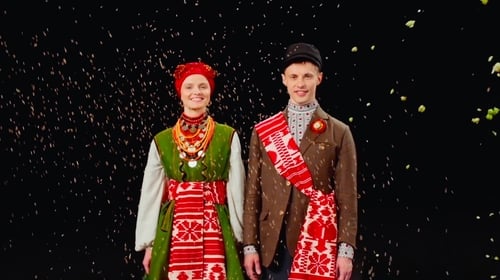
Full-length documentary about wedding customs and rites from different parts of Ukraine. This film will immerse the viewer in the world of rich, striking and diverse wedding culture of 8 regions of the country: Kyiv, Cherkasy, Chernihiv, Ivano-Frankivsk, Zakarpattia, Kharkiv, Rivne and Chernivtsi.

Chain-smoking artists, poets and playwrights were among the colourful array of intellectuals living in the ‘Slovo House’ in 1920s Ukraine. The communist paradise was built under Stalin's approval, but it quickly became a prison. The brutal Soviet regime spied on the inhabitants, destroying their eccentric way of life and sealing their fate. This fascinating film explores the extraordinary story of the building and its residents.
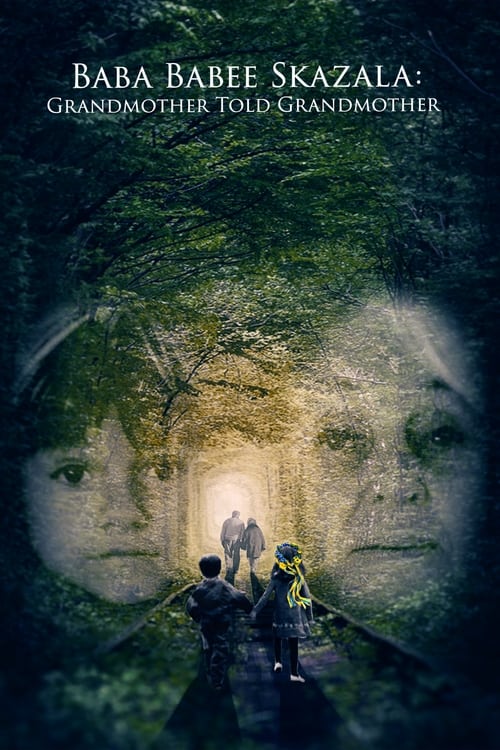
The little-known story of Ukrainian children torn from their homes in the crush between the Nazi and Soviet fronts in World War II. Spending their childhood as refugees in Europe, these inspiring individuals later immigrated to the United States, creating new homes and communities through their grit, faith and deep belief in the importance of preserving culture.

The early 70s is a golden epoch of our popular music. Hundreds of songs of exquisite beauty. Groundbreaking sound. Futuristic suits. How and whence could all of this emerge in a Soviet socialist republic? How did a brand new music scene, original in sound and philosophy in every way, and at the same time absolutely in sync with global music trends come forth? They weren't that fond of the Soviet label «VIA». And since neither of us is fond of this acronym, let us rechristen this music.
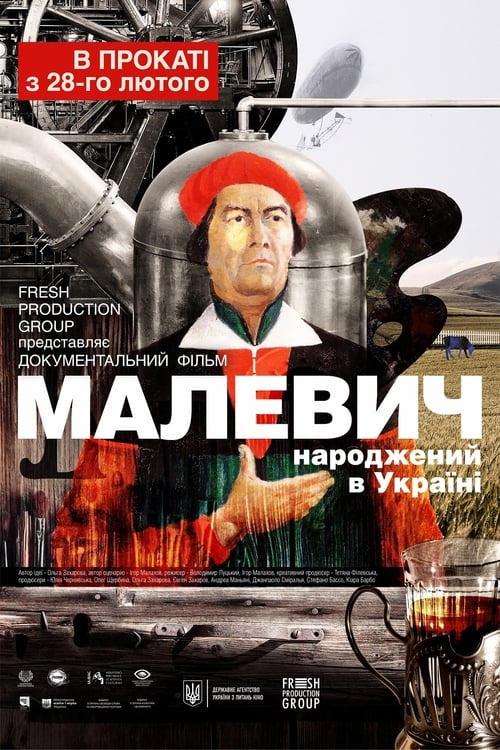
A story about the life and work of the twentieth century artist Kazimir Malevich and his influence on world culture.
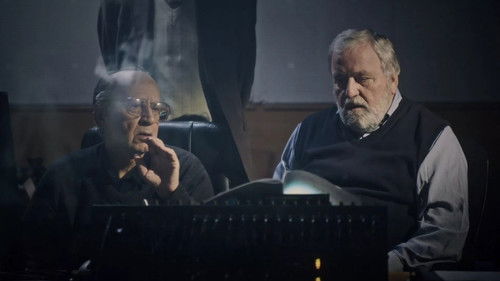
There is a rumor in the Kyiv musical community: once upon a time, in private conversation, Queen Elizabeth II mentioned Valentyn Silvestrov as one of her favorite composers of the modern age. The Royal Press Office hasn’t confirmed it, so no one knows for sure. But the stature of Silvestrov justifies this rumor. Highly respected by the world’s best music professionals, he remains a mystery for a wide audience. The documentary is far from a traditional biopic about a prominent person. It is an observation, a confession and, most of all, a story of great talent set against the backdrop of uncertain times.
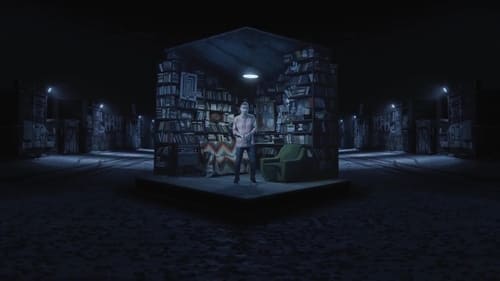
A theatrical documentary about Hrytsko Chubai, a genius of Ukrainian poetry, a connoisseur of literature, art and music and the brightest representative of Lviv underground culture of late 60s early 70s.
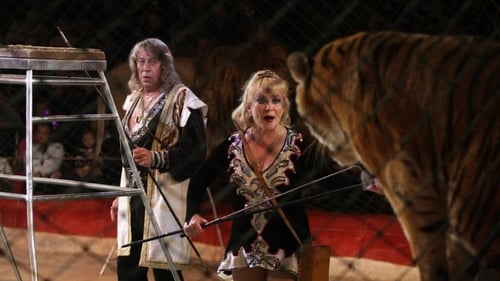
Documentary offers a look at the historical development, establishment and artistic transformations of the Ukrainian Circus as a cultural phenomenon of the 20 century.
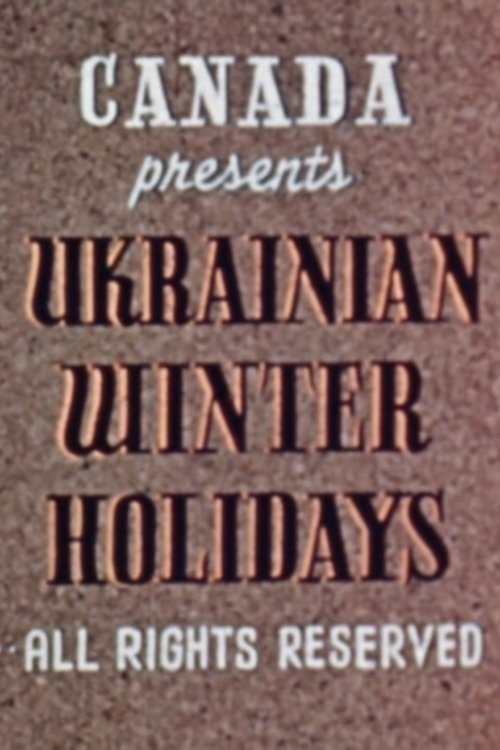
Ukrainian communities of the Canadian prairies still follow the Julian calendar and celebrate Christmas on the seventh of January. Traditional foods are prepared for the holy Christmas Eve supper, eaten when the first star of the evening appears. Then traditional carols and light-hearted dances in gay costume continue the festivities. In striking contrast, on Christmas Day the Ukrainians gather at the Greek Orthodox church to worship in a solemn service with ancient ritual.
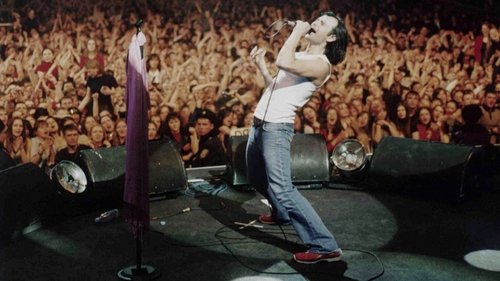
A biographical music documentary about Okean Elzy, Ukraine's most iconic band: from obscurity to stadiums, their journey spans internal conflicts, creative challenges, and the country's turbulent history.
A documentary video essay that has been created over the past three months. We will introduce you to Volodymyr Ivasyuk, a young, creative, and stylish musician. We’ll also explore his songs, which changed the rules of the music scene and still sound great today. While everyone has heard his ‘Chervona Ruta’, few people are familiar with the rest of his work – about 100 songs and 50 instrumental pieces. We hope that after this hour-long acquaintance, you’ll add a few new tracks to your playlist and have another example in your heart that Ukrainians are damn cool.
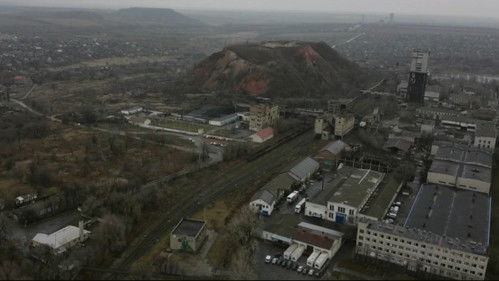
The project is set in eastern Ukraine, where the main characters live — representatives of different professions, who have chosen culture as the meaning and business of their lives. They are the creators and keepers of the national cultural code. The authors study what exactly is passed down from generation to generation, and what meanings are hidden in it.
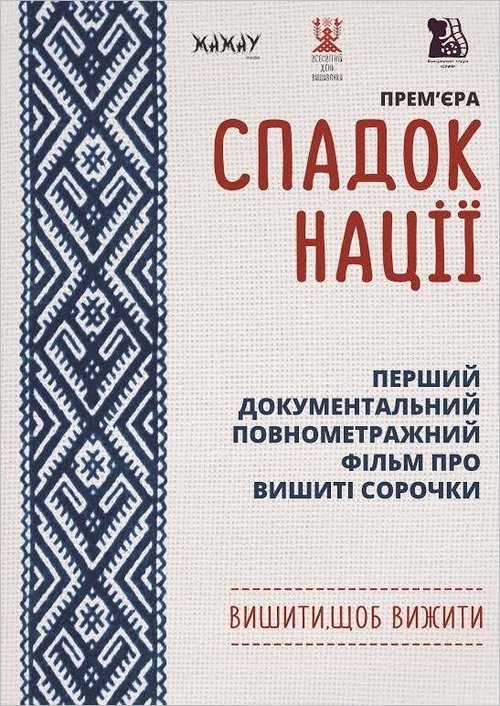
The first documentary about vyshyvankas (Ukrainian embroidered shirts). Everyone has their own vyshyvanka. But there is one most valuable for everyone.
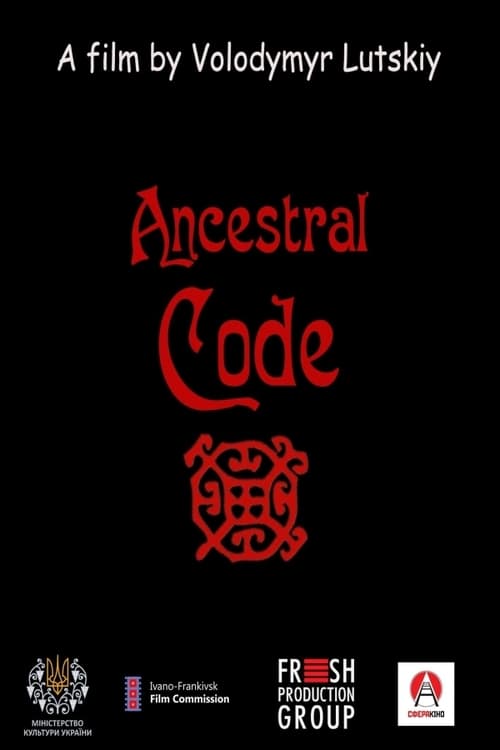
The documentary film ANCESTRAL CODE is a research into the origins of the Ukrainian and Belarusian peoples, the search for their identity through the study of the melodism of Slavic ethnographic heritage. Nowadays many people talk about brotherhood, spiritual intimacy, affinity. The authors analyze the connection between the neighboring peoples of Ukraine, Lithuania, Belarus and Poland through music and folklore.